Self Sowing Vegetables, New Coreopsis, Sweet Peas, and Propagating Houseplants

As I look out at 5F temperatures and 1 foot of snow, it’s hard to even imagine a garden growing out there in a few months. But I know it will happen. Nature is resilient and one of the ways I’ve been impressed by this with self sowing plants. Certainly many perennials self sow and spread their seed around the garden. But what about annual flowers, and more importantly, vegetables? In my new book, The Continuous Vegetable Garden, I talk about self sowing vegetables, herbs and edible flowers and how you can get more food, for free, from your garden with less work. Learn more about self sowing vegetables here.
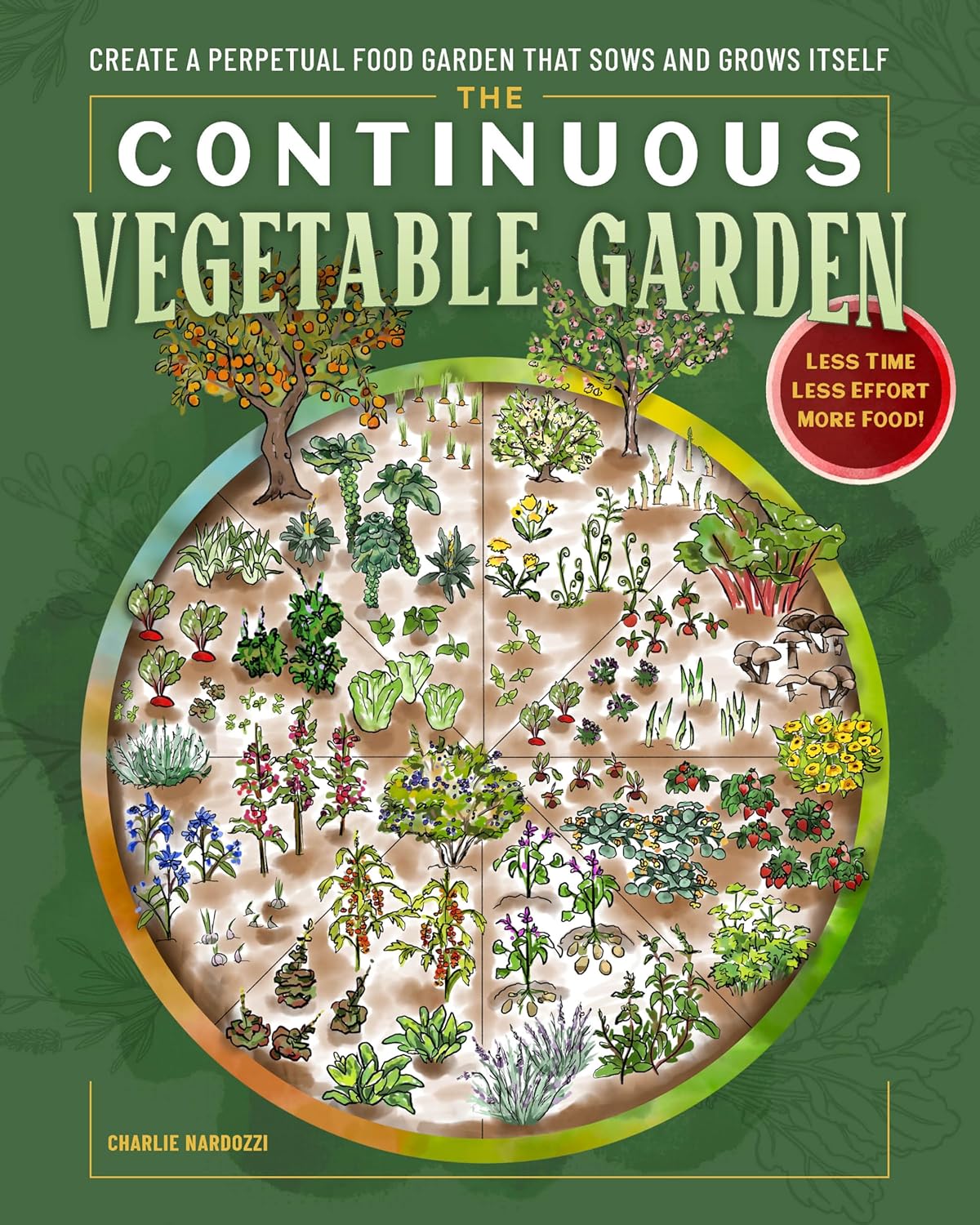
Yes, my new book, The Continuous Vegetable Garden is coming out next week!!! It’s all about creating a perpetual garden that grows and sows itself, without a lot of work. To help gardeners understand what I mean by a Continuous Vegetable Garden, I’ve created a webinar that will be presented live on February 10th at 6pm Eastern time. Webinars are great because you get a chance to see our garden, learn about the ways we grow vegetables, herbs, fruits and annual flowers with less work and more yields, and see how they provide a continuous supply of food while doing it all in tune with Nature. Check out my webinar here to learn more and to sign up.
Learn More About My Continuous Vegetable Garden Webinar Here.

Spring will come and so will the sweet peas. Sweet peas are a garden treasure that grow well in a cool summer climate. But you can grow them almost anywhere. The first cultivated sweet peas came from Sicily in the 1700s. Learn more about the varieties and unique ways to grow sweet peas.
January also means lots of new varieties are coming out. In the perennial flower world there are some interesting versions of coreopsis or tickseed. This hardy, native perennial is a beauty in a full sun garden and you can learn where and how to grow it in this newsletter.
January is also houseplant time, especially in the North. If you have a favorite houseplant and want more, you might want to save money by propagating your new plants from the old ones. I talk about ways to propagate houseplants here.
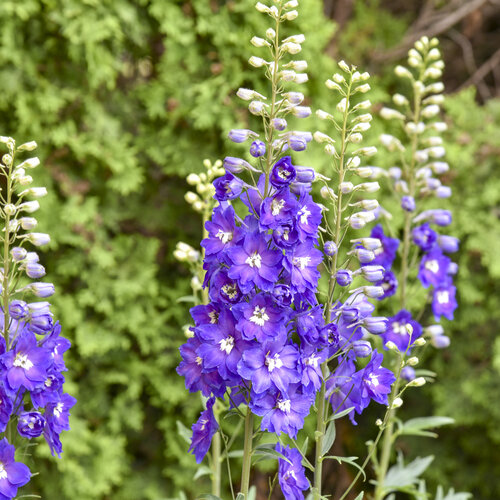
Also, remember to check my monthly garden blog I write for Proven Winners called What’s Up North. The January blog talks all about some cool new flower and shrub varieties for your garden. There’s been lots of breeding to make flowers and shrubs more floriferous and better stewards of Nature and pollinators. Check out my blog on New Flower Varieties, such as veronia, delphinium, aronia and hydrangea, and more, here.
Until next time I’ll be seeing you, in the garden.
Charlie

Where to Find Charlie: (podcasts, TV and in-person)
- In the Garden (WCAX-TV CBS) – This week: Giant Indoor Houseplants
- All Things Gardening on Vt Public Radio– This week: Propagating Houseplants
- WJOY In The Garden Podcast– This week: Care and feeding of holiday plants including the many Poinsettia varietals, Christmas Cactus, houseplants and pests, and fall pruning tips
- Where’s Charlie Speaking? 2/12/26: Stowe Vermont Library- Vegetable Gardening
How to Grow: Self Sowing Vegetables

In my new book, The Continuous Vegetable Garden, I highlight the many ways you can have a garden that grows and sows itself. One whole chapter is devoted to vegetables, herbs and edible flowers that self sow. I learned about this technique from a radio caller many years ago. He claimed that he sowed his lettuce seed on top of the snow in March and it always germinated faster and better than his May sowed seeds. I didn’t believe him at first, but then I tried it and he was right. That started me down the road of self sowing vegetables, herbs and flowers.

Greens, such as lettuce, arugula and mustard, are the easiest to let self sow. If you let a few plants bolt and go to seed, depending on your growing season, you’ll either have a fall crop of self sown greens or a spring crop or both! Since greens don’t readily cross pollinate, chances are you’ll get more of the same varieties you planted. That being said, they will change color and texture slowly over time. You can also let other vegetables and herbs self sow, such as beets, nasturtiums, calendula, dill, fennel, sunflowers, cilantro, ground cherry, and even cherry tomatoes.
The biggest problem I have is too much self sowing. So, each spring I become a garden editor and remove and space out the crowded plants. I transplant seedlings that self sow in rows into beds I want them in, as well.
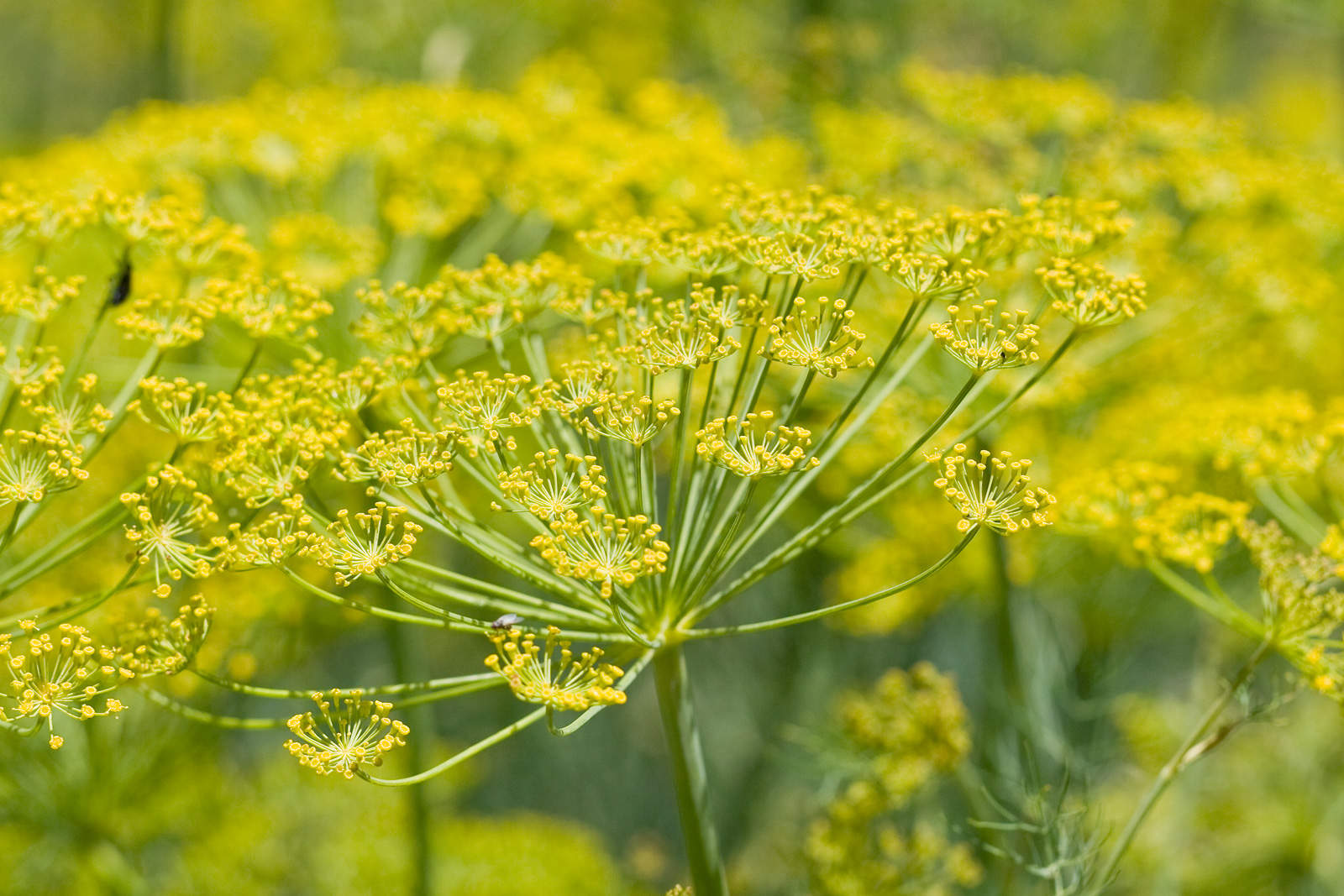
I also can direct where the self sowing occurs. When I notice a lettuce plant is starting to drop seed, I cut off the top and move it to where I want the seeds to grow. This makes for less randomness. Of course, you always want to remove diseased plants and sometimes you’ll get crossing between varieties especially with plants such as tomatoes. You can either live with the surprise seedling or be better about preventing cross pollination.
Learn more about Self Sowing Vegetables here
Watch my video on Self Sowing Vegetables here
Learn more about my Continuous Vegetable Garden Webinar here
How to Grow: Coreopsis
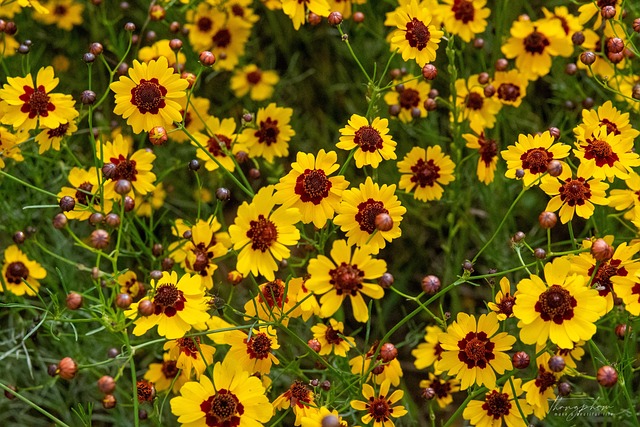
Winter is an exciting time with lots of new varieties coming available. In the perennial flower world, there has been some breeding on a tried and true native perennial; coreopsis or tickseed. Coreopsis traditionally has a yellow, daisy-shaped flower atop a tough prairie plant. But with more breeding, newer varieties are available that expand the color palette without removing the easy to grow nature of this perennial.
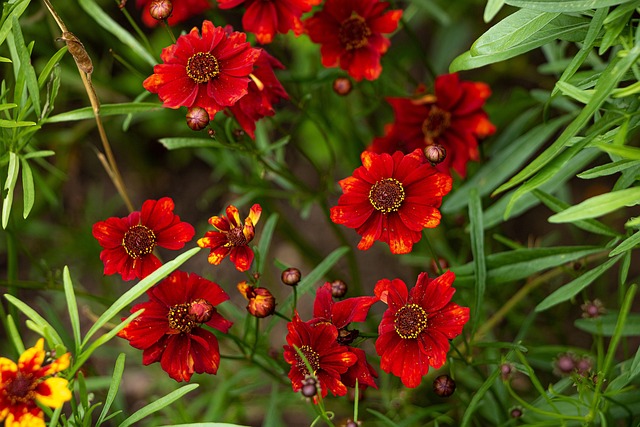
The 1- to 2-foot tall plants produce daisy-like flowers in mid summer. Newer varieties bloom earlier and longer than the species. ‘Creme Caramel’ is a peach and terracotta colored variety that has a yellow center. The colors deepen with cool weather and the plant has the classic thread-like foliage. ‘NOVA® Sunstone’ coreopsis has radiant pink blooms that last into the summer. It’s a more compact coreopsis with a romantic look. ‘Mercury Rising’ coreopsis features 3 inch diameter, velvety red blooms on plants that flower from late spring until fall. And for a big color splash, try ‘Sizzle and Spice™’ Crazy Cayenne coreopsis. This selection has thread-like foliage and vivid orange colored flowers with a hint of yellow. Of course, if you love yellow, the double flowered ‘Early Sunrise’ might be for you.
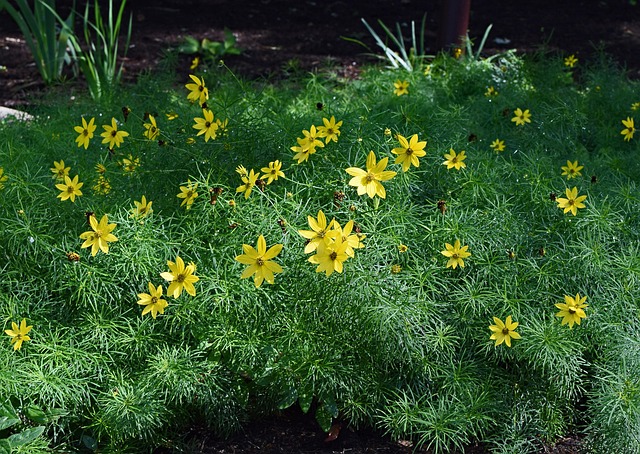
Coreopsis is relatively easy to grow. Give them lots of sun, well-drained soil, and not too much competition from other spreading perennials and they will grace your garden for years. Not only do coreopsis put on a show, they’re deer resistant, a favorite of butterflies, a good cut flower and the goldfinches love eating those “tick” sized seeds on the spent flower heads. We love watching the small songbirds enjoy the coreopsis seed in fall.
Coreopsis grows well near other clumping perennials such as liatris and salvia. The flowers will bloom longer if you deadhead the spent flowers and cut back the plant by 1/3rd after the initial flowering. The flowers will self sow and spread. Of course, hybrid selections won’t come true to seed. Divide plants every 3- to 4-years to create more coreopsis.
Learn more about coreopsis here

Sweet Peas
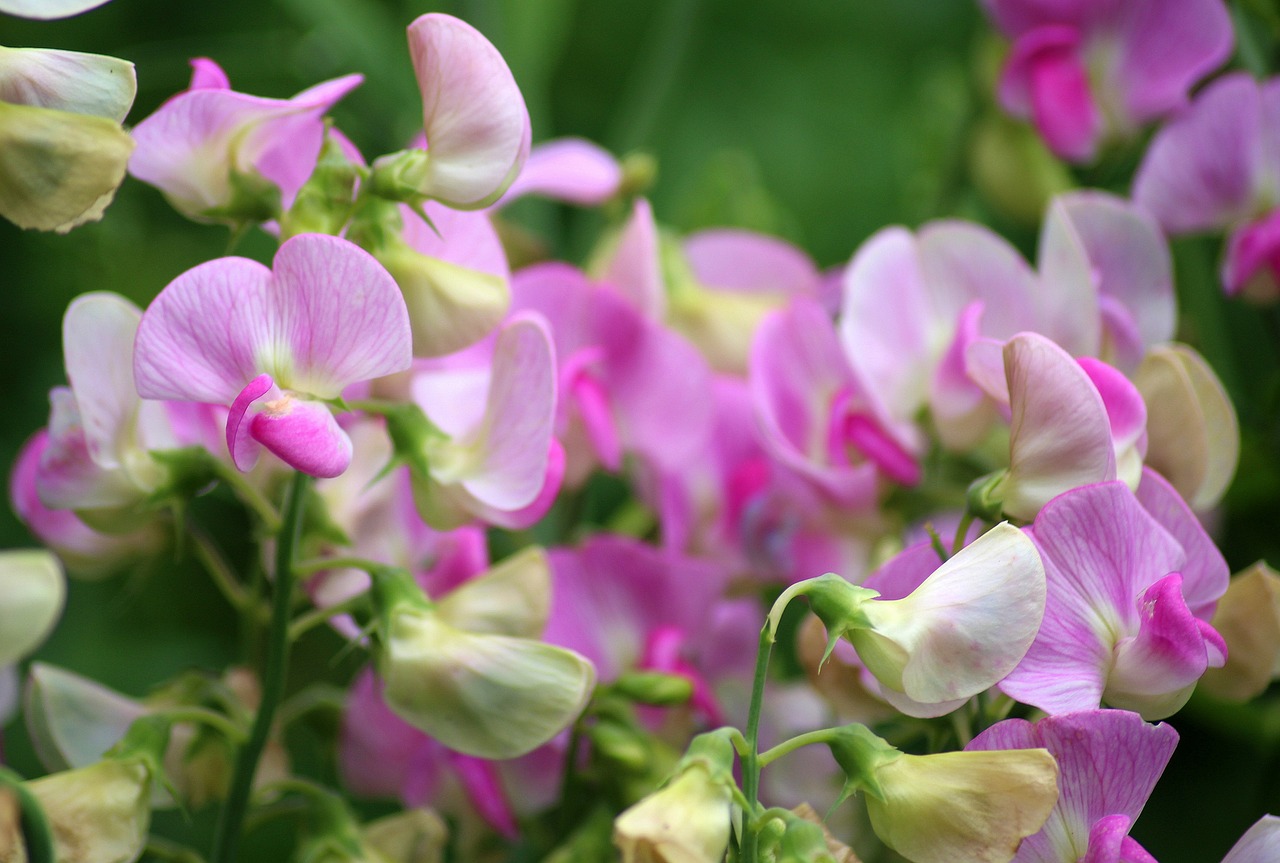
Sweet peas are a delight in an English cottage garden. The ones I’ve seen in bloom in the UK seem to flower all summer. That’s mostly because of the cool, cloudy summer weather they have. But even if you have hot, sunny weather, sweet peas can thrive in your garden if you plant early, select the right varieties and keep them trellised. Sweet pea varieties are usually grouped as old fashioned types and Spencer types. The old fashioned ones have smaller flowers and are best grown on a trellis or even a cluster of branches bent and arranged into the dome shape. Some old fashioned varieties include ‘Cupani’, ‘America’, and ‘Miss Wilmott’. The Spencer types are newer varieties that feature larger flowers that are ruffled. These are best grown as cut flowers. To grow them create a cordon of bamboo poles and trellis the plants up each pole. Pinch the side shoots off, remove the tendrils so they don’t get entangled and attach the main stems to the poles with plant ties. The result is a bigger flower and long straight stem that’s perfect for cutting and arranging. Some good Spencer type varieties include ‘Windsor’, ”Molly Rilstone’, and Beaujolais’. And, of course, there are modern hybrids as well.
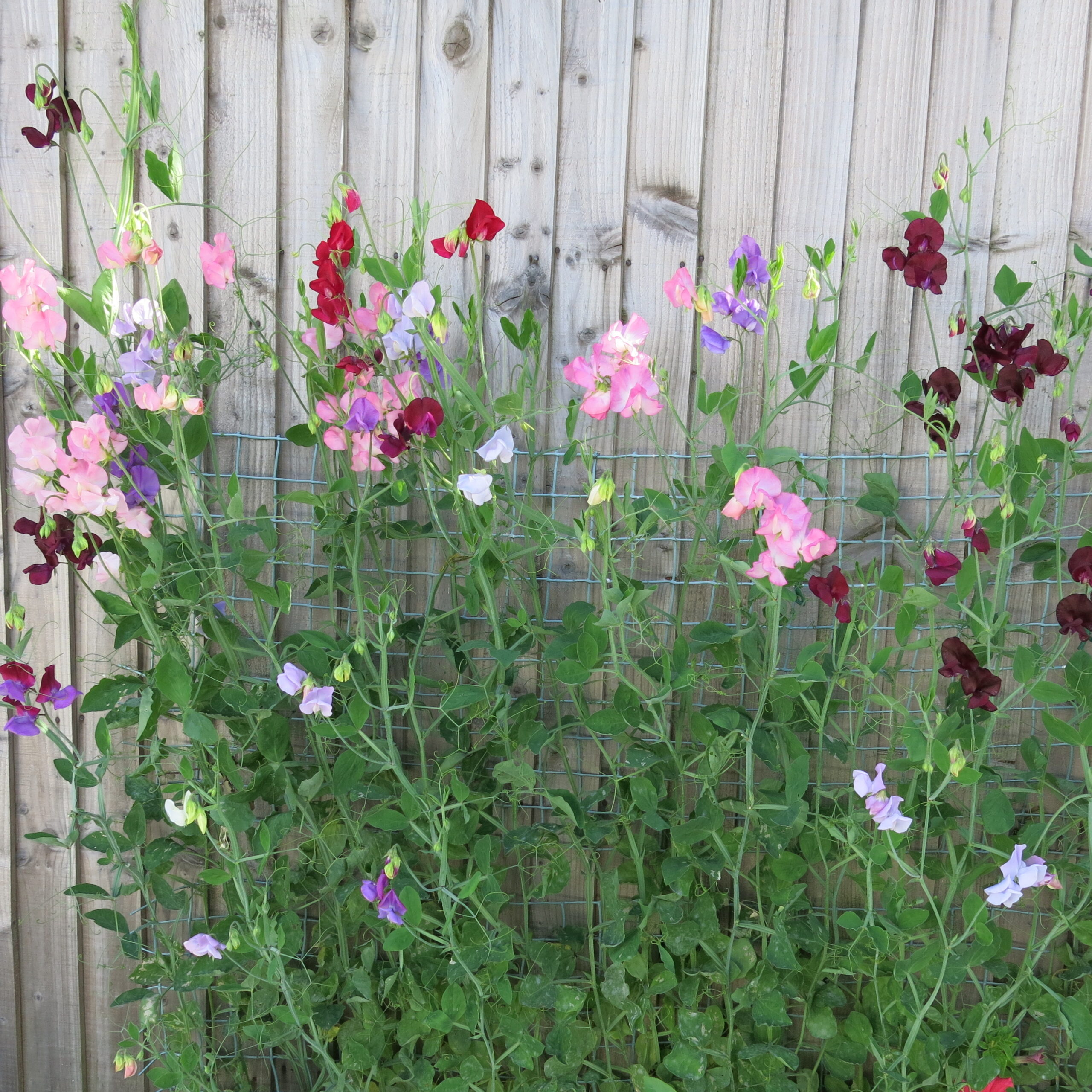
Most sweet peas have an intense fragrance. I like the old fashioned ones the best, but it is a personal choice. Most sweet pea varieties are annuals, except for the wild, perennial sweet pea. These are the ones I’ve grown for years. They’re perennial and self sow. They’re perfect growing up a fence or barrier. The lavender colored flowers bloom mostly all summer in our zone 5 climate. However, they don’t have a fragrance.
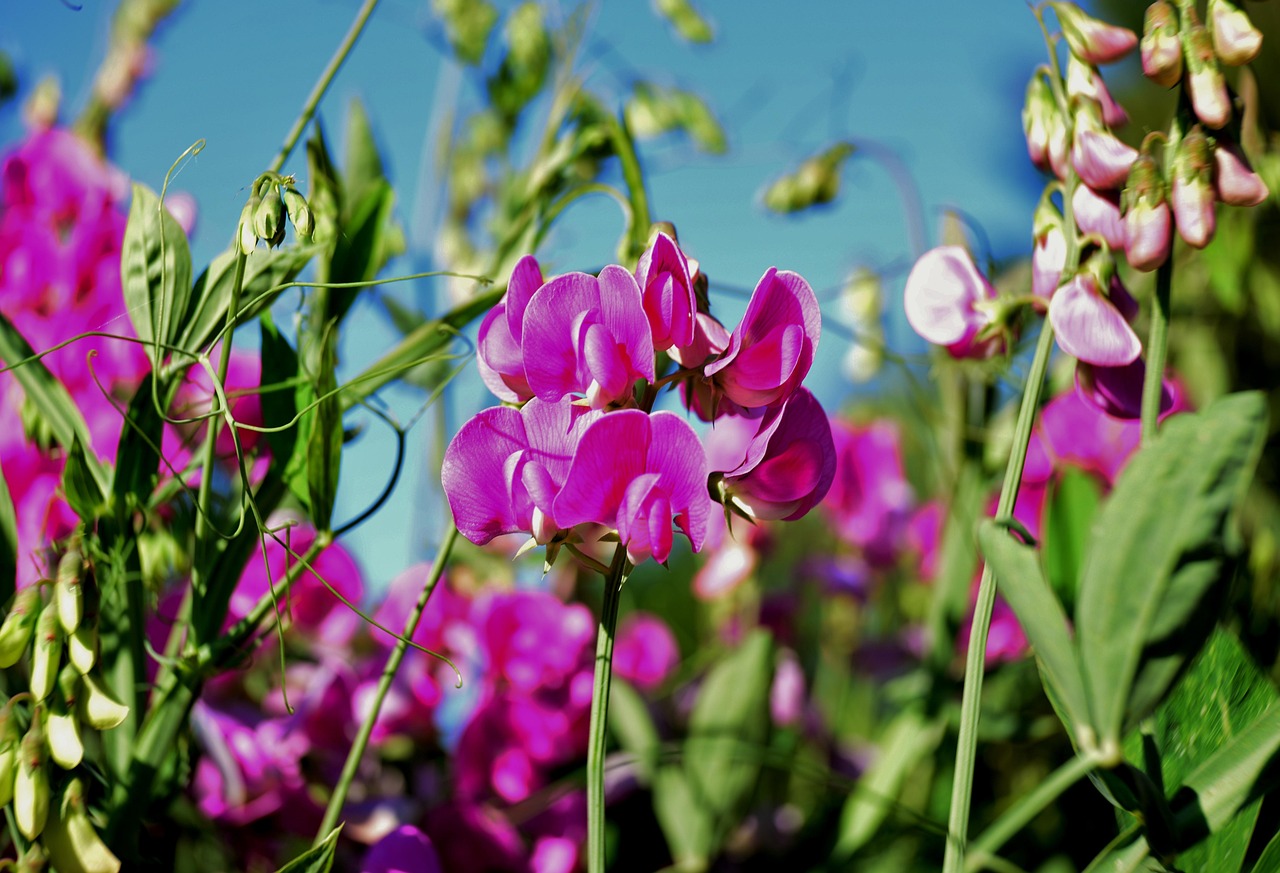
Sweet peas grow and bloom best under cool conditions. Plant them from seed when you’d plant garden peas. Nick and soak the seed overnight before planting to enhance germination. Another technique growers use is to start sweet pea seeds indoors, under lights, in a cool basement. It’s important that the temperatures stay below 50F for best germination and growth. Some growers plant 25 seeds in a 4-inch diameter, deep pot and grow them slowly in a cool location. This allows the peas to develop strong root systems so they’re easier to transplant in spring.
Grow sweet peas in the garden or dwarf varieties in a container. Deadhead spent flowers to encourage more blooms. Space plants further apart to avoid powdery mildew disease and remember not to eat the peas or flowers. They are toxic.
Learn more about Sweet Peas here
In Our Garden: Propagating Houseplants
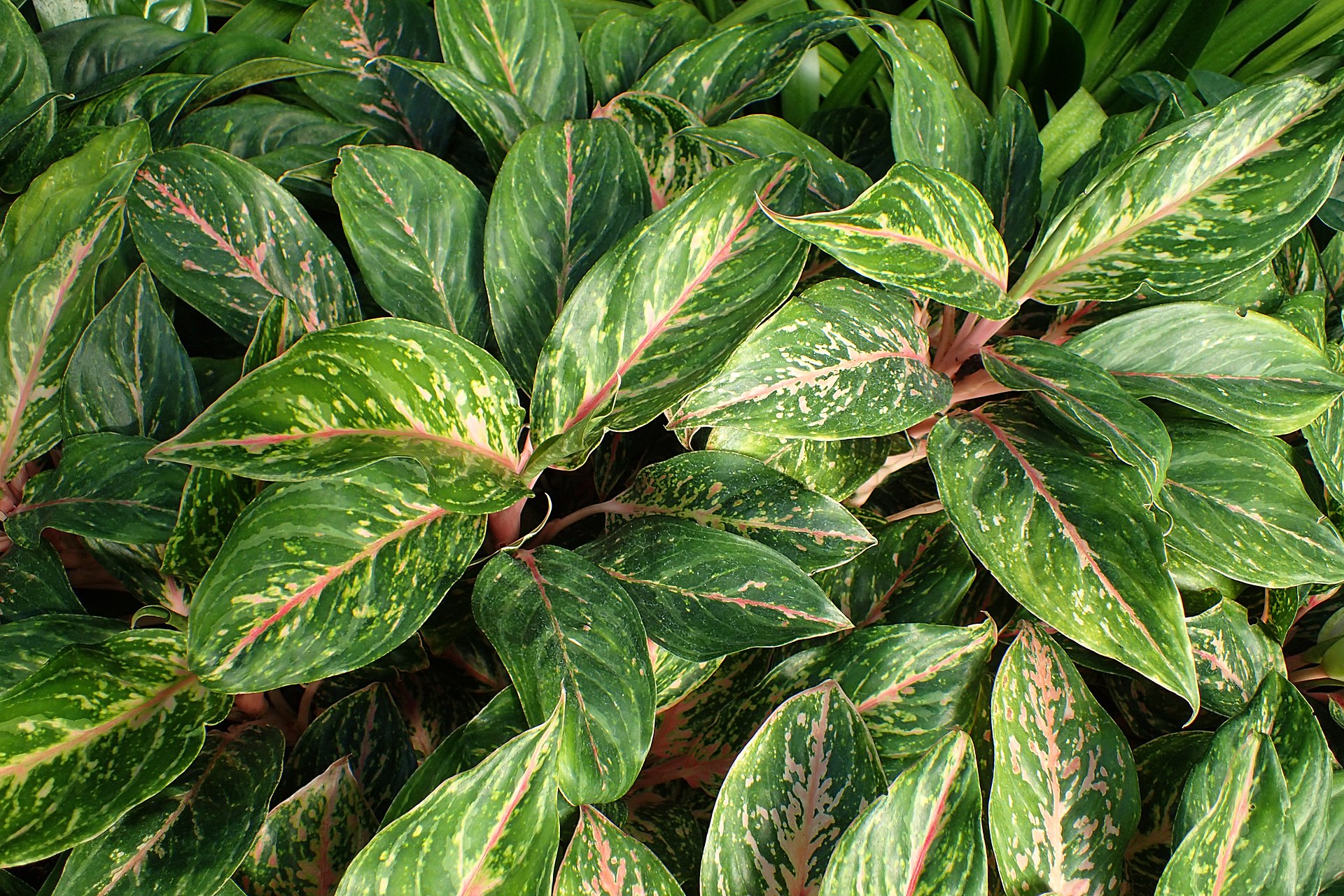
Houseplants are a breath of fresh air this time of year. And sometimes you might love a houseplant so much you’d like more. Instead of having to buy new houseplants, you can propagate them yourself. There are many ways to propagate a houseplant depending on the houseplant. You can take leaf cuttings, petiole cuttings, divisions and even air layering to make new plants. It not only saves you money, you get the exact same plant that you have in your house.
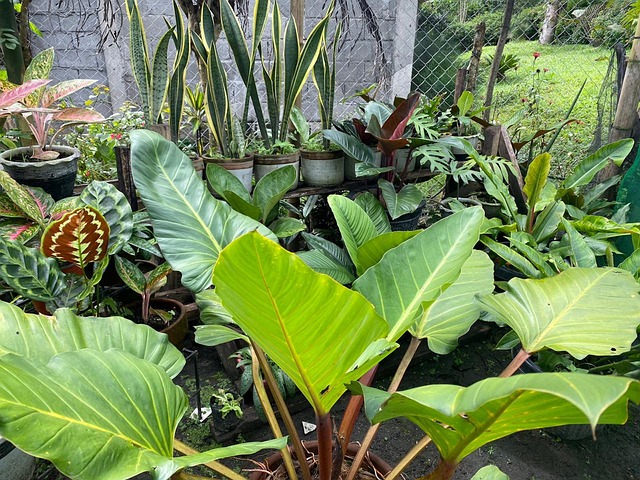
Here’s a method for taking cuttings from houseplants like pothos, spider plants, tradescantia and philodendrons:
- Snip a 4- to 6-inch long cutting just below a set of leaves.
- Remove the bottom set of leaves, then dip the cut end in rooting hormone powder — a fairly inexpensive item found at your local garden center.
- Put the cut stem into a container with moist potting soil. (You can even place several cuttings in the same pot.)
- Put the container in a room with bright, indirect light.
Another propagation method is through division. Some plants, like ZZ plants, aloes, amaryllis, money plants, aglaonema or Chinese evergreen and asparagus fern, are easy to divide in spring, especially if you see a side shoot forming off the mother plant.
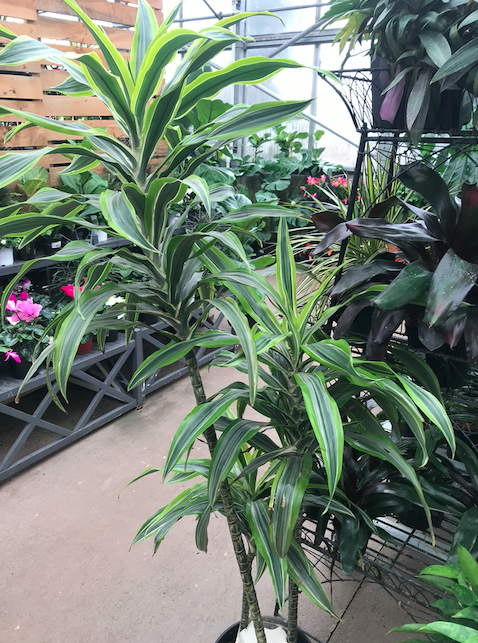
Finally, air layering is a fun technique to use if you’re propagating rubber trees, ficus and dracena plants. Here’s the steps.
- Find a woody branch and choose a spot about a foot or so from the tip.
- Make a small slit with a sharp, clean knife in between two leaf nodes, just breaking the bark.
- Go up an inch or so on the stem and make another slit.
- Peel that piece off so the inner stem is exposed.
- Paint the area with some rooting hormone powder.
- Moisten some sphagnum peat moss and wrap the stem area that you’ve exposed with the moss.
- Cover the ball of moss on the stem with aluminum foil or black plastic and secure it on either end.
After a month or so, you’ll see roots forming. At that point, cut and repot it, and you’ve got yourself a new (and free!) floor plant.