Flower Show Recap, Growing Hollyhocks, Companion Planting, and Tropical Hibiscus
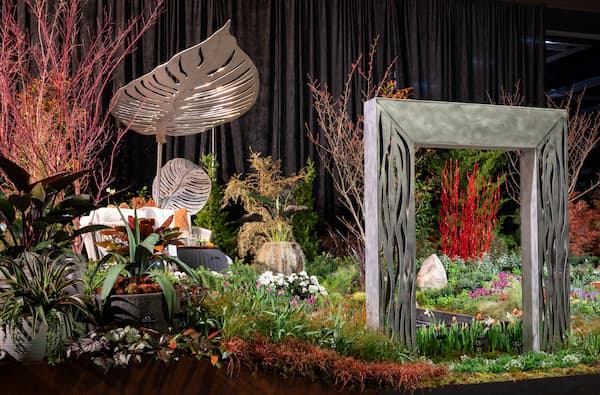
I just returned from speaking at the Northwest Flower and Garden Show in Seattle. It’s one of my favorite flower shows. I has a nice diversity of display gardens, many vendors and and incredible seminar series. There are more than 100 talks over a 5 day period. Some attendees purchase a 5 day pass just to soak up as much of the gardening information as possible. I highlight some of the gardens here in this newsletter.
Hollyhocks are a delightful, biennial garden flower that’s a standard in many English cottage gardens. It can flourish for years if allowed to self sow. This tall plants makes a statement in the back of perennial flower gardens. With new varieties you can even grow it in a container. Learn more about hollyhocks in this newsletter.
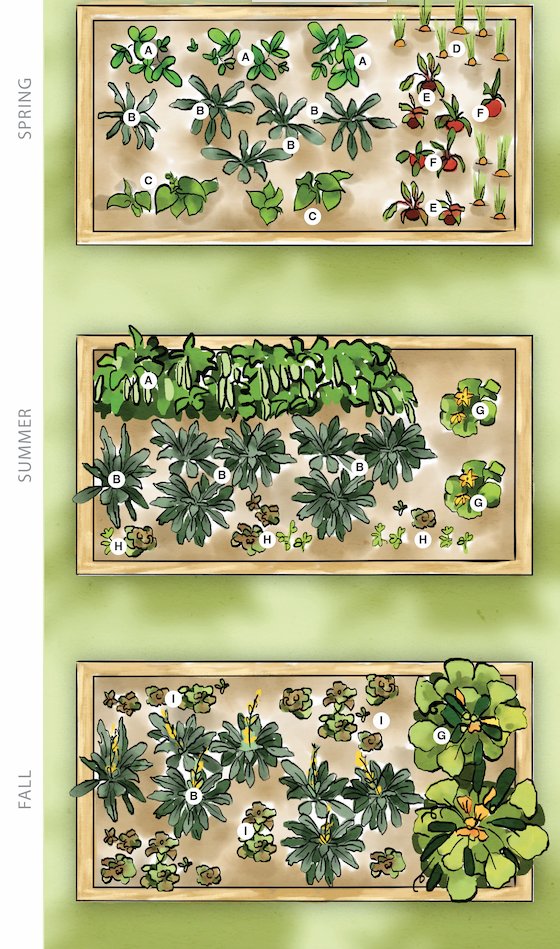
In my new book, The Continuous Vegetable Garden, I talk about the many ways you can have a garden that grows and sows itself. I also offer designs and illustrations that show how you can produce many vegetables in a single garden bed simply by succession planting, interplanting and companion planting. Here, I talk about some of the companion planting combinations that I like to use in our garden. Learn more about companion planting, beyond insect control, here.
Finally, tropical hibiscus are a favorite evergreen shrub of many gardeners in the warm parts of Florida, Texas, Hawaii, Arizona and California. But, also many gardeners in colder climates grow it as a houseplant in winter and move it outdoors in spring. If done properly, their tropical hibiscus will recover from the low light levels indoors, to flourish outdoors in the summer sun. Learn more about growing the tropical hibiscus outdoors in any climate in this newsletter.
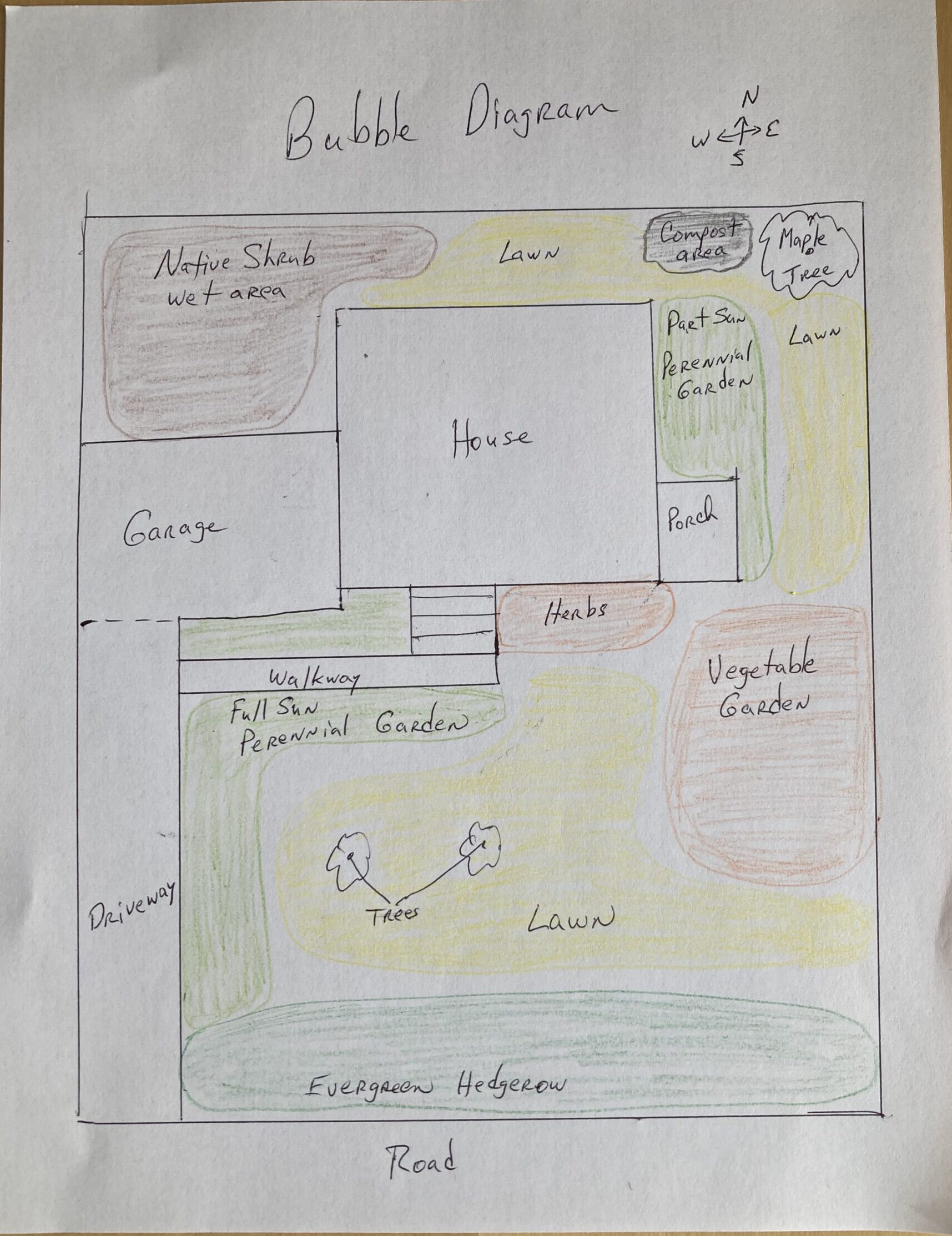
Do you want to learn more about garden design? In my monthly garden blog I write for Proven Winners called What’s Up North, this month I talk about designing your new garden or bed. I do it by using a Bubble Diagram. You don’t have to be a landscape designer to make a simple sketch that will help you think through what plants will go where in your garden. Check out my blog on Design a New Garden with Bubble Diagrams, here.
Until next time I’ll be seeing you, in the garden.
Charlie
Where to Find Charlie: (podcasts, TV and in-person)
- In the Garden (WCAX-TV CBS) – This week: Tropical Plants in Garden
- All Things Gardening on Vt Public Radio– This week: Unusual Houseplants
- WJOY In The Garden Podcast– This week: Care and feeding of holiday plants including the many Poinsettia varietals, Christmas Cactus, houseplants and pests, and fall pruning tips
- Where’s Charlie Speaking? 3/17/26: Sasqua Garden Club, Fairfield, CT
Flower Show Recap
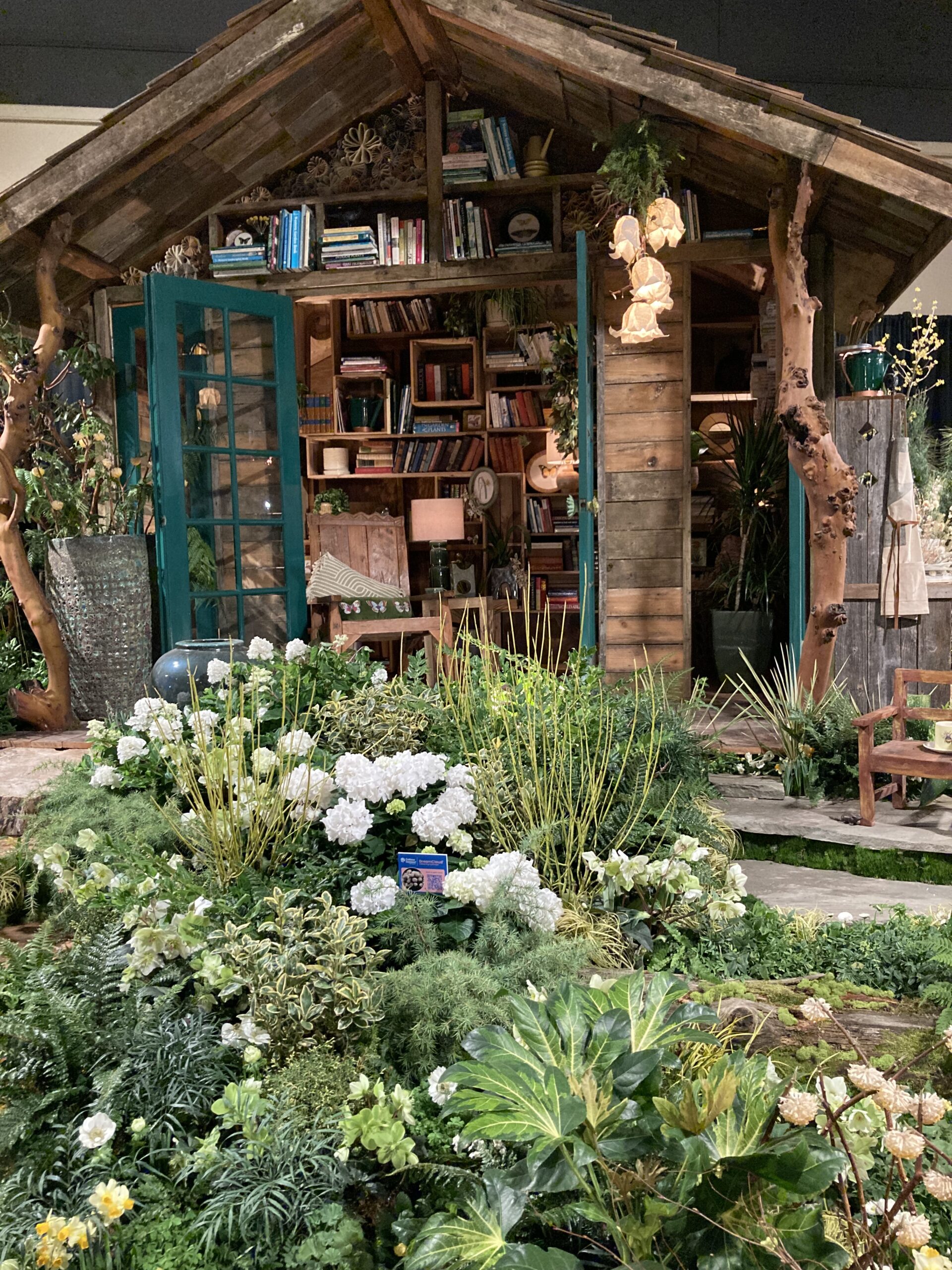
The Northwest Flower and Garden Show is a treat. I’ve been speaking at this show for more than 15 years (sponsored by Velcro.com) and I enjoy going every year. While many flower shows have gone under over the years, the Seattle show keeps shining. It has as good blend of beautiful and inspirational display gardens, many garden vendors and a great seminar series. This year i spoke on Container Gardening, my new book, The Continuous Vegetable Garden, and I did a DIY talk on Pruning. The rooms were packed and the audiences were very inquisitive and engaging.
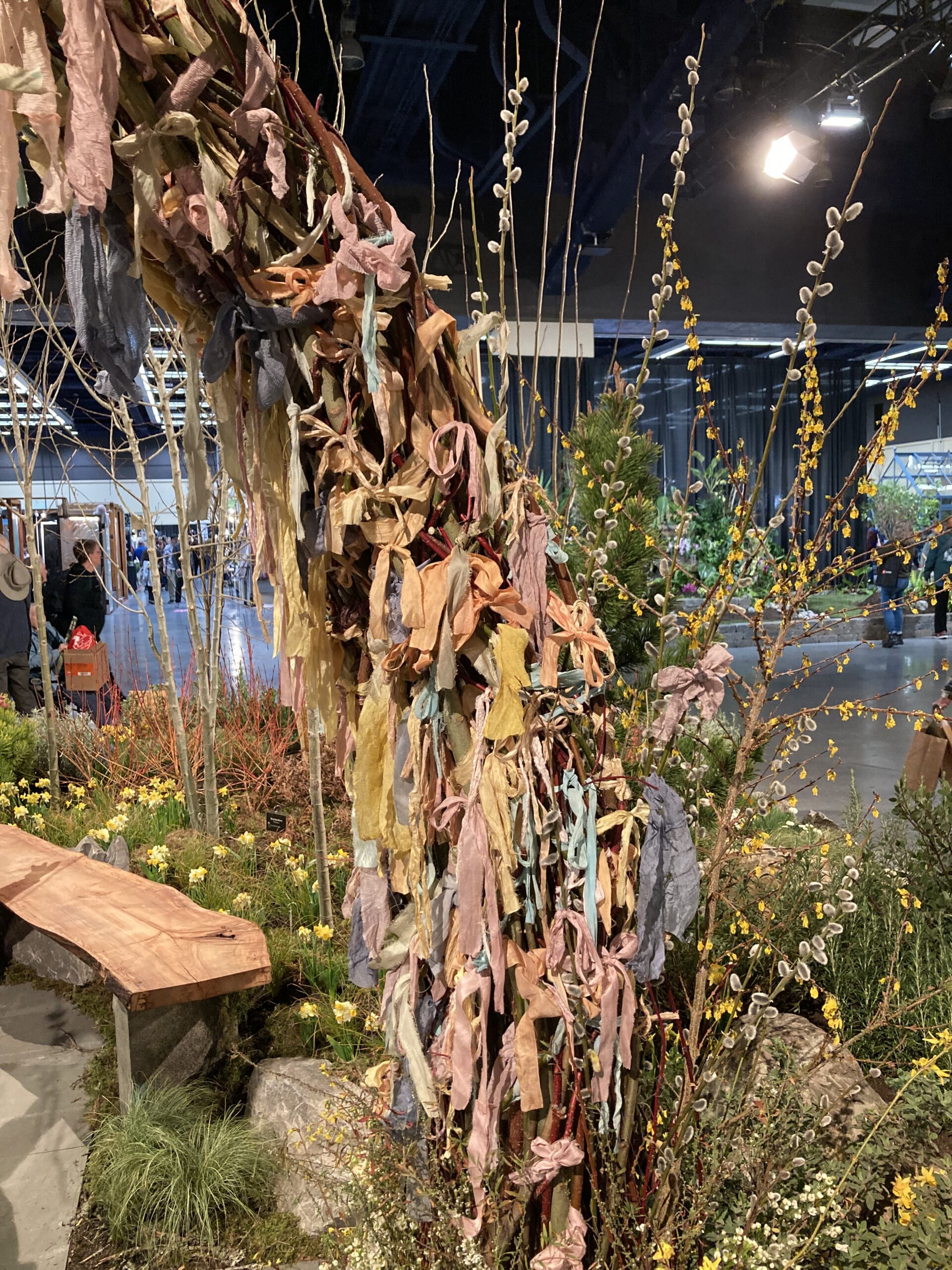
The display gardens did not disappoint. This year the use of elements beyond plants was really striking. There was a dyers gardens that featured many dye plants and strips of cloth than had been dyed a variety of colors. Attendees were invited to take the cloth strips and decorate the arches in the garden with them. There also was a large panel decorated with dyed fabrics in the garden.
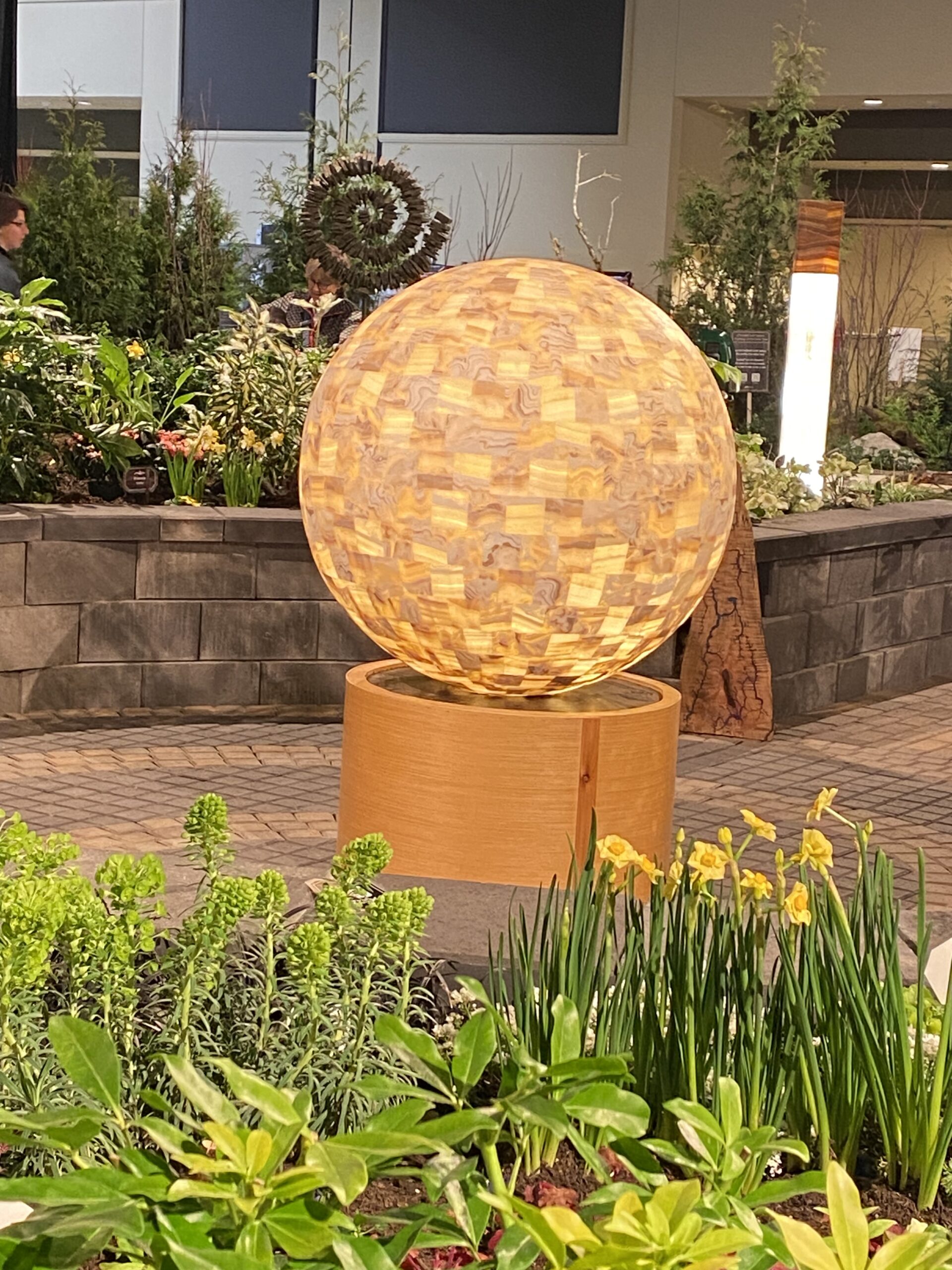
There were gardens with water features to add soothing sounds to the displays and many gardens with unusual light features. One had an orb glowing in a very dense bamboo garden. Another large, round, carved, metal feature had an eerie glowing light in the bottom. There was even a fake fire in a pit, as if your were in the woods camping.
Of course, there were plenty of flowering bulbs, shrubs and perennials to fill out the gardens. The themes ranged from rock gardens to a homestead filled with books. All of themes were a delight and an inspiration, especially with the long winter we’ve had in Vermont this year.
Although the flower shows season is winding down, remember to check out a regional show near you next year for a taste of spring in winter.
Go here for more on the Northwest Flower and Garden Show
How to Grow: Hollyhocks

Hollyhocks are traditional flowers often found in cottage gardens. England is known for their hollyhocks and there are many from that country we grow here. Hollyhocks have hibiscus-like, large flowers that bloom in summer. What I like about hollyhocks is their height in the back of a garden and their ability to self sow, coming back year after year in your landscape. They need to self sow because hollyhocks are biennials. This means after the flower stalk dies this year, is doesn’t come back. But it will drop seeds that will germinate in fall and become the flower stalks for next year. This tendency makes it popular in many gardens as they can spread around the garden over time.
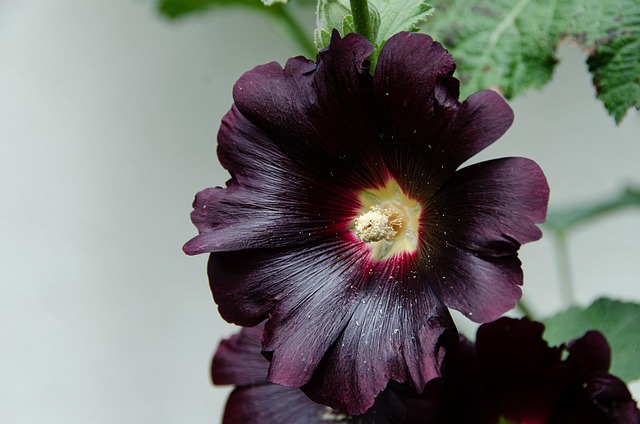
There are many varieties of hollyhocks to choose from that come in a range of colors. Certainly growing them from seed is the simplest and cheapest way to have a bunch of hollyhocks ‘Chaters Double Mix’ is an old English variety that features 5- to 7- feet tall flower stalks with double flowers in a range of colors from yellow to burgundy. The flowers self sow readily. Of course, you can also purchase plants, too. ‘Creme de Cassis’ has large raspberry and white flowers. ‘Mars Magic’ is a single, red hollyhock that acts more like a perennial, coming back for a number of years. ‘Queeny Purple’ is an unusual selection because it only grows 2 feet tall with double, ruffled, purple flowers. It’s a great plant for a container.
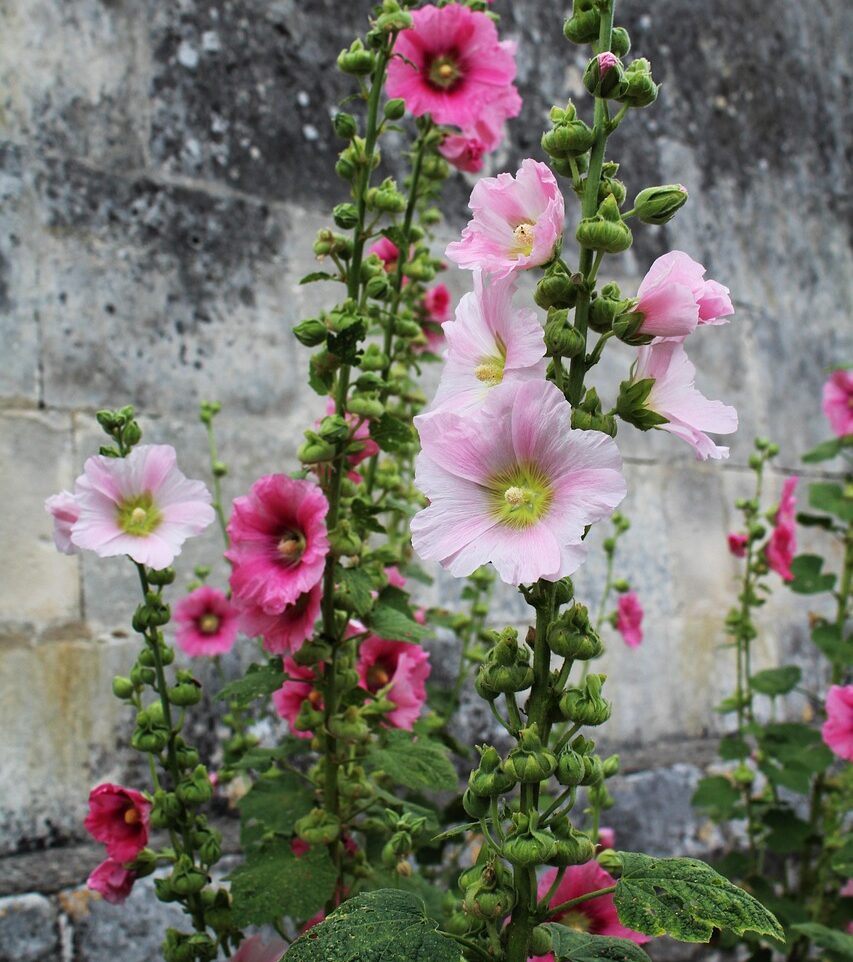
Grow hollyhocks in full sun on well-drained soil to get the best crop. Sow seeds in early spring or plants after the last frost date. Hollyhocks look great planted against walls, buildings and fences to highlight their tall nature. Space plants 2 feet apart in spring once the self sown seedlings start to grow. To reduce disease, cut back flower stalks after flowering, but leave a few to self sow. Open pollinated varieties tend to come true to seed, but hybrids will not. Hollyhocks can get a rust disease on their leaves. Reduce this disease by planting away from a roof line that drips water and mulching under the plants. Japanese beetles love hollyhocks. Here are some control ideas for this pest.
Learn more about hollyhocks here

How to Grow: Companion Planting
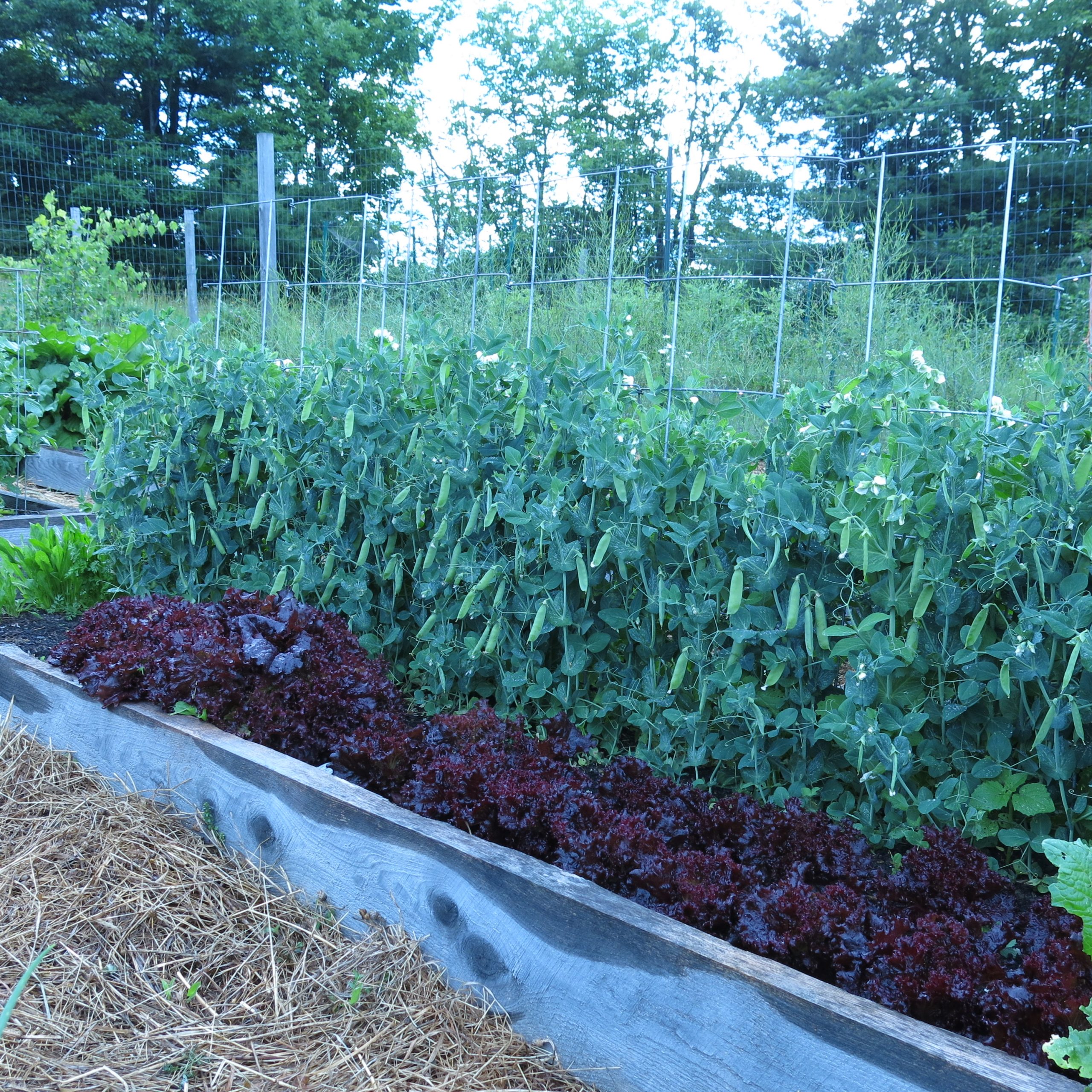
In my new book, The Continuous Vegetable Garden, I talk about ways to produce more food from a smaller space. One of the techniques I use is companion planting. Most gardeners are familiar with companion planting to control or ward off certain insect pests. But there is more to companion planting than insect controls. You can companion plant vegetables, herbs and flowers so they better share a space, share nutrients and conserve water. Plus, you can save time and money by getting multiple crops per bed with less weeding. Here are some ideas.

Plant vegetables that can share a space together without competing. Plant vining versions of zucchinis and summer squash vertically so you can plant greens and other quick maturing plants under them. There are even small fruited varieties of winter squash that can be planted this way. Plant vegetablse and flowers that have compatible root systems. For example, plant shallow rooted lettuce or arugula with deeper rooted parsnips and carrots. Each root system will get their nutrients from different levels in the soil, not competing with each other. Asparagus and strawberries are another good example.
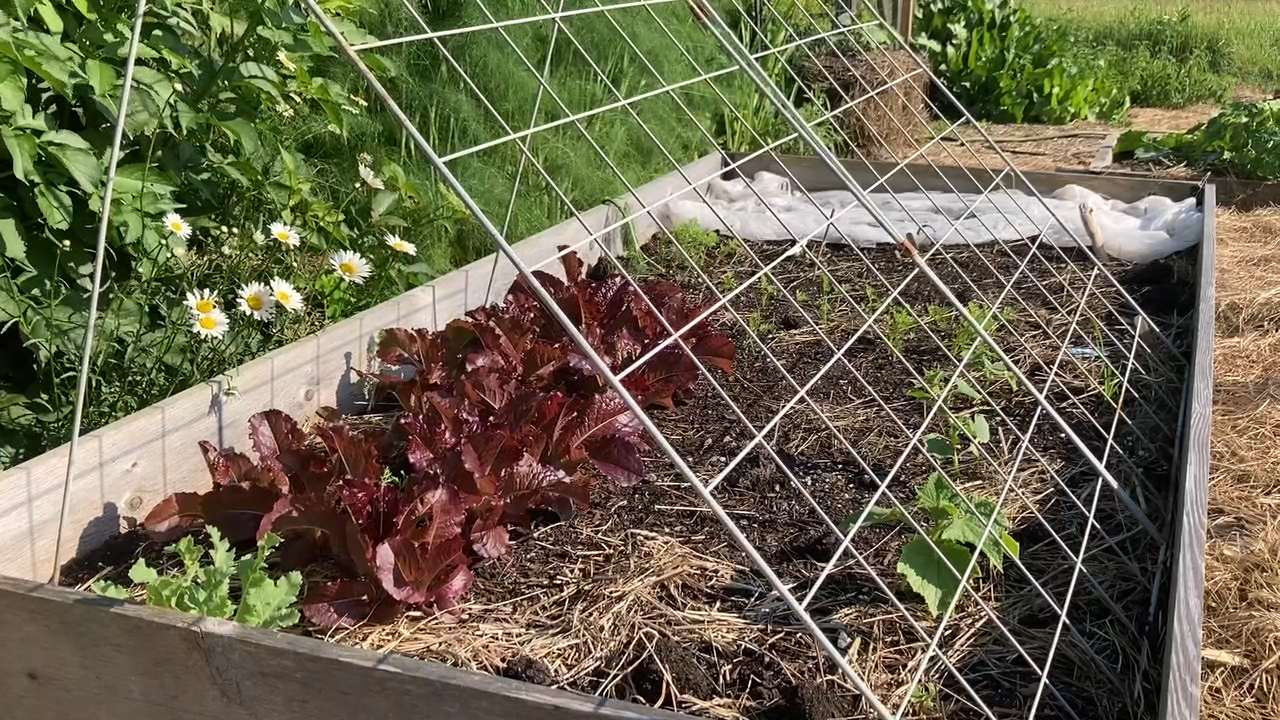
You can feed your plants by growing legumes with other vegetables as well. Try growing peas with greens, such as Swiss chard, spinach and lettuce, near by. The peas fix nitrogen from the atmosphere and release it into the soil for other plants to use. We often grow bush beans with kale sown between the rows. The bush beans grow and mature in summer. The kale simply limps along until the beans are finished. Then we chop and drop the bean plants allowing the kale to explode in growth for fall. We also interplant leafy greens around slow to grow plants such as tomatoes and eggplants or under a cucumber trellis. The greens mature before the tomatoes, cucumbers and eggplants get big enough to crowd them out. The greens stop weeds from growing and conserve moisture when they eventually die back.
Learn more and Watch My Video about Companion Planting here
In Our Garden: Tropical Hibiscus
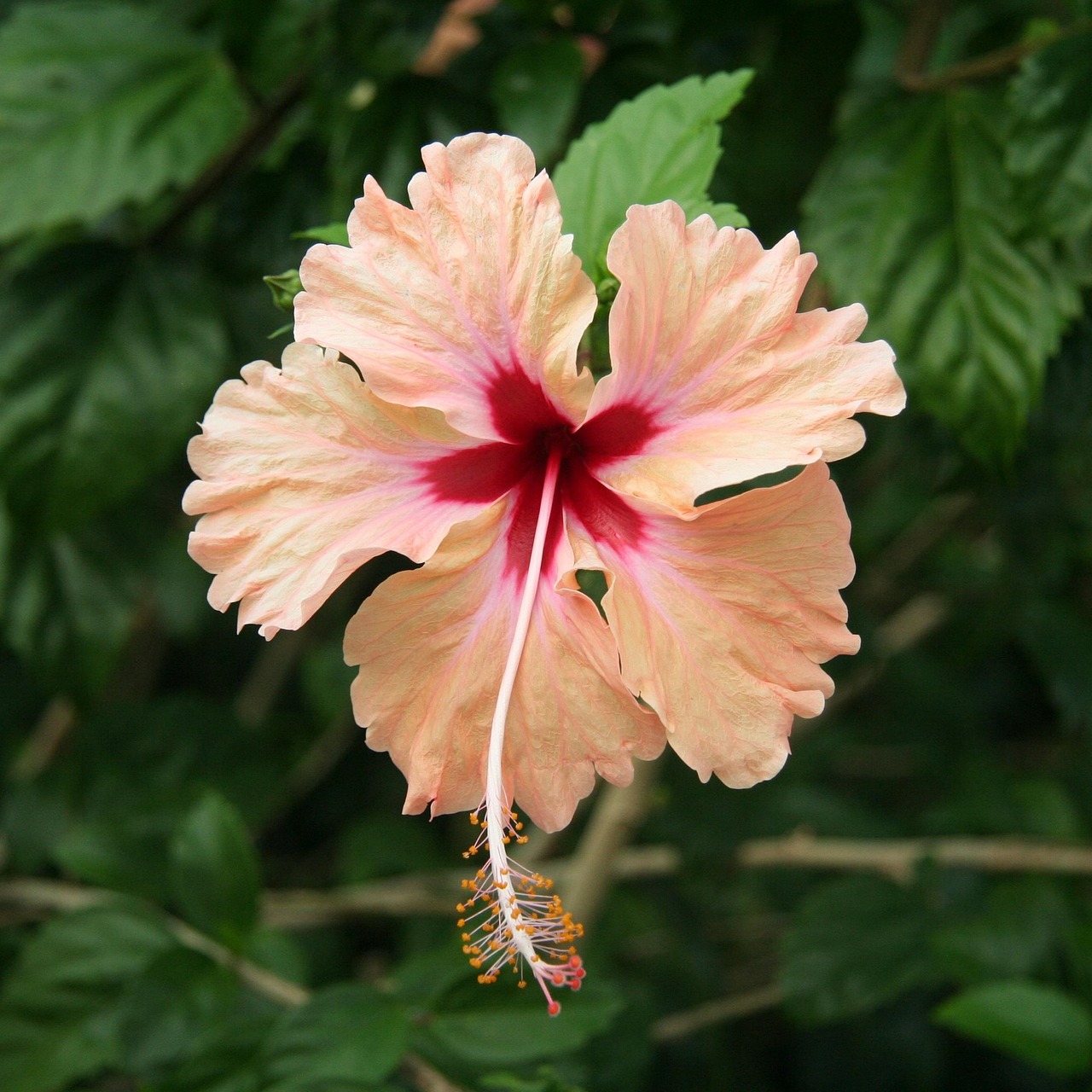
Many gardeners head South for the winter to get a taste of spring or summer weather. They often encounter a popular flowering shrub that blooms almost year round in the South. The tropical hibiscus has large, beautifully colored flowers on a large shrubs that is a landscape feature in Southern gardens. In the North, this plants won’t survive the winter, but can be brought indoors to survive the winter and then returned to the yard in spring. These plants are not to be confused with hardy hibiscus. Hardy hibiscus are herbaceous perennials that die back to the ground every fall in zones 5 to 8 gardens. Hardy hibiscus series, such as ‘Luna Rose’ feature large flowers just in late summer and fall.
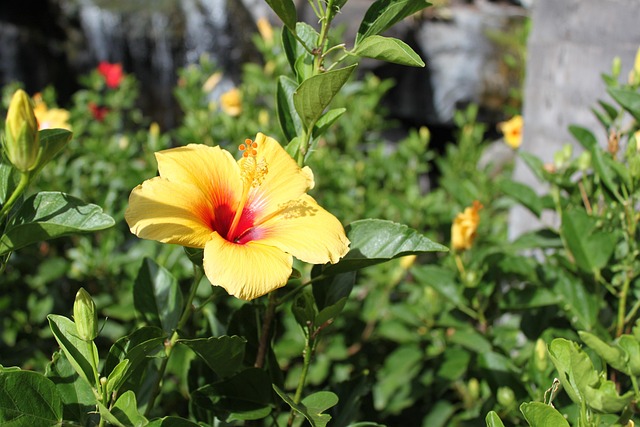
Tropical hibiscus shrubs can grow 10- to 15-feet tall and wide in a warm climate. You’ll often see them pruned severely to keep them in check. This pruning doesn’t stop their flowering, though. Tropical hibiscus flowers on new growth so the more you prune, the more new growth forms and more flowers you’ll get. Prune in spring to stimulate the new growth. Tropical hibiscus like a well-drained, sunny location and thrive on extra water when it’s dry. Left in their natural shape, they make good partners in the South with cordyline, plumbago, and bougainvillea.
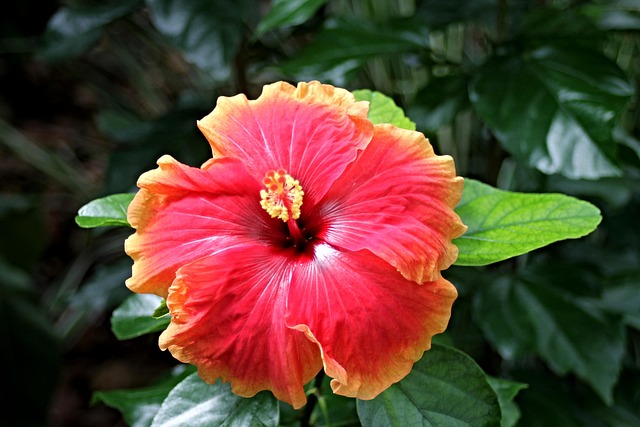
In the North, tropical hibiscus are best grown in large pots that can be moved indoors in fall. When temperatures dip into the 40Fs in fall, move your plant inside for winter. Outdoors in summer, they grow best in a warm microclimate in full sun. Keep well watered. In winter, unless you have grow lights, the leaves will probably yellow and drop. Watch for insects on the leaves, such as spider mites and mealybugs, and control them so they don’t harm the plant. The leaves dropping is okay because as long as the plant survives the winter indoors, it will leaf out in spring, once it goes outdoors. It will flower in late summer.