Last Call for Webinar Sale, Holiday Plant Care, Growing Microgreens Indoors and My New Book
The holidays are continuing and the end of December is coming closer. New Year’s will be here before you know it! That means New Year’s resolutions, new habits and the end of my annual Gardening Webinar Sale. If you haven’t taken advantage of my sale yet, read more below about the different webinar packages and how to save lots of money. The sale will end on Friday.
With the holidays you might have received many holiday gift plants. Poinsettias, holiday cactus, amaryllis and many other houseplants are traditional gifts this time of year. But not all of these gifts are best kept as houseplants year round. Read more about which are the best holiday plants to keep, and the best to compost, when thinking of them as houseplants.

Now is a good time to also get ready to start growing some of your own food. You don’t have to wait until spring. Microgreens can be grown indoors under lights or in a bright window to yield tasty greens that are fresh and nutritious. Learn more about growing microgreens indoors here.
One of my holiday gifts was the arrival of an advanced copy of my new gardening book, The Continuous Vegetable Garden. I’m really excited the book will be out soon (February) and I’ll be sharing more information about the book in future newsletters. For now, watch my short video about the book’s arrival and learn more about how to create a continuous vegetable garden in this newsletter.

Also, remember to check my monthly garden blog I write for Proven Winners called What’s Up North. The December blog talks all about creating structure in your garden by growing evergreens. When designing a new garden or renovating an old one, first consider adding some evergreens to create a structure that other plants can be grouped around. Evergreens are important for a Northern garden because we can have up to 6 months of no leaves and flowers on deciduous plants in many places. Evergreens create the bones in the garden, are good for wildlife and attractive in the landscape. Check out my blog on which evergreens are best for a small space yard here.
Until next time I’ll be seeing you, in the garden.
Charlie
Where to Find Charlie: (podcasts, TV and in-person)
- In the Garden (WCAX-TV CBS) – This week: Caring for Houseplant Ferns
- All Things Gardening on Vt Public Radio– This week: Caring for Large Houseplants
- WJOY In The Garden Podcast– This week: Care and feeding of holiday plants including the many Poinsettia varietals, Christmas Cactus, houseplants and pests, and fall pruning tips
- Where’s Charlie Speaking? 2/12/26: Stowe Vermont Library- Vegetable Gardening
Last Call: End of Year Webinar Sale
First of all, thank you to all my loyal readers who purchased an end of year Gardening Webinar Package. I appreciate your support and I know you’ll learn lots watching the webinars this winter. For those who missed the sale, there’s good news. It’s not over! The Gardening Webinar sale goes until Friday (1/2/26), so there’s still time to purchase one of my gardening webinar packages at a greatly reduced rate compared to the every day prices. But, the sale packages will only stay active until Friday, so you have to act soon.
Here are the packages.
Organic Food Gardening Webinar Sale Package
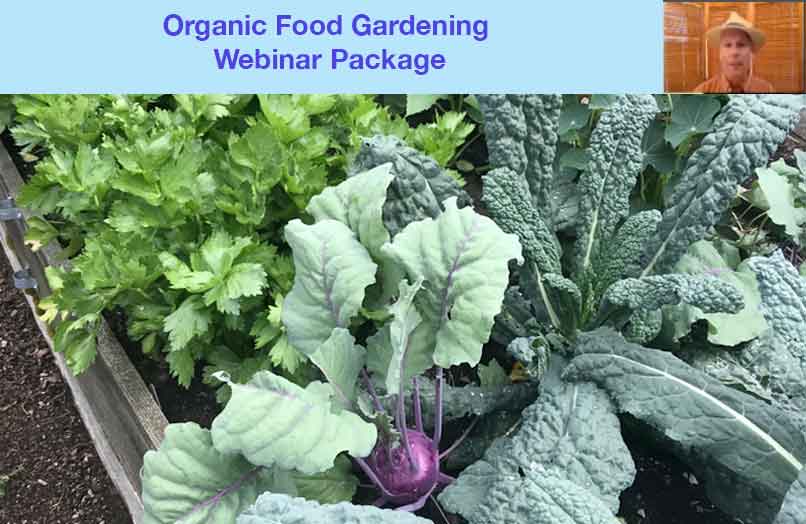
One of my most popular packages is the Organic Food Gardening Package. This package features 7 food gardening related webinars including Ecological Gardening and Companion Planting, No Dig Gardening and Raised Beds, Foodscaping/Edible Landscaping, Organic Pest Controls, Soils and Mulches, All About Berries and Small Space Vegetable Gardening. The price is $39.99. That’s a $40 saving from if you purchased the webinars individually.
All About Flowering Gardening Webinar Sale Package

Everyone loves flower gardening and there’s so many ways to incorporate flowering perennials, shrubs and trees into your landscape. This package features 10 flower related gardening webinars which include Grow a Pollinator Garden, Container Gardening Revolution, Gardening for the Birds, Pruning Trees and Shrubs, Natives, Invasives and Weeds, Growing Flowering Vines, Lilacs and Hydrangeas, Plants for Problem Places, All about Houseplants, and Growing Summer Bulbs. The price is $59.99 for the 10 webinars. That’s one-half the usual price from if you purchased the webinars individually.
Learn more and purchase The All About Flowering Gardening Webinar Package here
Whole Gardening Webinar Library Sale Package

If you really love webinars and want to watch a bunch of them this winter, there’s always the Whole Gardening Webinar Library Package. This is all 21 webinars including the latest ones. You don’t have to watch them all at once. Once you purchase any of these packages, you have the links forever. The price for the Whole Gardening Webinar Library Package is $149.99. That’s a $100 saving from if you purchased the webinars individually.
Learn more and purchase The Whole Gardening Webinar Library Sale Package here
How to Grow: Holiday Plant Care
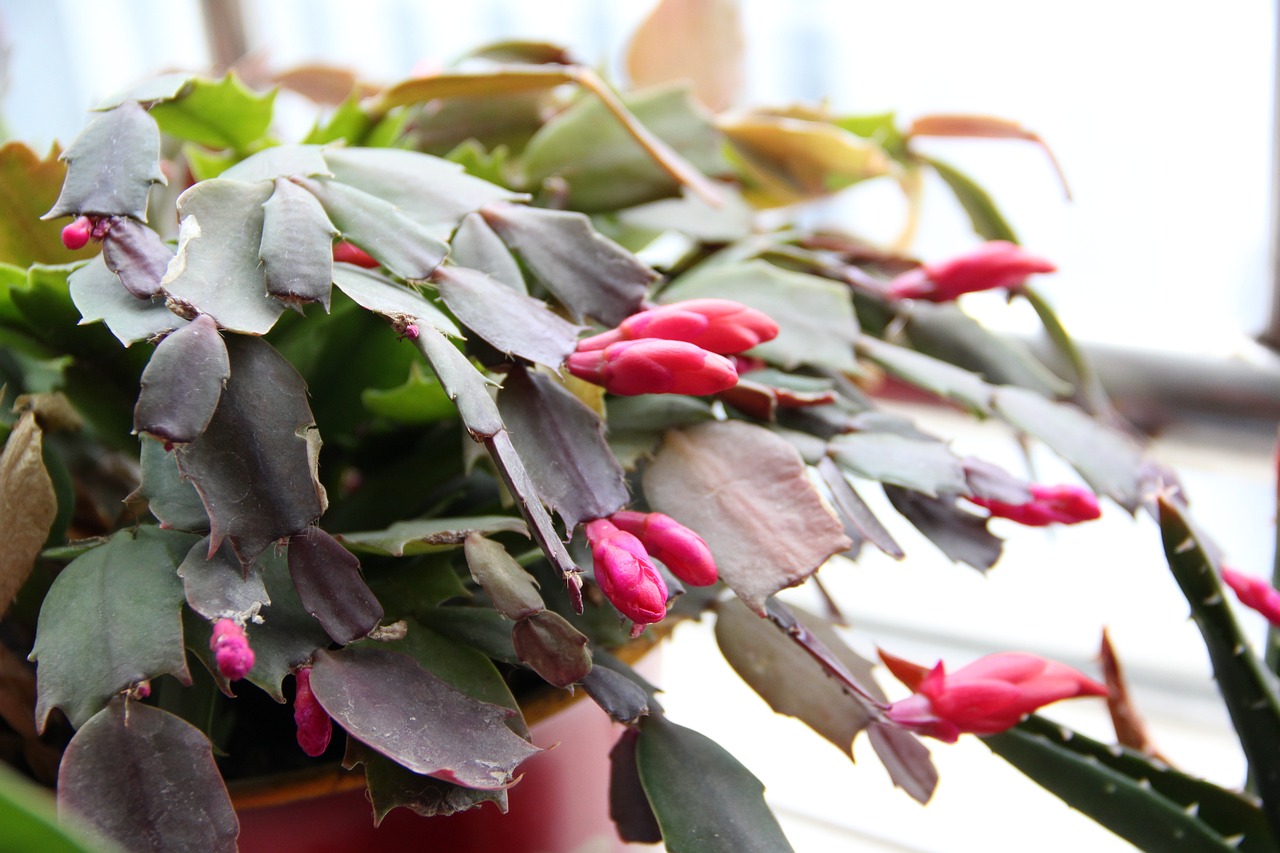
Many people are already cleaning up and removing their holiday decorations. We like to keep ours up a little while longer to enjoy the bright lights of the season. But many people are wondering about the holiday plants they purchased or that were given to them. They wonder which ones should they keep and which ones are really not that easy to grow indoors and should be composted. Let me help with this simple guide on caring for holiday plants.
Let’s start with the keepers. Holiday cactus, amaryllis and cyclamen are probably the most common keepers you’ll find in your home. Of course, depending on where you live, rosemary, lavender and lemon cypress could not only be keepers, but can also be planted outdoors in spring. But for this newsletter let’s stick with growing holiday plants as houseplants. Holiday cactus are probably the easiest of this group to get to flower again. Place the cactus in a brightly lit room, but out of direct sunlight or the leaves will burn. Water sparingly this time of year, but more from spring until fall when the plant is actively growing. To get flowering, in fall place the cactus in a cool room that stays dark all night without outdoor or indoor lights. The cool temperatures and darkness will stimulate flower bud initiation. Once you have flower buds, move the plant to a bright room and enjoy the flowers.

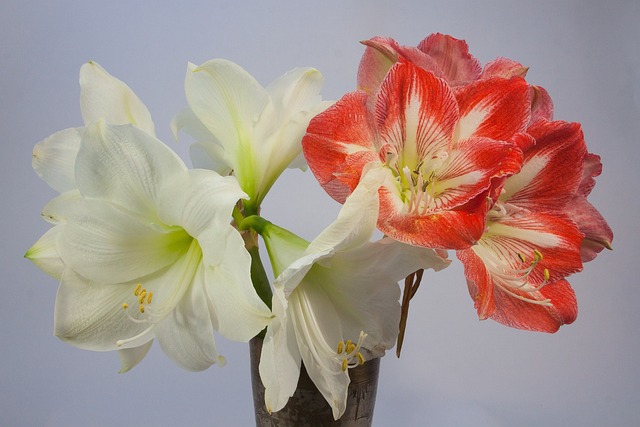
Amaryllis also can be coaxed back into the flower next year. After the flowers fade, cut back the flower stalk, but leave the leaves. Grow it indoors in a bright lit room all winter. In spring move the plant outdoors to a morning light area, and keep well watered and fertilized monthly. Come October, cut back the foliage, stop watering and place the pot and bulb in a cool, dark basement or room for 2 months. After that, bring it back into a warm, sunny room and you should get a flower stalk or two forming for next year’s holidays.
Cyclamen will keep flowering indoors for months. Enjoy them and then in early summer let them stop flowering, cut back the whole plant to the ground and place it in a cool, dark room for a few months. Summer is their natural dormant period. In fall, bring it back into a sunny warm room to start growing and it will flower again.
Other holiday plants such as poinsettia, florist hydrangea and azalea, and kalanchoe will take a lot of care to get them to reflower next year. Just enjoy the plants as they flower this winter, then compost them when you’re finished with them.
Learn more about Holiday Plant Care here

How to Grow: Microgreens
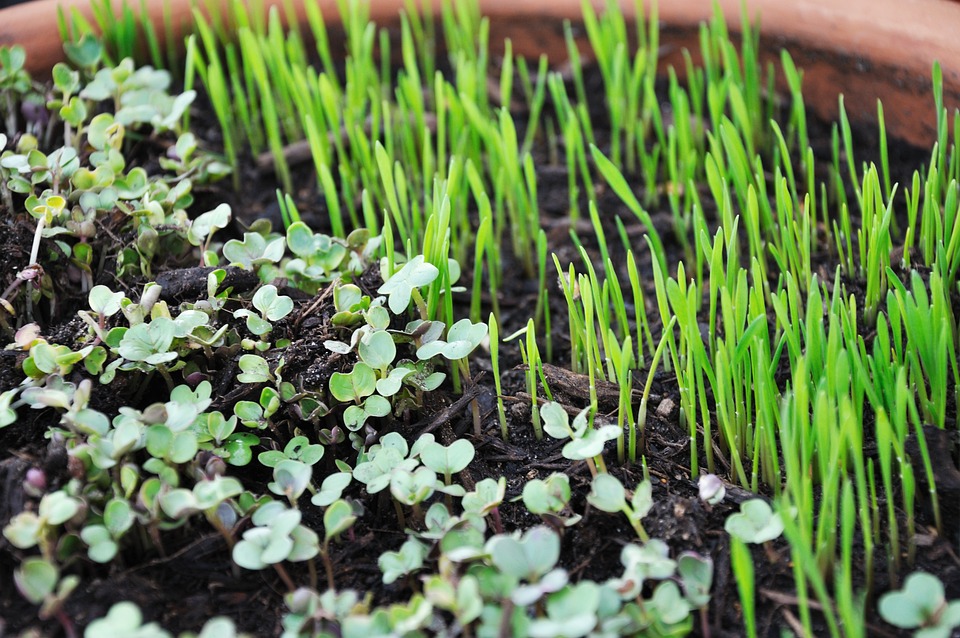
In the North, winter is hard if you’re looking for fresh, tasty greens. Grocery stores do their best bringing greens in year round, but often in winter the greens have traveled thousands of miles to your store and aren’t so fresh. The solution is to grow some of your own greens, even in mid winter. Microgreens are a popular item in grocery stores, but you can grow them yourself without a lot of work. Microgreens are basically baby greens that are harvested once the true leaves form. They’re loaded with nutrients and very tasty. Add them to salads, soups and stir fries.
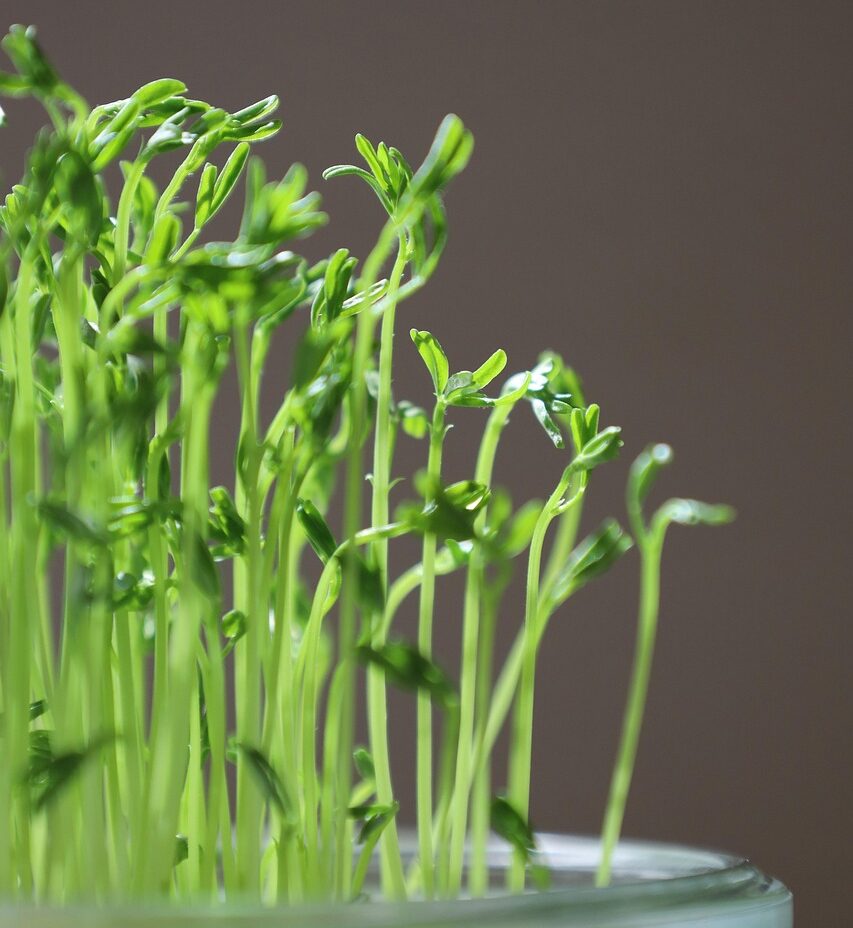
There are a number of greens that are traditionally grown as microgreens. They include lettuce, spinach, arugula, mustard, sunflower, pea, Swiss chard, beets, kale, cabbage, basil and dill. You can buy seeds individually or purchase pre-made mixes.
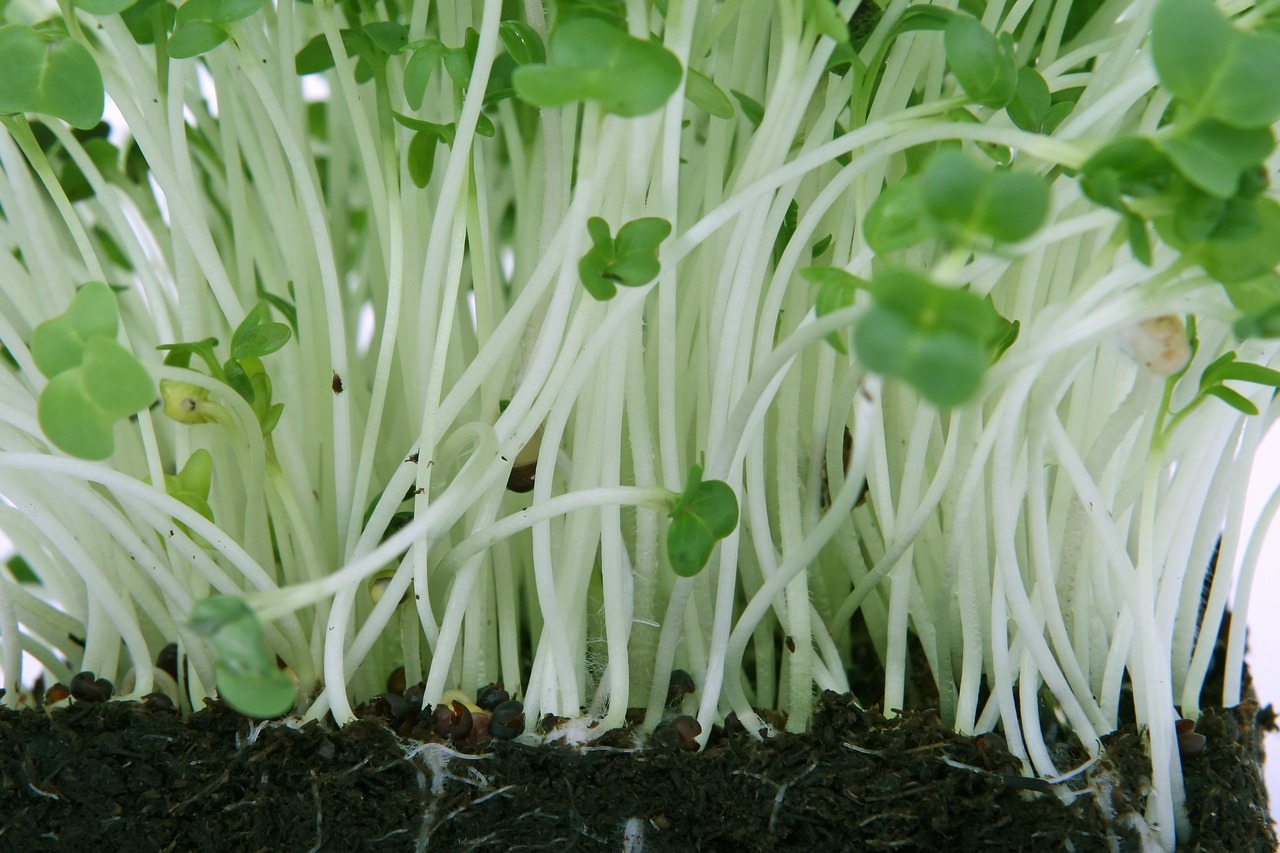
You can grow your microgreens under grow lights with a commercial system, or make one up that suits you using left over clear, plastic salad containers with drainage holes. Line the bottom of the container with a 2-inch deep layer of moistened seed starting mix. Sow your microgreens on top of the soil layer, gently pressing the seeds into the soil. Cover the seeds with a thin soil layer and mist. Cover with a clear plastic top and place in a sunny window with direct sun or under grow lights with a timer set to be on for 14 hours/day. Mist daily. In about one week you’ll have seeds germinating. Wait until the plant’s true leaves form (the second set of leaves), then harvest with a scissors. Some microgreens, such as lettuce and spinach, will grow back again after your first harvest. Stagger planting crops to have a continuous supply of microgreens.
Learn more about Microgreens here
In Our Garden: The Continuous Vegetable Garden Book
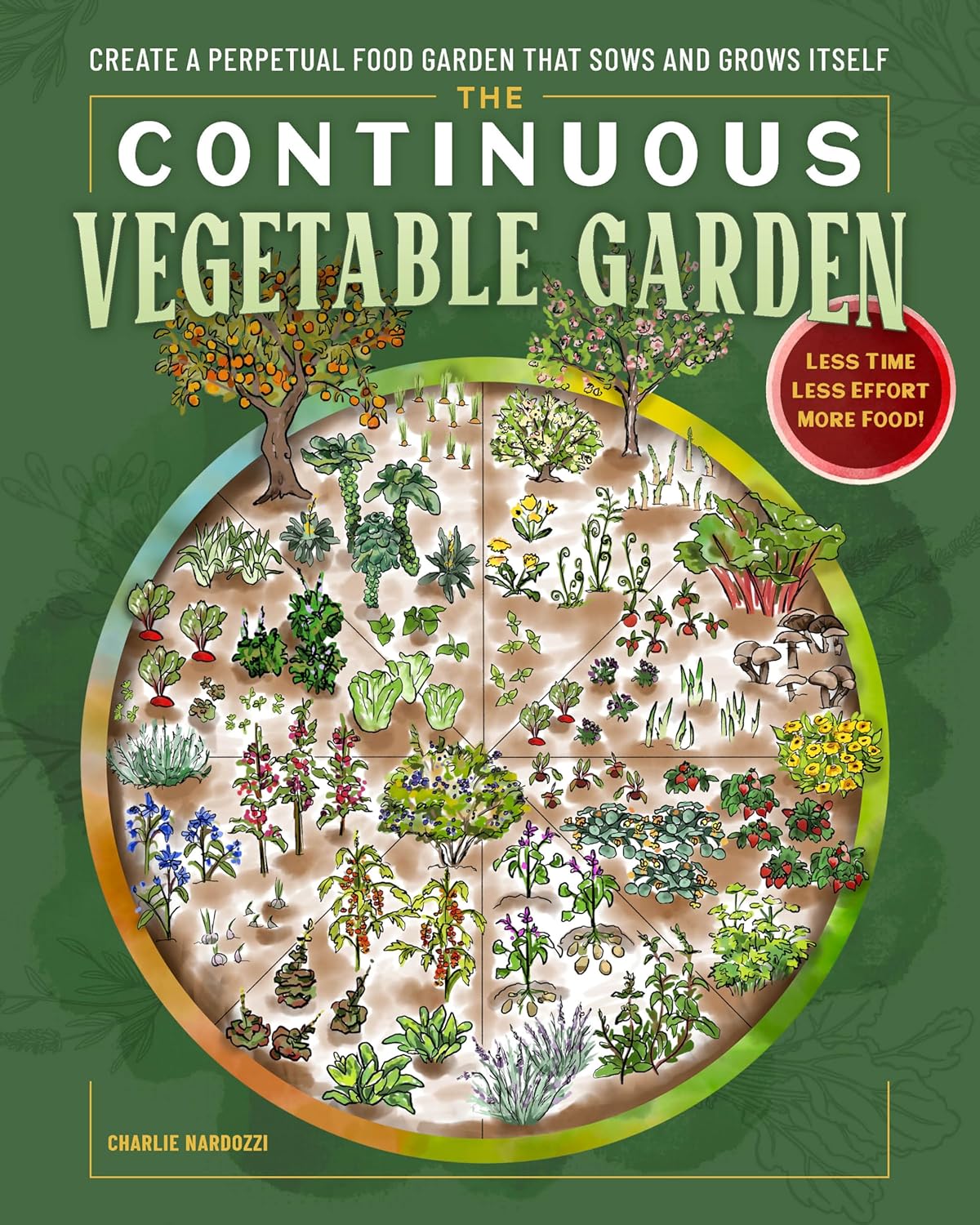
It’s here! The garden book I’ve been working on for 1 1/2 years is finally out! At least the first advanced copies are here. This book is the culmination of many years of experimentation in our gardens. It’s a great followup book to my Complete Guide to No Dig Gardening, because the focus of the Continuous Vegetable Gardening book is about garden techniques that make gardening easier, fun, more productive in smaller spaces and are more ecologically friendly.
I start with a short chapter about the soil and how to build healthy soil in raised beds. But then I quickly transition into chapters on the types of vegetables, herbs and fruits you can grow to reduce your workload and get a more continuous yield of food from your garden. These vegetables partially take care of themselves. They include perennial vegetables and herbs, self sowing vegetables, wild edibles, vegetables and herbs that are easy to save seeds and some cool techniques for saving perennial vegetable plants, such as tomatoes and peppers, in the North. I included varieties for all these types of veggies and herbs. I also included a chapter of growing berry bushes and dwarf fruit trees in small spaces with innovative techniques on grouping and growing them together.
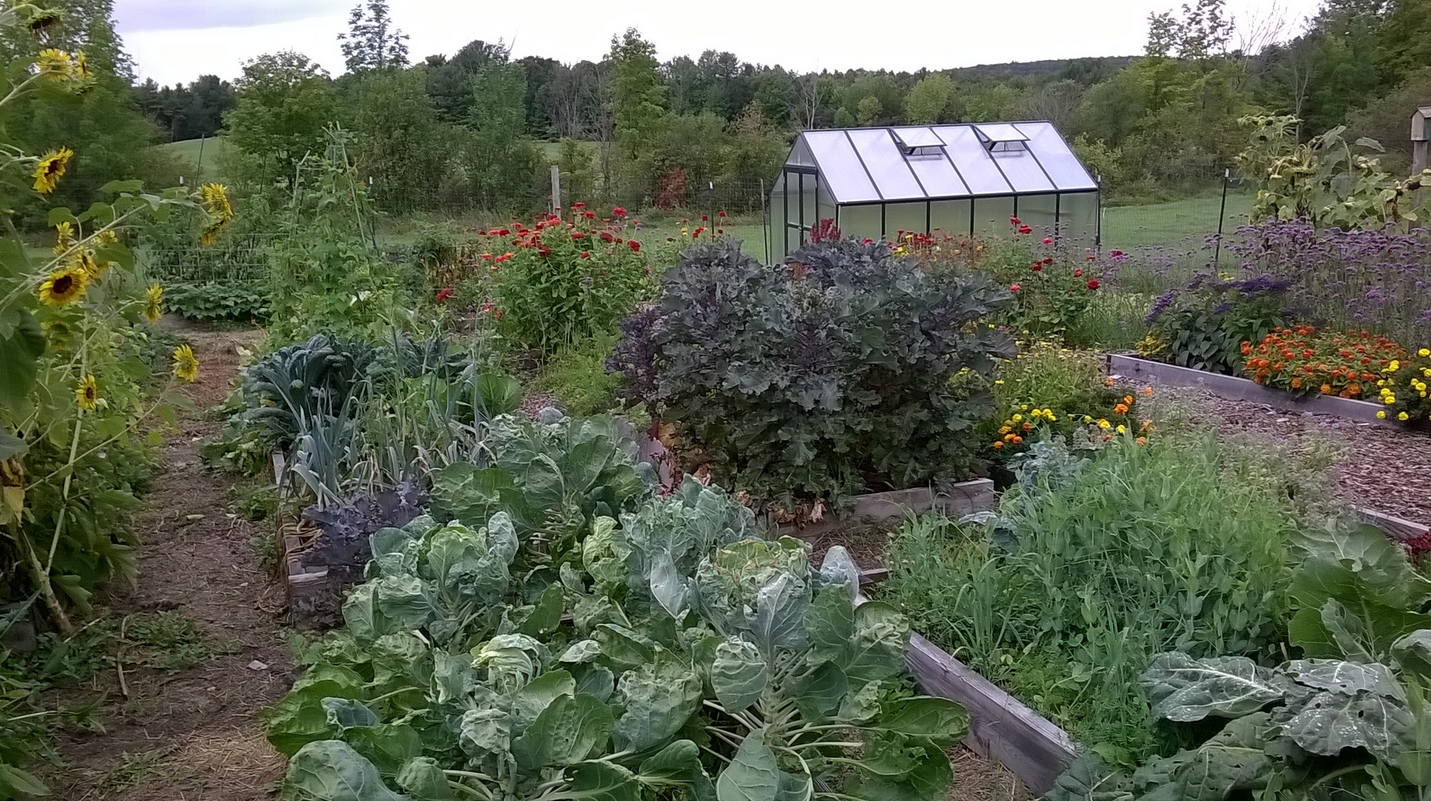
The point of this book is to have a continuous supply of vegetables, herbs and fruits coming from the garden all throughout the growing season without getting overwhelmed by any one plant. That’s why I included a whole chapter on garden designs. I explain how to incorporate succession planting, interplanting, and companion planting into the design so you’ll be working less, and harvesting more. I finish with chapters on plant protection and growing indoors.
The Continuous Vegetable Garden will be for available for sale to the general public in February, but you can advance order it now. Check it out here.