Small, Spring Flowering Bulbs, Making Raised Beds, Golden Tamaracks, and Digging Dahlias

It’s hard to believe that it’s November already. After a warm, dry October, November is coming in with cool temperatures and needed, soaking rains. It’s a great time to finish up our spring flowering bulbs planting. One group of bulbs that doesn’t get the attention the rock stars like tulips and daffodils get, are the small bulbs. These include snow drops, crocus, grape hyacinths, scilla and anemone. These bulbs are small, but mighty. They can spread around your yard and garden and are pretty easy to grow. Some are deer and rodents proof, such as snow drops and scilla, while others you’ll have to protect (crocus). Learn more about growing small bulbs in your garden here.
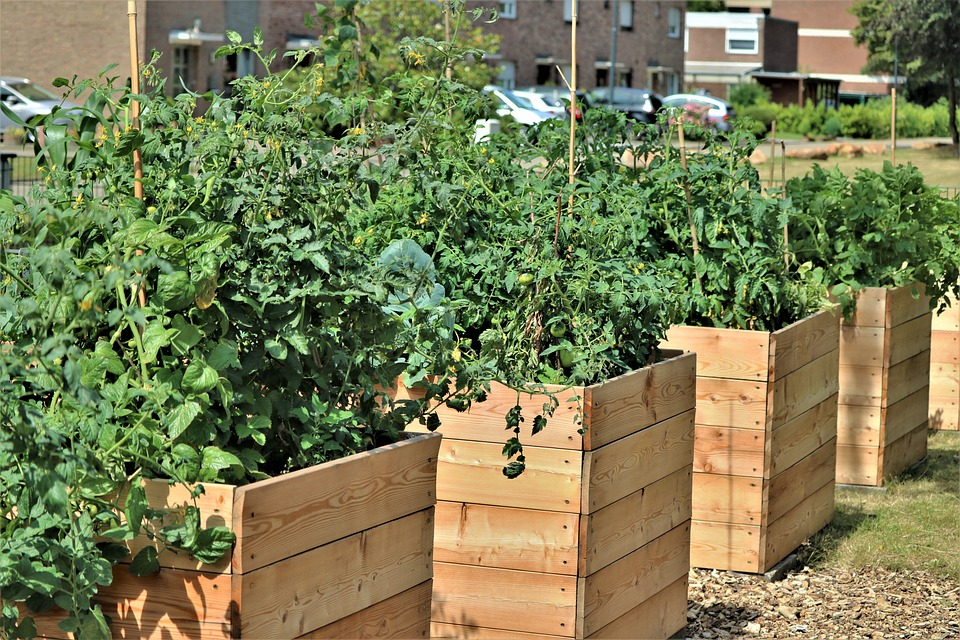
November is when I visit our local sawmill. They aren’t as busy as spring and they have lots of inventory. What I’m looking for are hemlock or spruce boards to make raised beds. Cedar is ideal for raised bed making, but expensive. Let’s chat about wood and other materials used in making raised beds, why build them now and how to bullet proof them from rodents. Learn more here.
Most of the colorful leaves have dropped, but the last show is put on some conifers; tamaracks. Tamarack or Larch trees are beautiful deciduous, needled conifers that have a gorgeous golden color right now. They are one of the last trees to drop their needles. Learn more about these cold hardy beauties in this newsletter.
It’s time to dig out the last of the sub tropical bulbs still in the ground. Our favorite is dahlias. I talk about how to dig and store dahlias here so you can plant them again next spring.

Also, remember to check out my monthly garden blog I write for Proven Winners called What’s Up North. The November blog talks all about “stick season”. That’s when the leaves have dropped, but the snow hasn’t arrived yet. But the garden doesn’t have to look like a bunch of sticks. By choosing trees and shrubs that have interesting bark, you can brighten up a normally grey time of year. Check out my blog on Stick Season here.
Until next time I’ll be seeing you, in the garden.
Charlie

Where to Find Charlie: (podcasts, TV and in-person)
- In the Garden (WCAX-TV CBS) – This week: Harvesting Horseradish
- All Things Gardening on Vt Public Radio– This week: Keeping Rodents Out of Your Bulbs
- WJOY In The Garden Podcast– This week: Planting bulbs, leaving the leaves, layering bulbs in pots, carving pumpkins and more
- Where’s Charlie Speaking? 2/12/26: Stowe Vermont Library- Vegetable Gardening
How to Grow: Small Bulbs

Small, spring flowering bulbs are a delight in your yard. We have a neighbor who’s front yard is filled with scilla in spring. The whole yard turns blue! While tulips, daffodils and hyacinths get lots of acclaim, smaller bulbs, such as snow drops, crocus and grape hyacinths, have their place in your yard. We like growing scillas or Siberian squill, because they spread readily and reliably bloom each spring. There’s even a white version of scilla to grow. Snow drops are fun because they bloom so early, are fragrant, and often bloom when there’s still snow on the ground. Glory of the snow or Chionodoxa is another early blooming, small bulb that comes in colors such as blue, pink and white. Crocus are probably the most popular of the small bulbs with larger flowers in a wider range of colors. And finally anemone or wind flowers are personal favorites. These later blooming, small bulbs produce an abundance of daisy-like flowers low to the ground in colors such as white, pink and blue.

The small bulbs are versatile. You can plant them all together to create a swath of color, mix them with other larger spring flowering bulbs as a compliment, mix them in perennial flower beds, lawns or meadows to naturalize or plant a mix of small bulbs to have blooms longer into spring. You can even force them in pots indoors in winter after a 14 week cold dormant period.

One of the issues with small, spring flowering bulbs is they can be a tasty treat for rodents. While there are rodent protections you can use, knowing which bulbs are their favorites is important. Crocus is a favorite of rodents while scilla, snow drops, Chionodoxa and anemone are less so. You can protect vulnerable bulbs by mixing in some small bulbs that animals don’t like. They can get confused and miss the tulip and crocus bulbs in the hole.
Another fun technique is to grow a bunch of different, small bulbs together. By selecting the right ones, you can extend the flowering season in one hole. For example, plant snow drops (very early flowering) with crocus (early flowering) and grape hyacinth or anemone (late spring flowering). As one bulb finishes another takes its place.
Learn more about growing Snowdrops here
Learn more about growing Crocus here
Learn more about growing Grape Hyacinths here

Raised Beds

Fall is a great time to fix or build new raised beds. The work load is lighter in the garden, the weather is cooler and it’s easier to get around in the garden. Wooden raised beds are usually the beds of choice for many gardeners. Cedar is the most rot resistant, but expensive. We use spruce or hemlock boards instead. It’s best to purchase 2-inch diameter wood that lasts longer. Consider purchasing metal raised bed corners to make it easier to replace rotted wood in the future. If you have problems with mice or voles tunneling under your beds and eating your plants, nail 1/4-inch thick mesh hardware cloth to the bottom of your new wooden bed. This prevents the rodents from tunneling, yet gives the plants plenty of room to grow. You can also build elevated beds that stand 3- to 4- feet tall, have open bottoms and are easier to work in.

For a more permanent raised bed consider using stone, brick, cider blocks, or metal materials. Each of these lasts a long time. Metal beds are great for growing heat loving vegetables and flowers. Stone, brick and blocks are good for long lasting perennials. Composite woods have gotten better and are now UV stabilized so last longer.

Build your bed so it’s not wider than 4 feet, but as long as you like. One of the advantages of raised beds is the soil stays loose because you don’t step on the beds. Too wide beds makes it hard to work without walking in the bed. Make the beds at least 1 foot tall. Taller beds are great for keeping kids and animals away, but require more soil. A way around this is to build a 4-foot tall wooden build and create a false bottom 1-foot deep. Most plants only need 1 foot of soil to grow. The space below the bed is good for storage. The bed is lighter and less expensive to build.
Use No Dig Gardening techniques to build the soil in your raised bed and to keep is growing strong for years.
Learn more about Raised Beds here
How to Grow: Tamaracks

This native, eastern North American tree is unique. It has needles like other evergreens, such as spruce and pine, but it’s a deciduous tree. The bluish-green needles are attractive in summer and turn a golden yellow in late fall. It’s one of the last trees to turn color in the forest. While the species tamarack can grow more than 50 feet tall, there are dwarf and weeping versions of tamarack that look great in gardens.

‘Deborah Waxman’ is a dwarf selection that grows only 4 feet tall and wide. ‘Newport Beauty’ hardly reaches 2 feet tall and is a slow grower. ‘Pendula’ is a weeping form of American tamarack. It grows 12 feet tall and 10 feet wide with a cascading growth habit. ‘Puli’ is another weeping from that has a narrow, upright growth. There are even varieties of tamarack that used to make bonsai.
Tamaracks are big trees that look most magnificent when grown in groups. They grow best in forests on the edge of your property and in wetter areas. Tamaracks like it cool. American tamarack trees don’t grow well in lawn settings, in the shade, near air or water pollution or on hot sites. They’re great wildlife trees. They provide food for wildlife and nesting sites for birds.
Learn more about Growing Tamaracks here
In Our Garden: Digging Dahlias

Dahlias are delightful flowers and we’ve had a great year growing them. But they aren’t winter hardy in our area, so to keep them for next year we have to dig and store the tubers. Dahlias are prolific plants producing lots of sweet potato shaped tubers. After a frost is the time to dig, cure and store them. Here’s how.

Cut back the foliage to a small stub and remove it. Gently dig around the base of each plant to lift out the entire clump. Be careful not to damage the roots. Wash off the soil and place the clump in a warm, airy indoor location, such as a garage or shed, to cure for 4- or 5-days. After curing, store the clump in perforated cardboard box or perforated plastic bag filled with moisten sawdust, peat moss or wood chips. Place is a cool (35F to 45F) basement or garage for winter. Check every month to see if the the tubers have shriveled. If so, mist them with water. If the tubers have rotted, remove them and repack the tubers with drier materials.
In spring, look for eyes sprouting on the tubers. Cut off and plant only those tubers with eyes. The other tubers won’t grow. Make sure each clump is labeled so you’ll know the variety color and size of the plant.