At what’s known as the “bee lab” at the University of Minnesota, Dr. Marla Spivak has been carefully experimenting and collecting data. Spivak has been formulating a recipe of sorts of the types of lawn grasses that still look and feel like a traditional green-grass lawn, but with added flowers to attract pollinators. And since the climate in Minnesota is similar enough to the temperatures here in Vermont, this formulation of seeds should grow well here, too.
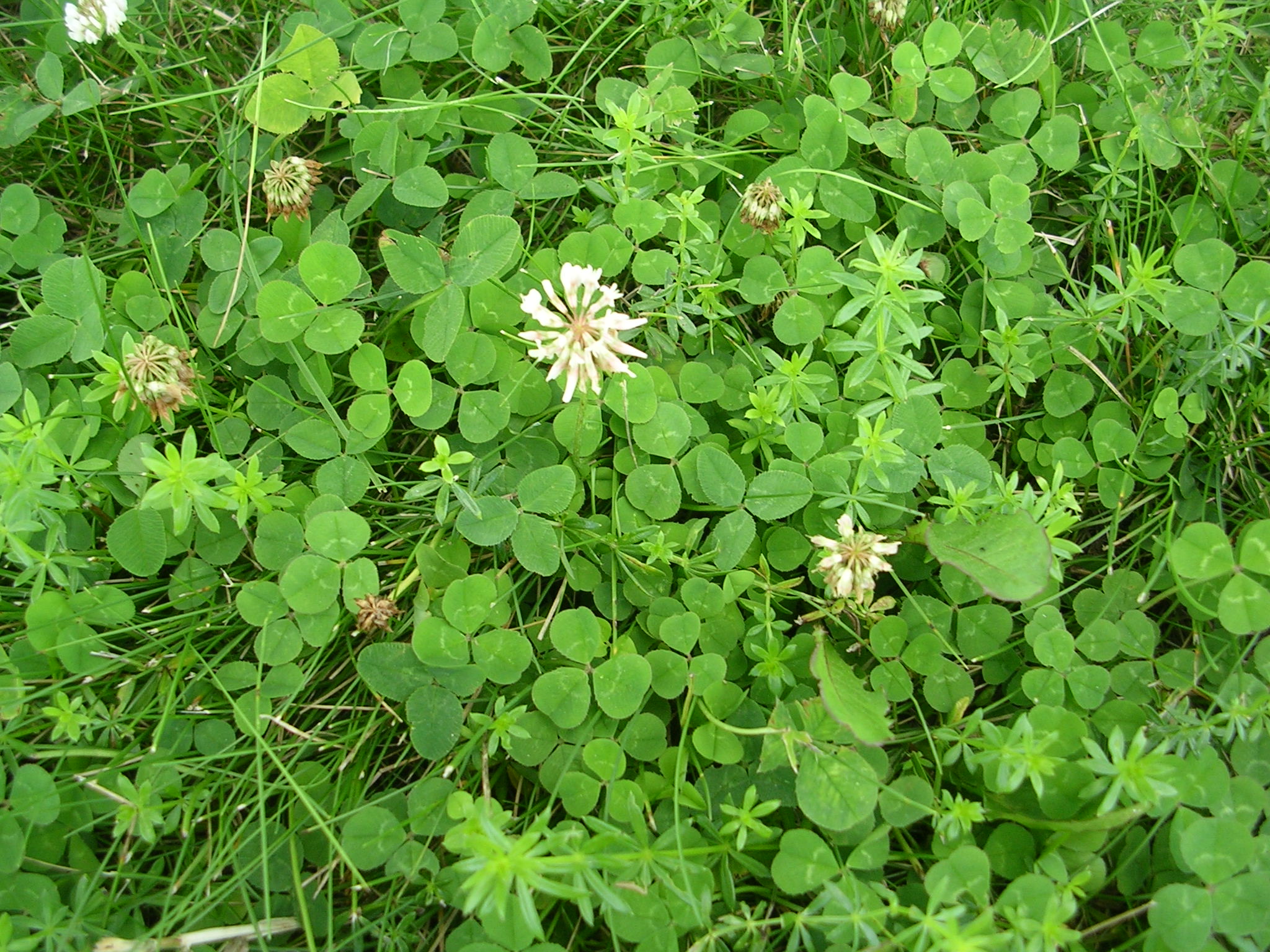
If you’re game to change up your lawn to be pollinator-forward, first know that you needn’t sacrifice your whole lawn. Choose a side yard, a slope or a section to dedicate to bees, butterflies, birds and beetles. First off, seed your lawn with a turf grass, like fine fescue. That’s the tall, thin, almost hairy-looking grass. This type is a great one to grow for this project as other plants and flowers can easily grow through it. And if your grass is already in good shape, no need to re-do! Come late fall or even early spring, lower your mower’s deck or wheels and cut your lawn grass down very short — around an inch tall. Next, aerate the ground with a commercial aerator — that’s a rig with long spikes that rolls over the lawn. This helps break up the soil and creates air holes. Then mix up some flower seeds! The bee lab folks recommend a particular blend of seeds that works best. It includes white clover,
Prunella or “heal-all,” and creeping thyme. Commercial blends of this mixture are available, too. In terms of how much you’ll need to create your flowering bee lawn, you’ll need four to five pounds per 1,000 square feet. Sow your flower-seed mixture through the chosen lawn area and water it well. Doing this in the dormant season like late fall or early spring helps the seed get settled and start growing first before the weeds and grass do.
Then in spring, when the lawn grass does start coming up, the flowers that you sowed will come up, too. Note that this flowering bee lawn may take a few seasons to come in fully, but once it’s in, you’ll have a flowering green space providing essential nectar and pollen. And you’ll have fun counting just how many species of native bees and pollinators (Spivak at the bee lab counted 50!) that come to your yard. Maintain your bee lawn with occasional mowing, to about 3 inches high, and enjoy your functional, environmentally-friendly green space