Unusual Tulips, Fall Tree and Shrub Planting, Overwintering Perennial Herbs and Hazelnuts

These warm, fall days almost make me forget about the coming cold weather we’ll get in our zone 5 garden. But it’s coming and we’re doing our fall chores which include planting more spring flowering bulbs (can you ever really have enough?), planting a few shrubs and trees while the soil is still warm, getting ready to protect or bring in our perennial herbs and harvesting hazelnuts (that’s a new one for us).
Although we don’t normally plant spring flowering bulbs until mid October, now is the time to get ready buying bulbs and deciding where to plant them. Tulips are always a favorite of gardeners and I highlight some unusual tulip varieties to try in this newsletter.
Fall is for planting. You see the signs in garden centers everywhere and they’re right! Fall is a great time to plant shrubs and trees and I review the latest methods to plant them so they survive their first winter and thrive every year after that. Read more here.
Perennial herbs are a delight in our garden. We grow them as much for their beauty as well as their culinary aspects. But in cold areas, you’ll need to protect some of these perennials by bringing them indoors or covering them outdoors. I sort out what to do and how to do it in this newsletter.
Finally, a new edible (for us) plant is just starting to produce. They’re hazelnuts. We have a number of bushes in our landscape and we’re getting nuts this year. I talk about how to grow hazelnuts (one of the easiest nuts to grow) with an eye on types of hazelnuts, placement and care. Learn more in this newsletter.

Looking for fall color? Take a look at my monthly garden blog I write for Proven Winners called What’s Up North. This month I talk about Coloring Up For Fall. As Mother Nature is starting to put on a color show with her foliage, we can help by planting perennials and shrubs that have colorful leaves, too, in autumn. I talk about growing shrubs such as smokebush and fothergilla, and perennials, such as Japanese anemones and sedums, to add an extra boost to your fall color show. Check out my blog on Coloring Up for Fall here.
Until next time I’ll be seeing you, in the garden.
Charlie

Where to Find Charlie: (podcasts, TV and in-person)
- In the Garden (WCAX-TV CBS) – This week: Taking Cuttings to Save Annual Flowers
- All Things Gardening on Vt Public Radio– This week: Growing Hazlenuts
- WJOY In The Garden Podcast– This week: Overwintering lilac seedlings, harvesting sweet potatoes, when to plant blueberries, treating for Black Knot on plums, cutting lavender for the table and more!
- Where’s Charlie Speaking? 9/30/26: Foodscaping, Boston Junior League, MA
How to Grow: Unusual Tulips
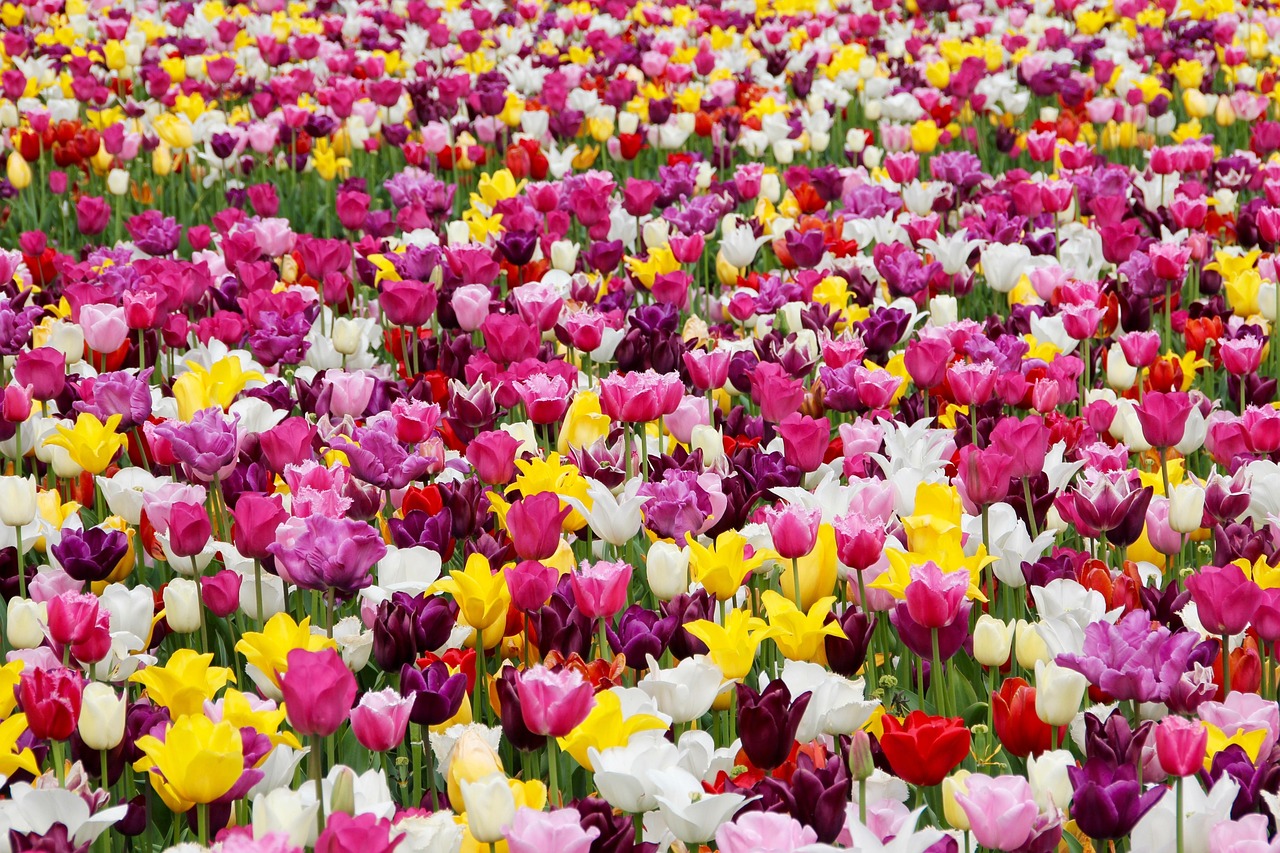
Tulips have to be one of the most popular spring flowering bulbs. We’re all enchanted with the colors, shapes and beauty of these bulbs and millions of them are sold every year. While we all are familiar with the classic ‘Darwin’, ‘Triumph’ and ‘Emperor’ tulips with their solid flower colors and uniformity, there are a number of unusual tulip types and varieties that might be worth a try in your garden.
Let’s start with a few unusual varieties of those types I just mentioned. ‘Akebone’ Darwin tulip is from Japan and features double yellow, camellia-like flowers that change to red as they age. The flowers also have a sweet fragrance. ‘Slawa’ triumph tulip is one of the most unique tulips I’ve seen. It features maroon-red with deep plum feathering and the blooms mature to vivid shades of red, orange, apricot, and yellow.

For varieties that will be show stoppers in your gardens try the ‘Lambada’ fringed tulip. It’s just like it sounds. It has orange petals with fringes on the edges making for lots of conversation from viewers. ‘La Delicatesse Double’ tulip looks almost like a peony flower. This late bloomer adds a final touch to your bulb show with raspberry and pink petals wrapped with white.
The ‘Artist Viridiflora’ tulip looks like a painting. It has pink and purple streaks on an upright facing flower. This late bloomer is compact and elegant. Parrot tulips are popular, too, and ‘Apricot ‘is an amazing variety. It looks like a piece of candy with scalloped blossoms having striations of salmon, rose, creamy white, and green.
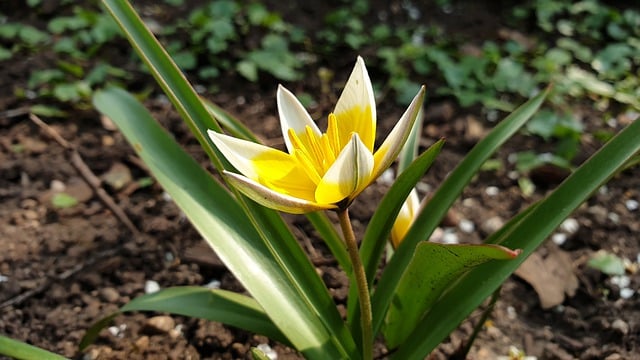
Then there are the species or wildflower tulips. These are the old fashioned, wild tulips that have become more popular because of their unique flowers and leaves and the ability to come back for multiple years. ‘Bronze Charm’ is a low growing, golden colored variety. ‘Persian Pearl’ features purple and red streaks on the flowers. ‘Antoinette’ is unusual for its multiple flowers per stem. These yellow changing to red flowers add a late season boost to your flower garden.
Tulips grow best in full sun on well-drained soil. Protect the bulbs from mice and voles and tops, in spring, from deer and rabbits with repellent sprays applied every few days to protect new growth. Hybrid tulips tend to peter out after a few years, so lift those old bulbs now, separate any younger bulbs and replant adding a bulb fertilizer into the hole.
Learn More about Growing Tulips here
Watch This Video on Growing Species Tulips here
Check out my Growing Bulbs Webinar Here

Planting Trees and Shrubs
Many gardeners forget that fall can be a great time to plant trees and shrubs. The heat of summer is over, but the soil is still warm, so the plant roots continue to grow until the soil temperatures reach 40F. In our zone 5 climate that could be late November or even December, depending on the year. Also, there often are big plant sales at nurseries and garden centers as they try to clean out their plant stock. A discriminating gardener can snatch up some good deals this time of year.
Before you even head to the garden center to purchase some plants, you should have a plan where the plants will grow. Understanding the sun, soil and exposure conditions can dictate what plants will grow best where in your yard. And don’t forget to check the mature size of the plant. That cute little shrub may grow into a monster in 5 years or so.
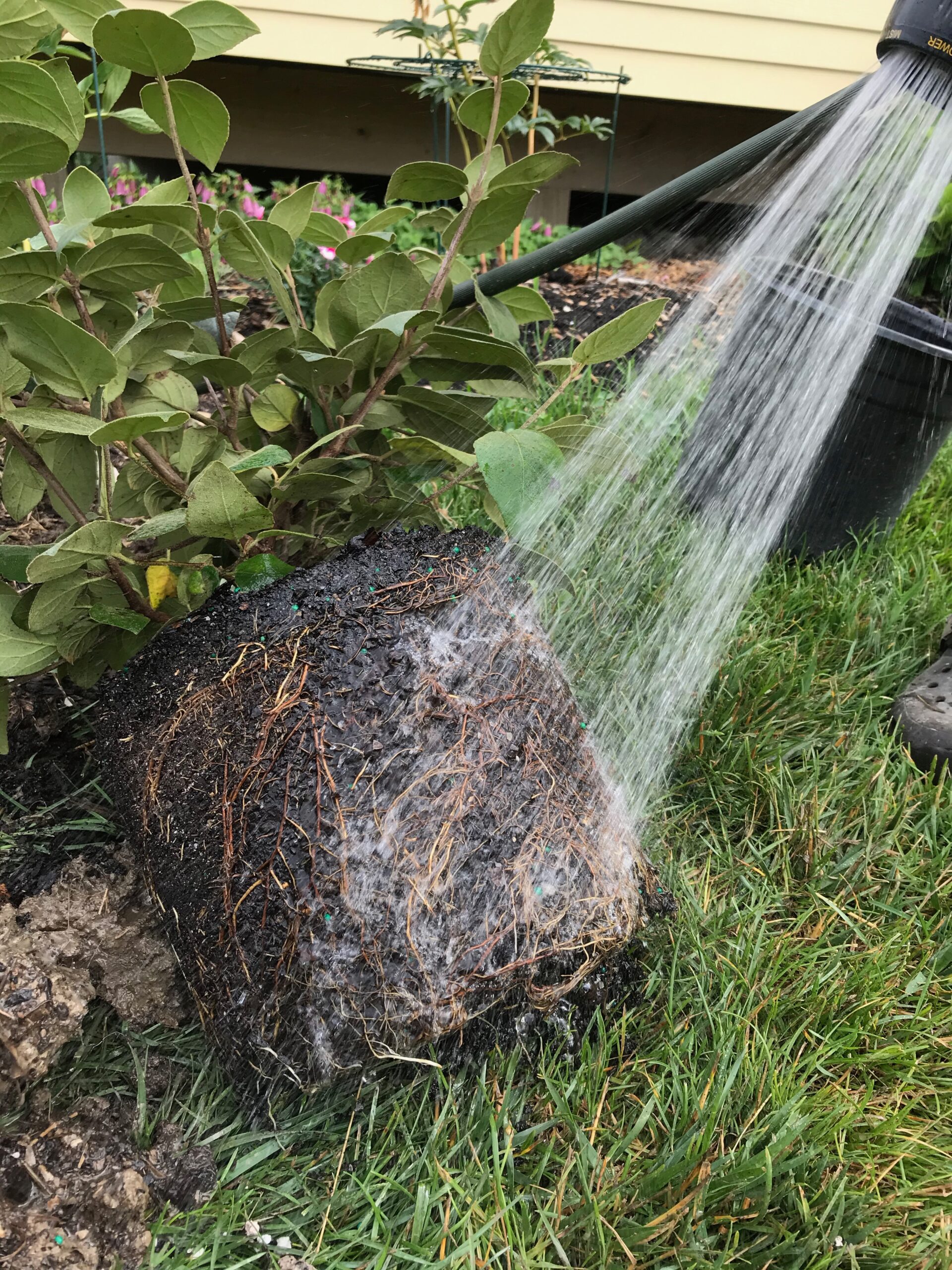
The horticultural advice as to how to plant trees and shrubs has changed over the years. The first step is to select a tree or shrub that’s healthy. Look for a plant without any obvious physical damage to the branches and trunk. Also, check the roots to see if they’re circling the pot. That’s a sign or being root bound, but it’s also not a deal breaker. The roots, though, should be white and healthy looking.
Once you have it home, remove the plastic pot or burlap and wash all the soil off the roots. This is important because roots that are circling can eventually grow and strangle the plant, killing it just as it gets big. Tease the circling roots out away from the plant crown. Removing the soil also reduces the possibility of introducing jumping worms into your yard. Wash the soil into a plastic bag and leave it in the sun on a driveway for a 3+ sunny days to kill any jumping worm adults and eggs.
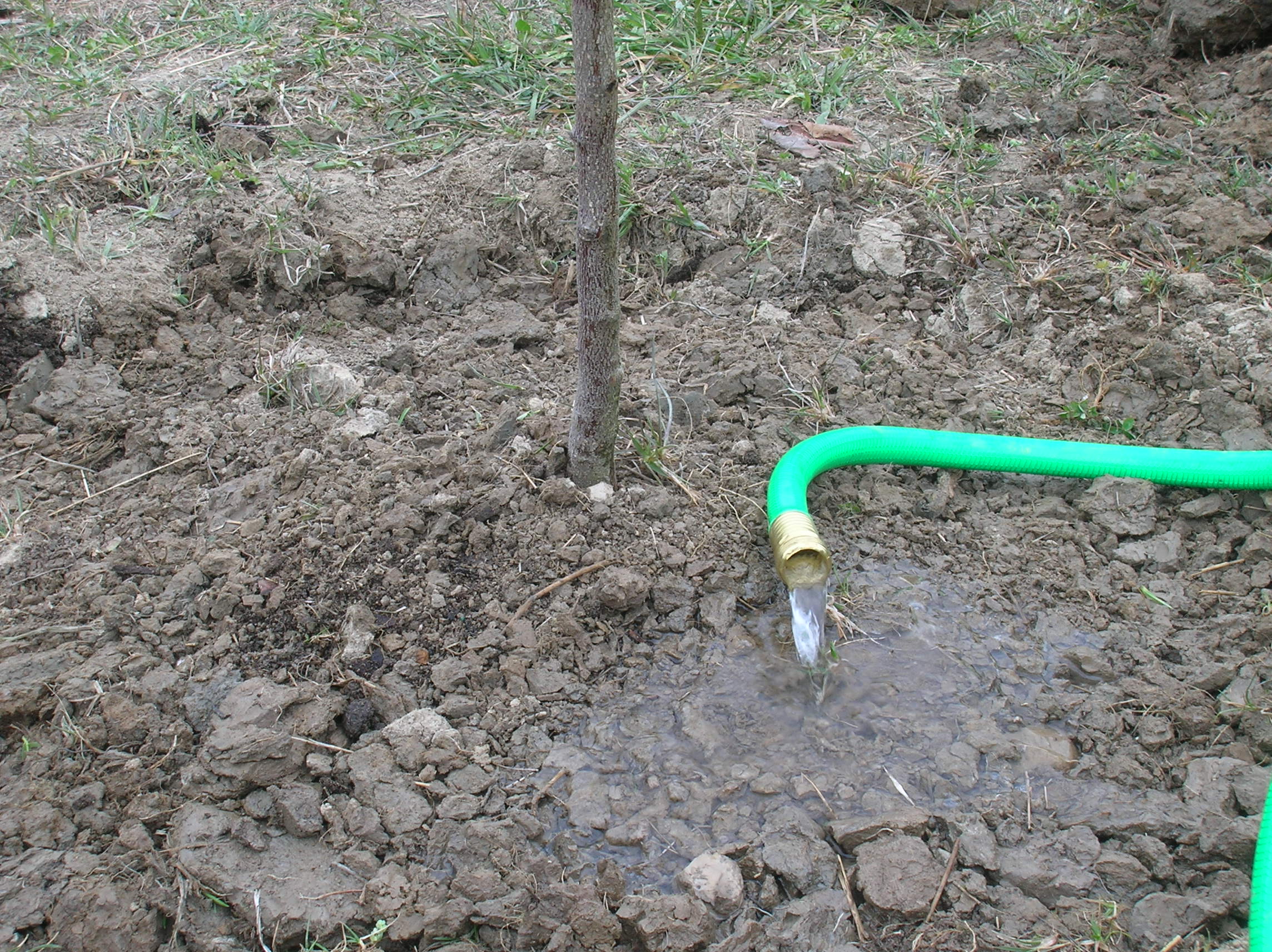
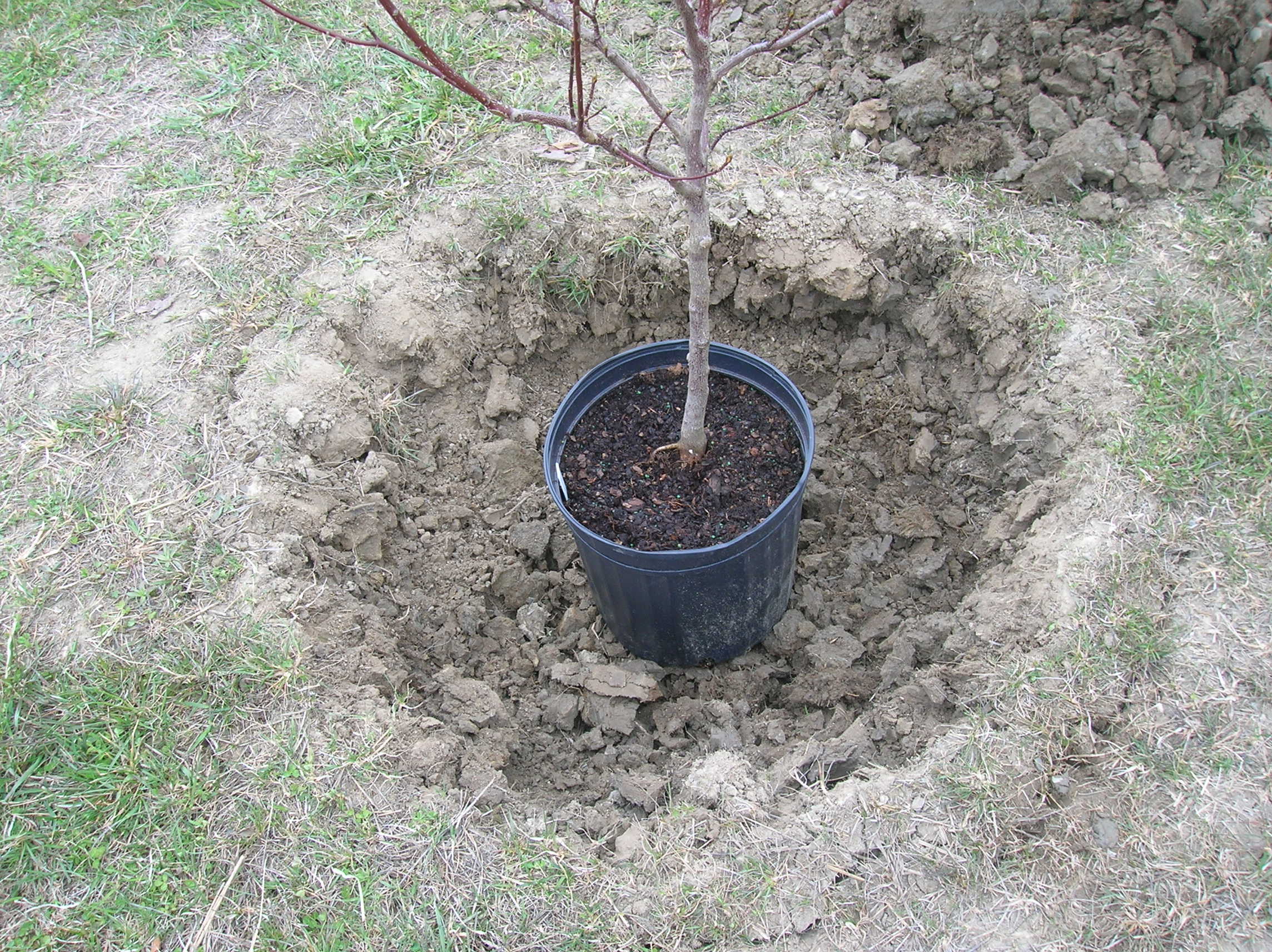
Dig a hole as deep as the root ball and 2- to 3-times as wide. Plant so the crown is level with the ground and back fill with just the native soil, unless you have very heavy clay, light sand or gravelly soil. Then you might add some compost, too. Keep well watered and mulched with wood chips and your investment should make it through the first winter in tact.
Learn more about Shrub and Tree Planting here
Overwintering Perennial Herbs

We love to grow perennials and annual herbs in our landscape. I say landscape because we grow them everywhere; not just in the edible garden. Mint is grown under fruit trees, basil in pots and thyme and oregano as ground covers around perennial plants. While many perennial herbs, such as mint, oregano, thyme and chives, are tough as nails, some need a little help making it through a winter in the North.
English lavender grows beautifully for us each year, but that’s because we protect it from the cold winter temperatures and winds. We grow them close to the house for winter protection and in November pile wood chips on the top of the plants to help them survive. Sage is another herb that’s hardier in warmer climates, but we get it to survive with the same technique. Rosemary is a popular perennial herb that’s used as a landscape plant in warm climates. It’s not hardy in our climate, so I repot small plants to overwinter indoors in a sunny window. You can also take stem cuttings, dip the cut end in rooting hormone powder and root them to overwinter indoors. Place rosemary pots on a tray filled with a layer pebbles and water in a 50F degree, sunny room. Keep the soil barely moist.

Scented geraniums are a delight to grow indoors and we have some flowering in a sunny window most of the winter, even in the North. Again, you can take cuttings and root those to bring in smaller plants instead of the large mother plant. You can also remove the soil from the roots, cut the plant way back and store it in a cool basement. Place the roots in a perforated plastic bag filled with moisten peat moss, sawdust or bark mulch. They should last all winter and be ready for repotting in spring.
Learn more about Overwintering Perennial Herbs here
In Our Garden: Hazelnuts
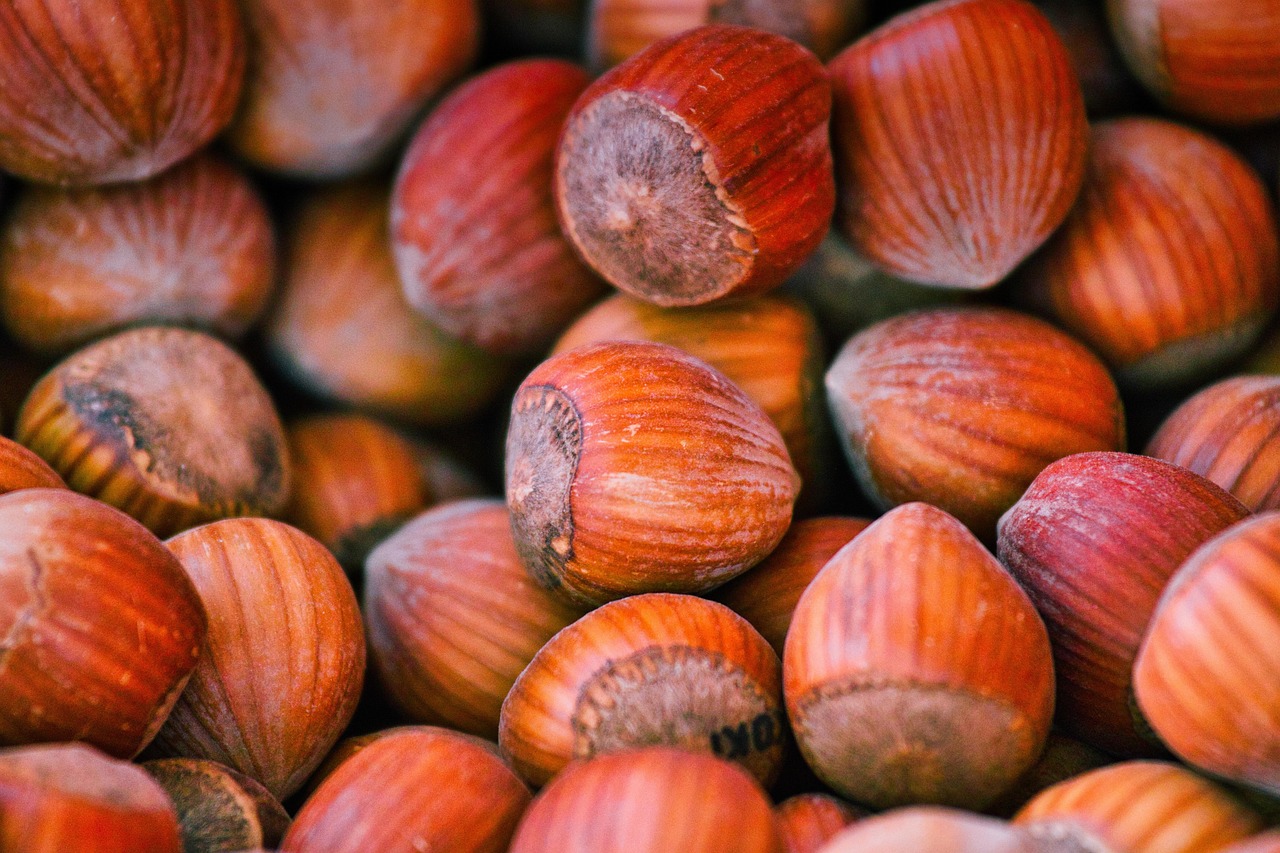
We’re always experimenting with new plants in our landscape and one large shrub that’s just starting to produce for us is our hazelnuts. Most gardeners don’t think of growing nuts in their yard because many of them, such as chestnuts, black walnuts and almonds, are large trees and take years to produce. Hazelnuts are different. They are 10- to 15-feet tall, deciduous shrubs and some start producing nuts in 3 years after plants. And these birch family plants produce brilliant colored leaves in fall.
There are four main types of hazelnuts. The native American hazelnut (Corylus americana), native beaked hazelnut (C. cornuta), European hazelnut (C. avellana) and the hazelbert (a cross between an American hazelnut and European filbert) are the main types. The native American and beaked hazelnuts are disease resistant and produce an abundance of small nuts, but take years to start producing. They’re great wildlife plants. The European hazelnut is the commercial variety that produces most of the hazelnuts you see in stores. But it’s only hardy to zone 7, so more of a warm winter shrub.

The best type of hazelnut for homeowners is the hazelbert. The shrub grows a manageable 8- to 10- feet tall and wide, it produces large sized nuts in only 2- to 3-years after planting and the nuts have the same flavor as the commercial European hazelnuts. Plant them in hedgerows (they sucker), in a field or in a mixed planting of other large shrubs such as serviceberry, viburnum and elderberry.
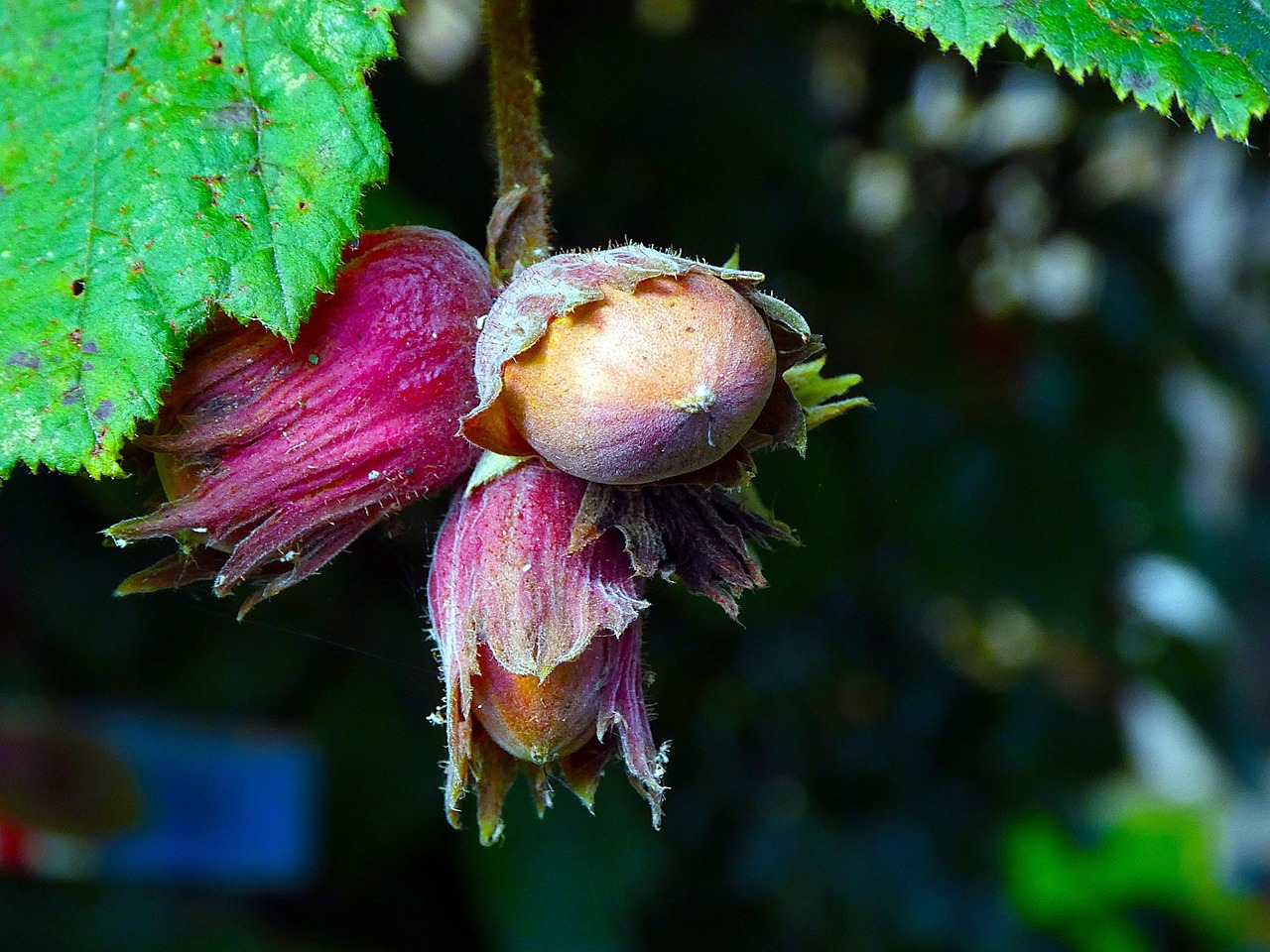
Hazelnuts are tough plants. You’ll need two plants of the same type, planted close together, to get pollination and nuts. Plant in full sun on well-drained soil. We have ours growing in a variety of places, including wet, clay soil, and they seem to do fine. The more sun they get, the more nuts you’ll get. There are a few insects and diseases to watch for, but mostly hazelnuts are pretty carefree. The biggest problem is squirrels. They love the nuts as much as we do, so once the nut clusters and husks brown and you can hear the nut rattling inside, harvest, before the squirrels do it for you.