Coral Bells, Montauk Daisies, Edible Plants for Fall Color, and Photos from Portugal
I’ve just returned from on Garden Tour of Lisbon and Madeira, Portugal. What a great trip, visiting some public and private gardens in Lisbon and spending time on the Island of Madeira. The island has many beautiful gardens and wild landscapes. I shared a few photos below of where we went.
Back home I missed the killing frost, but many plants are still thriving in our garden. One that stands out this time of year are our coral bells or Heuchera. We grow varieties with beautiful foliage and now that other plants around them are fading the foliage on our coral bells is shining. I talk about growing coral bells in this newsletter.
Another perennial that’s still growing strong even after 25F nights is our Montauk Daisy. This white flowered daisy blooming in fall and continues through a frost. I love the succulent leaves and bright white flowers that bees love as well. Learn more about this fall flowering perennial here.
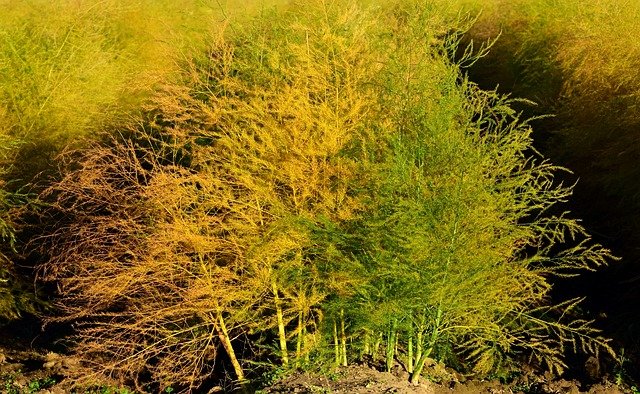
It’s not just the perennial flowers and shrubs that have good fall color. There are many edible plants that also put on a show. Right now I’m looking at our yellowing asparagus ferns and burgundy blueberry eaves. They’re beautiful! I talk about other edibles to grow for their fall color in this newsletter.
Do you want to accent Nature’s fall garden with more color? Try some of these unusual perennials. Take a look at my monthly garden blog I write for Proven Winners called What’s Up North. This month I talk about Unusual Perennials for Fall. As Mother Nature is starting to put on a color show with her foliage, we can help by planting perennials that also bloom this time of year. Instead of the standard sedum and aster, try some less common fall perennials such as false sunflower, Japanese anemone and kniphofia. Check out my blog on Unusual Perennials for Fall here.
Until next time I’ll be seeing you, in the garden.
Charlie
Where to Find Charlie: (podcasts, TV and in-person)
- In the Garden (WCAX-TV CBS) – This week: Brussels Sprouts Recipe
- All Things Gardening on Vt Public Radio– This week: Fall Pumpkin Decorations
- WJOY In The Garden Podcast– This week: Growing garlic, getting the Amaryllis to rebloom, the final lawn mow of the season and more!
- Where’s Charlie Speaking? North Branch Nature Center, Montpelier VT 11/14/26. Continuous Vegetable Gardening
How to Grow: Coral Bells

While fall foliage abounds in Vermont this time of year, the leaves eventually do fall leaving us with stick season. But there are certain perennials with evergreen leaves that have beautiful foliage long past the tree leaves falling. Heuchera or coral bells is one of them. We grow coral bells as much for the leaves as their dainty, delicate flowers in early summer. The variety of color combinations on coral bells are stunning. Here are a few of my favorites.
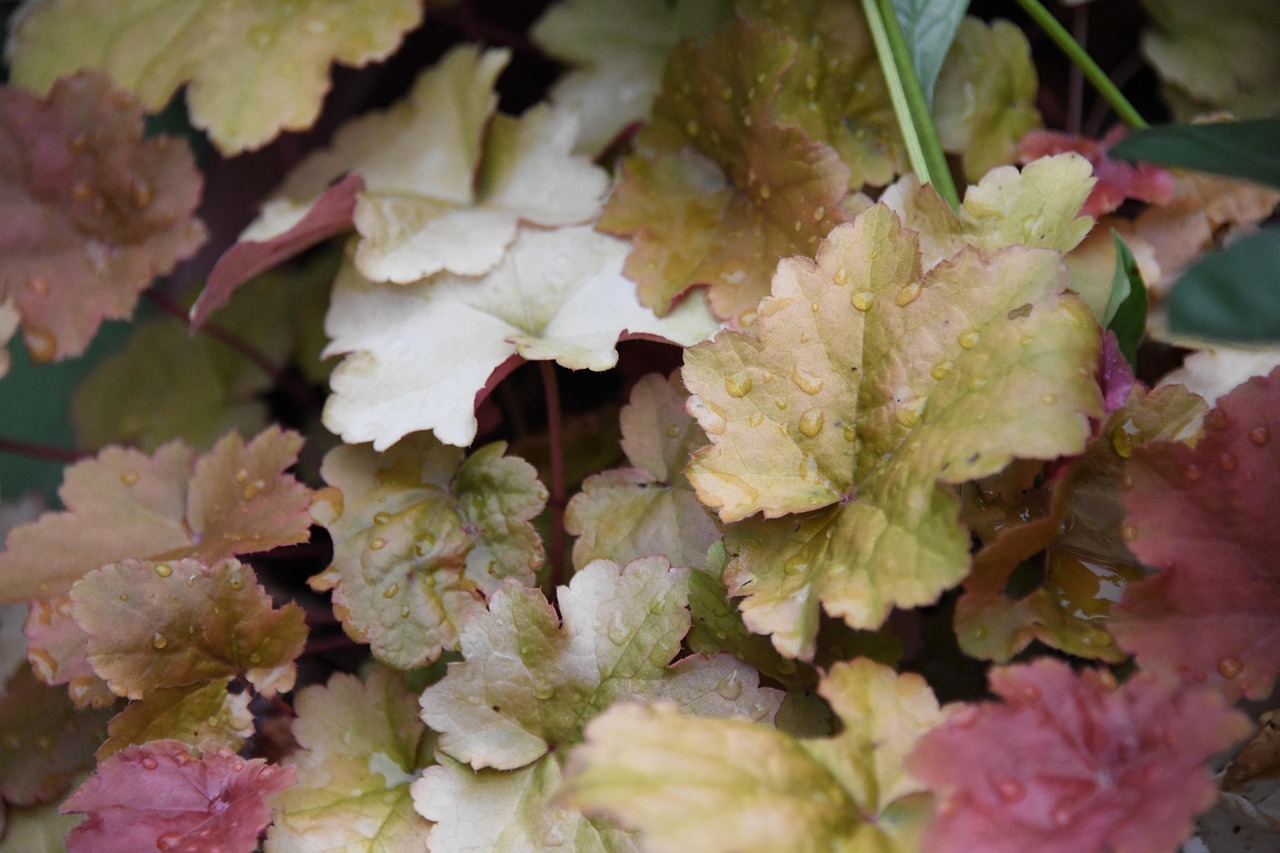
‘Carnival’™ Watermelon coral bells has colors of peach, pinks and green with hints of pink popping from the underside of the leaves. Dainty white flowers appear in early summer. ‘Golden Zebra’ coral bells feature light green leaves with beautiful with deep red centers. This variety is actually a cross between a heuchera and tiarella and is called a heucherella. Heucherellas have larger and more distinct flower stalks. Another heucherella I like is ‘Cracked Ice’. This variety features deeply cut, silver colored leaves with a pink tint.
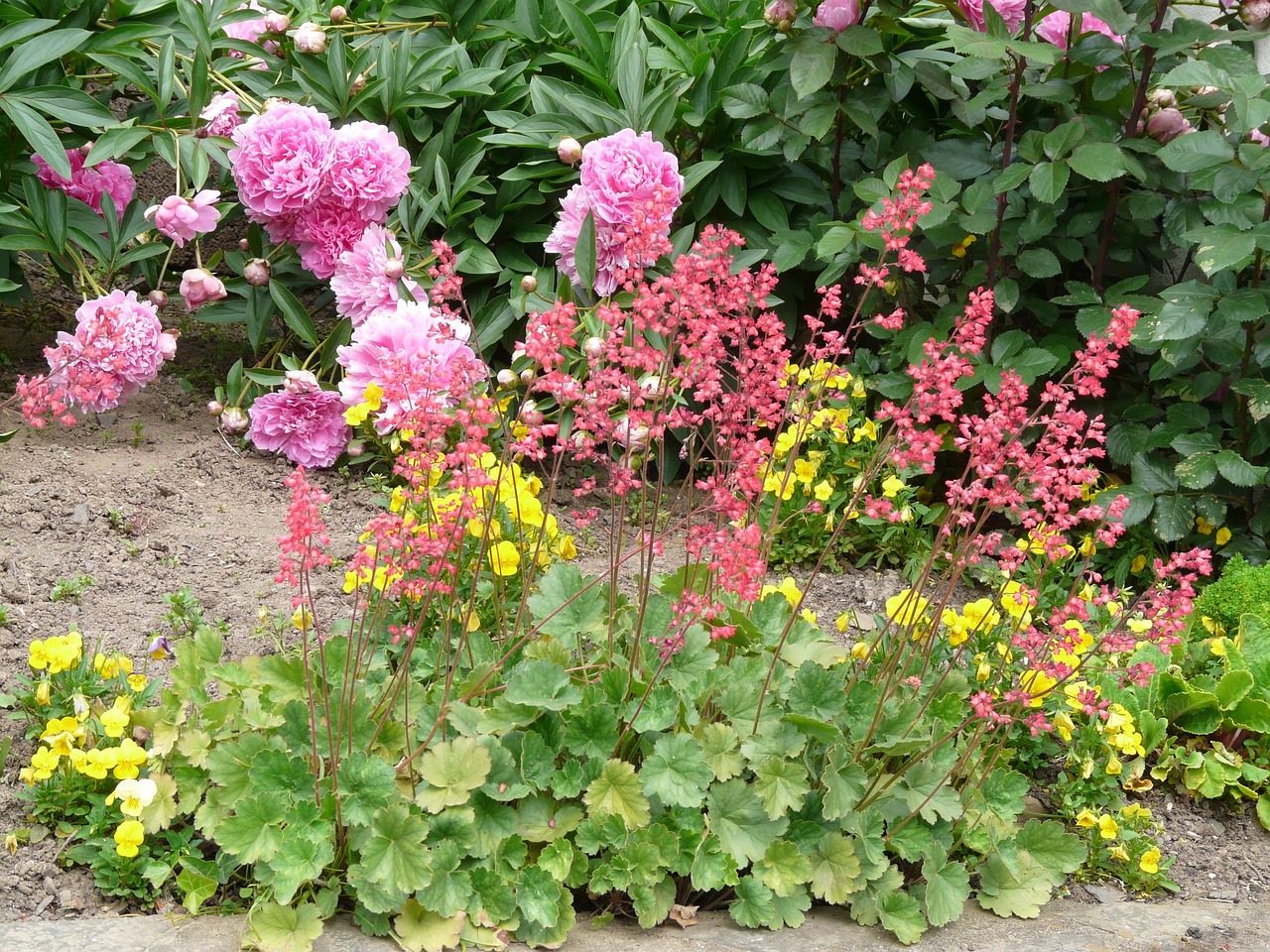
Heucherella and heuchera both are native plants and like to grow in part shade. Keep them away from the harsh afternoon sun. We have a nice patch under our deciduous magnolia tree on the East side of our house. The plants only grow 1- to 2-feet tall and wide and thrive in well drained, organic soils. Plant in groups to create a more dramatic effect and keep them well weeded. they don’t compete well with aggressive, creeping weeds or flowers. Place the plants in the perennial flower border, in containers or use the leaves in flower arrangements. The leaves can last for months as a cut flower indoors in water and will root overtime. Although we mostly grow them for their colorful leaves, the flowers are pretty and useful as well.
Learn More about Coral Bells here
How to Grow: Montauk Daisy
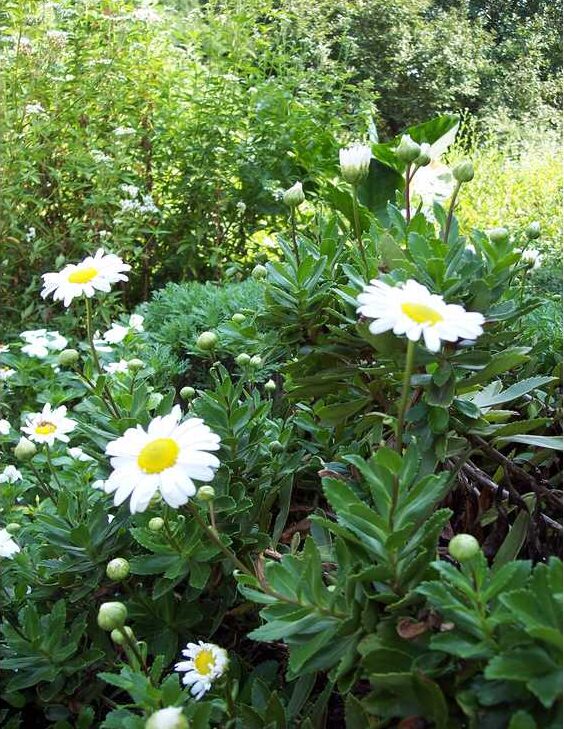
I first saw Montauk daisies in the front yard of a home that I now pass everyday. These nondescript, green perennials burst into flower in September and stayed flowering into October. They look just like our Shasta daisies (one of their parents), but they’re not. Nippon or Montauk daisy hail from Japan where they are very popular. They naturalized on Lon Island and escaped into the wild. That’s why they are also called Montauk Daisies.
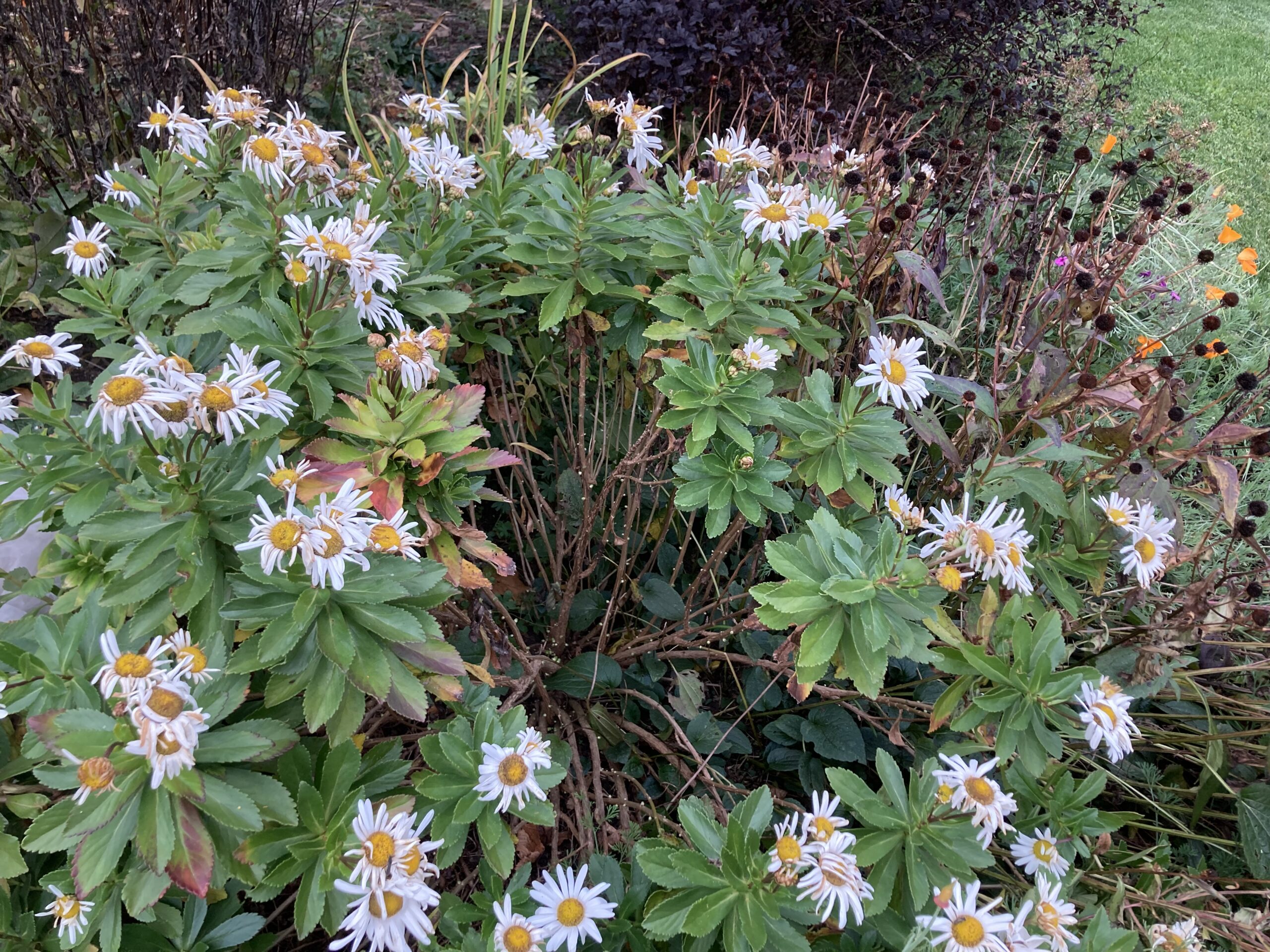
These zone 5 hardy perennials love full sun and well-drained, sandy soil to grow best. They are salt tolerant so a good choice but the ocean. They make good cut flowers and bees and butterflies love having a fall pollen and nectar source in the garden. The foliage is attractive even when the plant isn’t flowering. Plus, the plant and flowers are not attractive to deer or rabbits.
Montauk daisies are deciduous, but can take a frost. They require little care. If you want your Montauk daisy to grow in a more compact shape, pinch the new growth in early summer to force side branches to form with more flowers on bushier growth. Deadhead to keep the plant blooming.
Learn more about Montauk Daisy here
Edibles for Fall Color
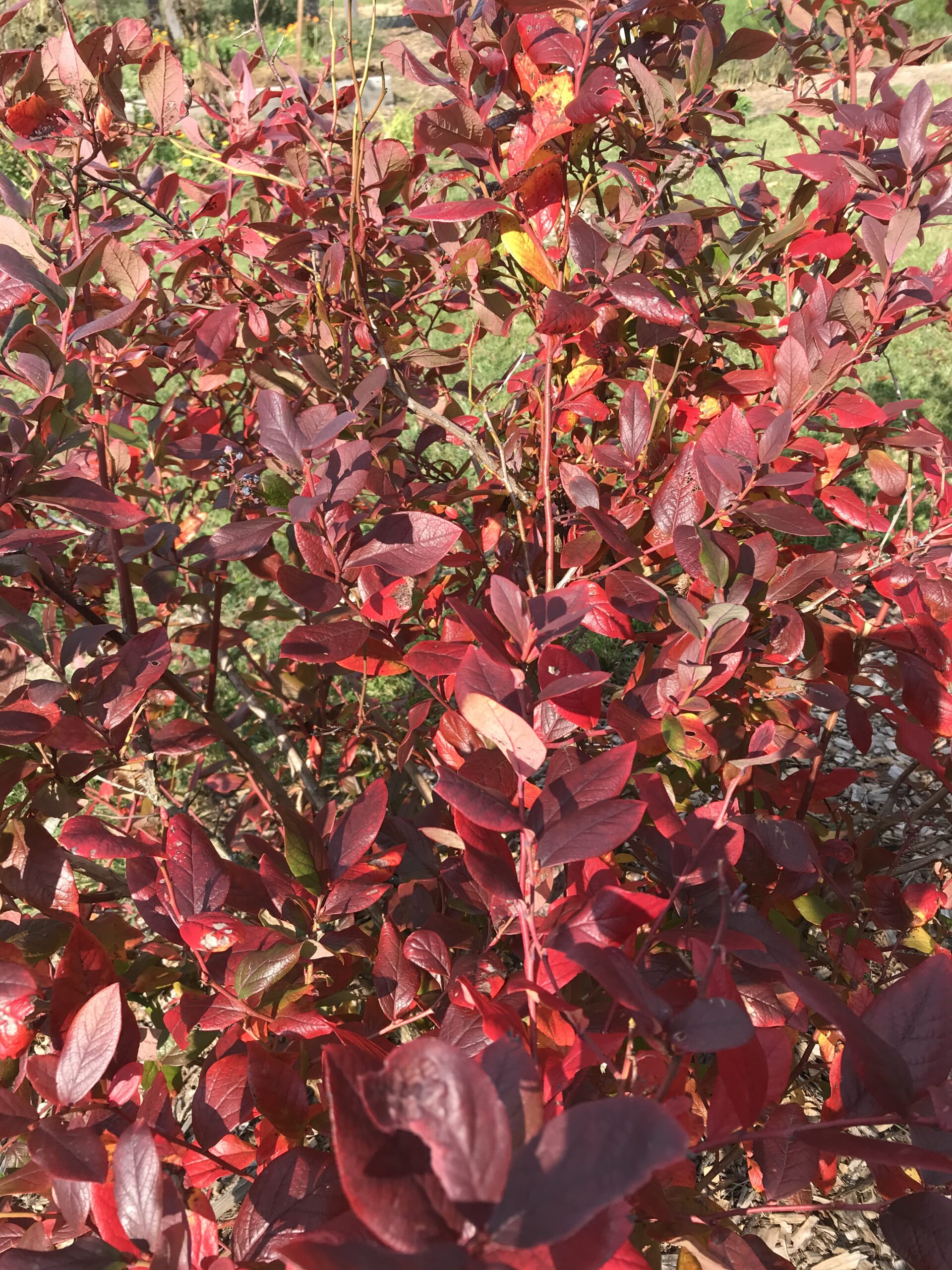
Many gardeners want to have it all. Edible plants that are tasty with interesting flowers, leaves and bark. Well, you can. There are many edible plants that have flowers pollinators and bees love along with colorful fall leaves. It’s just a matter of selecting the right ones.
In my book, Foodscaping, I highlight many plants that are attractive in the landscape and edible. I particularly highlight some shrubs and trees that produce delicious fruits and have colorful fall leaves. Here are some of my favorites.
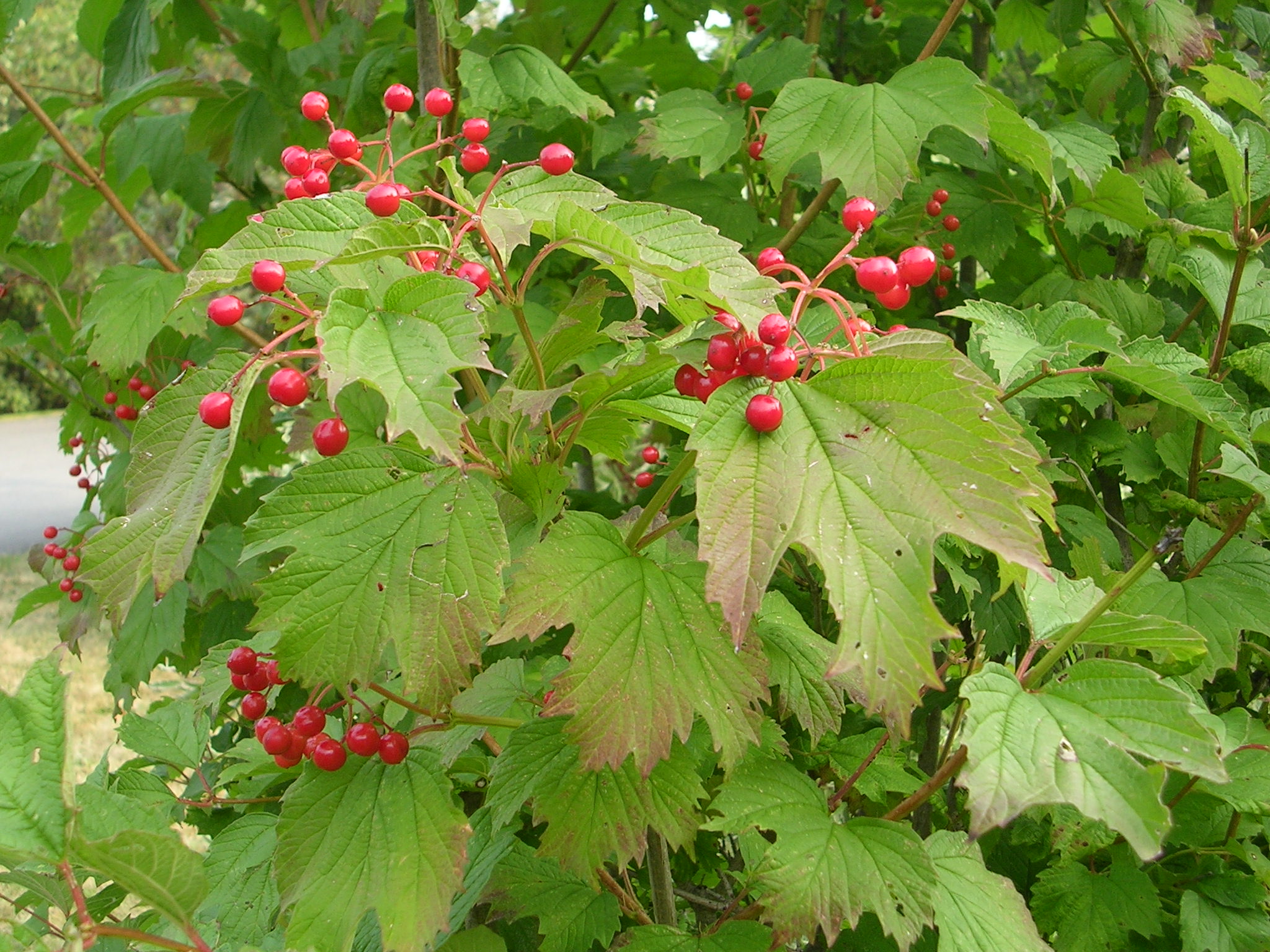
Roses, especially the species roses such as Rosa rugosa, have leaves that turn yellow in fall that contrast beautifully with their orange or red rose hips. Blueberries have to be one of my most favorite edible landscape plants. They have white flowers that pollinators love, of course, blue fruits, but also burgundy colored leaves in fall. There are versions that grow 6 feet tall and some that only grow 2 feet tall. So, you can fit them anywhere in your garden. Serviceberry or Amelanchier, is another shrub or small tree that has white flowers, blueberries that birds love and we can eat too, and burgundy colored foliage in autumn. It also has interesting colored bark for winter.
For some bigger trees, you can’t beat the American persimmon. It grows 30+ feet tall, is loaded with orange fruits in October and the leaves turn a bright yellow. The leaves drop before the fruits ripen, giving the a spooky appearance. Elderberry bushes also can grow large (12+ feet tall). The black colored fruits contrast nicely with the yellow fall foliage. But you may not see the berries for long since the birds love them. Finally, the American cranberry (Viburnum trilobum) is a native class large shrub that has red berries in late summer to fall and red fall foliage color. Consider mixing and matching some of these shrubs and trees into your landscape to have more to eat and more to enjoy in fall.
Learn more about Edibles for Fall Color here
In Our Garden: Our Trip to Portugal
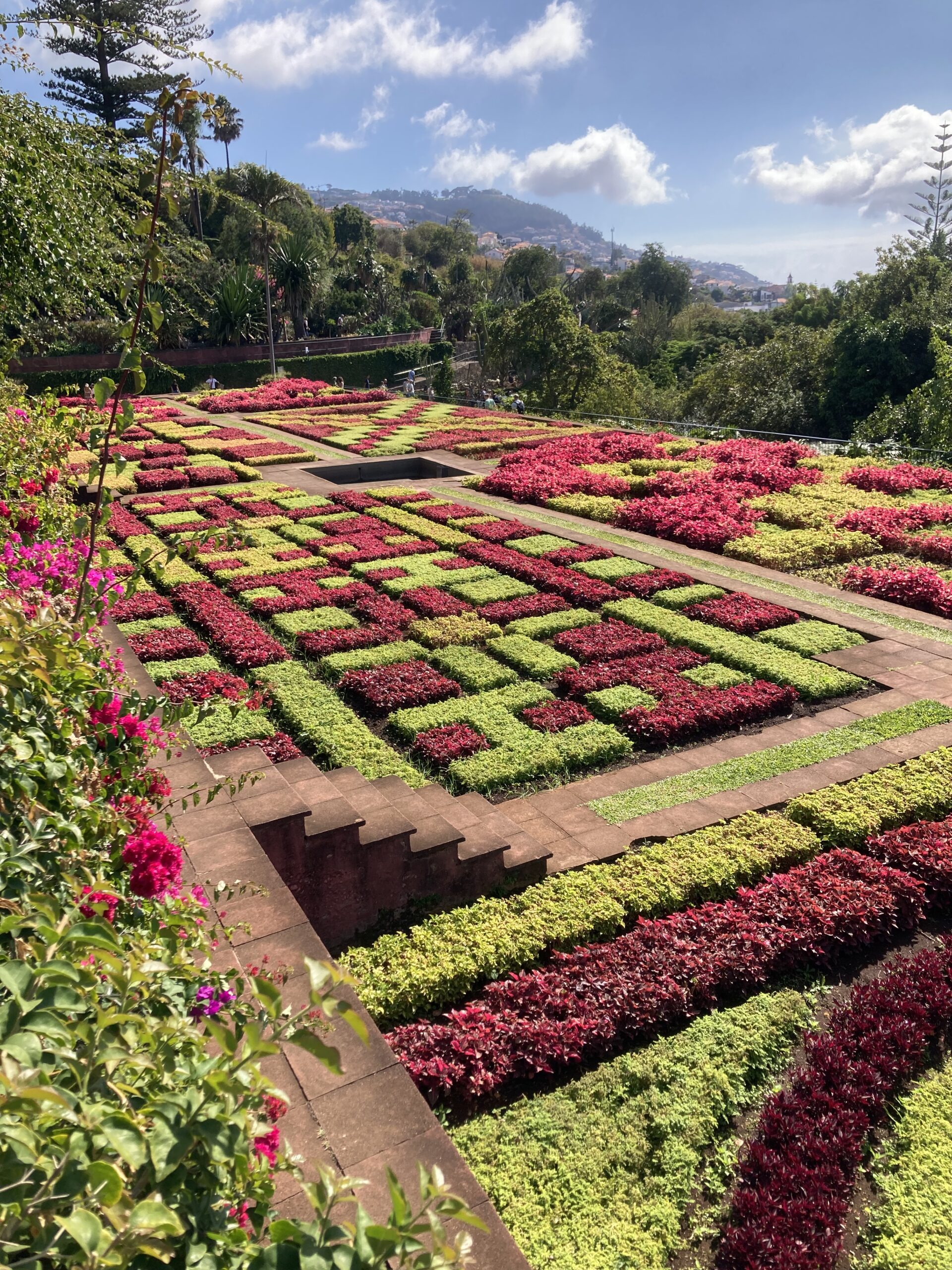
We just returned from our Garden Tour of Lisbon and Madeira Island Portugal. What a fabulous trip. First we started in Lisbon. For 3 days we toured some famous gardens and sites such as Frontiera and Sintra. But we also got an opportunity to tour some private gardens in less visited parts of the city with Tomas Tojo, The originator of the Open Garden Days in Lisbon. It’s amazing to see how much you can grow in a small urban lot.
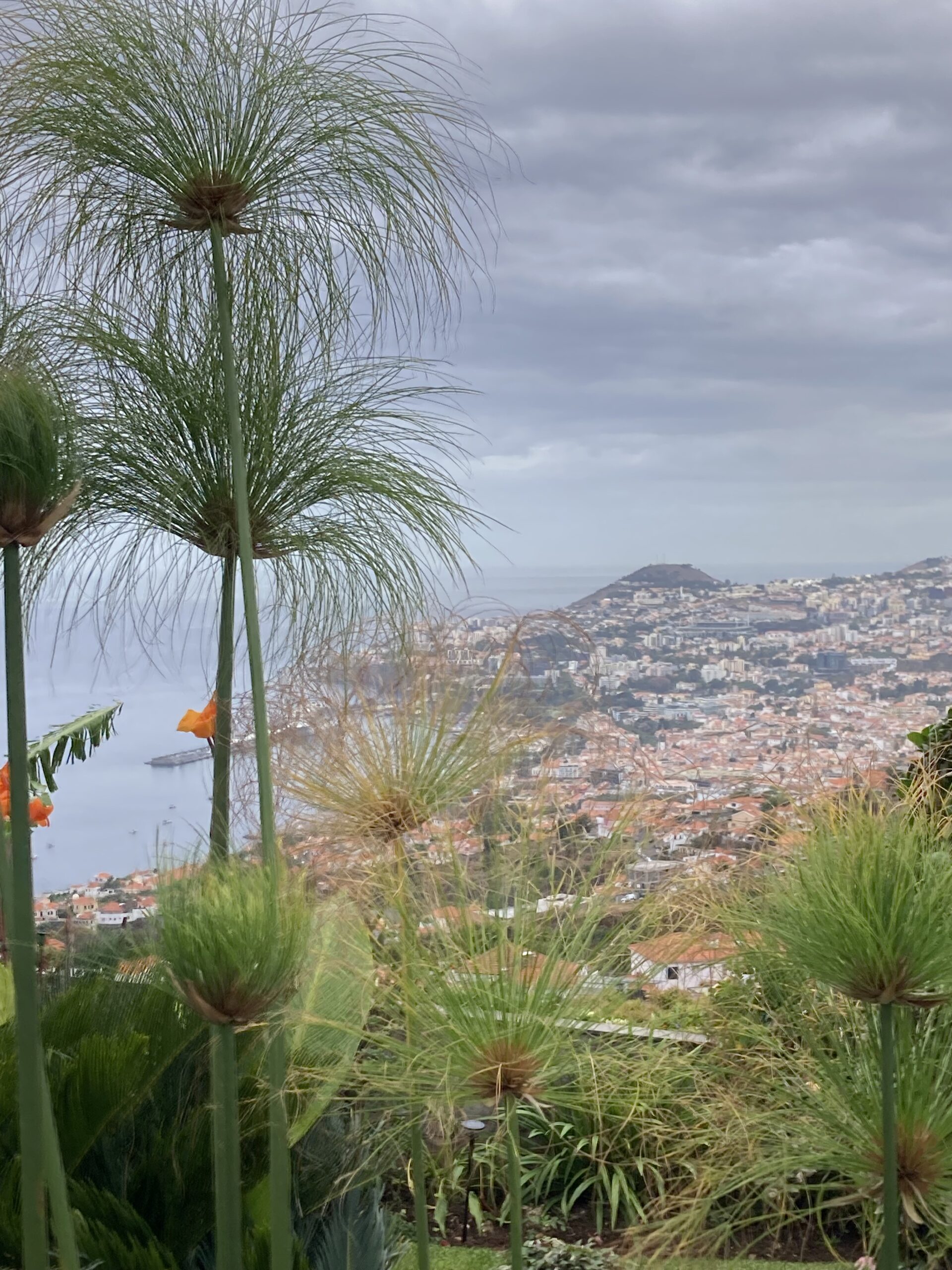
Then we flew to Madeira Island. It was discovered by the Portuguese in the 1400’s and has been inhabited ever since. It’s an old volcanic island with huge mountains coming right to the ocean. It also is a gardening paradise with moderate temperatures year round and enough rain to keep the plants happy. We visited some of the classic public gardens in Funchal, the capital, such as Monte Palace Garden and the Madeira Botanical Garden. But we also had a chance to visit private gardens. Going into someone’s backyard to see what they grow in this climate is also educational and fun. The owners were very generous to allow our group to tour their gardens.
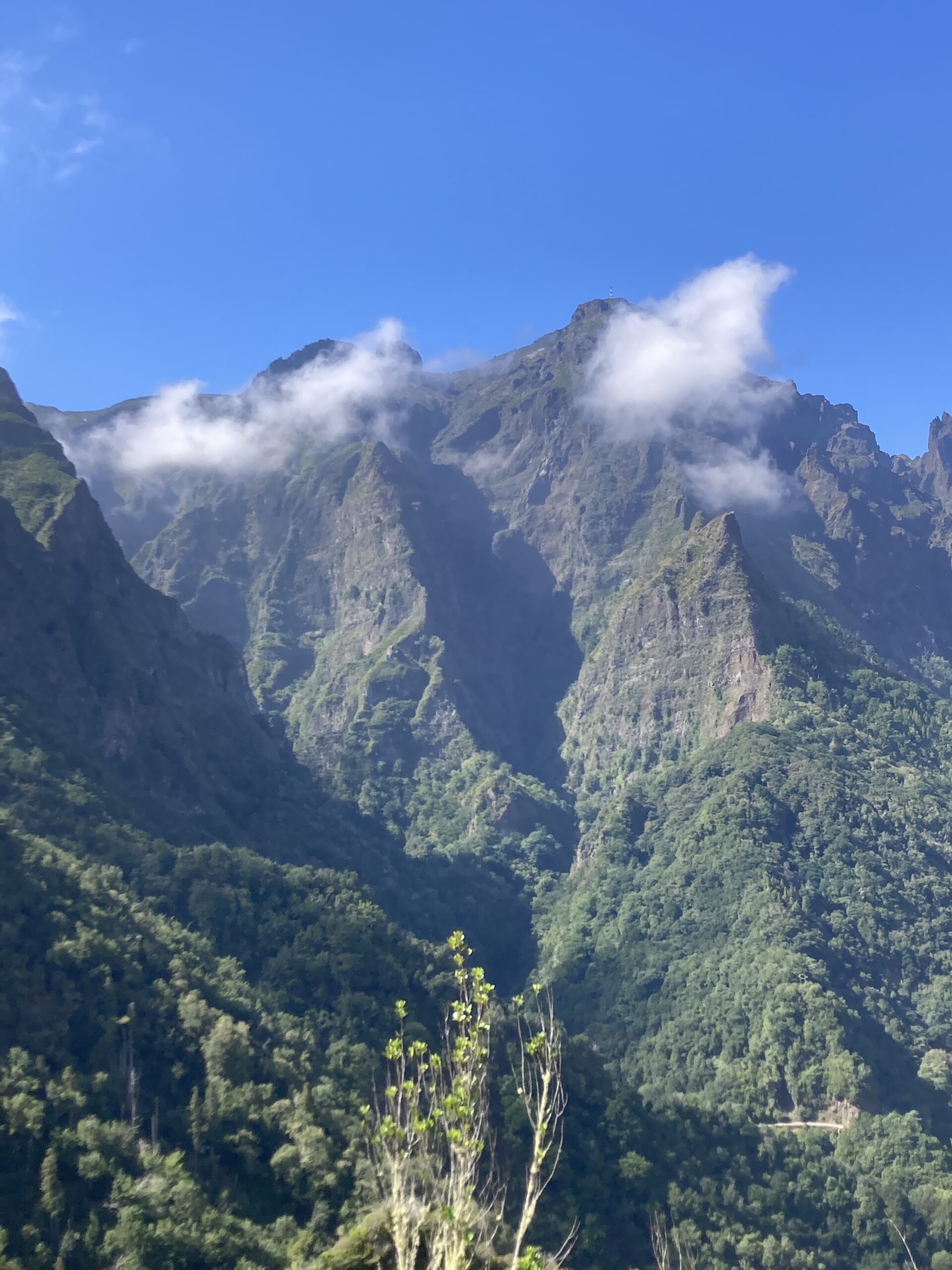
We also got to head to the wild and dramatic North coast for a walk along the canal system there and some swimming in old volcanic lava pools near the ocean. Between the food and hospitality of the people, it was a great trip. Enjoy the photos.
Watch our brief slideshow on the Tour here