Butterfly Gardening, Cherry Tomatoes, Deer Solutions, and Clivia

The end of March is starting to feel more like spring in our zone 5 garden. The winter aconites and snowdrops are blooming, the flower buds on our Cornelian cherry are fat and ready to burst and the birds are singing a happy song.
Many gardeners are interested in growing gardens to support and attract butterflies., especially the Monarchs. It’s a great idea and I talk about some of the best plants to grow for butterflies, including the best milkweed varieties, in this newsletter.
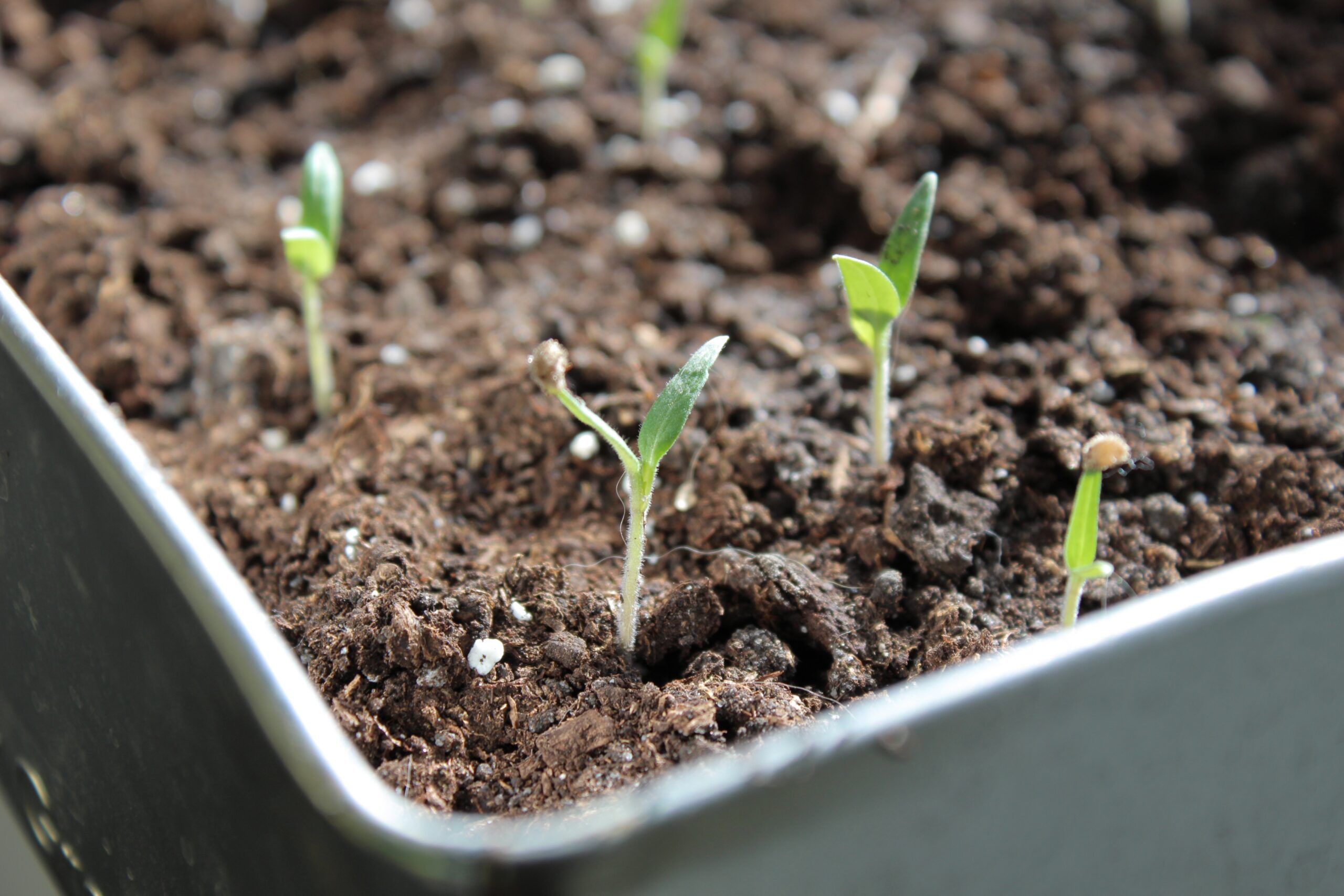
I’m starting my tomatoes from seed soon and we always add in 1 or 2 cherry tomato varieties. Since it’s only the two of us, growing more than 1 or 2 plants is excessive because, as you know, cherry tomatoes produce lots of fruits. I talk about our favorite varieties and ways to grow them to save space and keep them healthy here.
Our spring flowering bulbs are popping up all over and we know the deer are watching. Let’s chat about strategies to protect those crocus, tulips and other delicious bulbs from the hungry deer.
Our clivia is blooming! It usually does bloom this time of year. This year we put it in a colder room for winter and the result is a strong flower stalks with fragrant flowers. Learn more about growing clivia in this newsletter.
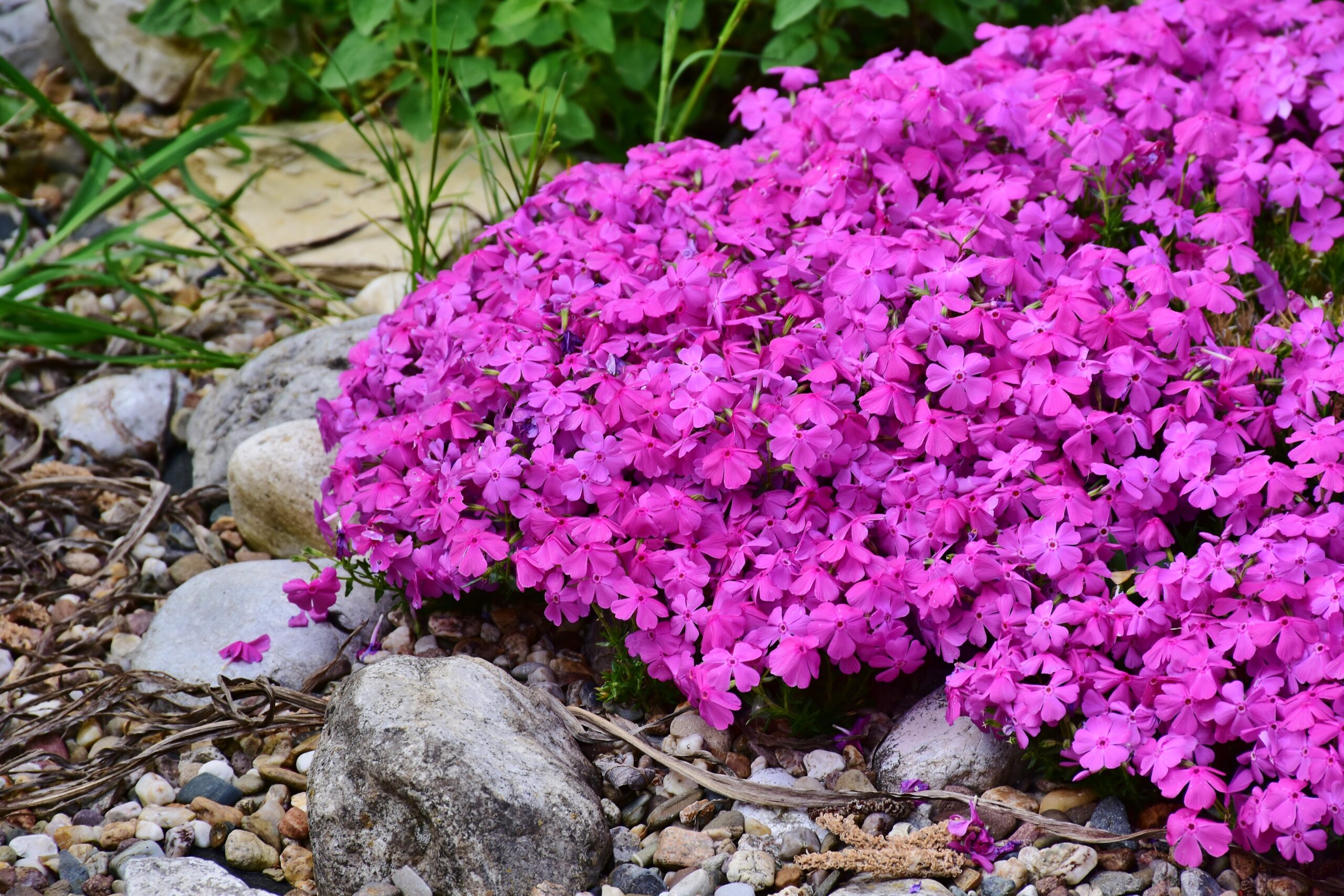
Do you want to learn more about early blooming perennial for the Northeast? Take a look at my monthly garden blog I write for Proven Winners called What’s Up North. This month I talk about Early Blooming Perennials to add color right out the gate in your garden. In the North, we’re starved for color in March and April. Luckily, there are some tried and true, hardy perennials that will flower early to satisfy our needs. I talk about them in my blog on Early Blooming Perennials for the Northeast, here.
Until next time I’ll be seeing you, in the garden.
Charlie

Where to Find Charlie: (podcasts, TV and in-person)
- In the Garden (WCAX-TV CBS) – This week: Cut Flowers from the Garden
- All Things Gardening on Vt Public Radio– This week: Self Sowing Vegetables
- WJOY In The Garden Podcast– This week: Fertilizing and pruning blueberries, soil testing, pruning Hydrangea and Rose of Sharon, flowering annual vines, and bird protection.
- Where’s Charlie Speaking? 4/14/26: Greenwich Garden Club, Greenwich, CT
How to Grow: Butterfly Garden

Butterflies capture the imagination of younger and older gardeners. There’s been a big push to plant butterfly gardens to help these beautiful creatures thrive, especially Monarch butterflies. You can certainly create a butterfly garden dedicated to plants that attract and feed butterflies, but you can also just plant butterfly friendly plants in your yard mixed with your other flowers. Let’s talk about the types of gardens and plants that butterflies love.
When designing a garden for butterflies first find a location in full sun on well-drained soil. Although some butterfly friendly plants will grow and bloom in part shade, full sun is best. Also, plan on growing fewer types of flowers, but more of them. Butterflies are attracted to large swaths of the same flower. So plant many rudbeckias, zinnias and other flowers so butterflies will find them. Also, plant different shaped flowers to attract different butterflies. Flowers with a tube-shaped, flat-shaped and daisy-shaped flowers will attract butterflies to your yard.
Then it’s a matter of selecting the flowers. Here are some of my favorite butterfly plants.
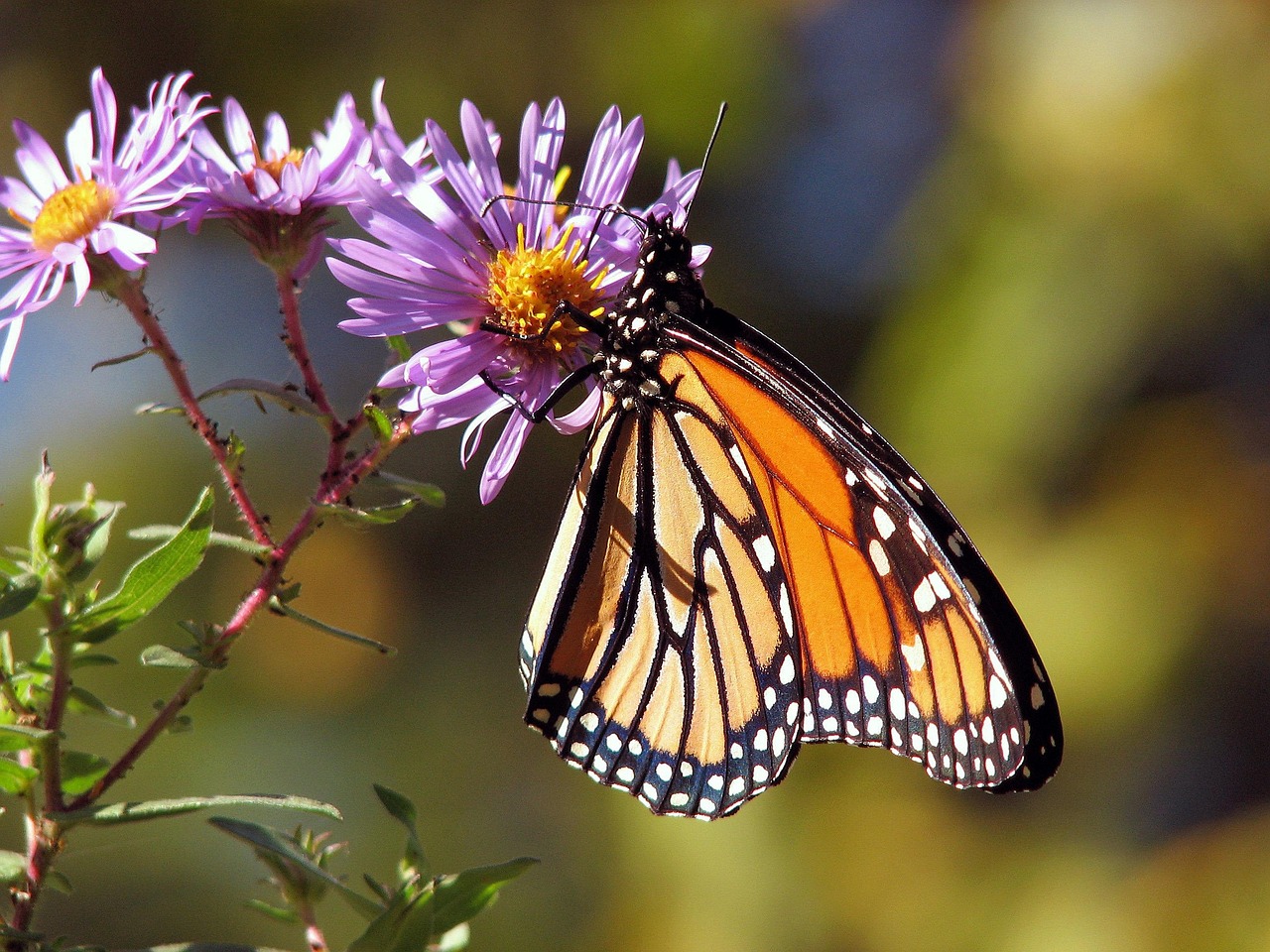
Butterfly Weed and Milkweed- Every garden should have some of these plants for butterflies. Butterfly weed (Asclepias tuberosa) features orange flowers on a 2- to 3-foot tall plant that blooms in midsummer. A yellow flowered version that is also attract butterflies is called ‘ Hello Yellow’. Instead of planting the common milkweed (Asclepias syriacus), which can spread and become invasive, try some of the other milkweed species that are tamer. Swamp milkweed (A. incarnata) grows well in wet areas. Purple milkweed (A. purpurea) is a good choice for part shade areas. Showy milkweed (A. speciosa) can grow in drier areas.
Joe Pye Weed- Joe Pye Weed (Eutrochium maculatum) is a native perennial with large, pink flowers on 6 feet plus tall plants in late summer. ‘Baby Joe’ Joe Pye Weed has purple colored blooms on dwarf, 3 foot tall plants. These plants are resistant to rabbit and deer damage.
Bee Balm- Bee balm (Monarda fistulosa) is another native that grows 4 feet tall with purple colored tube-shaped blooms. It blooms in early summer. To extend the flowering season, pinch back some bee balm plants when they are 1 foot tall and they will bush out, flower more and flower later. ‘Jacob Cline’ is a nice red selection.
Daisies and Rudbeckias- ‘Becky’ Daisies and ‘Prairie Sun’ Rudbeckia are great, mid to late summer flowers that butterflies love. These plants spread over time to fill a garden with color.
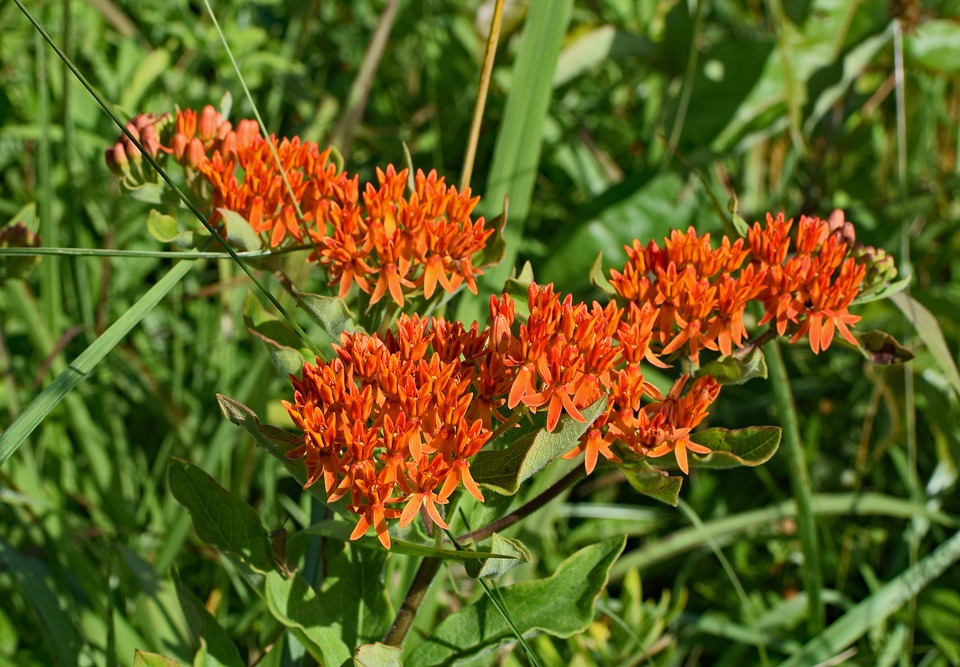
Asters- For fall color, nothing beats an aster. ‘Grape Crush’ (Symphyotrichum novae-angliae) is a 30-inch tall aster with beautiful purple flowers. ‘Wood’s Pink’ (Symphyotrichum novi-belgii) is a pink version and ‘Blue Wood’ aster (Symphyotrichum cordifolium) has light blue colored flowers.
Go here for more on Butterfly Gardening
Learn More About My Grow A Pollinator Garden Webinar Here

How to Grow: Cherry Tomatoes
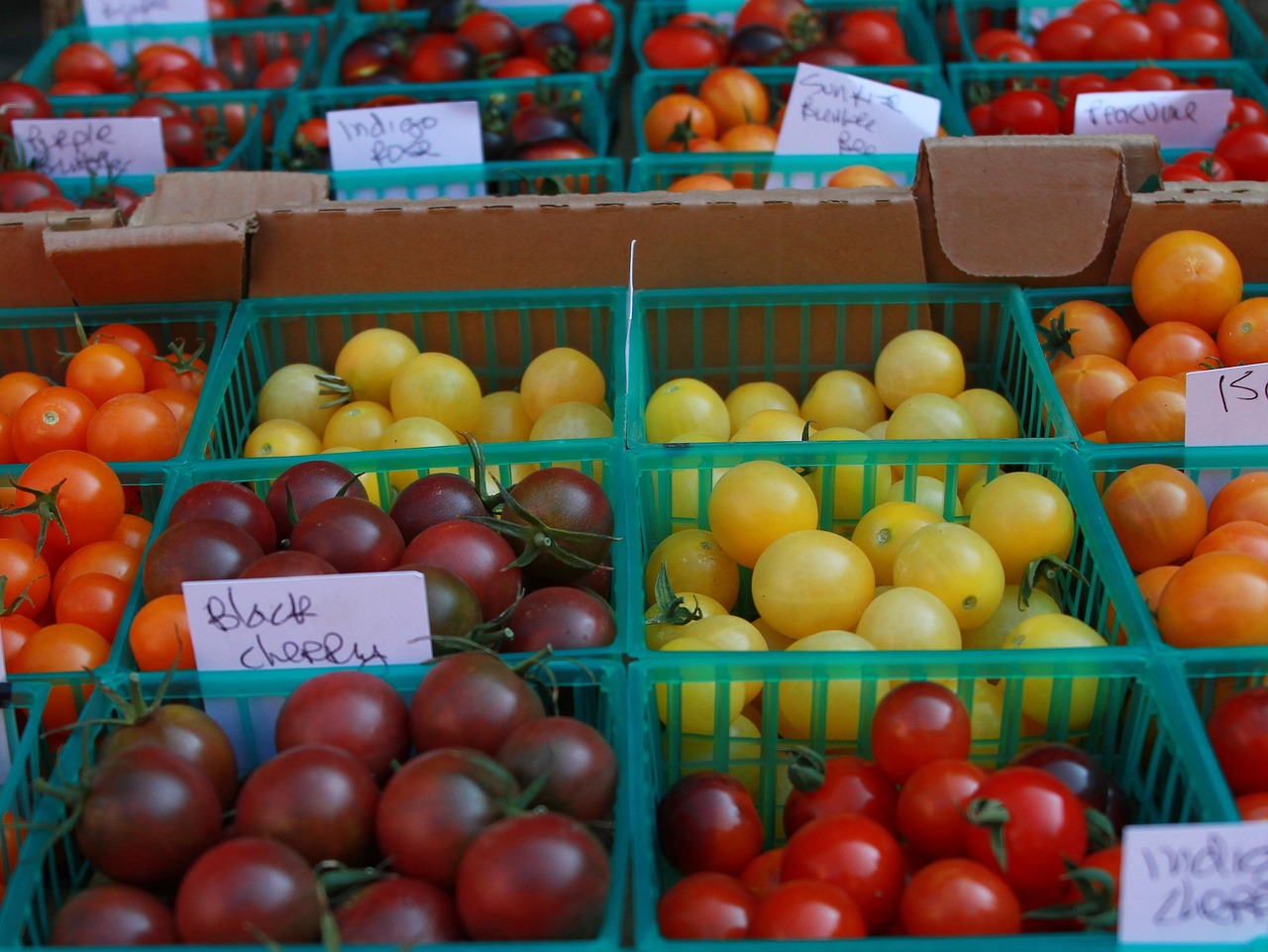
There’s nothing quite like eating ripe cherry tomatoes right off the vine in your garden. They are warm, juicy, sweet and delicious. And cherry tomato plants produce a ton of fruit. We often only grow one or two plants because we can’t keep up with the production. There are many cherry tomato varieties to choose from. ‘Matt’s Wild Cherry’ is a currant sized, early maturing, red variety with good disease resistance and production. ‘Sun Gold Hybrid’ is our favorite with sweet, orange-gold colored fruits that keep producing until frost. ‘Black Cherry’ has brown colored fruits with a flavor like ‘Brandywine’ tomatoes. ‘Sunrise Bumblebee’ has yellow, crack resistant, fruits with streaks of red and a delicious flavor.
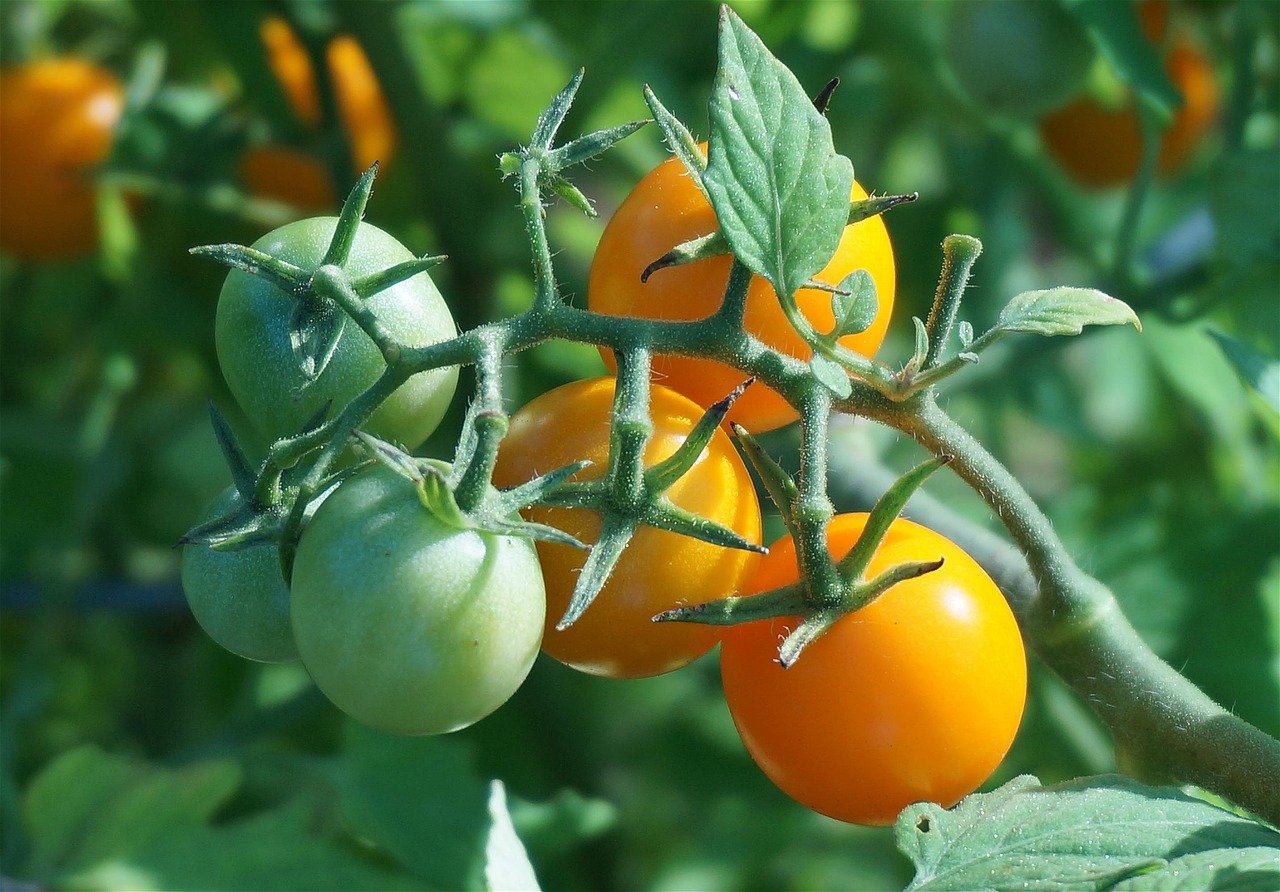
Most cherry tomato varieties are indeterminate plants. This means they will grow big. Erect a trellis, use large tomato cages or grow them on a fence to keep the plants standing vertical and the fruits off the ground. Like any tomato plant, cherry tomatoes like full sun, well-drained, compost amended soil and plenty of water. We interplant leafy greens, herbs and radishes between our plants in spring to create a polyculture bed. We eat the greens until the tomatoes grow big enough to shade them out. See my book, The Continuous Vegetable Garden, for more on this and other vegetable planting techniques.
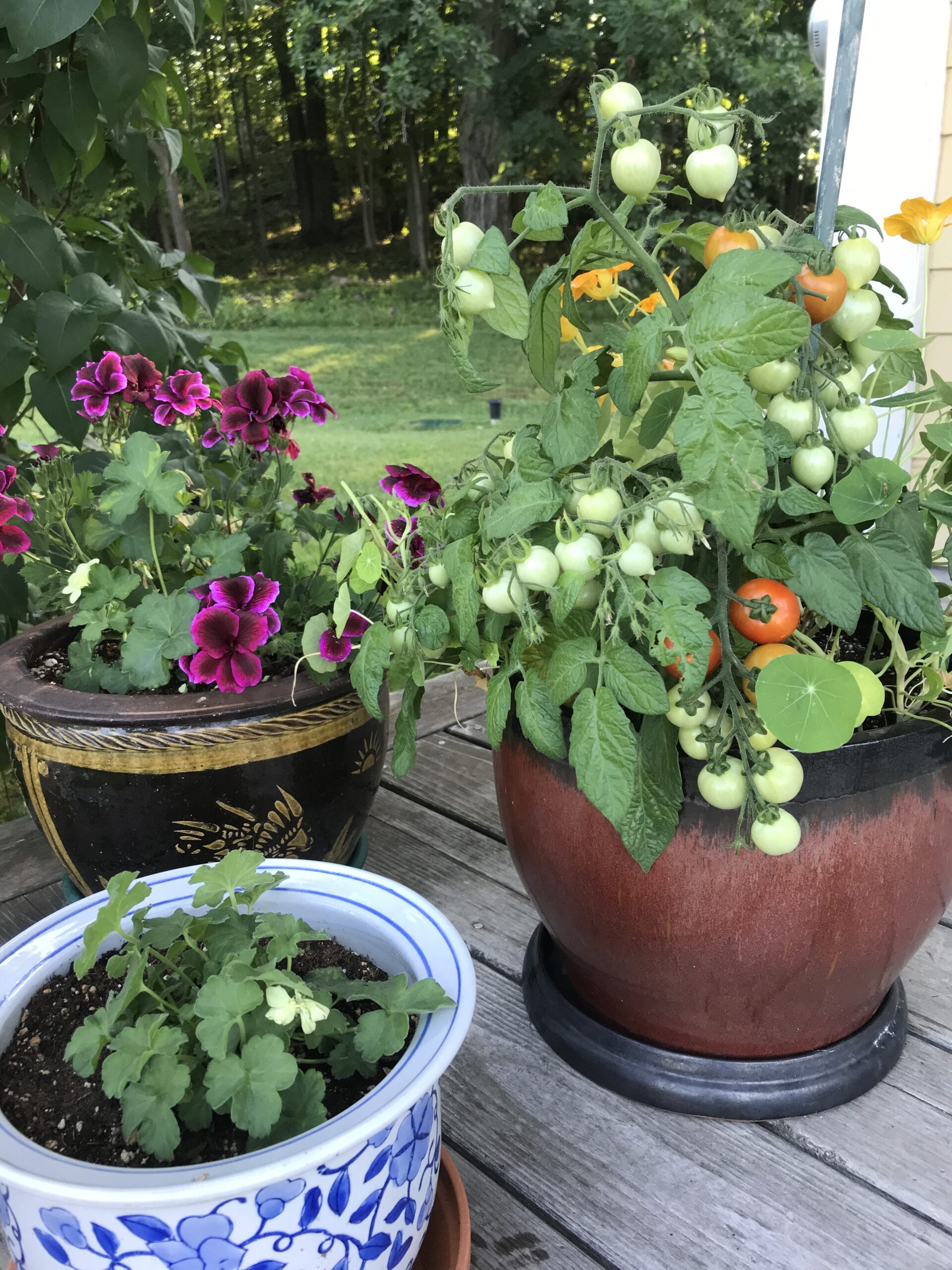
We also plant our cherry tomatoes on a straw bale. This technique is great to elevate the plants off the ground, not use much soil and have less disease and cracking fruit problems. Containers work well for dwarf cherry tomatoes, too. Pick off the suckers of your cherry tomatoes after July 1st to concentrate the ripening of the fruits. Tie the stems to the fence or trellis. Interplant basil to prevent tomato horn worm damage. And keep harvesting. Cherry tomatoes will produce until frost.
Learn more about Cherry Tomatoes here
Deer Solutions
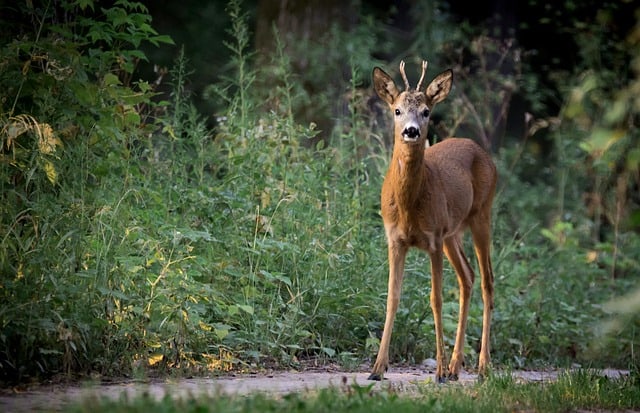
Deer are a perennial problem and it all starts in our garden in March and April. After a long winter in our zone 5 climate, deer are hungry. They will find their way into our garden looking for any tasty spring growing plants. Unfortunately, that includes many of our bulbs such as tulips and crocus. So, what to do about our deer problem?
We have two solutions. We fence our yard to keep deer from entering. The wire fence has to be 7 feet tall to keep them out. You can also place two shorter fences 5 feet apart next to each other to prevent them from jumping over. I’ve even had success using an electric mesh fence to deter deer.
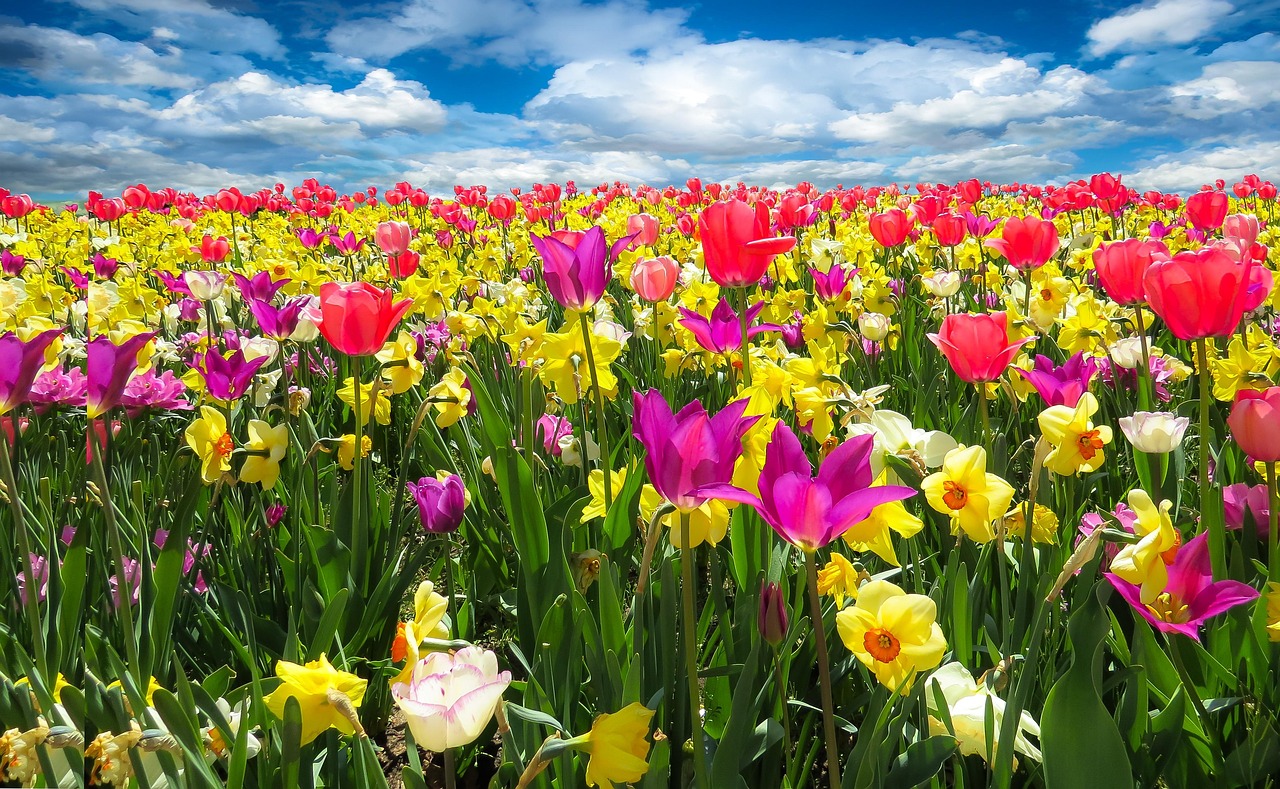
If fencing isn’t possible or preferable in your yard, try repellent sprays. Get smell based sprays that deer hate. The active ingredients could be rotten eggs, blood meal, garlic or fragrant herbs. The key is to spray often. It’s important because as the plants grow quickly in spring the new growth won’t be protected. And deer get used to a smell, so rotate three different sprays to confuse the deer. How remedies, such as soap, animal urine and hair, will work for awhile, but the deer quickly get used to them. Reflective tape and aluminum pie plates are the same. You can also plant bulbs deer don’t like such as daffodils, alliums and fritillaria.
Learn more about Deer Solutions here
In Our Garden: Clivia Houseplant
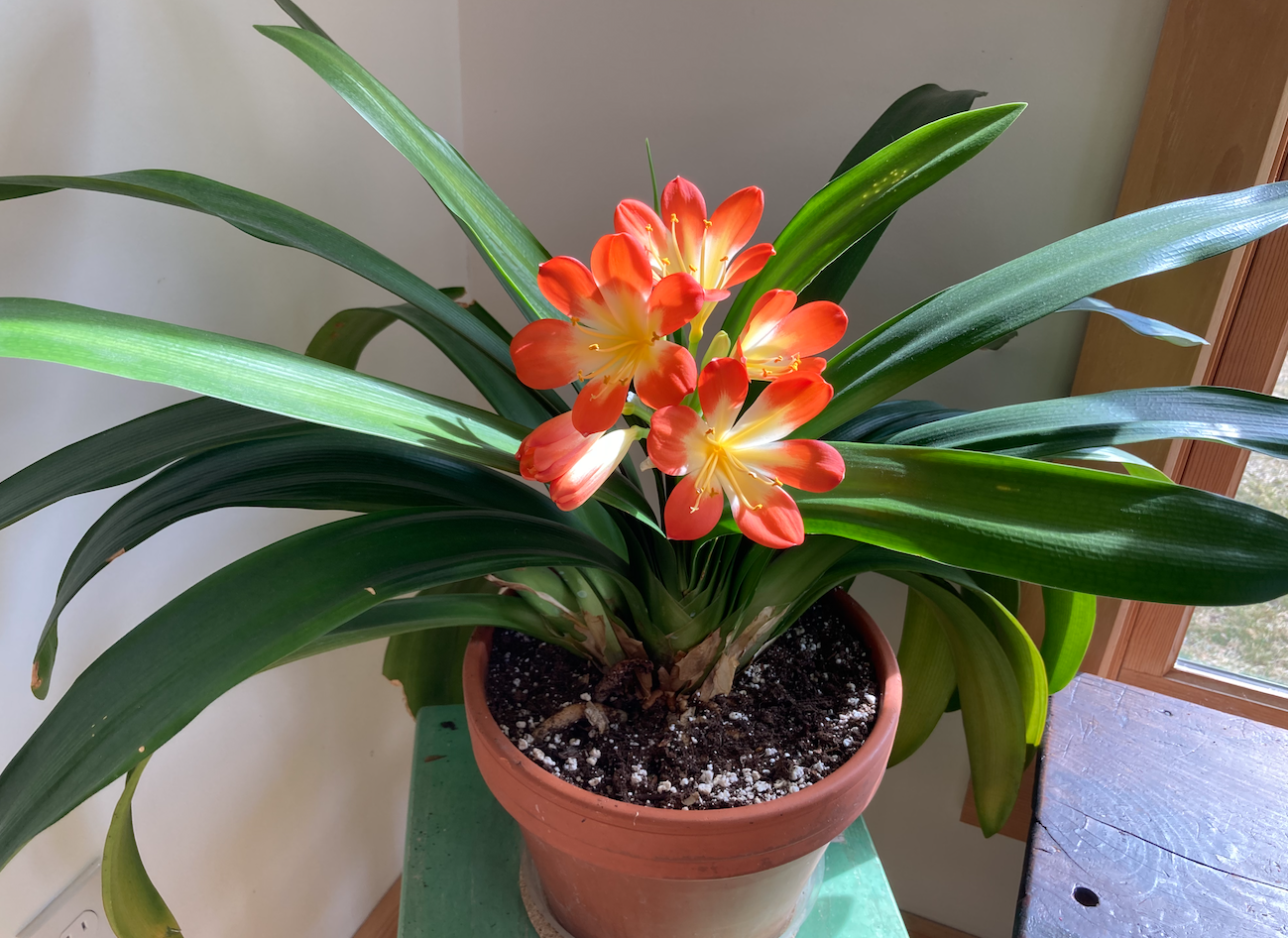
It’s always a celebration in our house when the clivias start to bloom. They just hang around for 11 months of the year with their dark green, strap-like leaves. Then come late winter, if you’re lucky, a flower stalks emerges from the center and gives you bright orange, fragrant clusters of flowers. It’s a breathe of fresh air after a long winter. There are other colored versions of clivia in shades of yellow, salmon and white, but they tend to be very expensive.
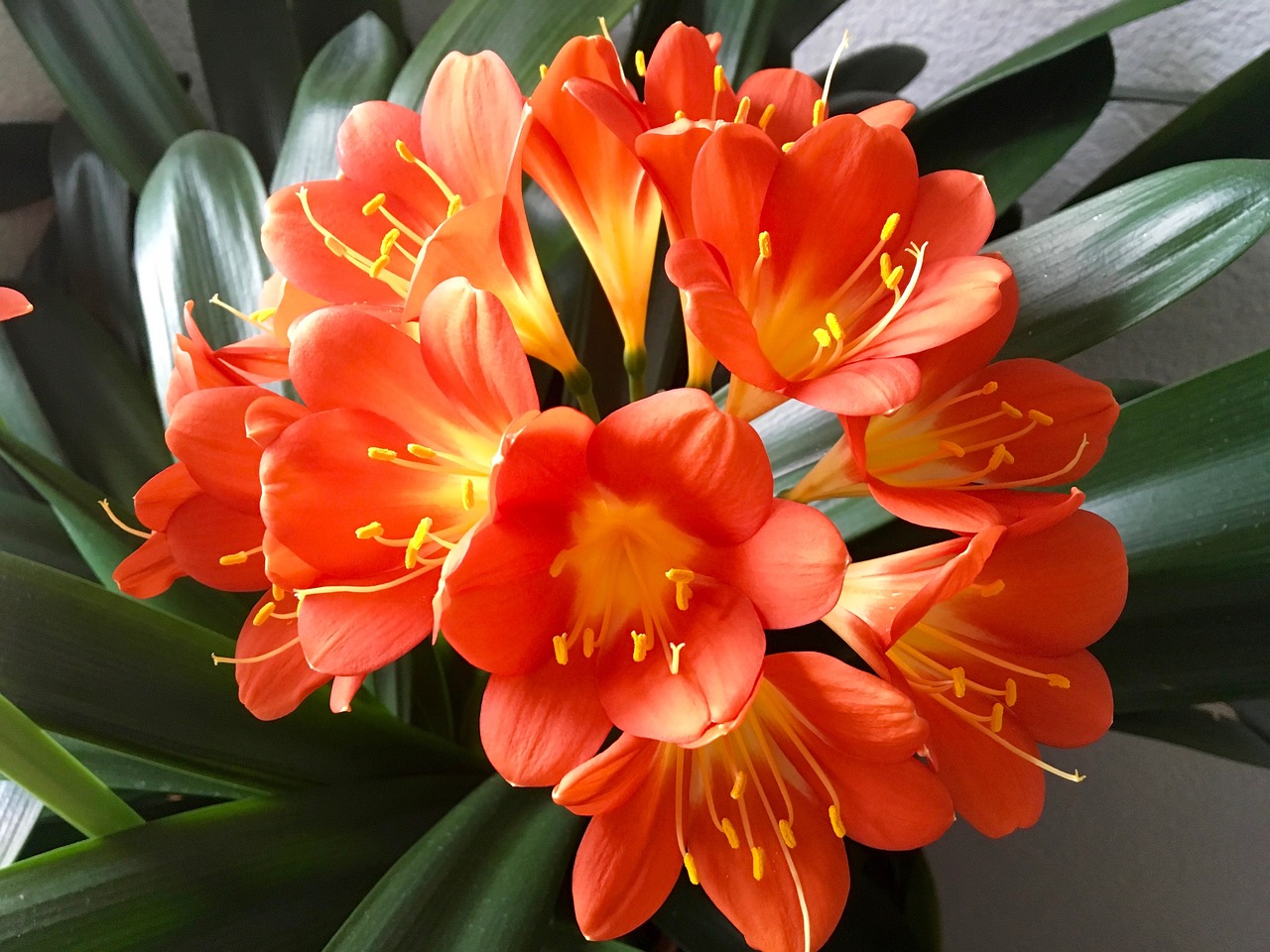
The key to getting them to bloom and extend their flower stalks, is 3 months of cold temperatures and dry conditions in fall and winter. This mimics their native climate and helps initiate better flowering. We place ours in a back bedroom that gets good natural light, but is cooler than the rest of the house. An unheated sun room could also work as long as the temperatures stay above freezing and below 60F. Like amaryllis, clivias like being root bound so don’t rush to repot them into a larger pot.
After flowering, cut back the flower stalks, water and fertilize and keep in a sunny window all summer. Clivia will eventually send out pups or new baby plants that can be divided from the parent and grown. It may take a few years for these baby plants to flower, but they eventually will.