Reliable Black Eyed Susan, Fabulous Favas, Elegant Elderberries and Powdery Mildew Disease
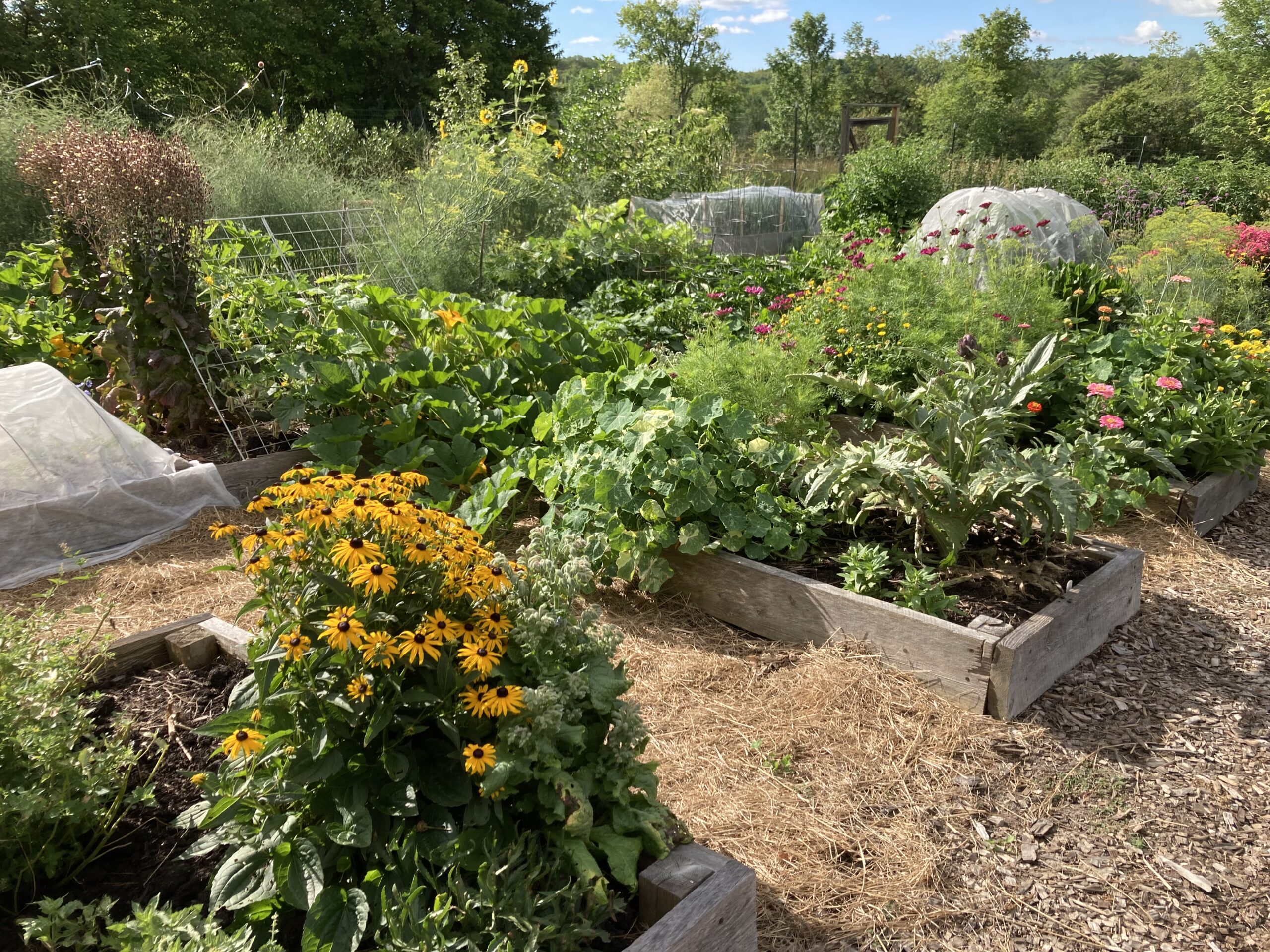
We’re deep into summer in our zone 5 garden and now the emphasis is on harvesting. We’re picking lots of vegetables daily, fruits in abundance (want some blueberries?) and herbs as needed. It’s a celebration of edibles and many flowers in our garden. And yes, we are noticing it and taking time just to enjoy it all.
In this newsletter I talk about one of the workhorses in our perennial flower garden. Rudbeckia or black eyed Susan, is a hardy, tough perennial in the North and grows across the country. It has few pests, reliably comes back each year to flower this time of year and provides color in August in our zone 5 garden when often we feel like our gardens are in an in between stage. Learn more about Rudbeckia varieties and growing them here.
I could talk about many of the common vegetables growing well right now, but I want to segue way to a vegetable that few people grow, but is worthwhile. Fava beans or broad beans are a cool season loving legume that grows 3 feet tall with large pods loaded with beans. While a cool loving vegetable, it’s still producing in our garden and it’s time to plant a fall crop. I talk about the many advantages of growing fava beans here.
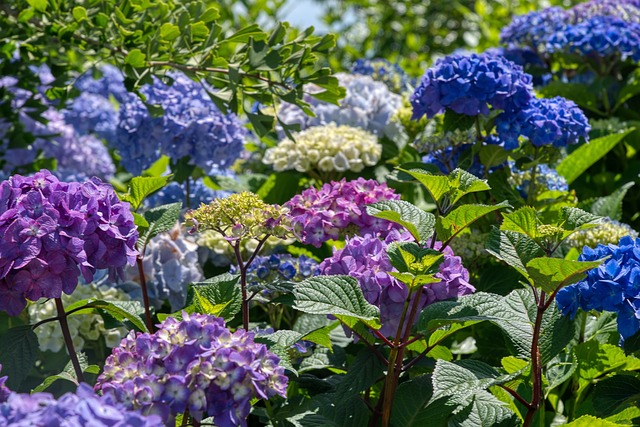
A beautiful shrub that should get more attention is the elderberry. In our garden it’s loaded with berries now that are starting to ripen. We usually just let the birds enjoy them, but friends and family are interested in making juice and jams, so we may cover them to share the crop with birds. These shrubs are also attractive in the landscape. Learn more in this newsletter.
Lastly, keeping with my theme of problems in the garden, in this issue I talk about powdery mildew disease. This fungal disease affects a wide variety of plants including bee balm, roses, lilac, phlox, and pumpkins, squash and melons. Learn how to control it here.
Let’s talk Hydrangeas! Take a look at my monthly garden blog I write for Proven Winners called What’s Up North. This month I talk about Hydrangea Advise for the Northeast. Hydrangeas are favorite shrubs of many gardeners, but often questions such as where to plant, how to fertilize, how to prune and how to protect them, pop up. In this blog, I talk about growing hydrangeas in the Northeast with special emphasis on the many different types and varieties. Check out my blog on Hydrangea Advise for the Northeast, here.
Until next time I’ll be seeing you, in the garden.
Charlie

Where to Find Charlie: (podcasts, TV and in-person)
- In the Garden (WCAX-TV CBS) – This week: Sweet Peas and Blackberry Lily
- All Things Gardening on Vt Public Radio– This week: Verbascum Flowers
- WJOY In The Garden Podcast– This week: Squash and cucumber problems, planting wildflowers, controlling squash bugs, black knot disease on plums, tomato blossom end rot, and sweet peas.
- Where’s Charlie Speaking? 8/5/26: Continuous Vegetable Garden, Ct Plant Science Day, Hamden, CT
How to Grow: Rudbeckia

I always know that late summer is getting close when our Rudbeckia or black eyed Susan flowers start opening. These tough, native, perennial flowers are a mainstay in our garden. Like Echinacea, bee balm and tall phlox, we spread these flowers everywhere. Not just because we love the bright yellow colors and the bee and butterfly activity, but also because they are so easy to transplant and move around the garden
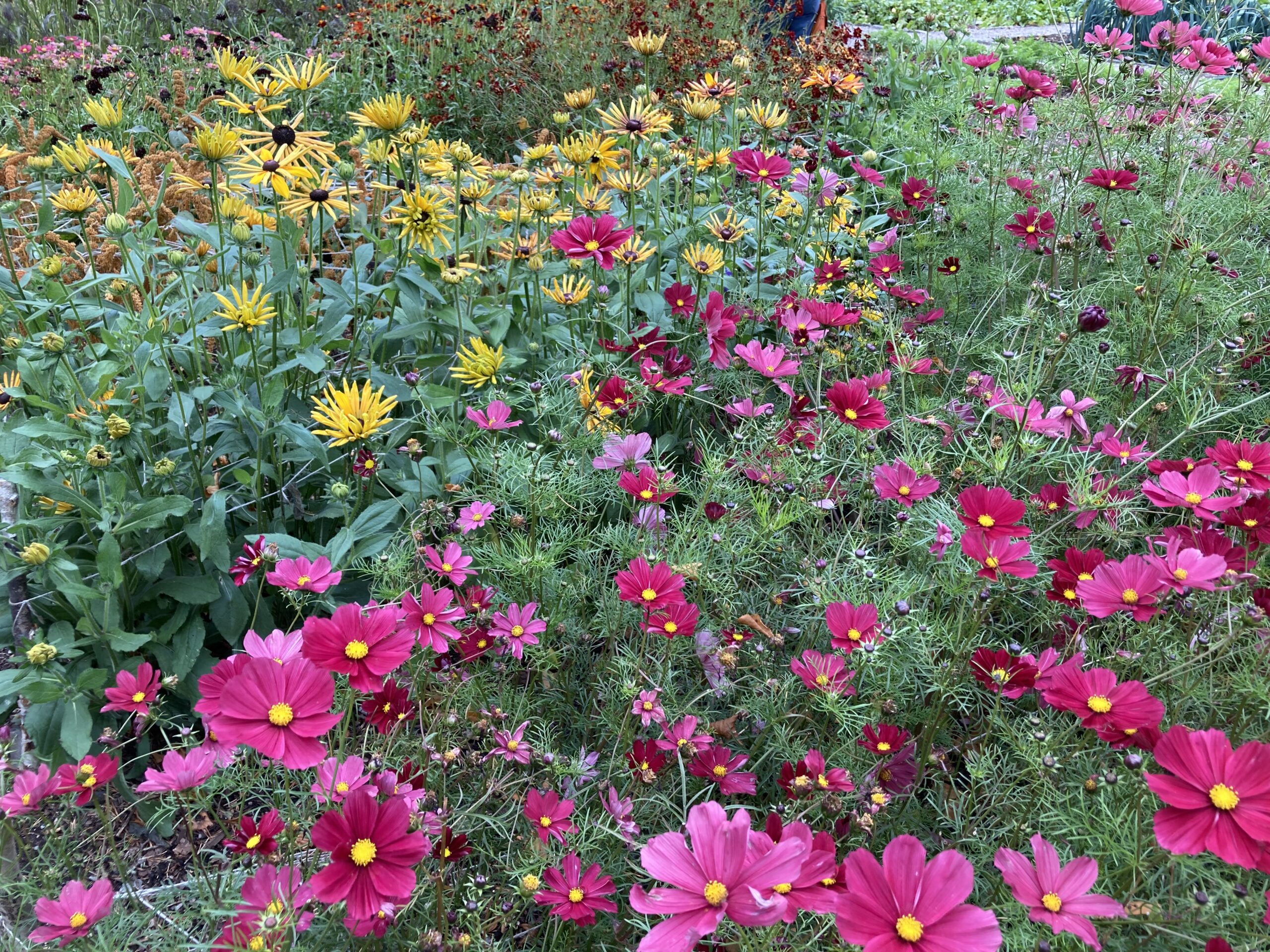
If you think black eyed Susans (Rudbeckia hirta) are just those 2 foot tall, yellow petals with black cone wildflower you see, think again. There are a tremendous number of selections that fit in all types of locations in your yard. ‘Goldsturm’ (Rudbackia fulgida) is an improved variety with better adaption to poor soils, drought and humidity and like all black eyed Susans, it’s deer resistant. Prairie Sun’ (R. hirta) has the same bright golden petals but the cone inside is green. The petals also have shades of orange in them. ‘Gloriosa Daisy’ black eyed Susan (R. hirta) grows 2- to 3-feet tall, tolerates part shade and has attractive two toned petals- dark on the inside, light on the edge. ‘Cutleaf Coneflower’ (R. lacinata) can grow up to 10 feet tall, with cut leaves, with drooping petals and yellow-green centers. This native grows well on moist soils and in part shade It often is found on the edge of woodlands and along streams.
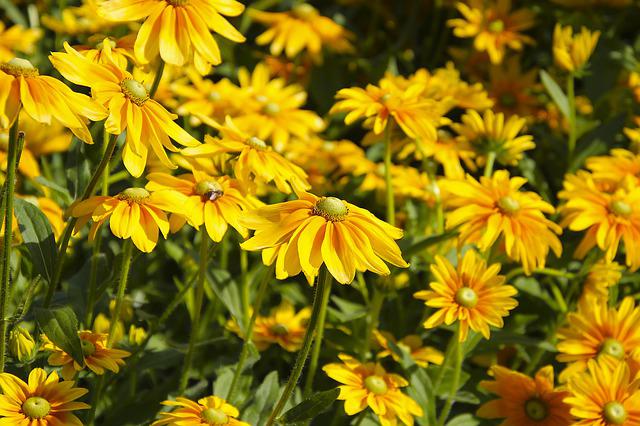
Rudbeckia plants and seeds are pretty forgiving of poor soils, part shade and competition from other flowers. It’s easiest to start with transplants, but if growing Rudbeckia in a large area or meadow, seeds work as well. Plant in spring or fall in well-drained soil with average fertility. Keep well watered the first year. After that, they are mostly drought tolerant. Rudbeckia clumps will expand with age and the flowers, if not deadhead, will spread seed around the garden. The flowers are favorites of birds, bees, butterflies and other pollinators. If you want to attract these creatures to your yard don’t deadhead spent flowers. The cones have seeds that song birds love and the stems and foliage hide pollinators in winter that will be helpful in next year’s garden. And deer, rabbits and even wood chucks don’t seem interested in eating Rudbeckia plants.
Learn More about Growing Rudbeckia here

Fava Beans
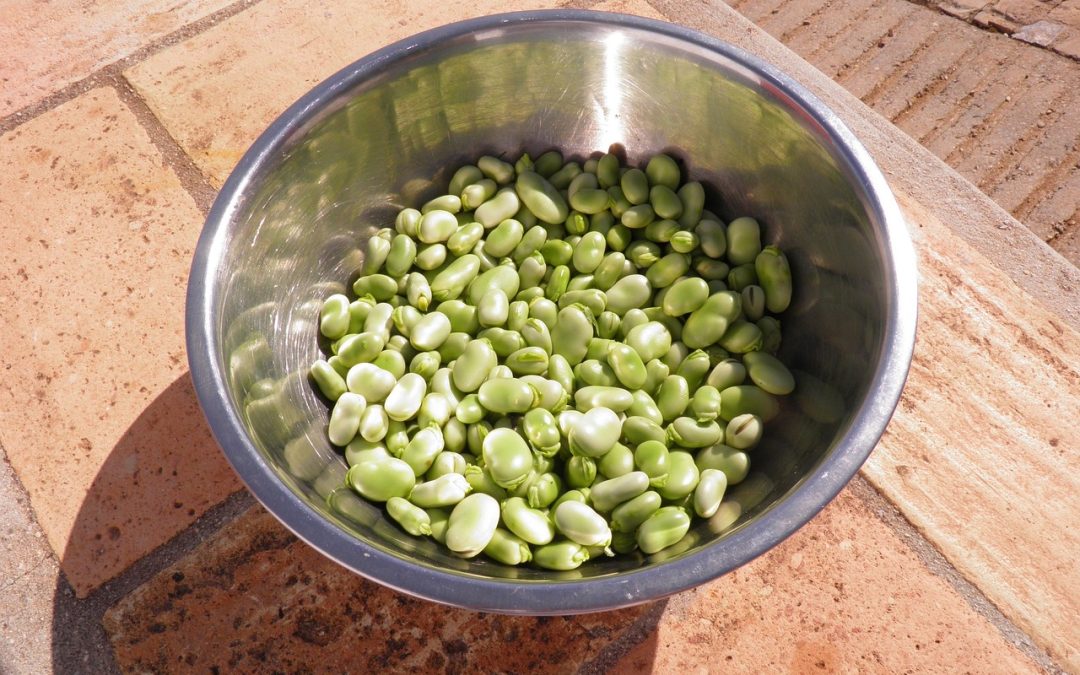
Fava beans (Windsor or Broad beans) are not your usual vegetable garden plant, but they should be considered for a variety of reasons. Favas are legumes and have a taproot so, at the least, they are good soil builders. Often favas are used as a green manure or cover crop for this reason. We grow fava beans in fall, harvest the pods for eating and leave the plant to overwinter in our zone 5 garden. It usually doesn’t make it until spring, but even the dead plant holds the soil in winter. We then chop up the remains in spring, add compost and plant right into the soil. Favas have also been used as a feed crop for various animals.
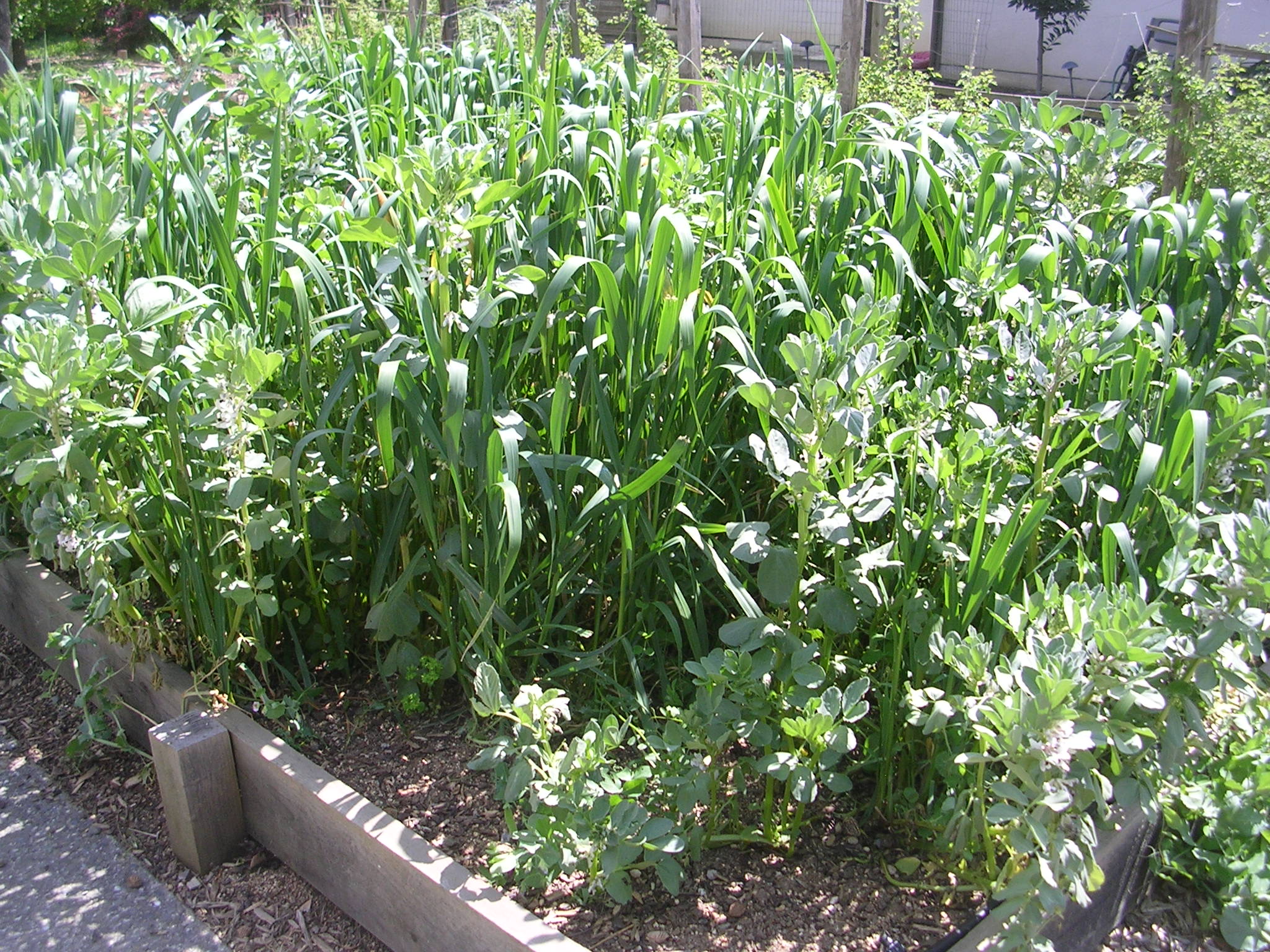
But mostly we grow it to eat. The large, bean-like pods are filled with big beans that remind you of lima beans, but are smaller and, I think, tastier. The plants thrive during cool conditions, so are often planted from seed in spring before the last frost date to mature in early summer. We’ve been eating them for awhile. You can cook and mash them into a dip, add cooked beans to rice, pasta and other veggie dishes or just eat them cooked as a snack. They’re tasty and nutritious. You can not only eat the beans, but the young leaves, too, for salads or for making pesto.
Another way to grow favas is as a fall crop. They are somewhat frost tolerant, so if you plant now, you should have a crop by October. With the shorter days and cooler conditions, the beans don’t grow too large and get tough, so you can eat them as you wish. While most varieties have attractive white flowers, ‘Crimson’ has red flowers and is outstanding in the garden.
Learn more about fava beans here
How to Grow: Elderberry

In my book, Foodscaping, I highlight many shrubs that have multiple uses in the landscape. They are attractive and produce some edible parts. One of my favorites is the elderberry. The elderberries we eat come in two species. Sambucus canadensis or American elderberry is a large, 10 foot tall plant that produces large, white flowers in early summer and umbels of dark berries in midsummer. Varieties such as ‘Adams’, ‘York’ and ‘Nova’ are best for berry production. The European elderberry (S. nigra) also has edible berries, (‘Samdal’ is a good selection) but its claim to fame is the interesting foliage. Varieties, such as ‘Black Beauty’, have dark colored leaves while ‘Lemony Lace’ has chartreuse colored foliage. Some, such as ‘Black Lace’, have dark foliage and cut leaves. It looks like a Japanese maple!
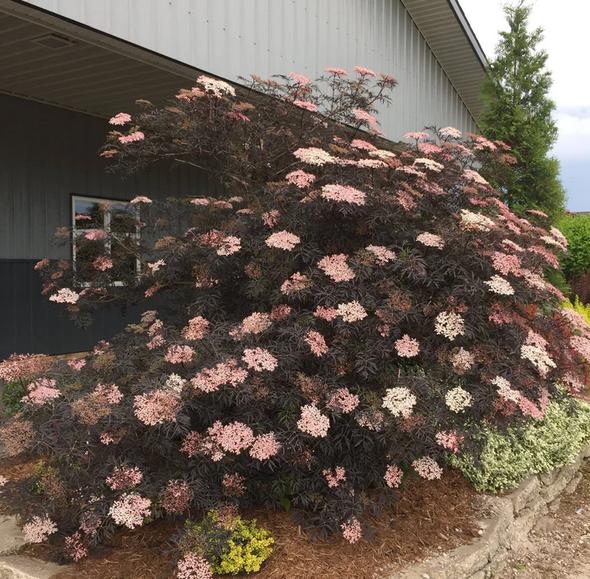
Elderberries grow best in full to part sun on well-drained, but moist soils. I often see them growing in roadside ditches because of the available moisture. But, too much wet without drainage is a death knell to elderberries. The flat, white flowers attract a plethora of pollinators and are edible, too. I know gardeners who make fritters out of the flowers and even make champagne. Once the flowers pass, the small, dark berries form on the umbels. You’ll have to cover the bush to protect it from birds, as they love the berries. Harvest the berries when fully black by cutting off the umbel. Instead of hand picking the individual berries, try this trick. Freeze the entire umbel overnight. In the morning shake it over a bowl and the berries should just fall off. Prune the shrubs by removing the branches older than 3 years old in spring. These tend to be brittle and don’t produce many flowers. Keep the area well weeded.
Use the berries for making syrups, juice, and jams. They are healthful and delicious.
Learn more about Elderberry here
In Our Garden: Powdery Mildew Disease

Come midsummer something can happen to many plants in your garden, especially if you live in a Northern area. The fungal disease, powdery mildew, forms seemingly overnight. It often turns the leaves of flowers and vegetables yellow with a white coating. The cool overnight air, creating dew on the leaves in late summer makes the leaves ripe for the fungus to form. Many plants are effected. Bee balm, tall garden phlox, roses, lilacs, squash, pumpkins and melons are some common plants that can get powdery mildew.
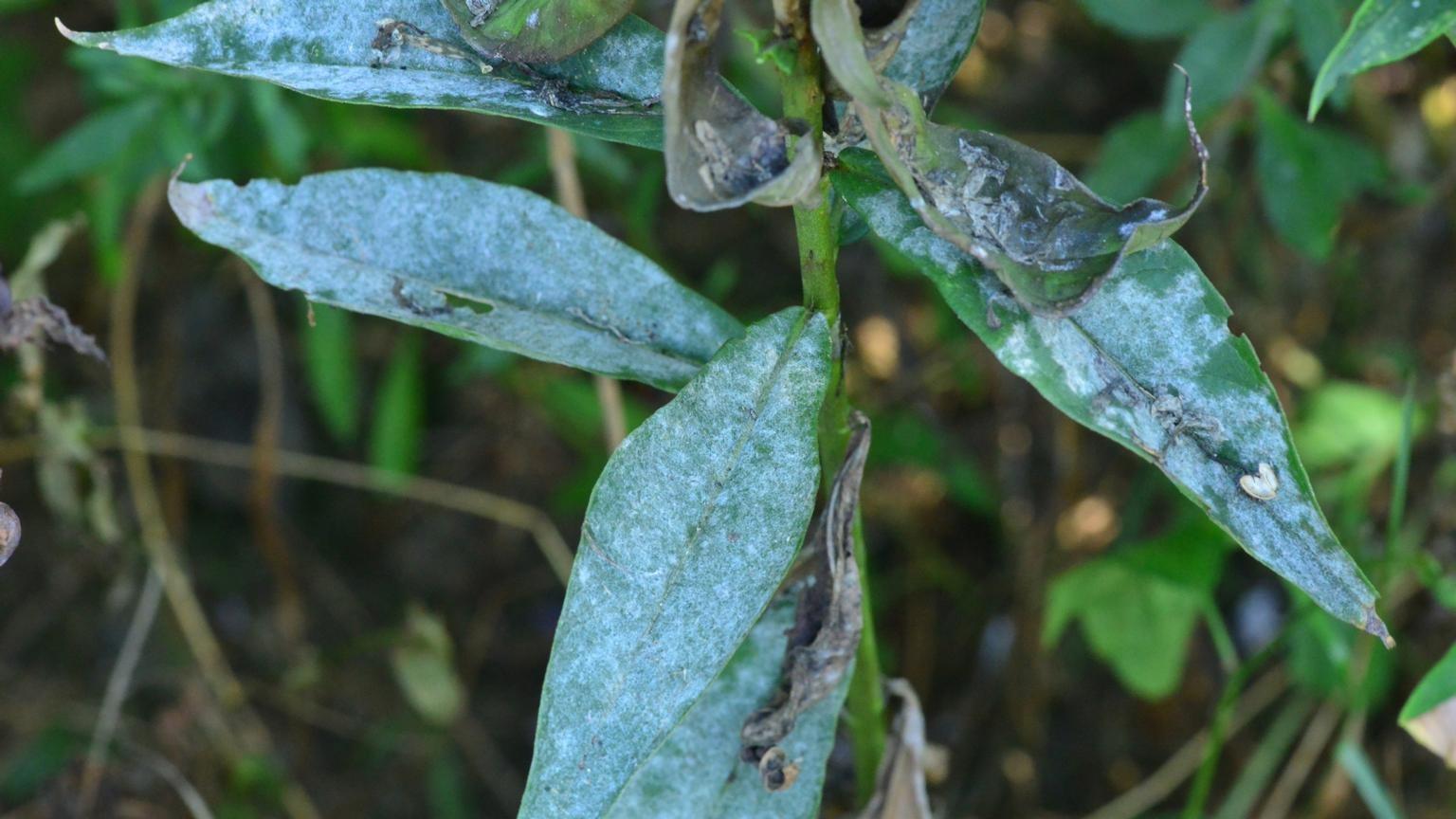
University of Maryland Extension
The first line of defense is growing resistant varieties. Try varieties such as ‘Marshall’s Delight’ bee balm, ‘David’ phlox and ‘Europeana’ rose. Many squashes and melons, such as ‘Honeynut’ butternut squash, have powdery mildew resistance in their variety descriptions.
To prevent the disease on other varieties spray organic fungicides, such as Serenade (Bacillus subtillis), or spray baking soda at a rate of 1 tablespoon per gallon of water on leaves as a preventive measure. It’s thought baking soda changes the pH on the leaf making it less inviting for disease spores. Some people have also tried raw milk sprays, but that sometimes harms the leaves. Once you have the disease, picking off and destroying infected leaves or stems is really your only option.