No Mow Lawns, Cool Cucumbers, Coleus for Sun and Shade, and Rhubarb
It’s May and the gardening is in high gear. It’s hard to find time to garden and work, but it’s a rainy day, so here I am writing this newsletter for you. Our lawn has been growing fast with our cool, wet spring in Vermont. I’m not a big, traditional lawn fan, but I do love how gardeners are trying to make lawns less of a mono-culture and more friendly to pollinators. I talk about “no now” lawn mixes and ways to integrate them into your lawn in this newsletter.
Cucumbers have gotten a face lift the last number of years. Slicers and picklers were always the two main classes, but now there are cukes of various shapes, sizes and skin colors. i talk about these unusual cucumber varieties and ways to grow them here.
I’ve been growing coleus since high school! This easy to grow annual flower features amazingly colorful leaves and new varieties can stand the sun or shade. So, let’s talk about coleus and how to grow them in this newsletter.
In Vermont, May is rhubarb season. We just had out first rhubarb compote of the season on top of tapioca! It is delicious. So I thought to chat about growing rhubarb, where to place the plants and a cool way to make the petioles (stems) less sour. Learn more here.
Do you want to help our pollinating insects? Take a look at my monthly garden blog I write for Proven Winners called What’s Up North. This month I talk about Pollinator Gardens. Many of us know the plight of pollinating insects and how critical they’re to our life on this planet. In this blog I talk about ways to attract and keep pollinators in your yard, pollinator needs beyond food and the best plants to grow for pollinators. Check out my blog on Pollinators for the Northeast, here.
Until next time I’ll be seeing you, in the garden.
Charlie

Where to Find Charlie: (podcasts, TV and in-person)
- In the Garden (WCAX-TV CBS) – This week: Preparing for Pollinators
- All Things Gardening on Vt Public Radio– This week: Spring Weeding
- WJOY In The Garden Podcast– This week: Hardening off seedlings for replanting, growing asparagus, spring weeding, groundcovers under trees, and nitrogen in compost.
- Where’s Charlie Speaking? 5/06/26: Foodscaping, Pierson Library, Shelburne, VT
How to Grow: Low Mow Lawns
Many gardeners have heard of no mow May. It’s an idea where you let your lawn grow, including the weeds, all of May so they flower and are a benefit to pollinators during this critical time of year for them. The sentiment is great, but I don’t like the practice. That’s because come June, everyone starts mowing their lawn as usual and the poor pollinators are out of a meal. I’d rather see gardeners dedicate an area of their yard to growing a meadowscape wildflower patch or use newer lawn seed mixes that include flowering plants for pollinators and still look like a lawn. While called “No Mow” mixes, they still should be mowed, but they will allow you to enjoy your lawn while still helping pollinators. I call them low mow mixes.
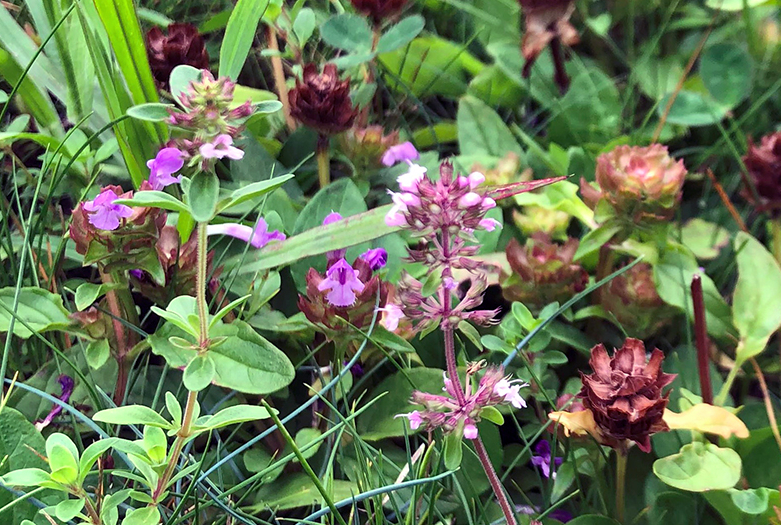
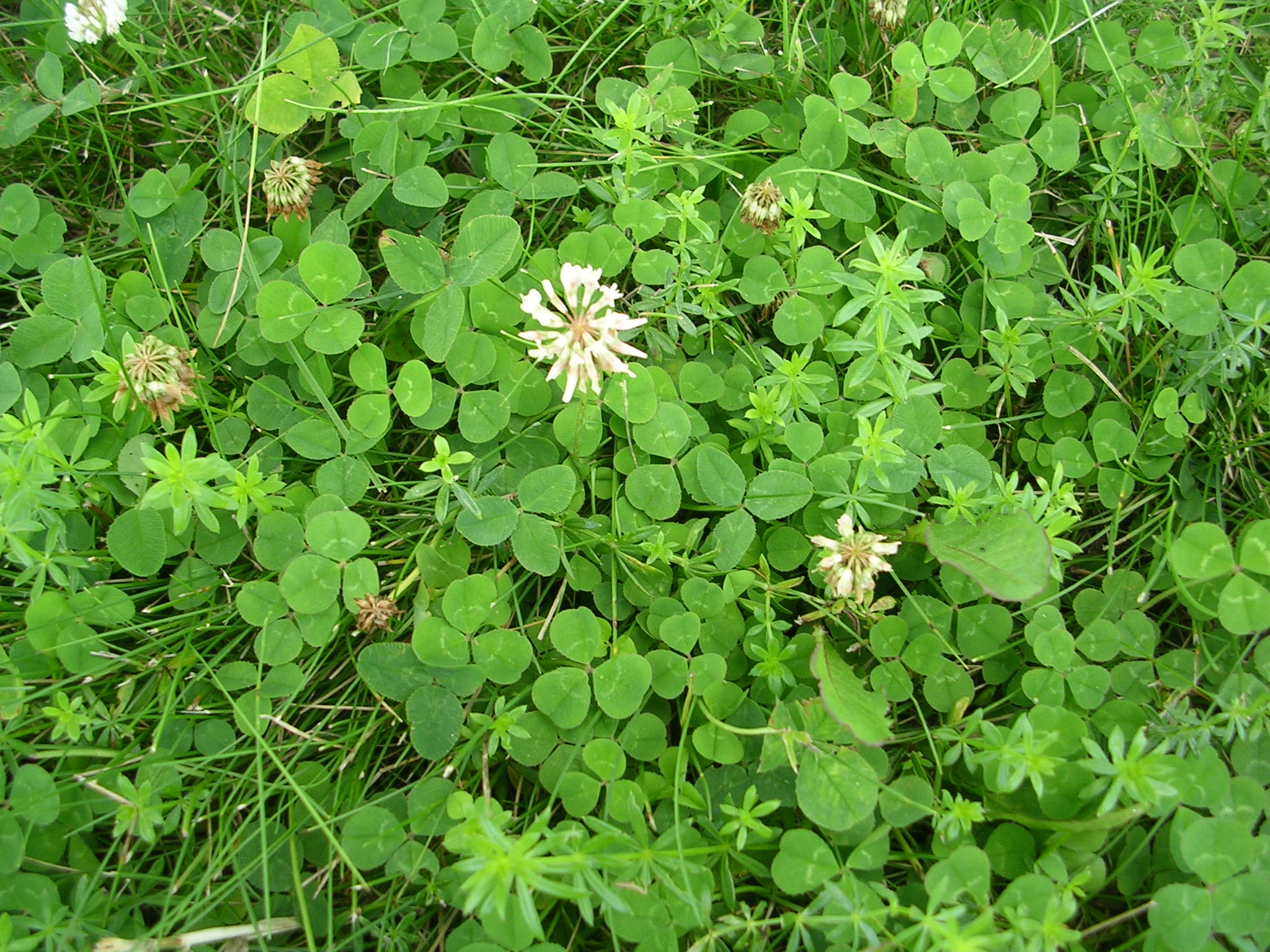
Many of these No Mow Mixes include clover. The beauty of Dutch white clover is it can flower at a low height. If you just adjust your mowing height to 3.5 inches tall, the blades won’t cut off the clover flowers and the bees will have a meal. Plus, the lawn stays greener during droughts, the clover fixes nitrogen to feed the grass and the lawn is durable enough for pets and kids. If you want a lawn that has clover, but also a neater appearance, try Microclover. This is a short growing version of the Dutch white clover seed and is more resistant to foot traffic. But it doesn’t bloom as much as Dutch white clover. There are other lawn mixes that include other low growing flowers such as English daisies and Prunella.
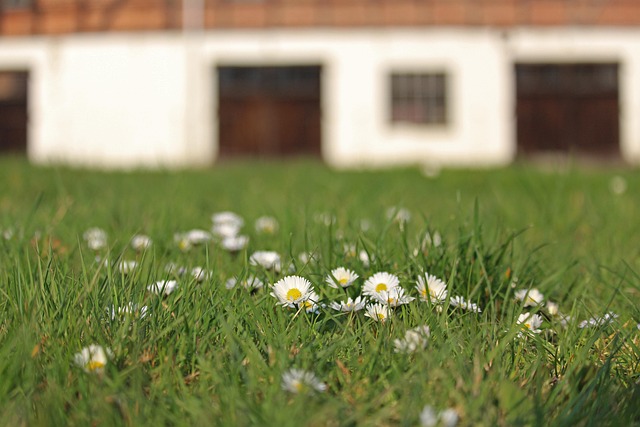
One of the keys to creating a pollinator friendly lawn, especially in a part shady area, is to grow the right lawn grass seed, too. In cool areas, fine fescue is a great grass seed for part shady areas and to allow clover and other flowers to grow. The blades of grass are thin and the lawn isn’t as lush and thick as it would be with a Kentucky blue grass. This gives clovers, prunella, thyme and other low growing flowering, pollinator-friendly plants an opportunity to spread in the lawn easier.
Most of these pollinator friendly lawn mixes are best used when renovating or establishing a new lawn. For existing lawns you can follow the Bee Lawn advice from the University of Minnesota. On their website they suggest mowing the exiting lawn low, raking or aerating to loosen the soil, overseeding fescue, clover, and prunella seed mixes and watering in well. This technique will take longer to get established, but you won’t have to start from scratch.
Learn More about Creating a Bee Friendly Lawn here
Check out My Webinar on Lawn Care and Growing a Bee Friendly Lawn here

How to Grow: Unusual Cucumbers
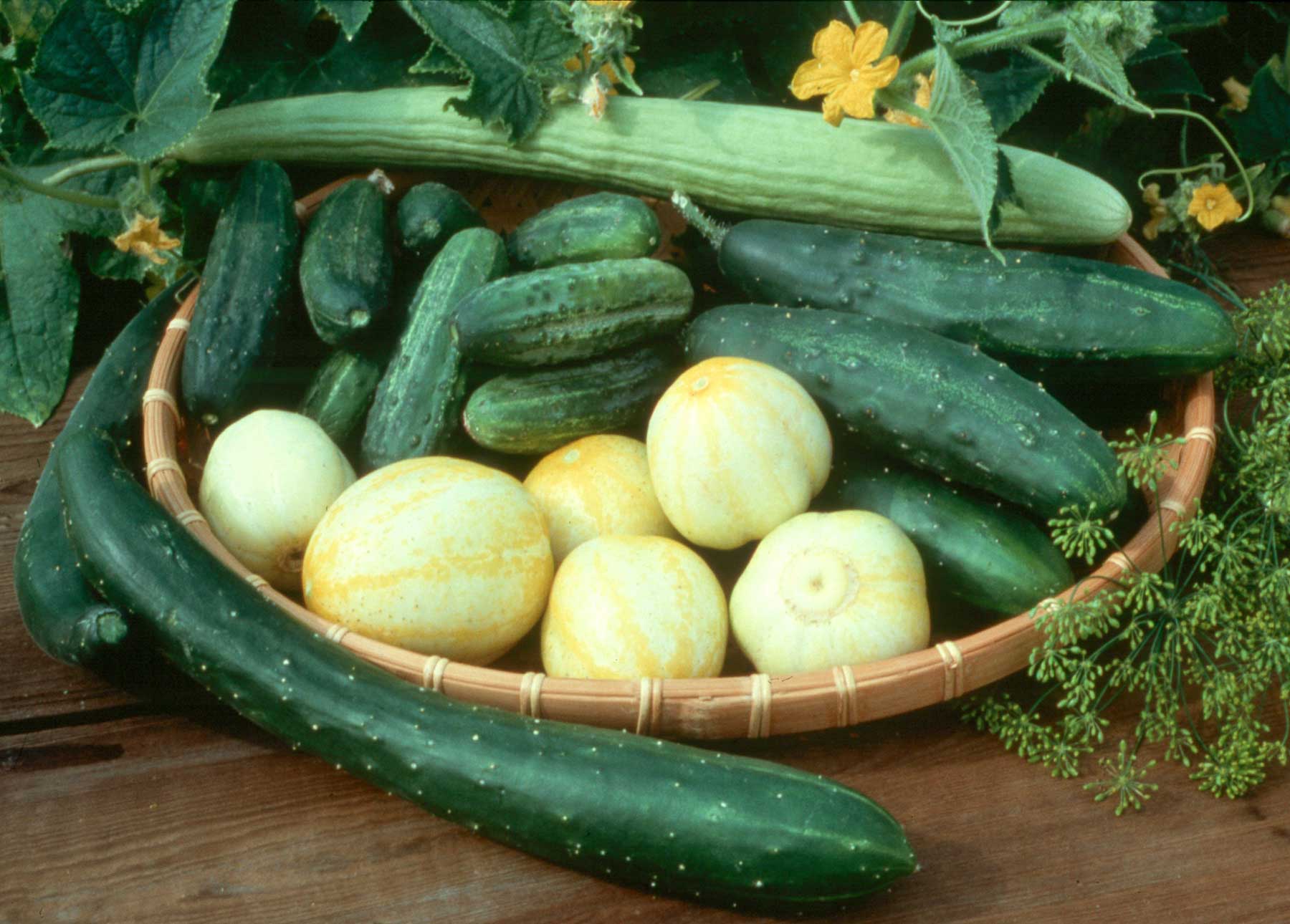
Cucumbers are a treat in the summer garden and the traditional slicers and picklers offer lots of options for growing a bounty of cucumbers for fresh eating and pickling. But I’m always looking for unusual types of plants and the cucumber world has no shortage of unusual varieties. Let me talk about a few of my favorites.
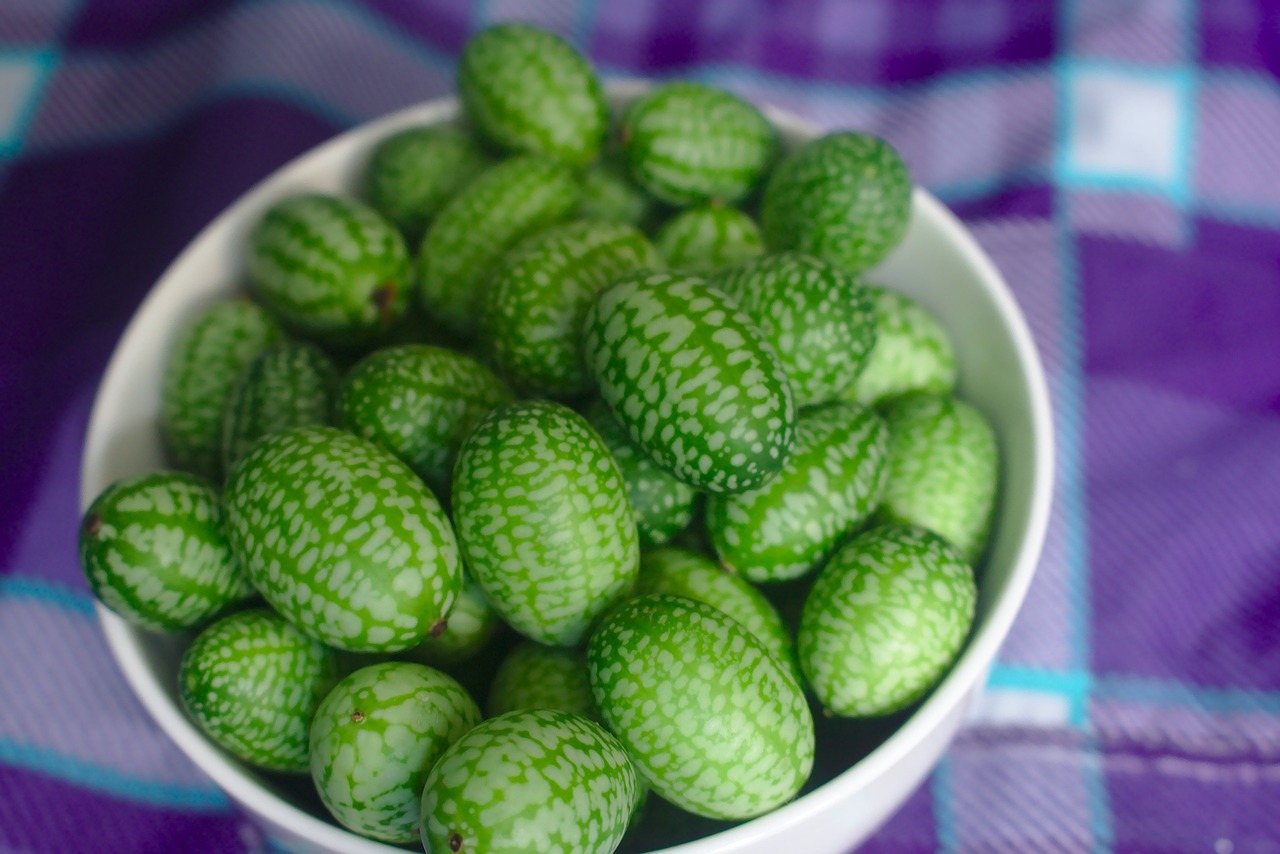
Cucuamelons or Mexican Sour Gerkins took the world by storm a few years ago. These small cucumbers are oval shaped and striped. They look like mini watermelons, but have a slightly sour flavor. They’re favorites of kids because of their size and adults like to use in drinks and salads. The plants are smaller than regular cucumbers and slower to produce. But once they get started you’ll have an abundance of fruits. It’s best to harvest when the fruits are 1 inch in diameter to avoid seedy fruits.
While most people think of cucumbers are long and green, there are different shapes and colored skins on some varieties. The ‘Lemon’ cucumber is a small, ping pong ball sized fruit that has a slightly yellow tinge when ripe. Gardeners love the slight citrus flavor, lack of bitterless and crunch of this heirloom. White skinned varieties, such as ‘Silver Skin’, have more tender skin and flavor. Brown skinned varieties, such as ‘Brown Russian’, stores for weeks in the refrigerator. Both have little bitterness.
Vining cucumbers, such as Striped Armenian, feature aggressive, vining plants that are best grown vertically in a greenhouse, high tunnel or on a trellis. The long, sometimes striped, fruits love the heat, have a sweet favor (they actually are in the melon family) and don’t need peeling to eat.
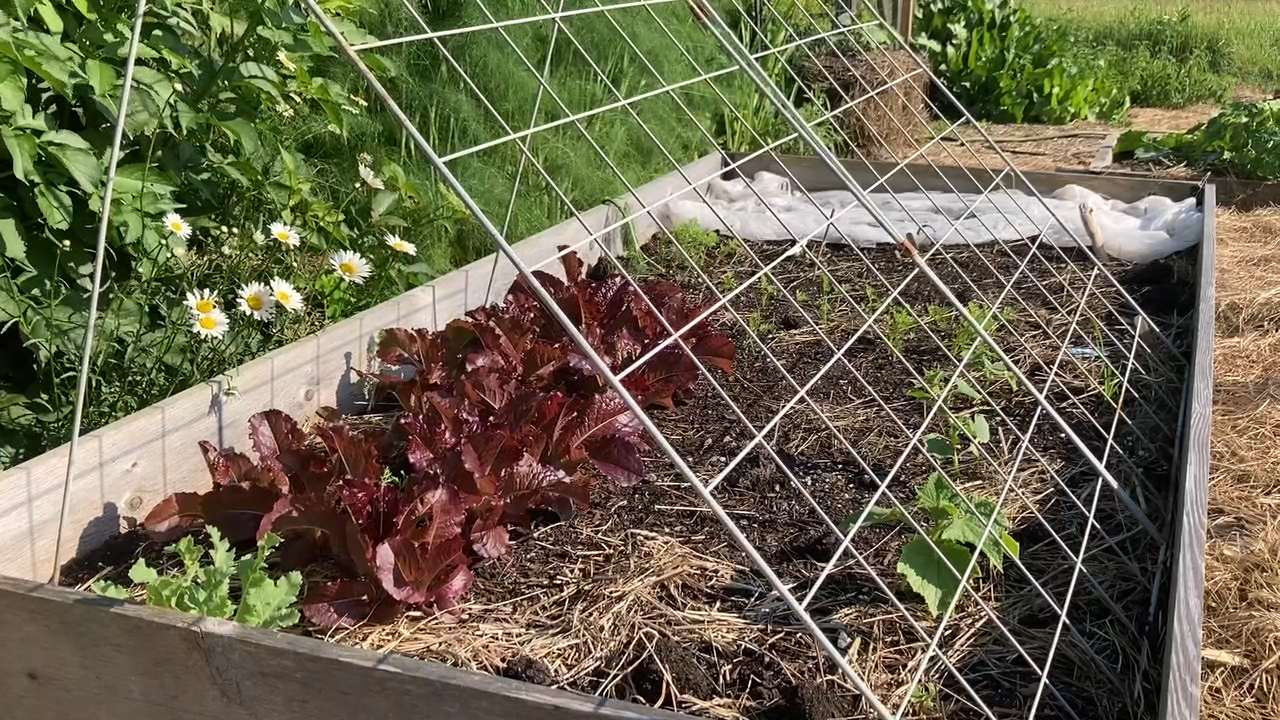
Grow cucumbers on a 45 degree angled metal trellis or train them vertically on a wire by pruning the side shoots aggressively and attaching the vine to the wire. This will keep the fruits off the ground, have less disease and insect infestation and are easier to harvest. I’ve even grown cucumbers on straw bales, vining them up a fence with good results.
Learn more about growing Cucumbers here
Coleus for Sun and Shade
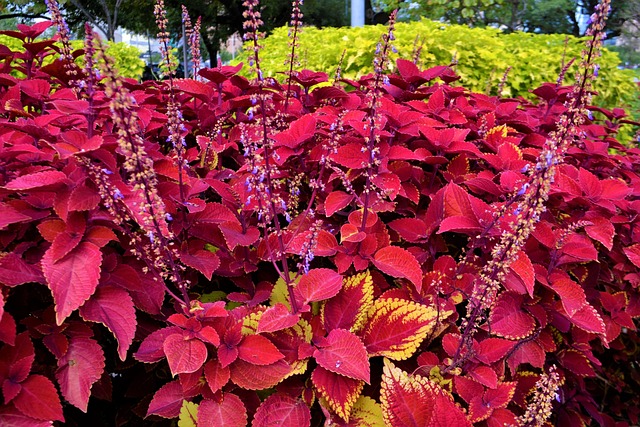
I remember growing coleus from cuttings as part of my high school biology class. I proudly brought home the cutting and my mom grew it in her window box. Little did she, or I, know that the variety I propagated would grow to be huge. It overwhelmed the window box and crowded everything else out. My mom eventually yanked it, calling it a monster as she did it.
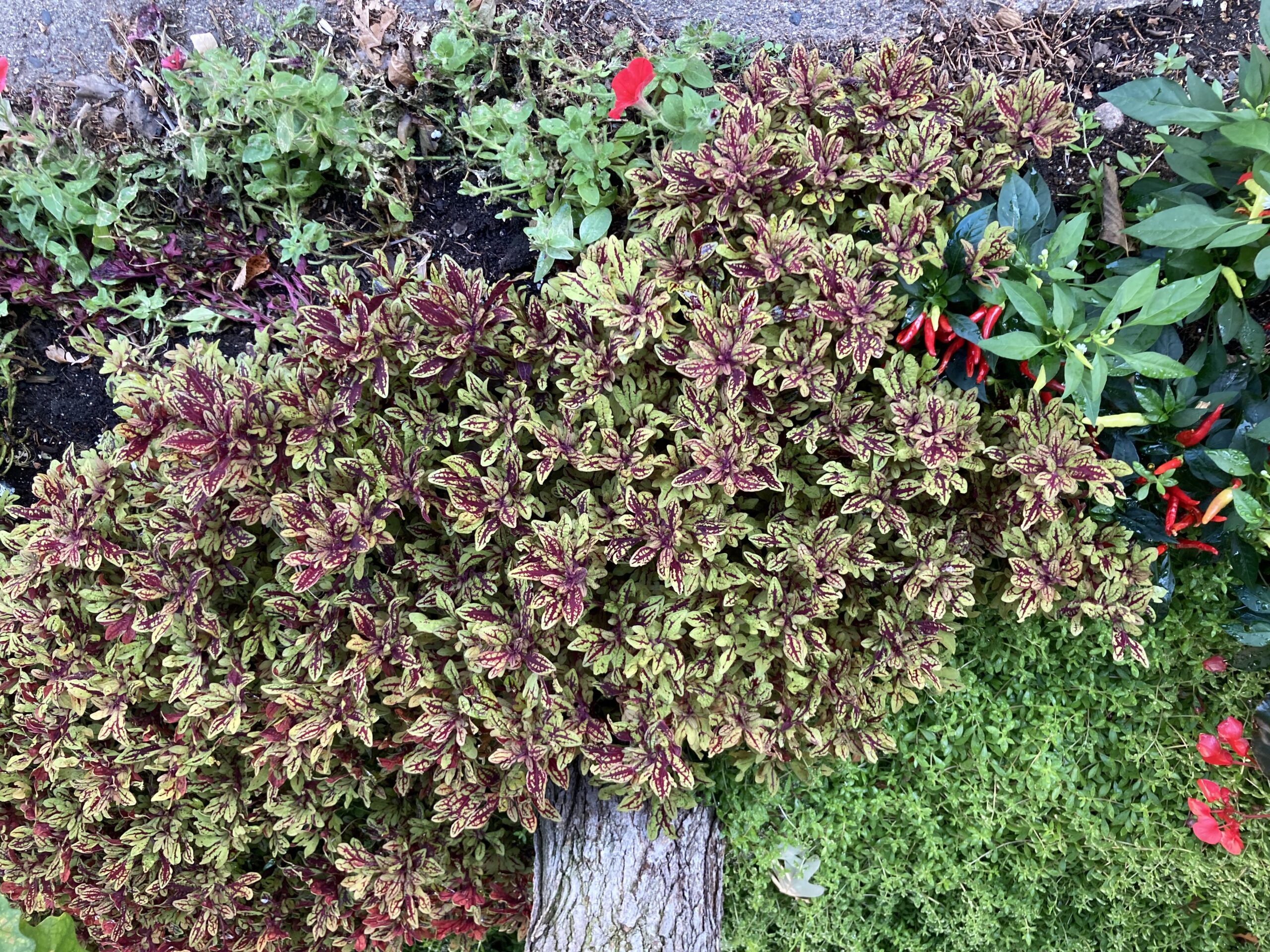
Coleus is a fast growing, beautiful annual that comes in more shades and patterns than I can name. Traditionally, it was grown as a shade loving annual and mostly for the foliage. Now there are varieties that grow well in part to full sun and some have attractive flowers. Some coleus grow only 6 inches tall or are trailing, while others, (like my mom’s) can grow 2+ feet tall and wide.
Some varieties I’ve grown over the years include ‘Big Red Judy’ (3+ feet tall and sun loving), ‘King Kong’ (6″ diameter leaves, needs shade), and ‘Marrakesh’ (compact, small leaves and very colorful). ‘Wizard Mix’ features heart-shaped leaves with a variety of leaf colors in yellow, bronze, red and pink combinations. It’s well branched and dwarf so doesn’t need pinching. The ‘Solar Series’ is a mix of sun-tolerant coleus types. ‘Great Falls Angel’ is a trailing coleus.
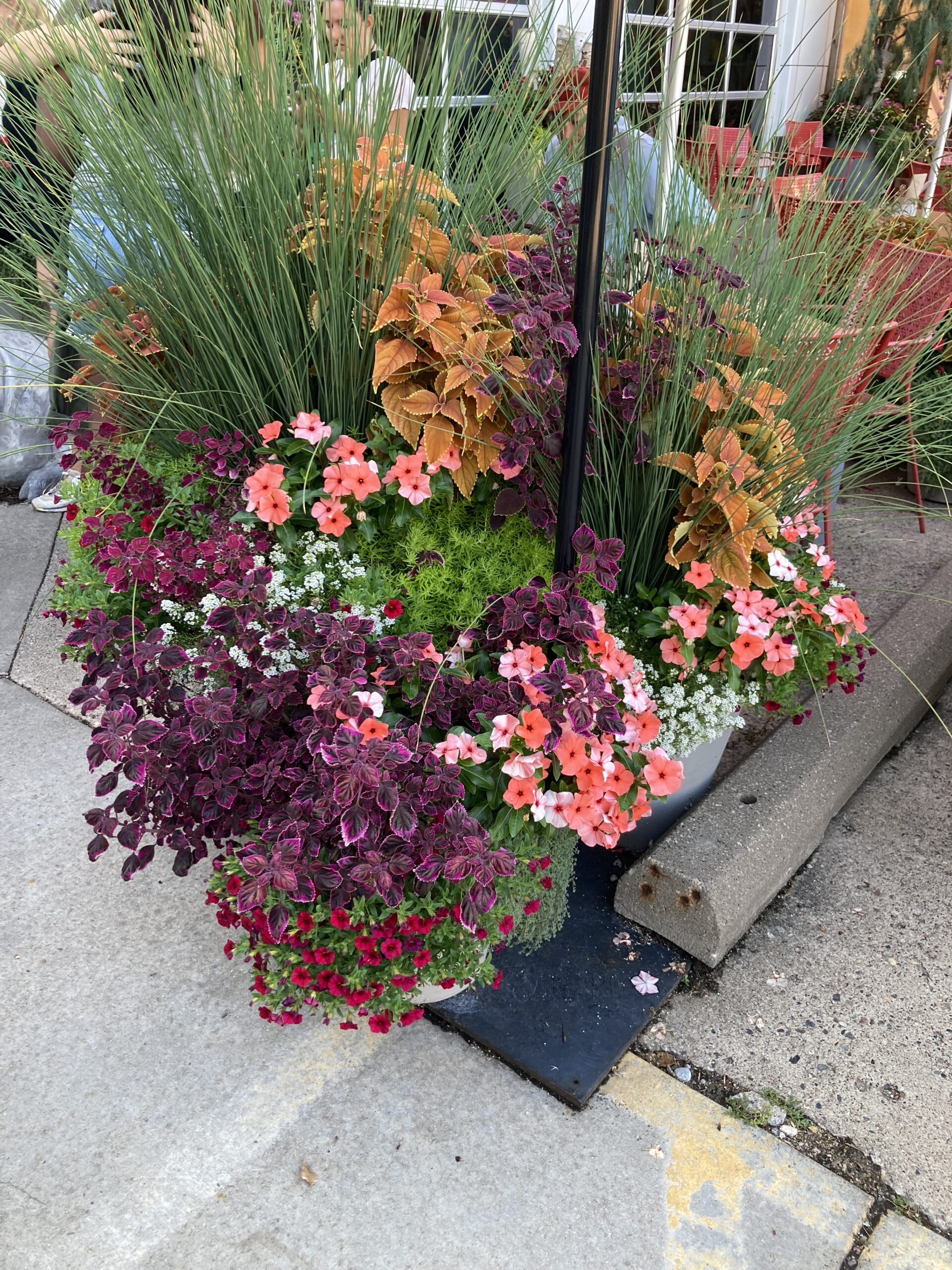
Use coleus as a thriller, filler and/or spiller in a container. Imagine growing all three coleus together in one container. The colors might knock you off your feet! Small varieties fit in window boxes, small containers and I’ve even seen them used as ground covers. Larger varieties can grow into small shrub size. They all love the warmth so don’t rush to plant them out. Depending on the variety, they’re shade needy to full sun tolerant. Keep the soil evenly moist and fertilize container plants throughout the summer to keep them growing well. However, too much nitrogen fertilizer may dull the leaf colors. Older varieties may need flower pinching, but many newer varieties rarely flower. The stems may break in high winds, so a protected spot is best for planting coleus.
Explore leaf colors this year in your garden and start with coleus.
Learn more about Coleus here
In Our Garden: Rhubarb
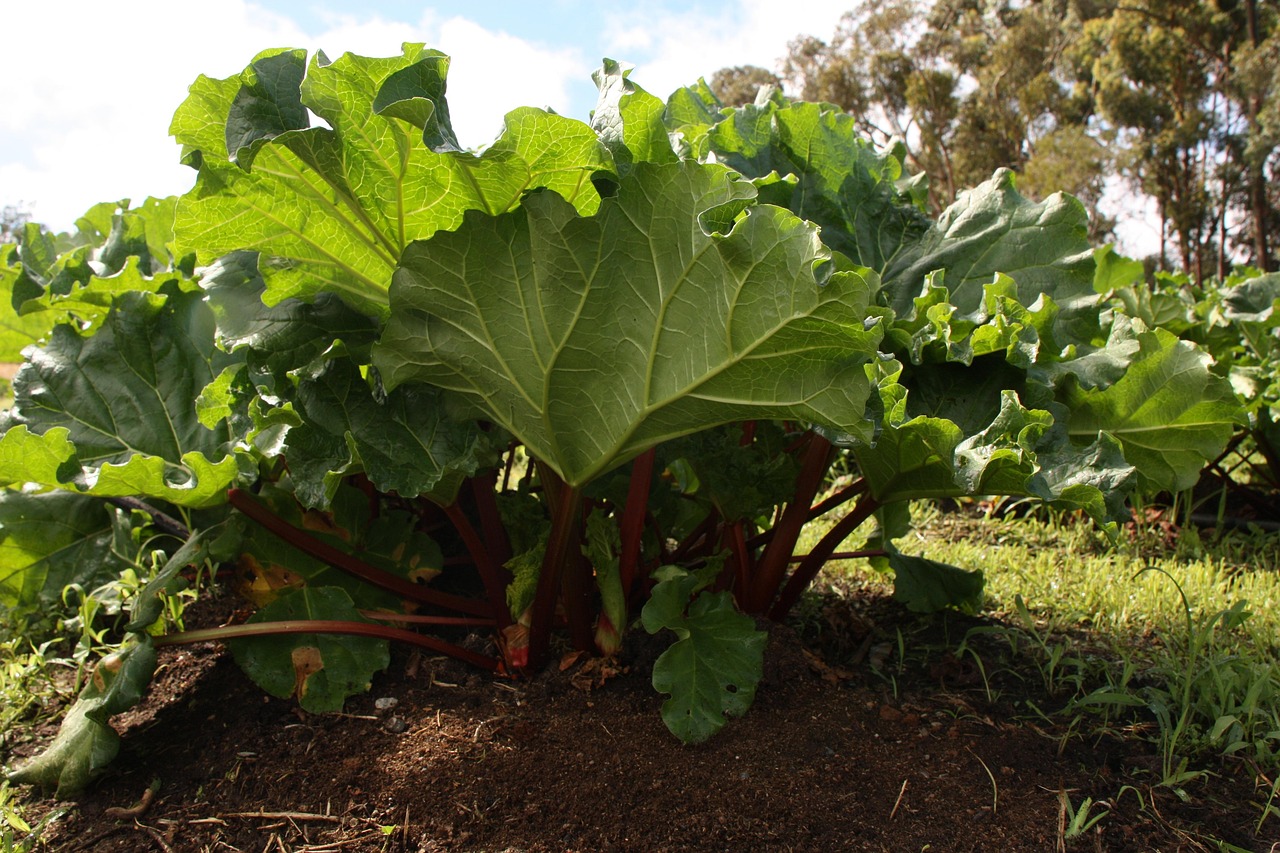
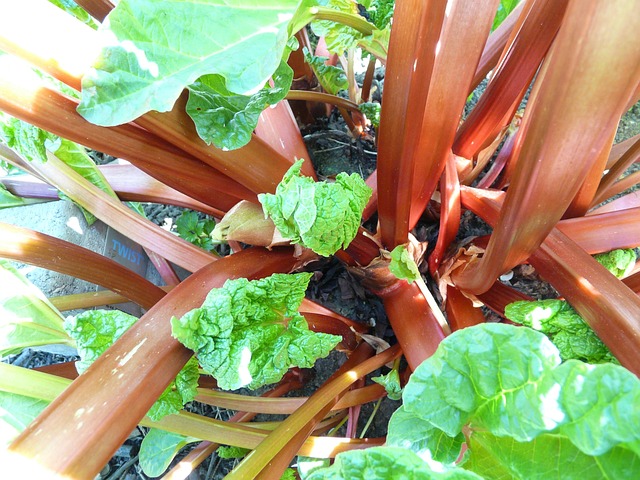
Rhubarb is one of the toughest, perennial edibles around that doesn’t get enough love. Many gardeners will plant it behind the garage, barn, compost pile…. just to keep it out of the way. They may love it in spring when harvesting the stems (petioles) to eat. Don’t eat the leaves, they’re poisonous. But come summer, everyone forgets about rhubarb. That’s too bad because the plant to easy to grow, grows in almost any soil and sun conditions and has large, tropical-like leaves that make it a great perennial flower backdrop in your garden. And it sends up flower stalks! Let’s give it some love.
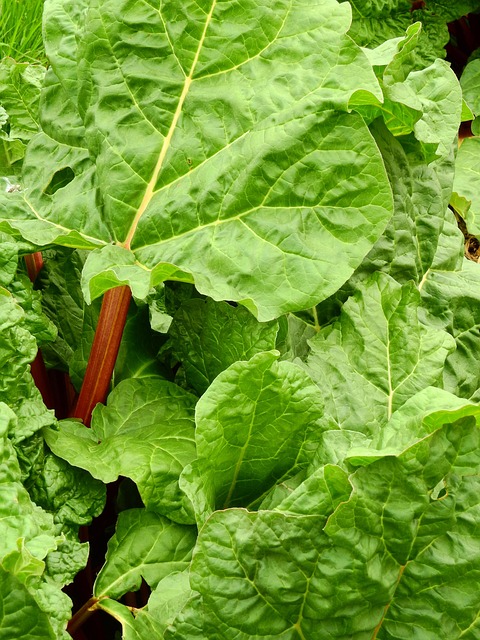
There are many varieties of rhubarb that have varying degrees of green or red stems. I’ve never noticed a flavor difference between the varieties, but some people have their favorites. Some varieties include ‘Valentine’, ‘Crimson Red’ and ‘Canada Red’. Rhubarb loves well-drained, compost amended soils and benefits from mulching to keep the soil moist. Harvest early for the tenderest stems. The sour flavor is a great complement to strawberries, which also are producing around the same time. Pie, anyone?

One English trick to reduce the acidity of the petioles is to blanch them when young. In late winter cover the rhubarb patch with plastic or large pots to block the light. As they emerge and grow, the stems will be blanched, more tender and less acidic. The only downside of rhubarb is when happy, it spreads. Every few years we have to dig up and divide some rhubarb roots so they don’t take over the garden bed. It makes a great gift!