My Book is Out and a New Webinar Too!, Hellebores, Microgreens and Large Houseplant Care

Well Punxsutawney Phil saw his shadow and went back to sleep for 6 more weeks. I’d like to do the same with this continuing cold weather. Maybe in six weeks it will get above freezing in our zone 5 garden? But there is some good news. My new book, The Continuous Vegetable Garden is officially out! I’ve been doing lots of radio and podcast interviews and people seem genuinely excited about the book. The goal, as the subtitle says, “Create a perpetual food garden that grows and sows itself”. In the book I talk about perennial and self sowing vegetables, herbs and edible flowers, seed and plant saving, and designs (see a sample illustration below) that precisely show how to succession plant, interplant and companion plant your beds. There’s a chapter on a continuous fruit harvest, with more designs, and even chapters of season extending and indoor edible gardening. Check out the book at your local bookstore or on-line.
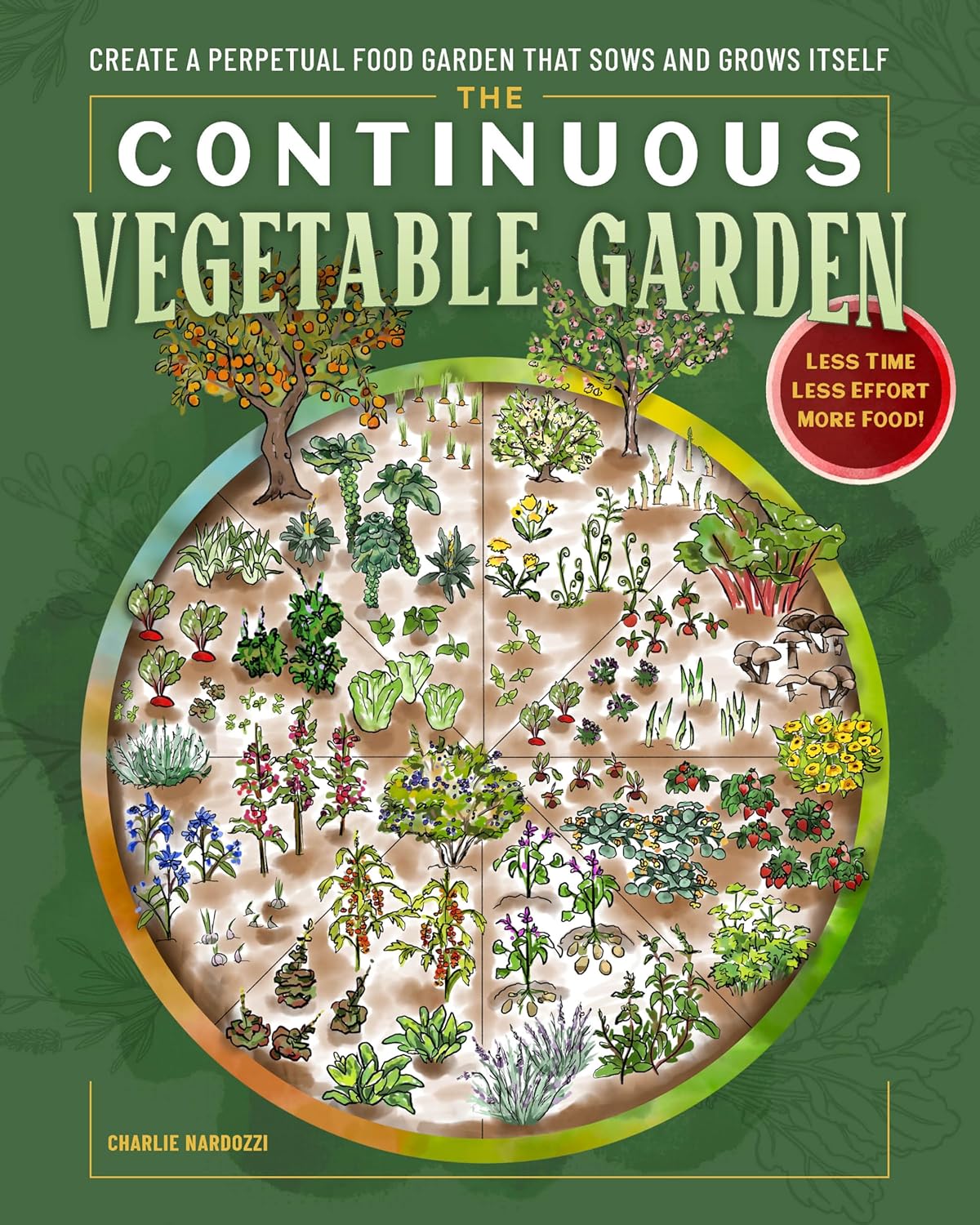
What’s really exciting is my new webinar is coming up soon on Continuous Vegetable Gardening. Watch and listen as I take you through the steps to make a continuous vegetable, herb and fruit garden. The live webinar will be on February 10th at 6pm Eastern time. I’ll show you how to grow vegetables, herbs, fruits and annual edible flowers with less work and more yields, and see how they provide a continuous supply of food while doing it all in tune with Nature. All those who sign up for the webinar will get a recording they can watch whenever and where ever they like.
Check out my webinar here to learn more and to sign up.
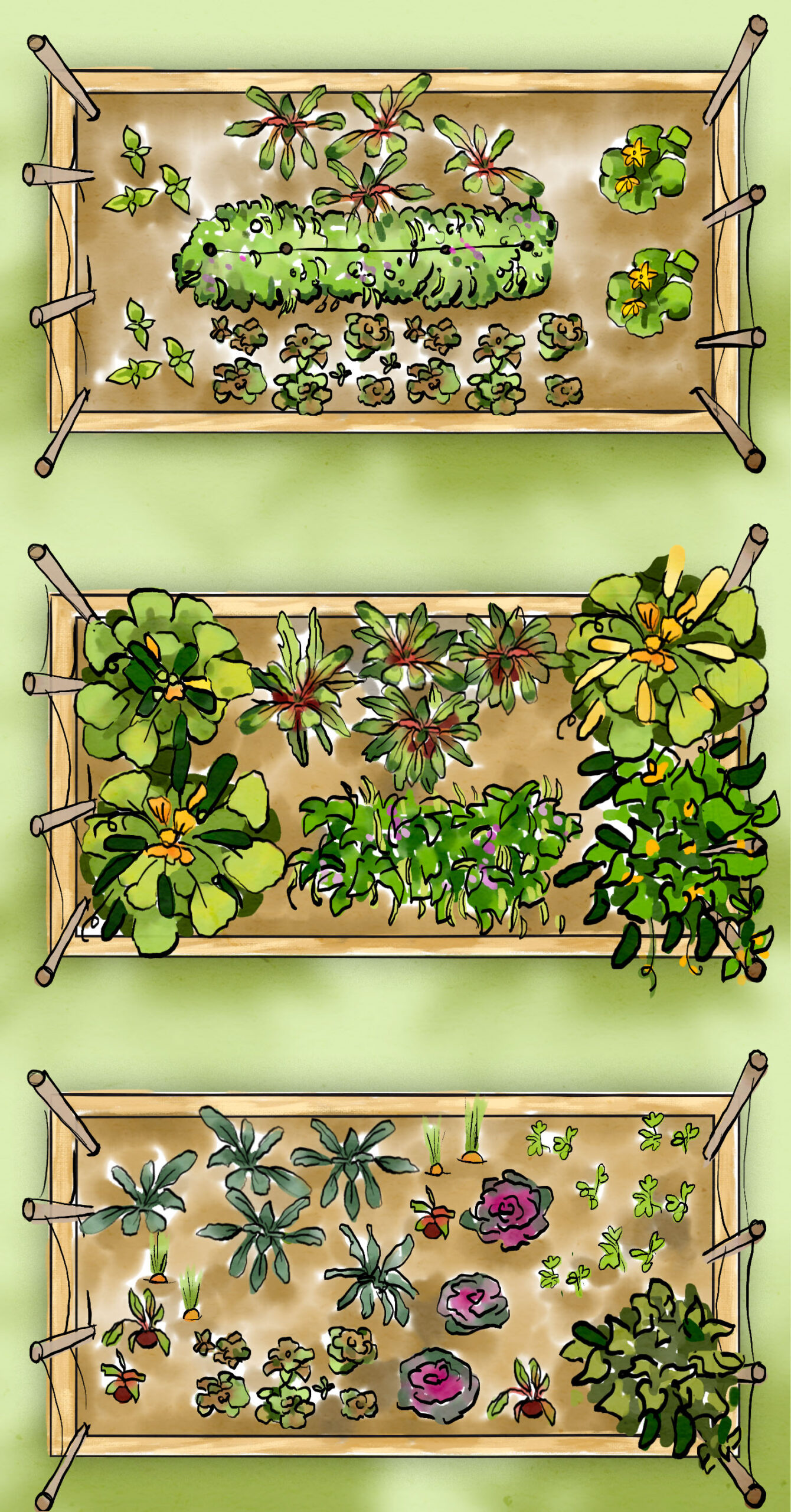
From The Continuous Vegetable Garden (Cool Springs Press, 2025); Mattie Wells
Although there’s still plenty of snow on the ground I know what’s happening under the snow. Our hellebores are budding up and will be flowering as soon as the snow melts a bit, and maybe even earlier. They are a great harbinger of spring and a delight each year. Even if you are neutral about the flowers, grow them for the pollinators. As soon as they flower, the pollinators are all over them because there’s so little pollen available in early spring. Learn more about growing hellebores in this newsletter.
If you’re hungry for fresh greens now, try growing microgreens indoors. All you need is a sunny window, some trays, potting soil and seeds that you’ll sow. I take you through the steps for growing microgreens in my article below.
Finally, many gardeners have some large houseplants. Maybe they started out small and grew or maybe you inherited those beasts. Either way, they need some special care and now is the time to do it. Read more about caring for large houseplants here.
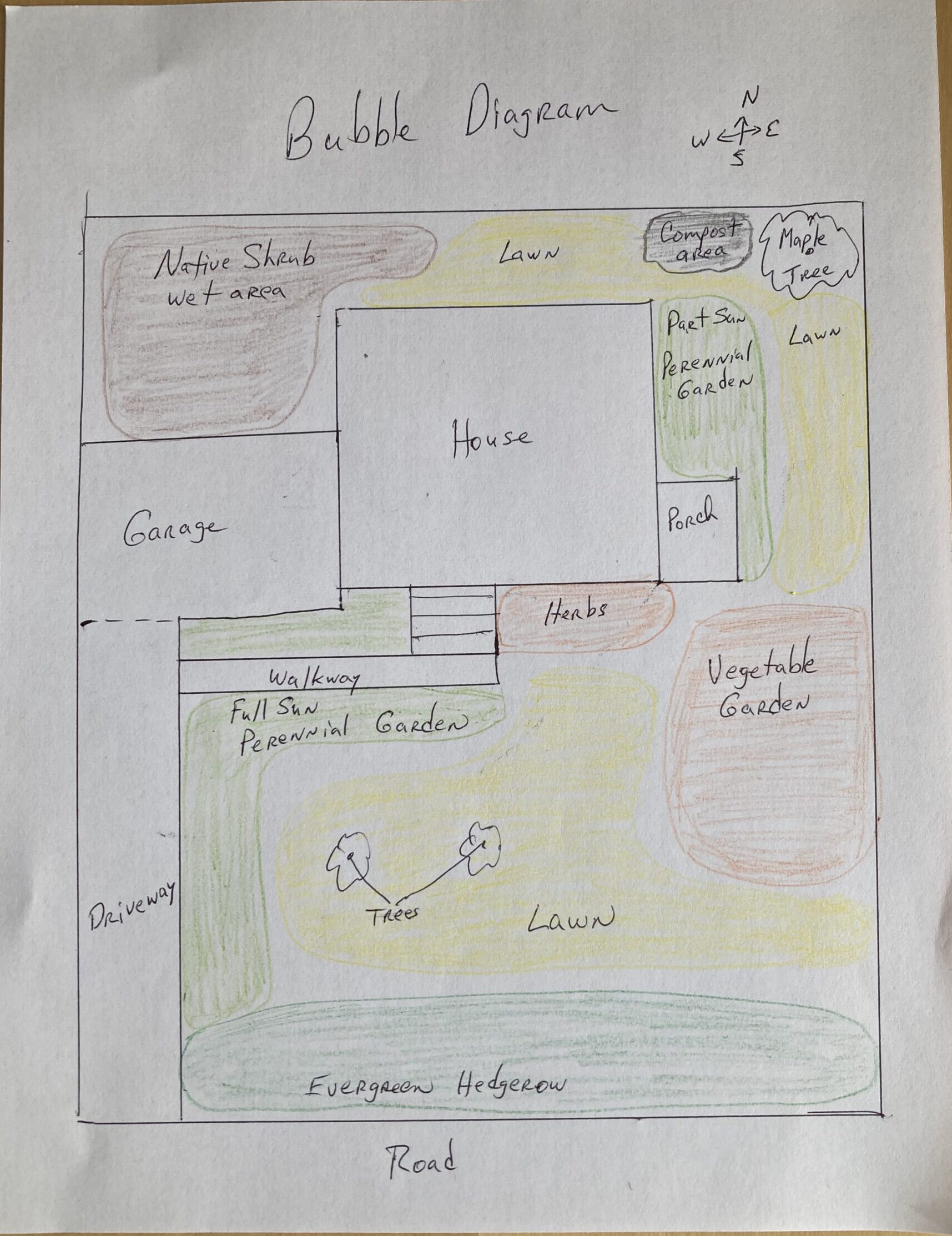
Also, remember to check my monthly garden blog I write for Proven Winners called What’s Up North. The February blog talks all about designing your new garden or bed. Now is the time to sketch out a plan. I show you how using a Bubble Diagram. You don’t have to be a landscape designer to make a simple sketch that will help you think through what plants will go where in your garden. Check out my blog on Design a New Garden with Bubble Diagrams, here.
Until next time I’ll be seeing you, in the garden.
Charlie

Where to Find Charlie: (podcasts, TV and in-person)
- In the Garden (WCAX-TV CBS) – This week: Trailing Houseplants
- All Things Gardening on Vt Public Radio– This week: Sweet Peas
- WJOY In The Garden Podcast– This week: Care and feeding of holiday plants including the many Poinsettia varietals, Christmas Cactus, houseplants and pests, and fall pruning tips
- Where’s Charlie Speaking? 2/12/26: Stowe Vermont Library- Vegetable Gardening
Continuous Vegetable Gardening Webinar
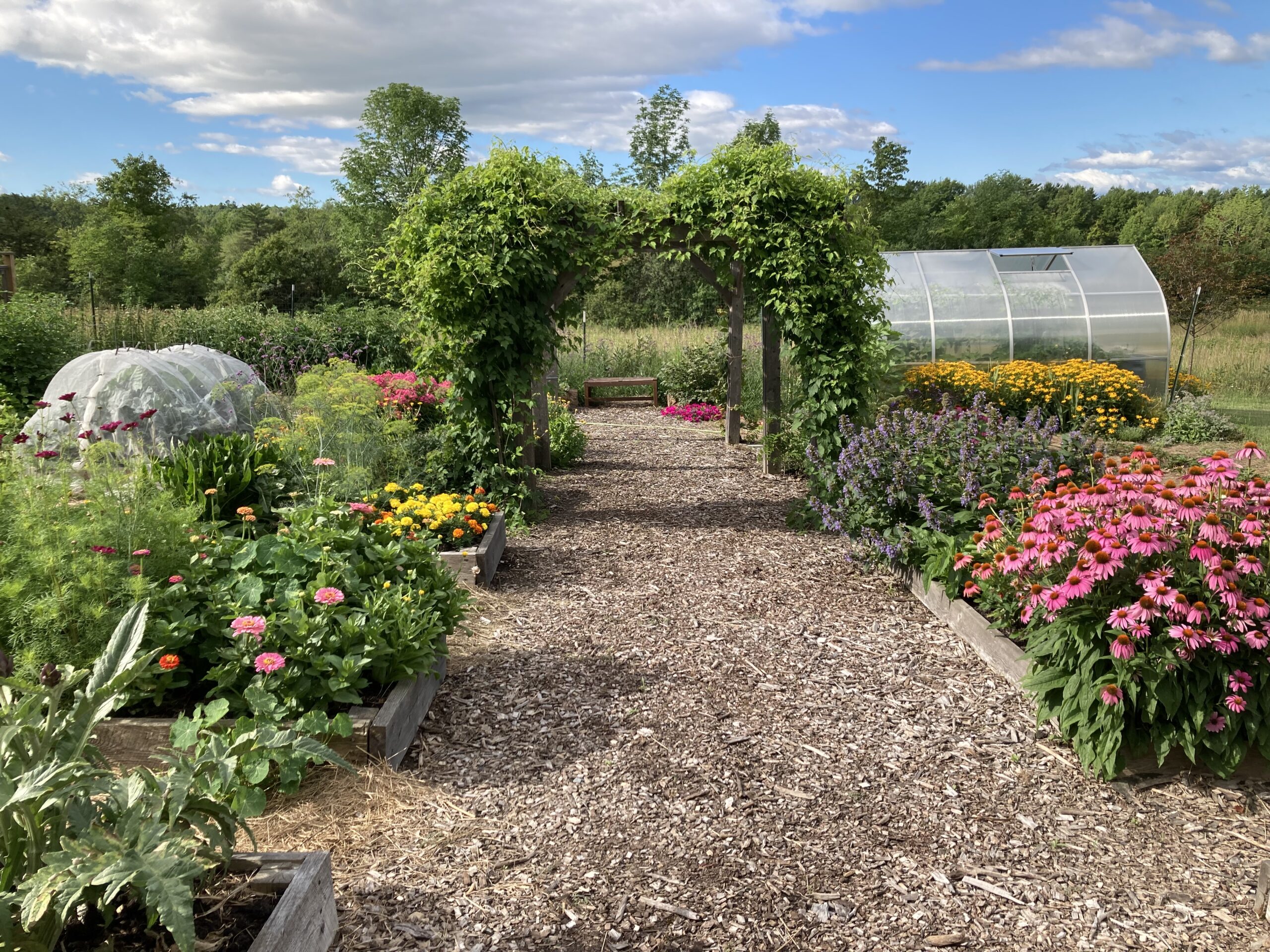
Based on new book, The Continuous Vegetable Garden, this webinar will take you step by step through creating a garden that grows and sows itself. Based on years of experimenting with food gardens, I’ve created a webinar that will help reduce your work load in the garden, have a more productive garden, produce a constant supply of food from your garden avoiding the boom and bust cycles of the past and doing the same with your fruit plantings.
By growing perennial and self sowing vegetables and herbs and building raised beds based on the no-dig method, you’ll have less work and problems in your garden. By using succession planting, companion planting and interplanting, you’ll be able to grow more food in less space, avoid lots of weeding and watering and have a continuous supply and wider variety of vegetables and herbs. There are specific designs on what your garden will look like in spring, summer and fall in a full sun, part shade and hot climate situation. You can have a continuous fruit harvest, too, by selecting the best dwarf varieties of fruits and berries. You can have a fruit harvest from May to November in the North, and longer elsewhere.

Continuous Vegetable Gardening assumes a few things. I’m assuming you like to be in your garden on a regular basis. With Continuous Vegetable Gardening I assume you’ll spend short periods of time (10-15 minutes) most days, planting, harvesting and moving plants around. I also assume you don’t want to grow so much produce to can, freeze, dry and preserve. This is about a fresh harvest of small quantities of vegetables and herbs that you can enjoy all year.
If this sounds like something you want to try, join me live on February 10th at 6pm Eastern time for my webinar on Continuous Vegetable Gardening. You don’t have to be present to get the webinar, but if you come in person you’ll be able to ask me questions at the end of the webinar. Everyone who signs up gets the recording of the webinar to watch whenever they want.
Learn more about my Continuous Vegetable Garden Webinar here
How to Grow: Hellebores

If you’re needing some color and life during this old fashioned, cold winter, you might consider planting hellebores. This low growing, perennial thrives in the shade, has few pests, including deer, and flowers between Christmas and Easter depending on the variety and where you live. It’s also called the Christmas or Lenten Rose for that reason.
Hellebores have gone through a breeding revolution the past 20 years. Old varieties are attractive, but the flowers often nodded downward making them hard to see and enjoy. Newer varieties have a wider range of colored flowers and the flower stand upright better. ‘Wedding Party™ True Love’ has mauve colored, ruffled, double flowers with a yellow center. It stands 18 inches tall and makes a great cut flower. ‘Wedding Party® Dark and Handsome’ is a similar shaped variety but has burgundy-black double blooms. ‘Honeymoon™ French Kiss’ has white blossoms adorned with raspberry-pink veining. These hellebores are evergreen and can spread in a part shade area making a nice mat of flowers in spring.
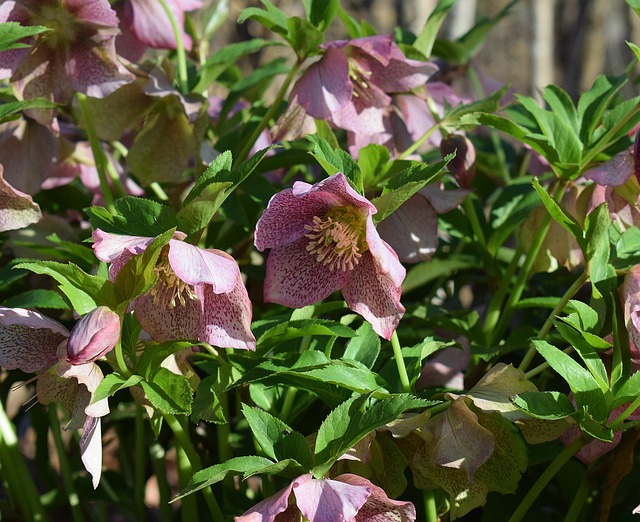
Grow hellebores in part shade, ideally protected from afternoon sun. We grow ours under witch hazel and hydrangea shrubs and they grow and flower beautifully. I love how the early flowers of the hellebores and witch hazel compliment each other. They have few problems. Rabbits and deer don’t seem to bother them and as long as they have shade and moist, well-drained soil, they will spread over time to fill an area. Once the flowering is finished, the evergreen leaves are attractive in the garden.
Learn more about hellebores here

How to Grow: Microgreens
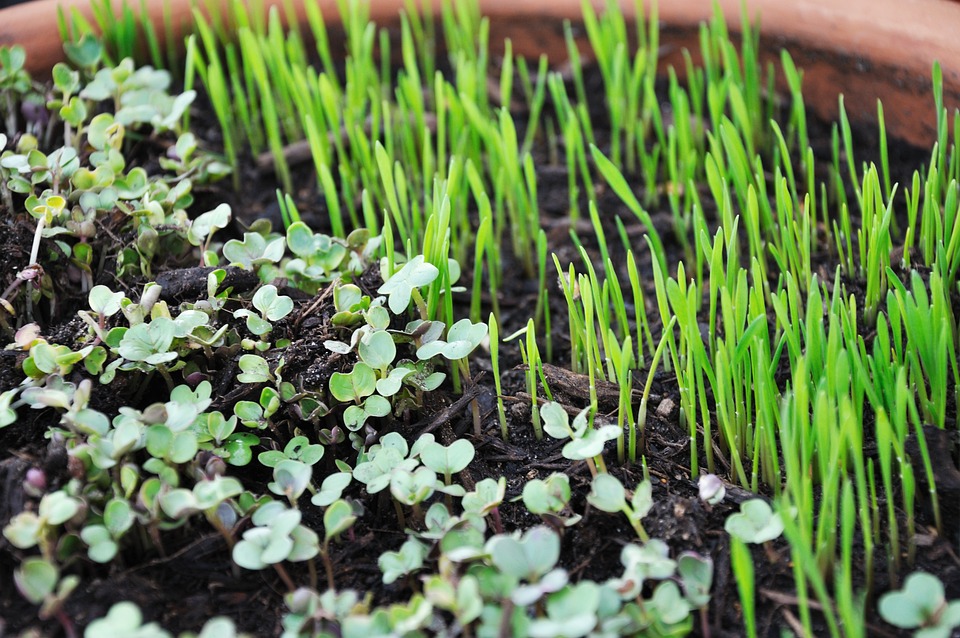
Winter can be rough, especially in cold areas. Many people have a desire for fresh, home grown, healthy greens. But fear not! You can grow your own greens, indoors this time of year with a little effort. You can grow microgreens in a sunny window. You’ll need a seed tray, potting soil, and seeds. Grow a mix of greens, such as lettuce, arugula, spinach, beets, kale, basil, radish and even peas and sunflowers. That’s it! From my new Continuous Vegetable Garden book, here’s the steps to growing microgreens.
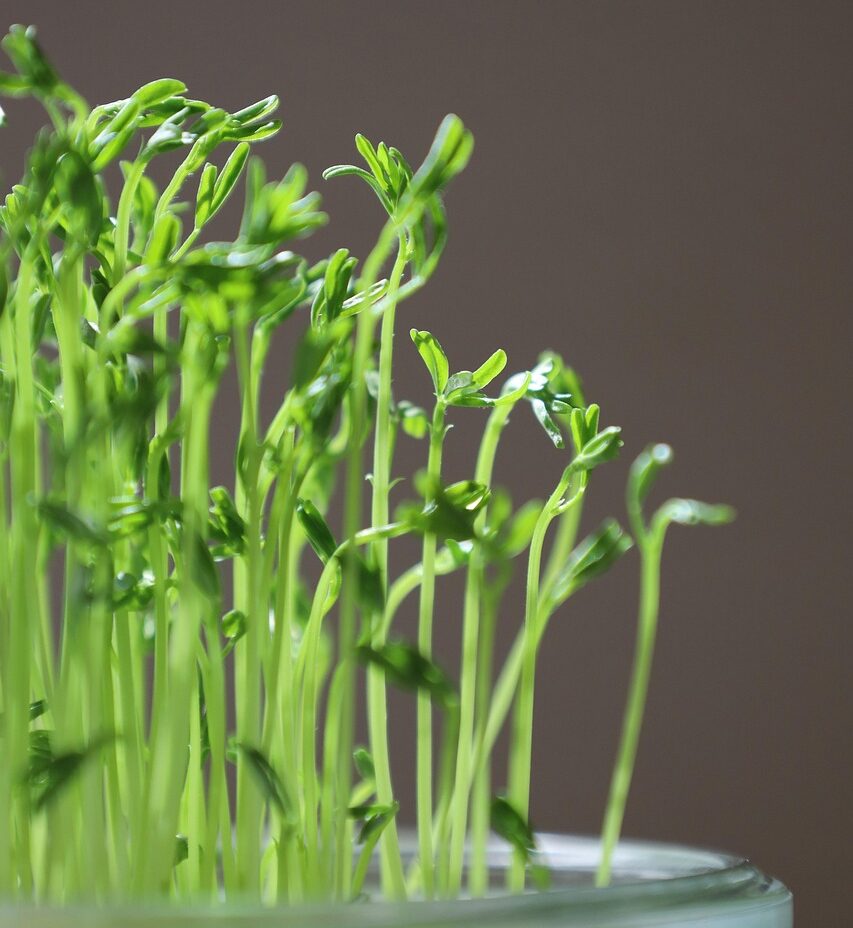
- Fill the seed starting tray with 2 inches of seed starting potting soil.
- Water until the soil is as damp as a rung out sponge
- Broadcast the seed on the top of the soil trying to spread it evenly across the tray.
- Sprinkle a thin layer of more seed starting potting soil over the seed and gently press the soil with your hands.
- Mist the seed tray daily to keep the soil moist. You can also cover the seed tray with plastic to conserve moisture. But check it daily. Once the seeds start germinating, remove the cover.
- Once the seedlings true leaves form, begin cutting the seedlings at the soil line with a scissors.
- Rinse and eat or store them. The microgreens will last up to 10 days in the refrigerator.
- Sow trays continuously to have microgreens throughout the winter.
Learn more about Microgreens here
In Our Garden: Caring for Large Houseplants

Many gardeners love houseplants, but also may end up with some big ones over time. Maybe you inherited a large Norfolk Island Pine from a family member and couldn’t bear to compost it. Or maybe your small ficus tree has turned into a giant. Either way, these large houseplants can be a bit easier to grow, but also maybe require some special care.
Monstera, rubber tree, dracena and palms are just some of the large houseplants you may have to care for. On the plus side, if these large beauties are in large pots there is less work getting the soil moisture just right. The bigger pots hold more potting soil, so the plants, in winter at least, will need less watering. But those pots can be heavy, so it’s best to grow your giant houseplant in a pot with casters or use a caddie to move it around. I can move ours around for the best winter light and to give them their monthly shower. They love it!

Place your large houseplant in a sunniest window possible in winter. Don’t be surprised if it drops a few leaves due to lack of light. That’s natural. Also, many of these houseplant like humidity. Use a humidifier, group them with other houseplants and place the plant pots on a pebble tray filled with water to increase the moisture. Repot your large houseplants every 3 years or as needed. You can also do a little root pruning so you don’t have to size up your pot each time. Some large houseplants such as dracena, monstera and rubber trees can be pruned to keep them smaller. Others, such as the Norfolk Island Pine and some palms, can’t be pruned or they will be deformed.