Raised Beds and Succession Planting, Reblooming Iris, Spring Weeding, and Witchhazel
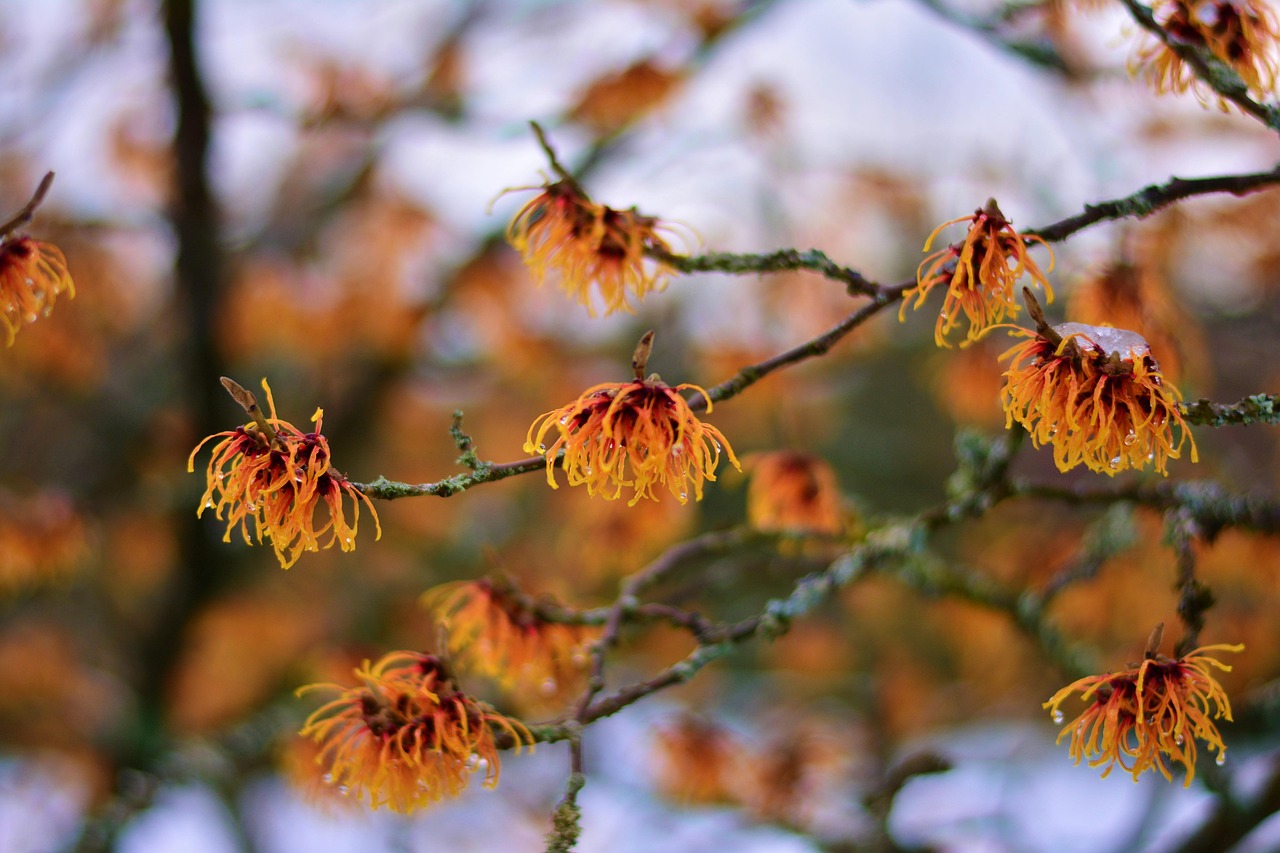
It’s April and I hope I don’t get fooled by it. The weather has shifted with temperatures predicted to stay in the 50Fs during the day and 30Fs at night. I won’t get seduced, though, because I know things can chnage quickly in our zone 5 garden, with even snow still a possibility. For now, we’re enjoying the early spring bulbs blooming along with hellebores and witchhazel.
Regardless of the weather, now is a good time to start building raised beds. I’ll be repairing our hemlock raised beds that we built 10+ years ago. Each spring a few more boards rot, so I have to replace them. I’m also planning my succession planting schedule for vegetables and flowers in these beds. Learn more about building raised beds ,using many different materials, and succession planting in this newsletter.
Iris are a delight in our garden, even though they won’t be blooming for a while yet. Many gardeners love the large flowering bearded iris, but the spring show is often short. The solution for more iris color is to plant the reblooming varieties. These varieties will repeat bloom in late summer/early fall giving you more iris joy. Read more about iris growing in this newsletter.

I know weeding is the last thing you want to do when starting your gardening season, but spring weeding is important. It’s mostly for removing those tough perennial weeds. Do a good job now, and you’ll be happier in summer with fewer weed problems. Learn more about spring weeding here.
I mentioned our Hamamelis vernalis or witchhazel is blooming. I looked at it closely the other day and saw tons of bees and smelled the delicious fragrance. Everyone should grow some witchhazel in their yard for the pollinators and as an early spring or late fall treat. Learn more about growing witchhazel here.
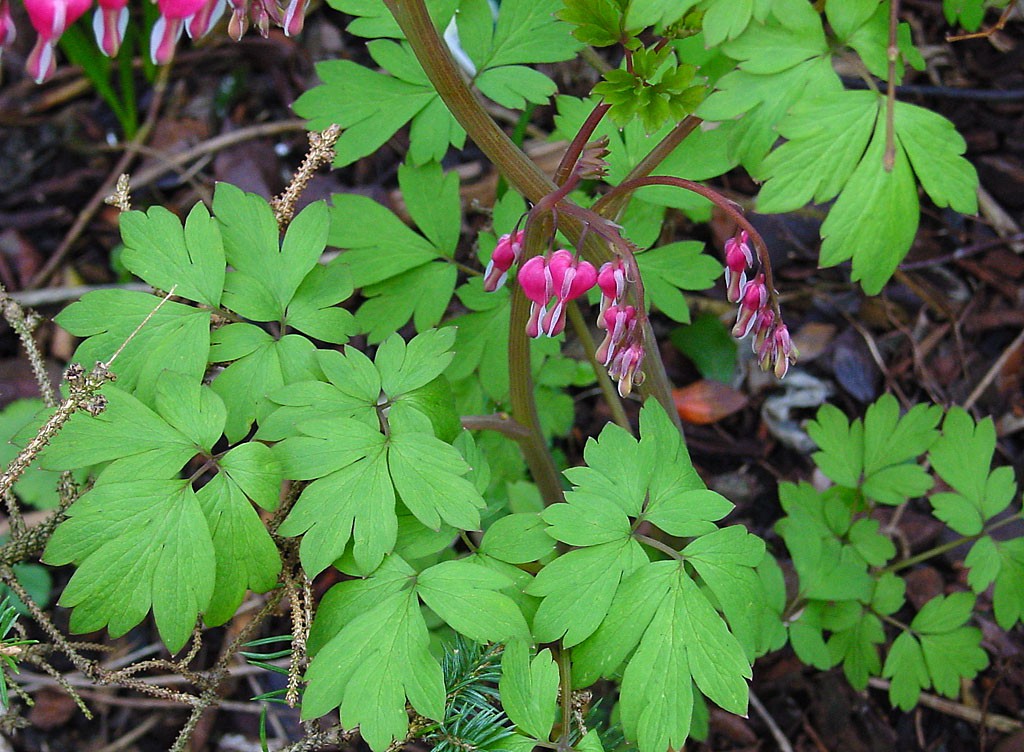
Are you starving for flower color in early spring in your garden? Take a look at my monthly garden blog I write for Proven Winners called What’s Up North. This month I talk about Early Blooming Perennials. April can be a tough month in the North for flowers, but there are some hardy perennials that will flower early to satisfy our needs. I talk about them in my blog on Early Blooming Perennials for the Northeast, here.
Until next time I’ll be seeing you, in the garden.
Charlie

Where to Find Charlie: (podcasts, TV and in-person)
- In the Garden (WCAX-TV CBS) – This week: Patio Gardening
- All Things Gardening on Vt Public Radio– This week: Pruning Hydrangeas
- WJOY In The Garden Podcast– This week: Fertilizing and pruning blueberries, soil testing, pruning Hydrangea and Rose of Sharon, flowering annual vines, and bird protection.
- Where’s Charlie Speaking? 4/14/26: Greenwich Garden Club, Greenwich, CT
Raised Beds and Succession Planting
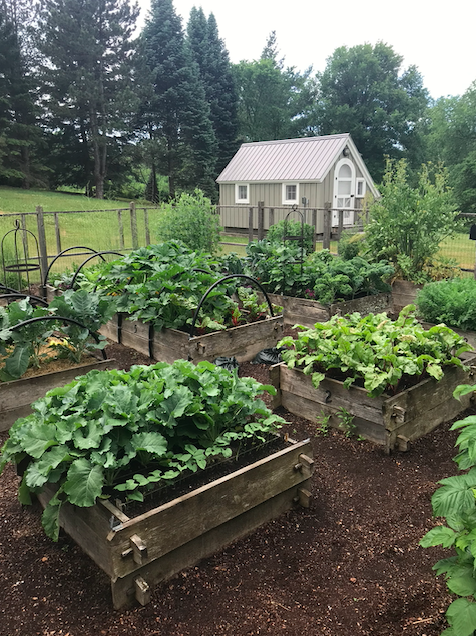
I’m a big proponent of gardening in raised beds. After years of trying to change our heavy clay soil into something more plants would like, we decided to switch to raised beds. We couldn’t be happier. Raised beds are great for vegetables, herbs, annual and perennial flowers. We like building permanent raised beds from wood, but we also have stone raised beds and metal ones as well. Beds, raised up at least one foot tall, dry out and heat up sooner in spring, allowing you to build healthy soil on top of whatever native soil you have. So plants grow better and are easier to water and weed. Beds also create a clearly defined space where your plants are. This last reason is perfect for home owners with kids or dogs.

There are many raised bed material options. Just remember to make sure the raised beds are no wider than 4 feet, so you never have to step on the soil and compact it. Wood is the classic. We used rough cut hemlock or spruce from a local mill. Cedar is the most rot resistant, but very expensive Pine is cheaper, but more prone to rotting. Our compromise is hemlock, which lasts a good 10 years. We also use 2 inch diameter boards that last longer. Metal raised bed corners are nice because when you have to redo the rotting wood, you can simply slip out the rotten board and replace it with a new one. Avoid using pressure treated lumber for the chemicals that may leach out.
Metal raised beds are relatively new. You can use a watering trough for horses or cows and drill holes in the bottom or buy galvanized and corrugated metal kits with no bottoms. The advantage is metals last longer than wood and heat up faster in spring. The problem is small metal beds can heat up the soil too much in warm areas causing root damage. Stones, bricks, and cinder blocks make great, forever raised beds, but they’re hard to move if you decide to change garden designs.

Once you have your beds filled with a mix of compost and topsoil, then you can plant. You can also make a no dig raised bed by getting my book or webinar on the subject. Succession planting is a way to grow more vegetables, herbs and flowers in less time, using less space. It’s all about planning your beds now. For example, you can start in spring with peas and quick maturing leafy greens, such as lettuce and arugula, in a bed. After the peas and greens finish, plant a second crop of bush beans, summer squash or cucumbers. In fall, once these plants are finished, plant some cold tolerant greens such as Swiss chard and kale. In this one bed you can have up to 10 different vegetables growing in one season.
I talk more about these succession planting ideas in my new book, The Continuous Vegetable Garden with illustrated designs that show the beds in spring, summer and fall. Check it out!
Go here for more on Raised Bed Gardening
Go here for more on Succession Planting
Learn More about my Raised Bed Gardening Webinar
How to Grow: Reblooming Iris
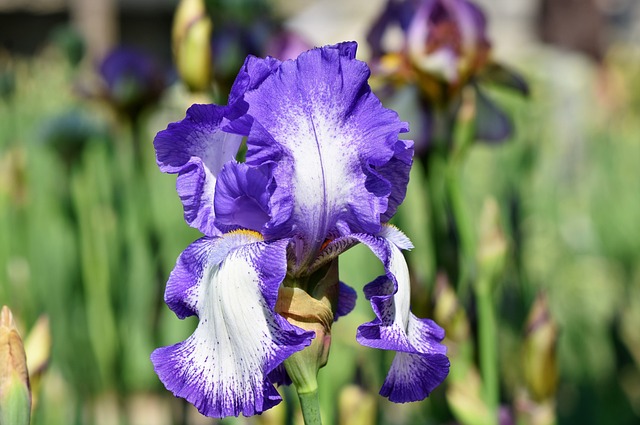
One of the joys of late spring are the irises. These tough perennials are reliable bloomers in our garden and we love the early season flower show with so many different colored varieties. In particular, the bearded irises are stunning with their large, sometimes multi-colored flowers. But the flower show can be short lived, especially if we get a hot spell when they’re blooming. The solution is to grow reblooming varieties. These bearded iris varieties will rebloom later in summer or early fall, giving you a second round of joy from your iris patch.
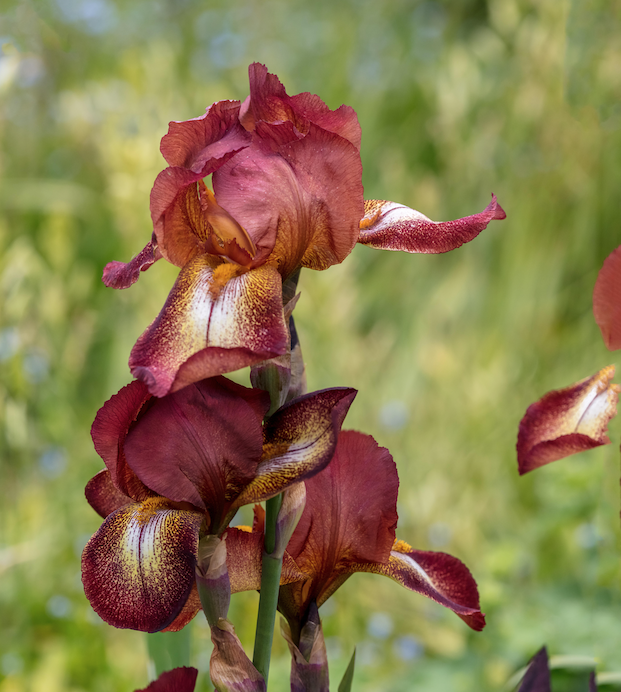
Here are some good rebloomers to try. ‘Sugar Blues’ features wisteria-blue petals on flowers with a sweet fragrance. ‘Champaign Elegance’ has pure white petals brushed with apricot-pink shades. This variety makes a great cut flower. For really stunning colors, try some of the bi-colored bearded iris. ‘Ozark Rebounder’ features very strong deep purple tones that are almost black. ‘Swept Off My Feet’ has pure white petals edged and topped off by deep purples and violets. If you can’t decide try a collection such as the ‘Repeat Performance Reblooming Bearded Iris Collection’. This collection have different varieties with multiple colors to create a kaleidoscope of color in your garden.
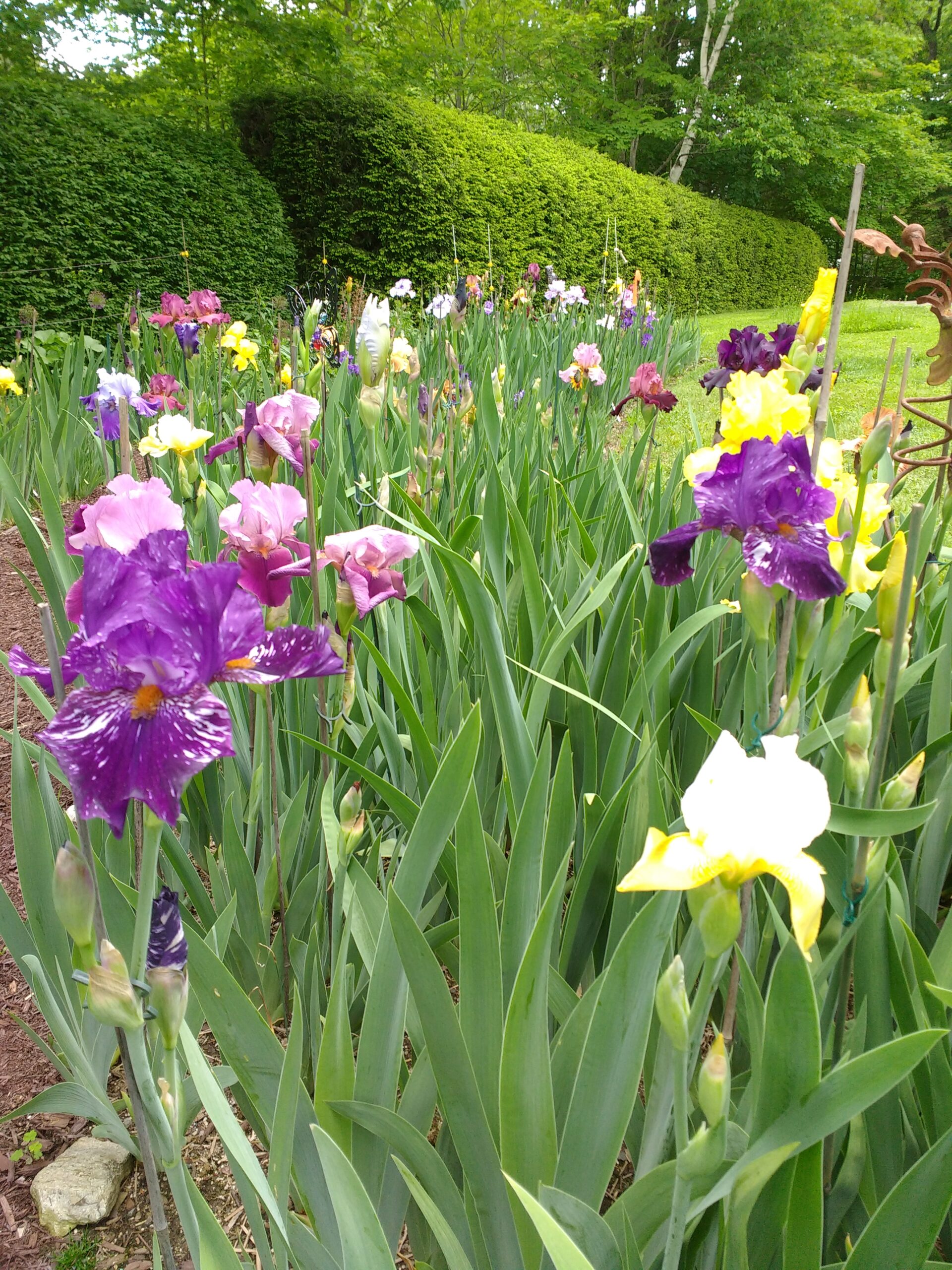
Iris grow best in full sun on well-drained soil. Plant the rhizomes shallowly with the tops exposed. Water well. Iris are relatively care free, but will need dividing in 3- to 4-years once the center of the clump shows no growth. Dig and divide these iris clumps in early fall, compost damaged rhizomes and replant others with a single fan of leaves attached to the rhizome. Watch out for the iris borer that can damage the rhizomes and remove and destroy those infected roots.
Learn more about Iris Care here

How to Grow: Spring Weeding
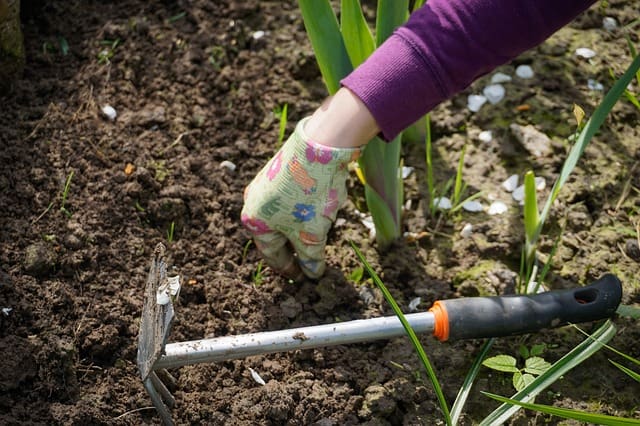
I know. Weeding is the last thing you want to do to start your gardening season. But I’ve learned, over time, that early spring weeding is critical to controlling weeds all the season long. This is especially true with perennial weeds such as quack grass, horsetail and creeping Charlie. These weeds are often the first plants to wake up in spring so they’re easy to spot and, with the moist soils, easier to pull out. The key to success is getting a good portion of the root system out.
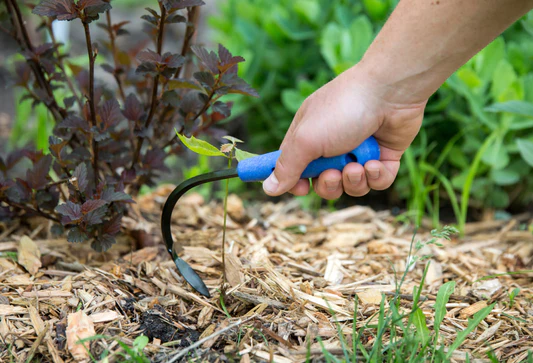
Cobra hoe
Perennials weeds thrive because by the time you start weeding them, the roots have gotten so established that you end up leaving a good portion of the roots in the soil when you do weed. They just resprout making for more weeds later. By weeding now, you’ll pull out most of the roots without harming your perennials, vegetables and annual flowers. My tool of choice for weeding now is the cobra hoe.This hand held hoe has a sharp point on the curved, sickle-shaped blade that cuts into the soil so you can more easily tease out the roots. It doesn’t uproot the soil as much as traditional hoes. That means fewer annual weed seeds coming to the surface, so you’ll have fewer annual weeds in summer.
If they those seeds do germinate, a collinear hoe is a good tool to scalp the weed seedlings off at ground level to kill them without turning the soil. Every time you turn the soil, you bring more weed seeds to the surface to germinate.
Learn more about Spring Weeding here
In Our Garden: Witchhazel
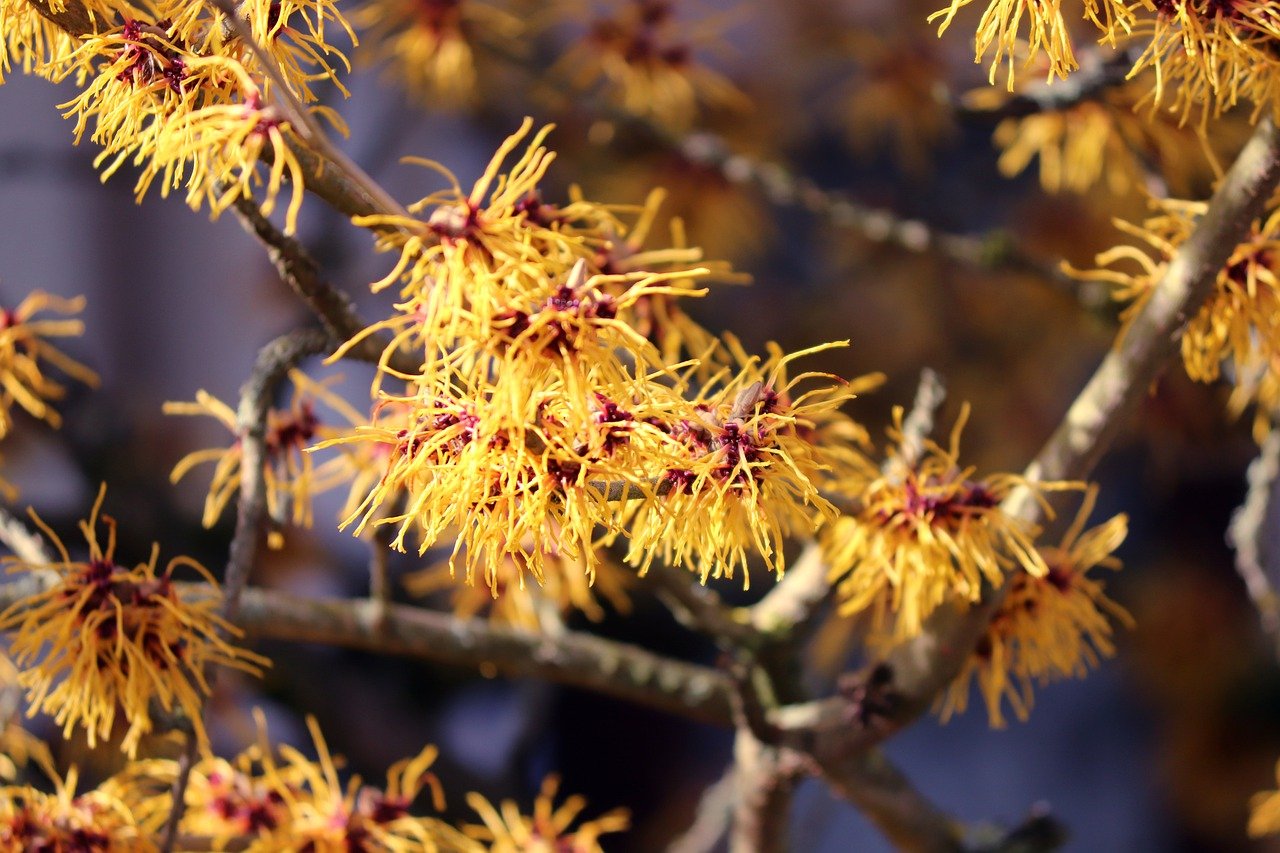
It’s quite unusual to have flowering shrubs blooming in November and March in our zone 5 climate, but witchhazel isn’t your traditional shrub. We love growing the vernal witchhazel, (Hamamelis vernalis) because it blooms in late winter with beautiful yellow, orange or red blossoms, depending on the variety. The spider-shaped, small flowers are fragrant and a pollinator magnet. During warm late winter days when bees are active, it’s one of the only plants blooming. Plus, it’s a beautiful shrub as well. The native witch hazel was used by native Americans as a medical and the plant is used to make a cosmetic astringent.
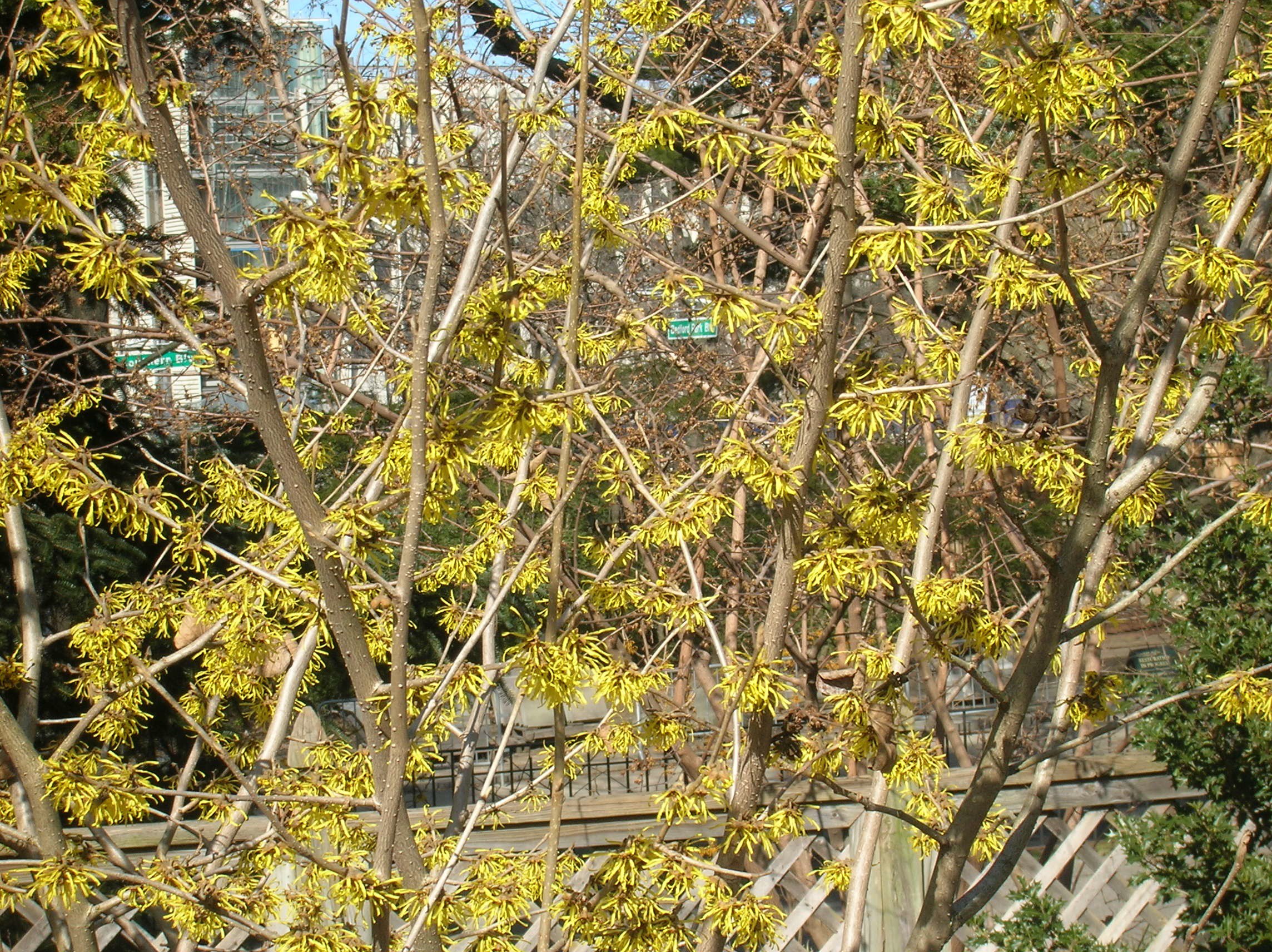
Witchhazel grows 10- to -12-feet tall and wide and, depending on the species, will bloom in November or March. The vernal witchhazel varieties, such as ‘Sandra’ and ‘Autumn Embers’, bloom now while the native Virginia witchhazel (H. virginiana) will bloom in late fall. In either case, the flowers open when the plant has no leaves, so the flower show is more obvious. The Virginia witchhazel has some new varieties of this species that grow more compact, such as ‘Little Suzie’ and ‘ ‘Harvest Moon’. There are also Chinese hybrids (H. mollis), such as ‘Coombe Wood’, that feature more color, but are less hardy.
Grow witchhazel in full to part sun on well-drained soil. Once established, the shrub needs little extra attention other than pruning if it gets too big for the space. The shrub suckers freely so it’s a good hedgerow plant. It pairs well with dogwoods and holly for winter interest.