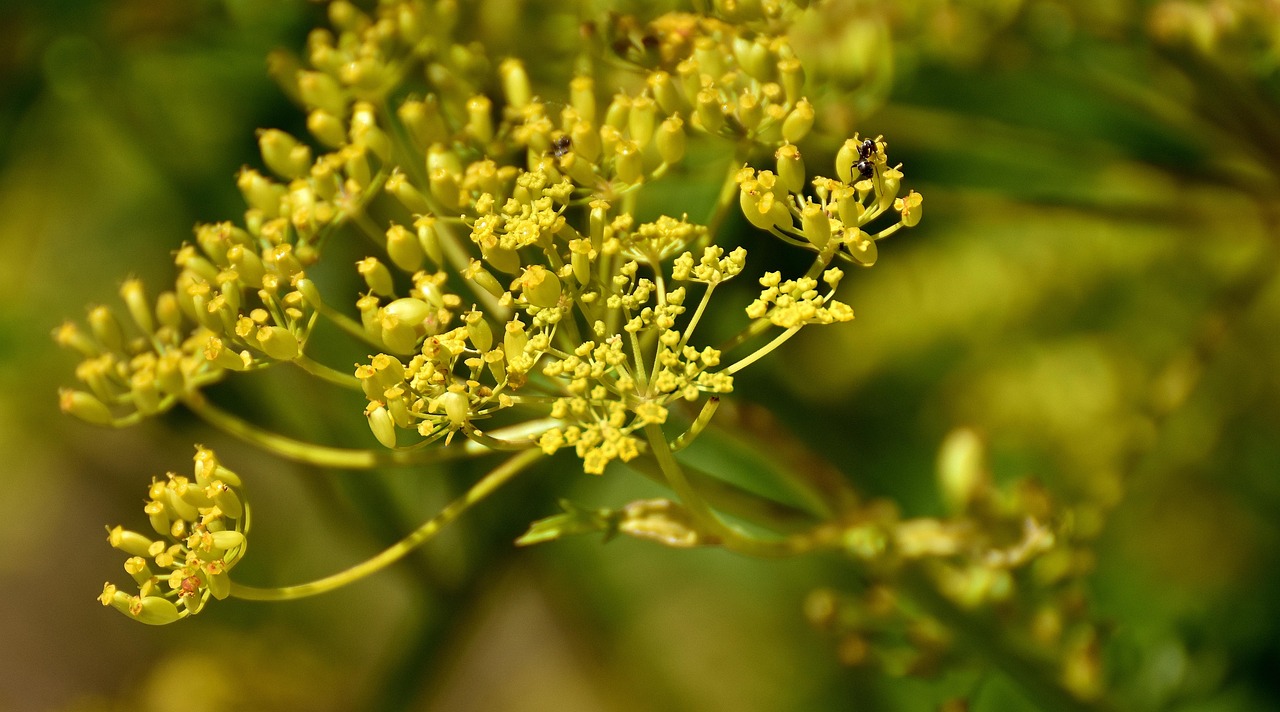
 Wild parsnip is flowering in many parts of Vermont, and now is the time to control it. The sap can cause burns on your skin, though, so learning how to safely remove it is essential. Wild parsnip, also known as poison parsnip, is flowering now, and it is ubiquitous all over the state, cropping up on roadsides, in abandoned meadows and fields.
As it flourishes, this biennial invasive reduces the biodiversity of other plants, insects and wildlife. That is why reducing its spread is important, but it must also be done with a certain caution. Wild parsnip sap contains a chemical that can make your skin more vulnerable to sunlight. If you get the sap on you, it can cause blistering and burning within a day or two. It grows about 4 feet tall with yellow flowers or umbels that resemble Queen Anne’s lace. When wild parsnip is in its second year, it can drop tons of seeds, spreading readily.
Aim to pull the flowers out after a good rain. When the soil is moist, it will be easier to pull it up, root and all. Cover any exposed skin — wear long sleeves, pants, boots and gloves — to avoid getting sap on your skin. If wild parsnip is covering a large portion of your land, a scythe might be faster. Cut it all down right at the soil line. Continue to remove wild parsnip in this manner for three to five years, as that’s how long the seeds will last in the soil.
If you stay on top of it, you can eliminate it from your fields, and soon enough, you’ll have a meadow with space once again for native flowers and plants to thrive