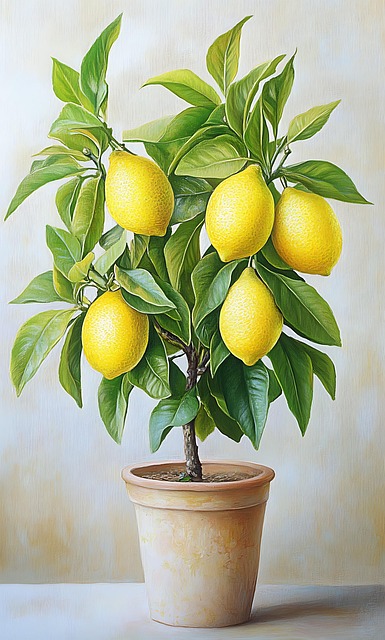
 Choose the correct container and citrus variety, and you could have a mini indoor orangerie this winter. If a gardener on your gift list would love to plant a fruit tree this year, you might think: “apple tree!” But if that gardener dreams of the scent of orange blossoms — and loves a challenge — you might wrap up a citrus plant instead.
Growing citrus in our Northern region is all about choice. Once you choose the right kind of citrus, the correct container, and where to grow the plant indoors and out, you’re on your way. You should go into the process knowing full well that you might get citrus blossoms but not necessarily fruit. First, start by searching for the right kind of citrus. Citrus plants that grow well in containers are your best bet, because this new addition to your mini orangerie is going to be a dual citizen of both your indoor and outdoor space. For oranges, look for Citrus mitis or calamondin. For lemons, choose Citrus x meyeri or Meyer. And go for Persian limes and kumquats, as all of these citrus plants can take being a bit root-bound in a container and still thrive.
Your citrus plant is going to live indoors in fall and winter, then move outside during spring and summer, so also consider where in your home it can thrive (think cool and sunny) and what spot will work best outdoors (think warm and sunny). A sunny, cool room in your home that has boosted humidity works best. You can use a humidifier or place the container on a pebble tray with water to improve the humidity. This extra moisture is especially helpful for your citrus plant if you are using a wood-burning stove over the winter. And then, it’s all about finding just the right size and sort of container. Size-wise, begin with a small 12-inch pot for citrus plants. As it grows, repot and graduate up to larger ones.
The key for citrus plants that grow indoors during the colder months is to not let the roots dry out completely nor sit in soggy soil all winter. And that is where choosing the right material for your container comes in. Choose plastic if the plant won’t be watered often and clay if it will be. For citrus plants that will be watered often, the clay pot will help the plant drain well. For less frequently watered plants, go for plastic. This type of pot makes it less likely that the roots will dry out completely if the plant doesn’t get enough water over the winter.
This indoor setup will be the citrus plant’s winter home. Then in the spring, the move outdoors begins. This transition from indoors to outdoors should be done gradually, over five or six days. Begin by bringing the citrus plant outdoors for a few hours each day, then back inside. Repeat this for several days to help ease the transition. This also ensures that the leaves don’t burn and drop prematurely. Once the citrus plant is fully outdoors, put it in a protected and sunny spot, water it, and add some citrus fertilizer.
Then, in the fall, bring the plant back indoors to start the cycle again. With diligence and patience, you’ll get some sweet-smelling citrus blossoms and maybe even a piece of juicy fruit.