Fall Gardening & Plant Protection: Webinar, Podcasts, and Articles

It’s stick season our new neck of the woods. That means the deciduous leaves and needles have dropped, but the snows have yet to show up. I was going to send this newsletter out next week, but the weather is shifting quickly to cold and snow in the North, so I thought it would be more timely to send this newsletter now. November is all about planting the last of your spring flowering bulbs and garlic, protecting a variety of tender plants from evergreens and shrubs to perennial herbs and making compost. And it’s an opportunity to build new garden beds for next year.
To help you manage and complete your fall gardening chores, I created a webinar of the same name. In this webinar, I talk about the last planting of perennials, trees and shrubs, the last weeding, planting bulbs, protecting plants from winter and new ideas on garden cleanup and cutting back flower and vegetable gardens.
I also included three other podcasts and articles on fall gardening that might be of interest. They are about protecting, evergreens, roses and perennials herbs in winter. And an article on building new beds using the No Dig Gardening method.

If you’re looking for some immediate answers to your fall gardening questions, check out my appearance on Vermont Public’s, Vermont Edition Show. I answered questions on the radio, and we had a studio audience asking questions in-person as well. It happened Thursday, October 23rd at the Vermont Public studio in Colchester, VT and we recorded it! Check out our recording of the Vermont Edition Fall Gardening Show Live event here.
Until next time I’ll be seeing you, in the garden.
Charlie
Fall Gardening Chores Webinar

I know for some Northern gardeners, it’s a bit late to plant perennials, trees and shrubs. These plants need 4 to 6 weeks of freeze free soil to get established. But in many other regions, it’s a great time to plant. It is a good time to do many other fall gardening chores, too. In this webinar I talk about different types of and ways to plant spring flowering bulbs, planting garlic and shallots in fall, and protecting shrubs and trees from winter. I also discuss building the soil for next year, making a lasagna garden, the many ways to compost, protecting plants and bulbs from critters and new ideas on putting the garden to bed.
More on Fall Gardening and Plant Protection…
Protecting Evergreens in Winter
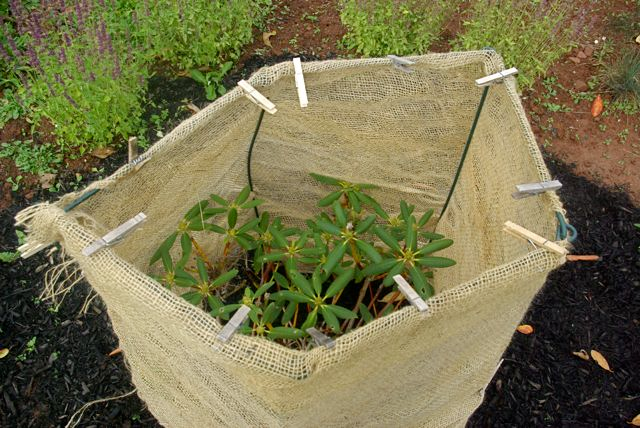
Evergreen trees and shrubs have the disadvantage of not going completely dormant in winter. This means their leaves and needles are still transpiring moisture and subject to the weather. Some of the more tender evergreens in your area may need protection. I talk about the best ways to protect your evergreens including how to wrap them to preserve their health. Hint, don’t wrap your evergreen trees like the dwarf Alberta spruce in the photo below! Check out the podcast and article here.

Don’t Do This!
Learn more about Protecting Evergreens in Winter here
Protecting Roses

I love roses, but some of the hybrid and floribunda types can be sensitive to winter’s weather. If your roses die back hard each winter, they may need protection in fall. It’s the cold winds that are more of a concern versus the absolute cold temperatures. I talk about the best ways to protect your roses in this podcast and article.

Learn more about Protecting Roses here
Overwintering Perennial Herbs

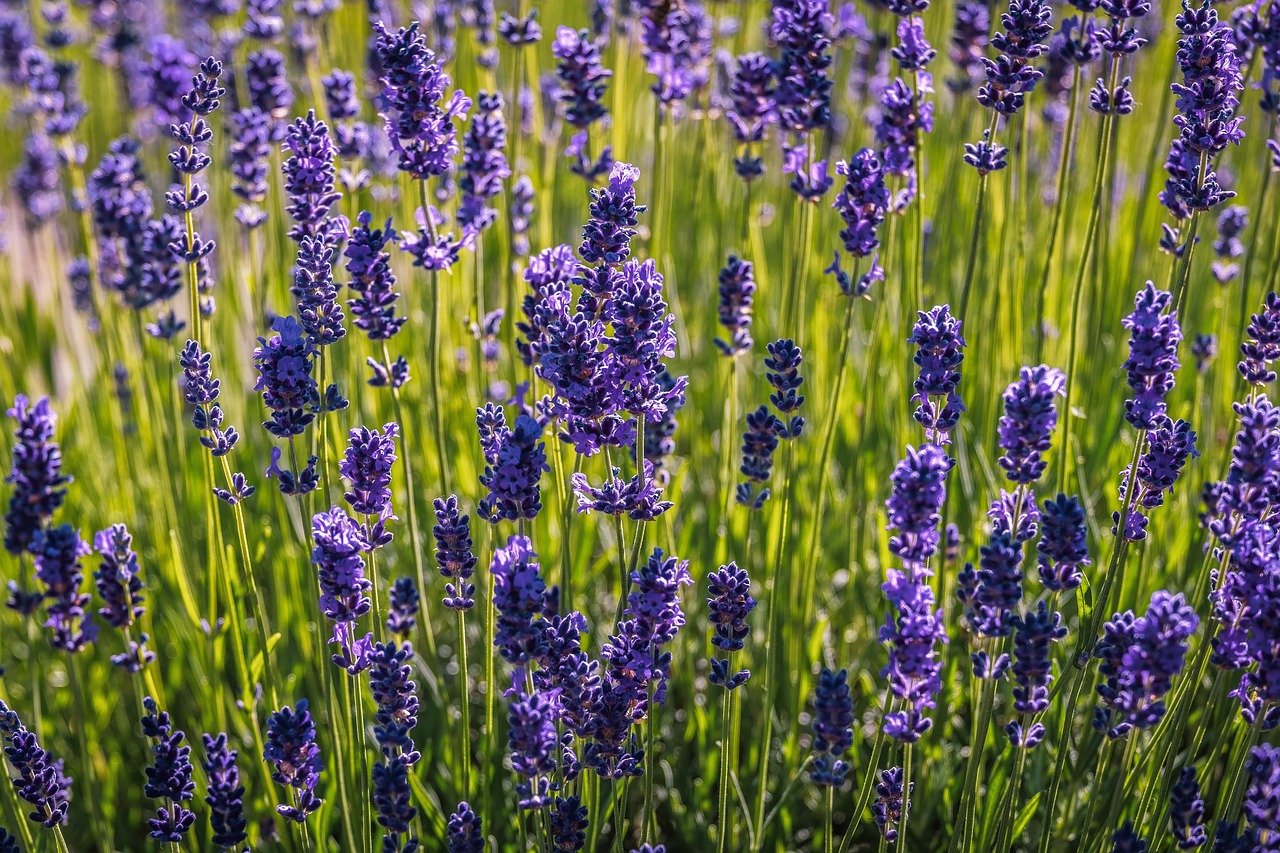
Many perennial herbs are tough as nails. Mint, oregano and thyme often overwinter, even in cold areas, with little damage. But other perennial herbs need some protection in the North or need to be moved indoors for winter. Learn about overwintering rosemary, geraniums and lavender in this article and podcast on Overwintering Perennial Herbs.

Learn more about Overwintering Perennial Herbs here
No Dig Gardening

Fall is a great time to build a new garden or expand an existing one. By building the beds and structures and enhancing the soil now, you’ll be ready to plant come spring. The best way to prepare the site and soil is by using the lasagna or No Dig Gardening technique. With this technique you build your new, organically-rich soil on top of the existing soil without tilling or turning the soil. It creates a luscious soil that the flowers and vegetables you plant in spring will love. Check out my video and article.

Learn more about No Dig Gardening here