Saving and Growing Gladiolus, Winter Plant Protection, Fall for Parsley and Poinsettia
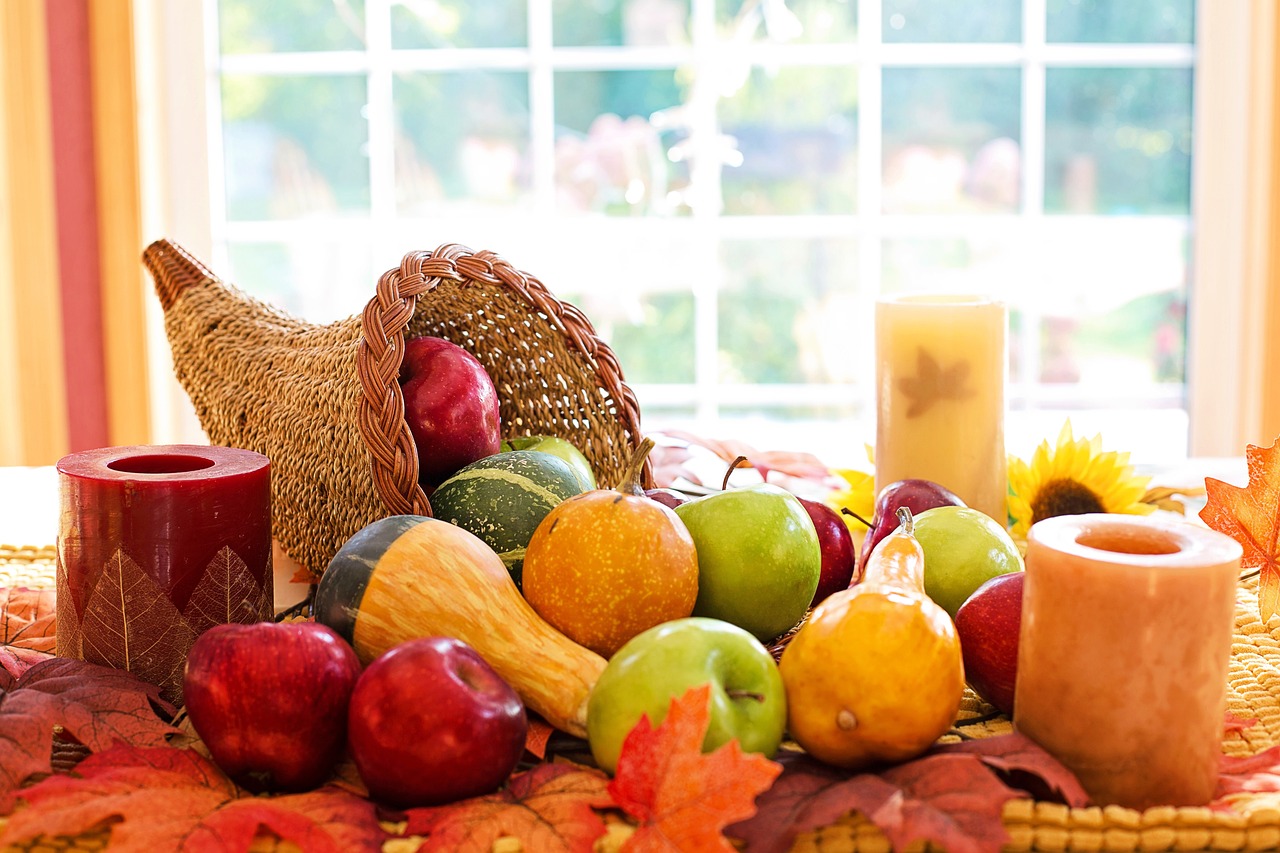
It’s almost Thanksgiving and time to really close up shop for winter in our zone 5 garden. We’re scurrying to finish up garden chores before the nights really get cold and the ground freezes. The snows a week or so ago really got us moving. While we’ve dug the dahlias, we’re just getting to the gladiolus. That’s okay. Gladiolus are hardier than you think. I had three corms I forgot last fall and they actually overwintered in our garden and they bloomed this summer. I wouldn’t count on it each year, though. Learn more about saving and storing gladiolus and some cool varieties to try next year in this newsletter.
It’s also time to get serious about winter plant protection. It’s time to cover the strawberry plants, cover tender perennials and protect shrubs and roses from the wind. I talk about how to do all those techniques in this newsletter.

Parsley has to be one of our favorite herbs. It’s been growing great all fall and even has withstood some cold weather. However, if we really want it for winter cooking, we’ll have to bring it indoors. Let’s chat about growing parsley indoors and outdoors here.
Yes, it’s almost the holiday season and what flower represents the end of the year holidays more than poinsettia? While you might dismiss poinsettia as that boring, traditional grocery store flower, it’s actually pretty cool and can give you color all winter long. Learn more about caring for poinsettias in this newsletter.

Also, remember to check my monthly garden blog I write for Proven Winners called What’s Up North. The November blog talks all about “stick season”. That’s when the leaves have dropped, but the snow hasn’t arrived yet. The garden doesn’t have to look like a bunch of sticks. By choosing trees and shrubs that have interesting bark, you can brighten up a normally grey time of year. Check out my blog on Stick Season here.
Until next time I’ll be seeing you, in the garden.
Charlie

Where to Find Charlie: (podcasts, TV and in-person)
- In the Garden (WCAX-TV CBS) – This week: Winterize Your Garden
- All Things Gardening on Vt Public Radio– This week: Caring for Hydrangeas
- WJOY In The Garden Podcast– This week: Care and feeding of holiday plants including the many Poinsettia varietals, Christmas Cactus, houseplants and pests, and fall pruning tips
- Where’s Charlie Speaking? 2/12/26: Stowe Vermont Library- Vegetable Gardening
How to Grow: Gladiolus
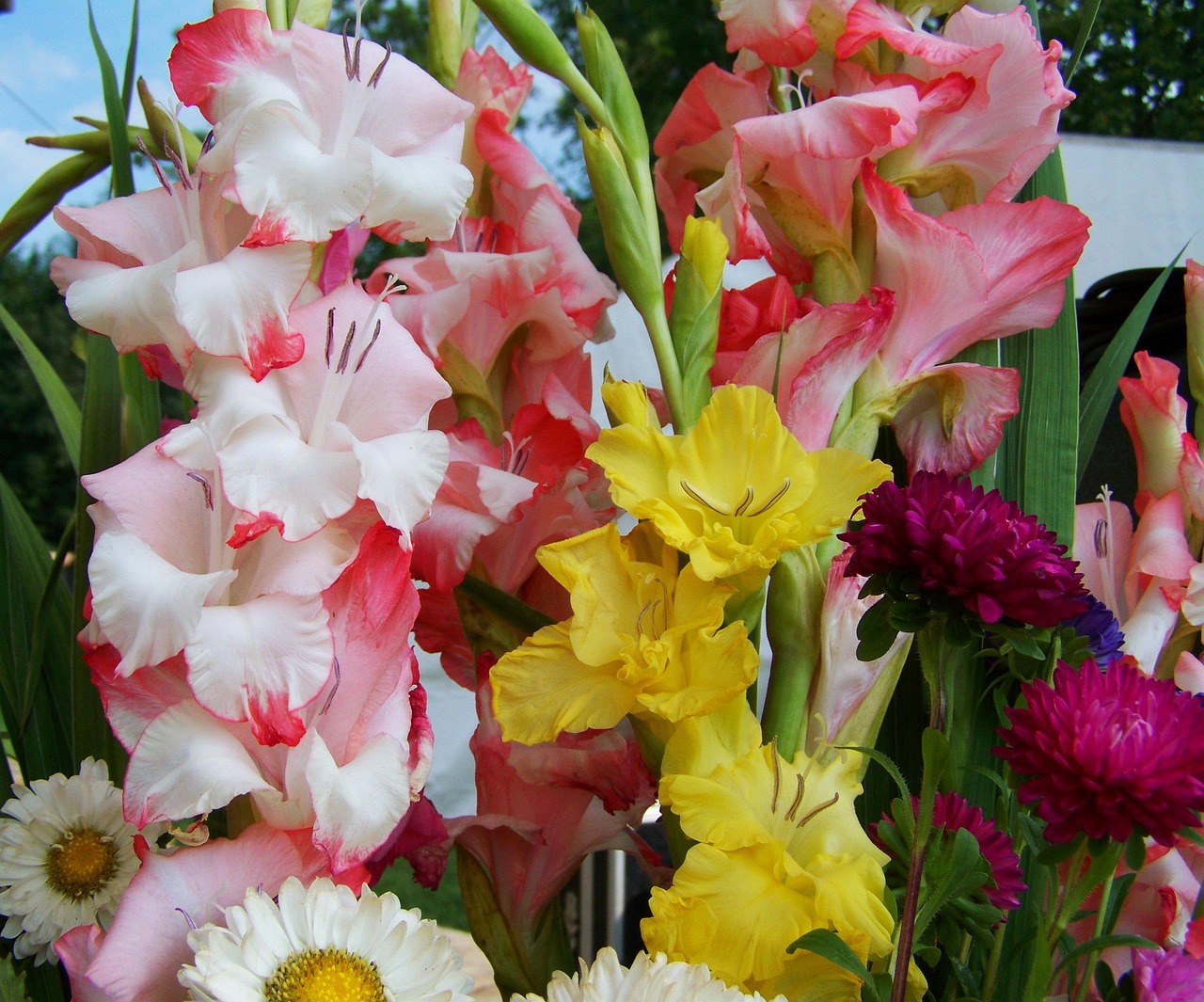
This year I remembered my gladiolus. After forgetting to dig, clean and store them last fall, I swore I wouldn’t forget this fall. What amazed me was that the forgotten gladiolus corms overwintered and flowered for us this summer. I won’t count on that happening again, so dig I will.
Digging and storing gladiolus corms is easy. Cut back the foliage and dig up the plant trying not to disturb the corm. Knock the soil off the corm and find the old corm under the new corm. With a pruner or sharp knife, cut off the old corm and any small bulblets that had formed, and save the fresh, new corm. Bring the cleaned corms into a garage, shed or warm area to cure and dry for about one week. Then simply store them in onion mesh bags. Label the bags as to the color of each corm. Place the corms in a dark, cool basement or room that stays between 35F and 50F all winter. In spring plant and enjoy.

Gladiolus should be planted in spring after all danger of frost has passed. While you’re thinking of your glads, it might be nice to plan on some new varieties. There are plenty to choose from beyond the traditional colored types. ‘Fiorentina’ features curly, chiffon white flowers with a deep red heart. ‘Hugo’ has two shade of pink flowers with light pink on top and dark pink below. This variety is a pollinator and butterfly favorite. ‘Espresso’ gladiolus has deep burgundy, almost chocolate, colored flowers that hummingbirds love. If you can’t choose the individual variety, try a mix. The ‘Pastel Mix’ of gladiolus features solid colors of white, pink, peach and lavender. The ‘Parrot Mix’ is the opposite with hot, reds, oranges and yellows that also have two toned flowers. Finally, the ‘Peacock Orchid’ gladiolus is a species type that’s shorter than the hybrids. It’s flowers are white with red colored throats that have a fragrance and are a bit hardier.

Gladiolus are best planted in groups either for cutting or mixed in with perennial flowers. The flowers are traditionally cut for indoor use when the bottom flowers start to open. However, gladiolus also make a great filler plant in mid summer in the perennial flower garden. Because they stand tall and flower in the “in between” season, they add color and interest. And once they’re finished flowering, simply cut back the stalk and the leaves will be hidden by your other perennial plants.
Learn more about growing and storing Gladiolus here

Winter Plant Protection

Before we get too far into winter, it’s important to protect plants that might be tender in your area. There are fruits, vegetables and trees and shrubs that need your help, especially in zone 6 and colder gardens.
Let’s start with fruits and veggies. If you planted garlic back in October, now is the time to layer chopped hay, straw or leaves over the bed. The same is true if you have a strawberry bed. This protection isn’t from the cold, but from the freezing and thawing that often happens to beds in winter. This temperature change can cause the plants to heave out of the ground and dry due to exposure. Mulching keeps the soil more evenly cold.

If you’ve had problems with your blue flowering hydrangea (H. macropylla) flowering or blooming very late in summer or fall, it might be due to the stems dying back in winter. This type of hydrangea sets flower buds on the stems that grew this past summer. If they die, so do the flower buds. Add a 1 foot deep pile of wood chips right over the plants. Don’t worry about protecting the whole stem. You just want to protect the bottom part. If the top survives, that’s great. In spring, slowly remove the wood chips, but watch for late frosts. They can kill the stems as easily as the winter’s cold.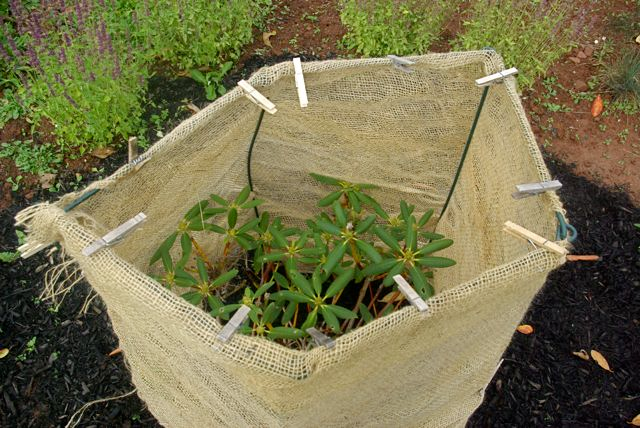
If you grow roses, or evergreen shrubs, such as rhododendrons, protecting the canes and leaves from drying out in winter is important. Often it’s not the absolute cold that kills the plant, but the drying winds. Pound in wooden stakes around the plants and wrap burlap around the stakes. This creates a wind break so the canes and leaves won’t dry out as much. It also might help insulate the plants by collecting snow. You can also spray an anti-desiccant on the foliage. Don’t let the burlap touch the leaves because that will aid in the desiccation process.
Learn more about Winter Plant Protection here
How to Grow: Parsley

There’s one herb in our fall garden that’s tough as nails. That’s our parsley. It’s gone through a few frosts already and still looks and tastes great. If I protect it when it really gets cold, it might make it through the holidays! A better choice, though, is to grow parsley indoors to have all winter.
There are two different types of parsley you can grow indoors or outdoors. Curly leafed parsley is the showiest one and the plant is gorgeous as it grows in a ball shape. Italian or flat leaved parsley isn’t as showy but has a stronger parsley flavor that makes it a good choice for winter soups and stews. Both grow well in the garden with cool, moist weather. Although this year’s drought and heat wave in August didn’t seem to knock it back. Parsley is also a great edible landscape plant making the perfect foil to colorful, low growing flowers such as petunias and lobelia.

We grow parsley in the sol and in pots. That’s because come November we move the pots indoors. Of course, check for hitchhiking insects on the parsley leaves and spray accordingly. You can also repot the plant with fresh potting soil and clean the pot to reduce an insect and disease outbreaks. Place the plants in a South facing window for winter in the North and an East facing widow in warmer climates. Keep the soil evenly moist and harvest the leaves as needed.

Parsley is a biennial, so eventually the plant will flower. That’s usually not until spring so you’ll have many months of fresh parsley in winter. Once parsley flowers you can compost the plant.
Learn more about Growing Parsley here
In Our Garden: Poinsettia
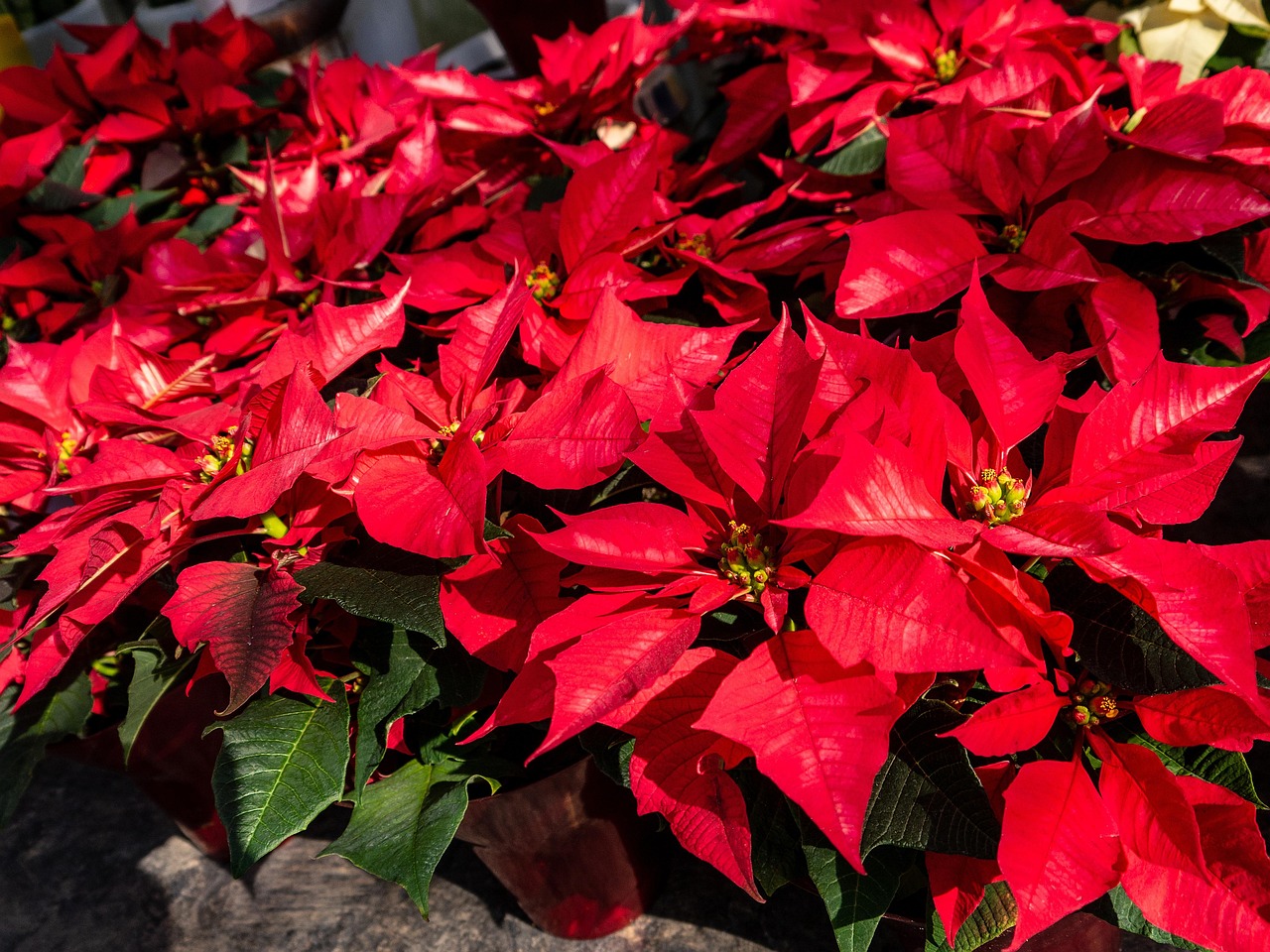
Yes, the holidays are in full swing and that means lots of poinsettias in garden centers, grocery stores and hardware stores. They seem to be everywhere this time of year because they’re the flower of Christmas! Poinsettias are in the Euphorbia family and native to Central America. But I’ve seen them around the world, even in India. In warm climates, poinsettias are shrubs in the landscape. What makes them holiday favorites is the flowers (bracts) turn their red color in response to shorter days in November so they often are colorful around the end of the year.
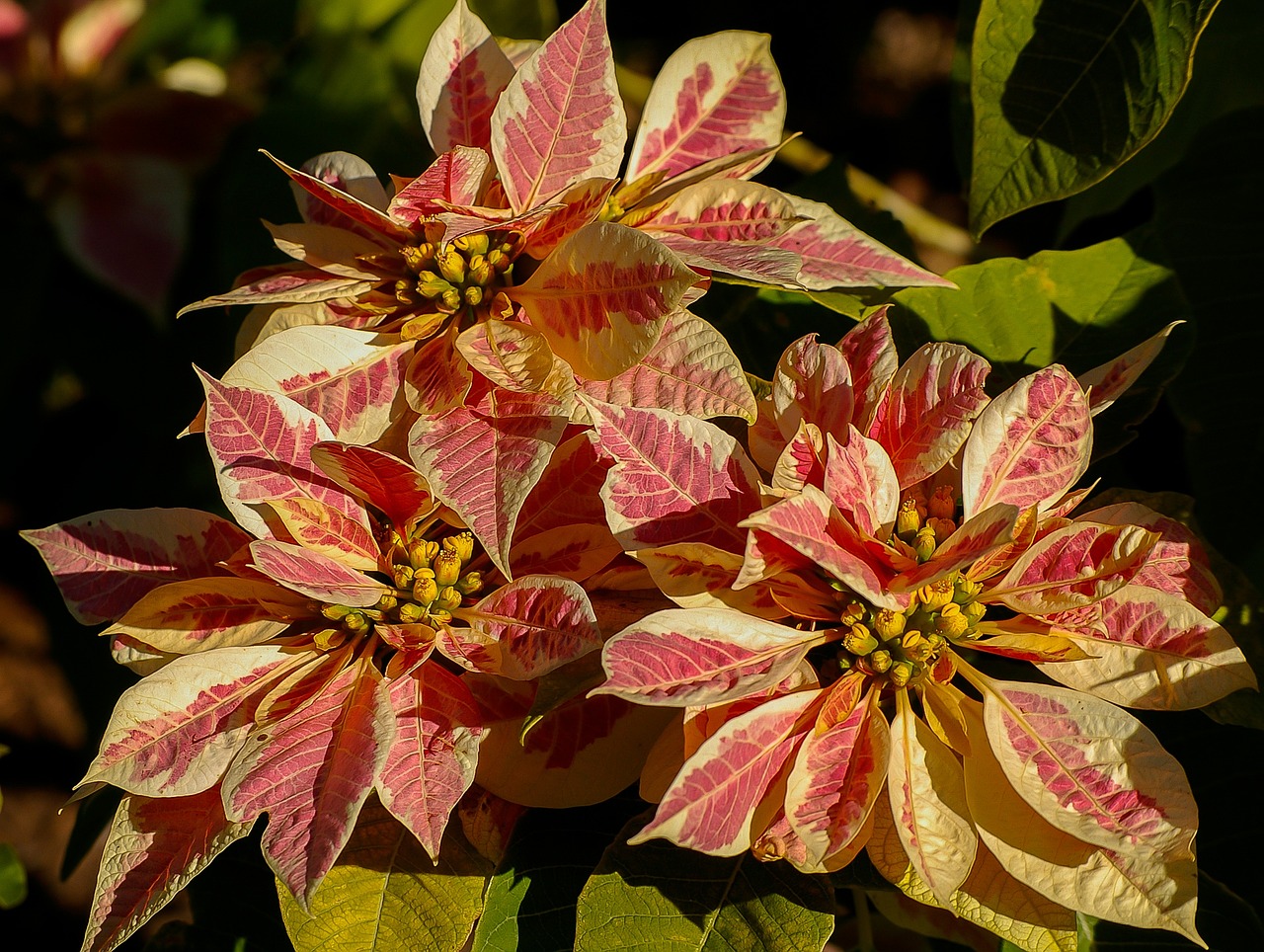
More than 70 million poinsettias are sold in the United States each year. They come in an amazing array of colors. The traditional red and white poinsettias are still the most popular. But you also see varieties in cream, pink, yellow and peach now. Some poinsettias have curled leaves. Some poinsettias have freckles of white on the leaves. Some poinsettias have double flowers for even more color. And some poinsettias are tiny and great gift plants.
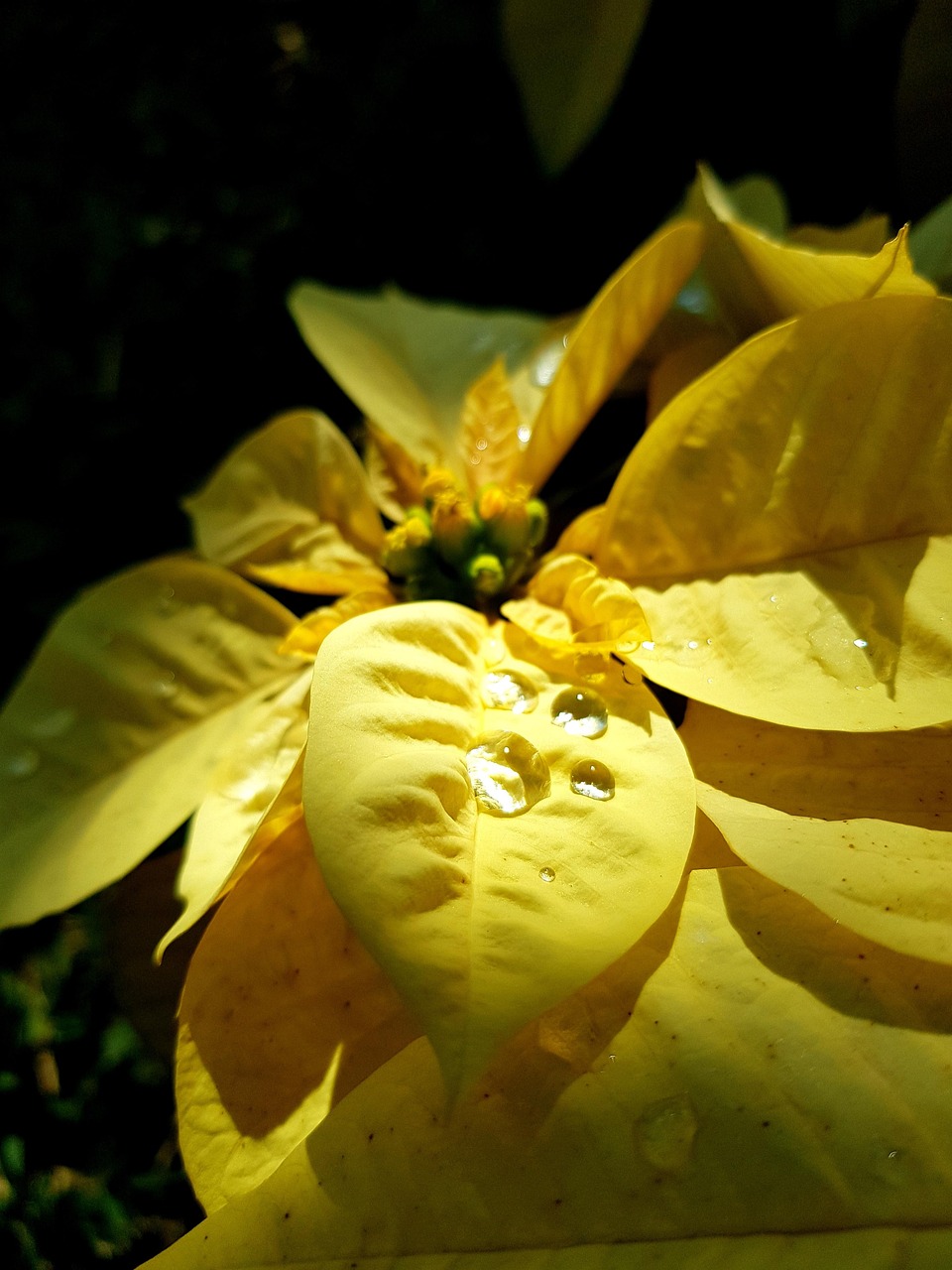
Once you purchase your poinsettia, bring it home and remove the plastic wrapper on the bottom of the pot. That will help with water drainage. Place the plant in a bright, cool room and it will stay attractive longer. In fact, poinsettia bracts have been known to last for months. That’s the advantage of having bracts instead of just flowers. The color lasts longer. Keep the poinsettias well watered, but not too much water or the leaves will drop. Let the soil dry out a little between waterings. After the holidays, use them in your houseplant area to add color during winter. Although the leaves have the reputation of being toxic, a pet or child would have to eat lots of leaves to get sick. That being said, you should still keep them away for pets and children.
Once the color fades, you can try to grow the poinsettia into summer. Cut them back and let them regrow outdoors. Getting them to turn colors again in fall is a labor intensive process. I like to let the professionals grow this plant for me each year.