Scenes from our English Garden Tour, Beautiful Bee Balm, Strawberries and Ground Cherries
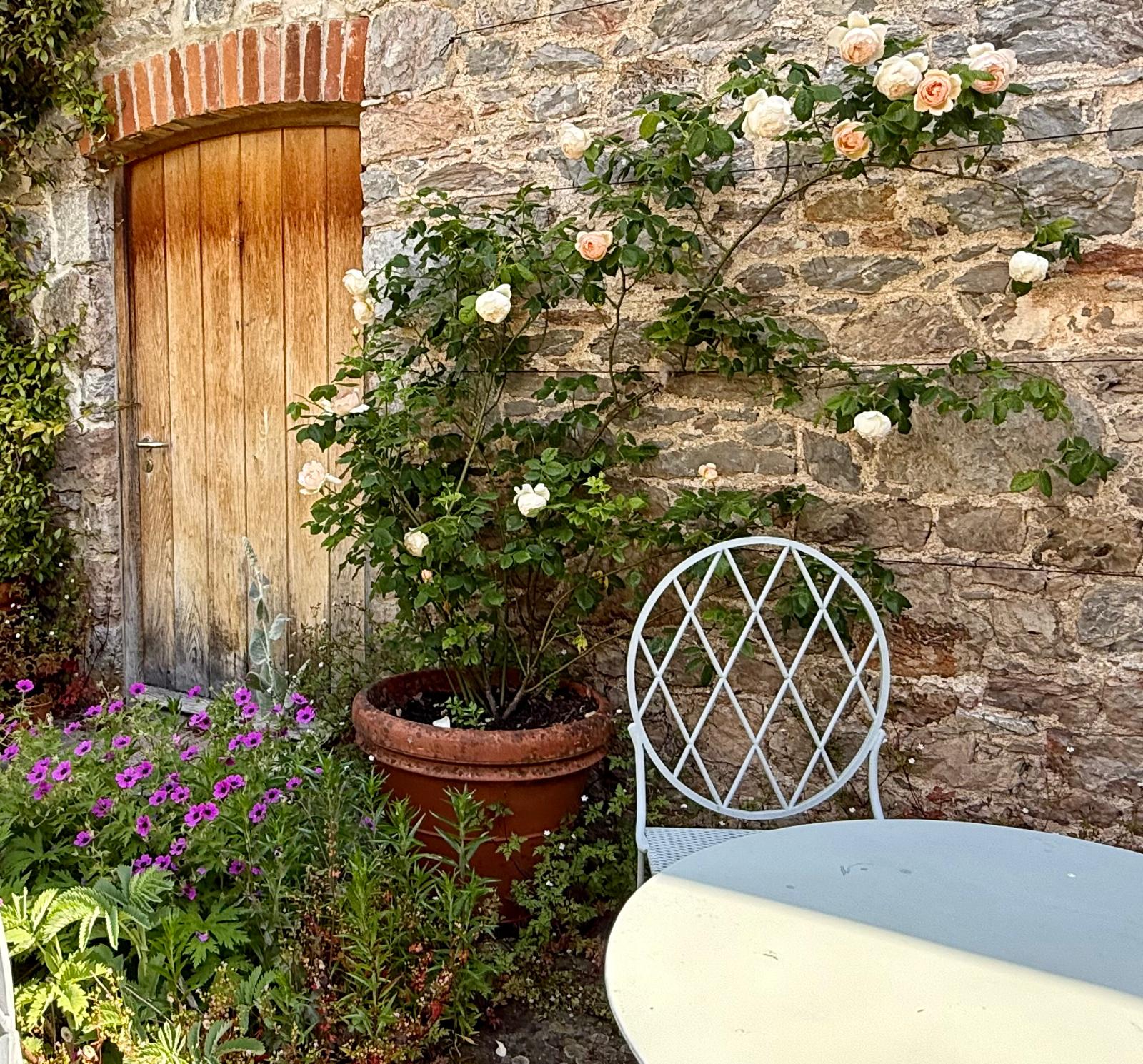
I’m just back from the Chelsea Flower Show and touring the Gardens of Southern England. It was an amazing tour with bright sunshine and warm temperatures everyday, beautiful gardens, interesting gardeners and lots of fun and laughs. I included more information in this newsletter about the gardens and a link to some short videos/reels to give you just a taste of where we went. Enjoy!
Monarda or bee balm is a hardy, native plant that’s a favorite of bees, pollinators and butterflies. There are lots of varieties in colors ranging from lavender to red to pink. You can also alter the bloom times by doing a technique called the “Chelsea Chop”. Read more below about growing bee balms.
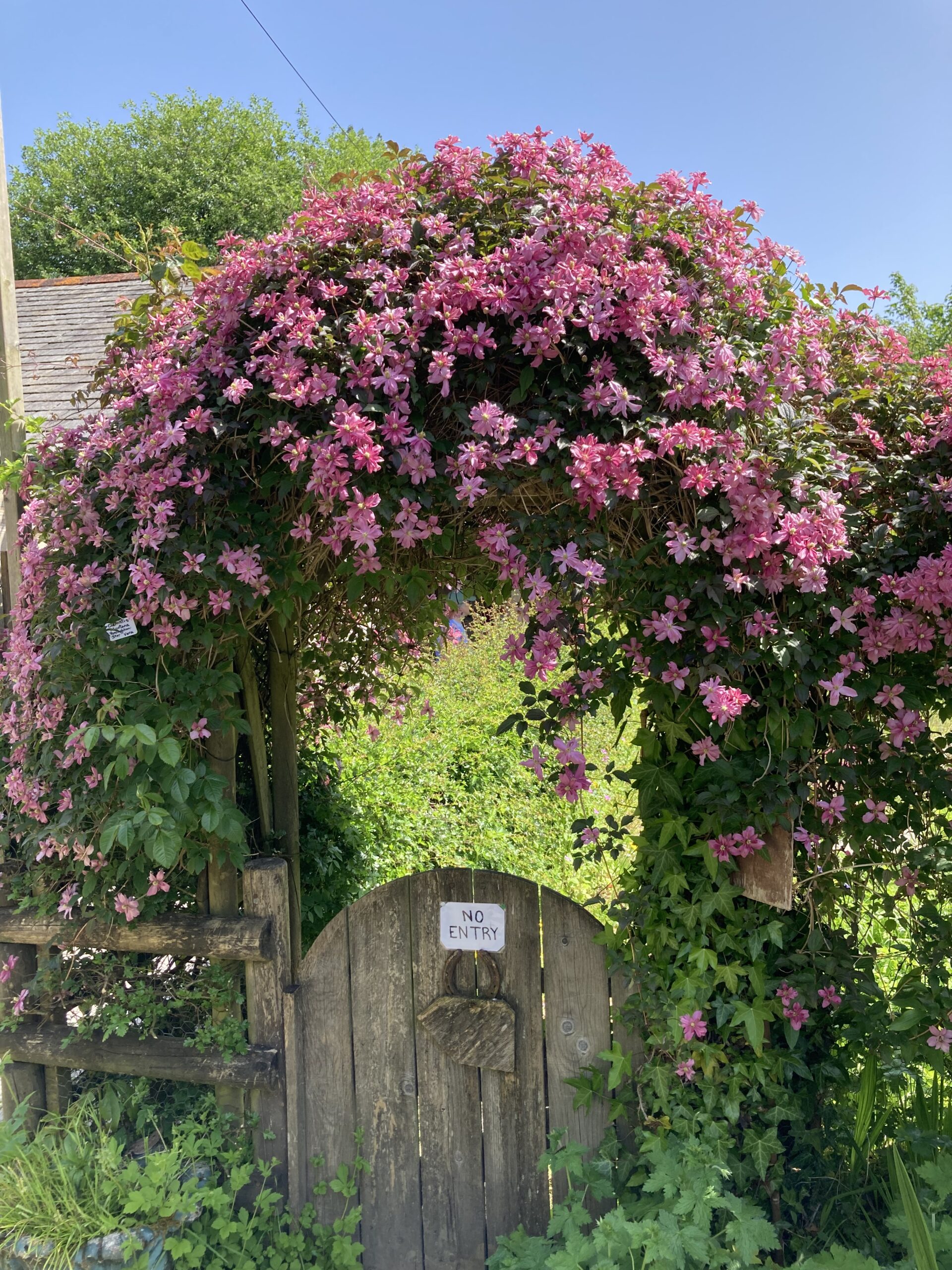
Our strawberries are flowering and setting fruit in our zone 5 garden. While we all love the June bearing strawberry varieties planted in beds, there are a few other types of strawberries that are good to grow to get berries all summer and to use as an interplanted crop around other plants. Learn more about these strawberries and ways to grow them in this newsletter.
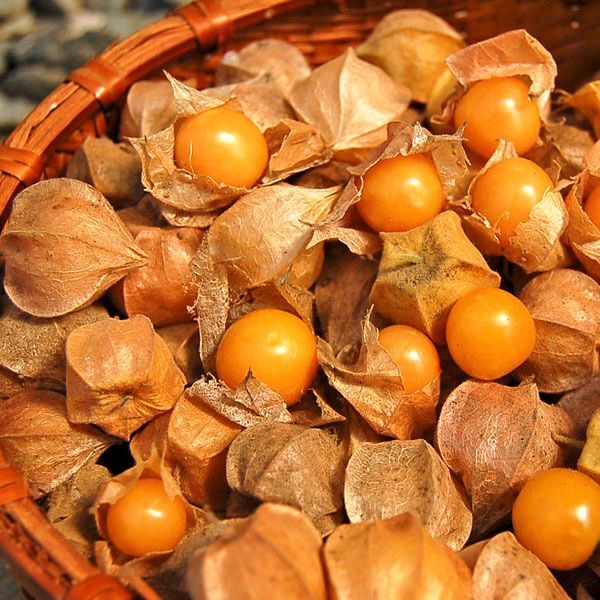
This tomato relative is just popping up in our garden and it’s always a delight. Ground Cherries or Cape Gooseberries, are low growing, sprawling plants that love sun and heat. They produce tan, papery, Chinese lantern-like husks with a surprise inside. Inside are green turning to yellow, sweet, tasty cherry-sized fruits. They are prolific and fun to grow for kids of all ages. Learn more here.
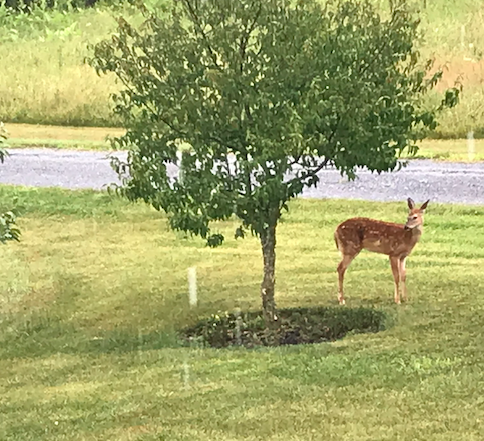
Are deer driving you crazy in your garden? Take a look at my monthly garden blog I write for Proven Winners called What’s Up North. This month I talk about How to Stop Deer Browsing in the Northeast. Many of us have to deal with deer damage in our gardens. It can be very frustrating. In this blog I talk about controls such as fencing, repellents and types of shrubs that deer generally don’t eat. Check out my blog on How to Stop Deer Browsing in the Northeast, here.
Until next time I’ll be seeing you, in the garden.
Charlie
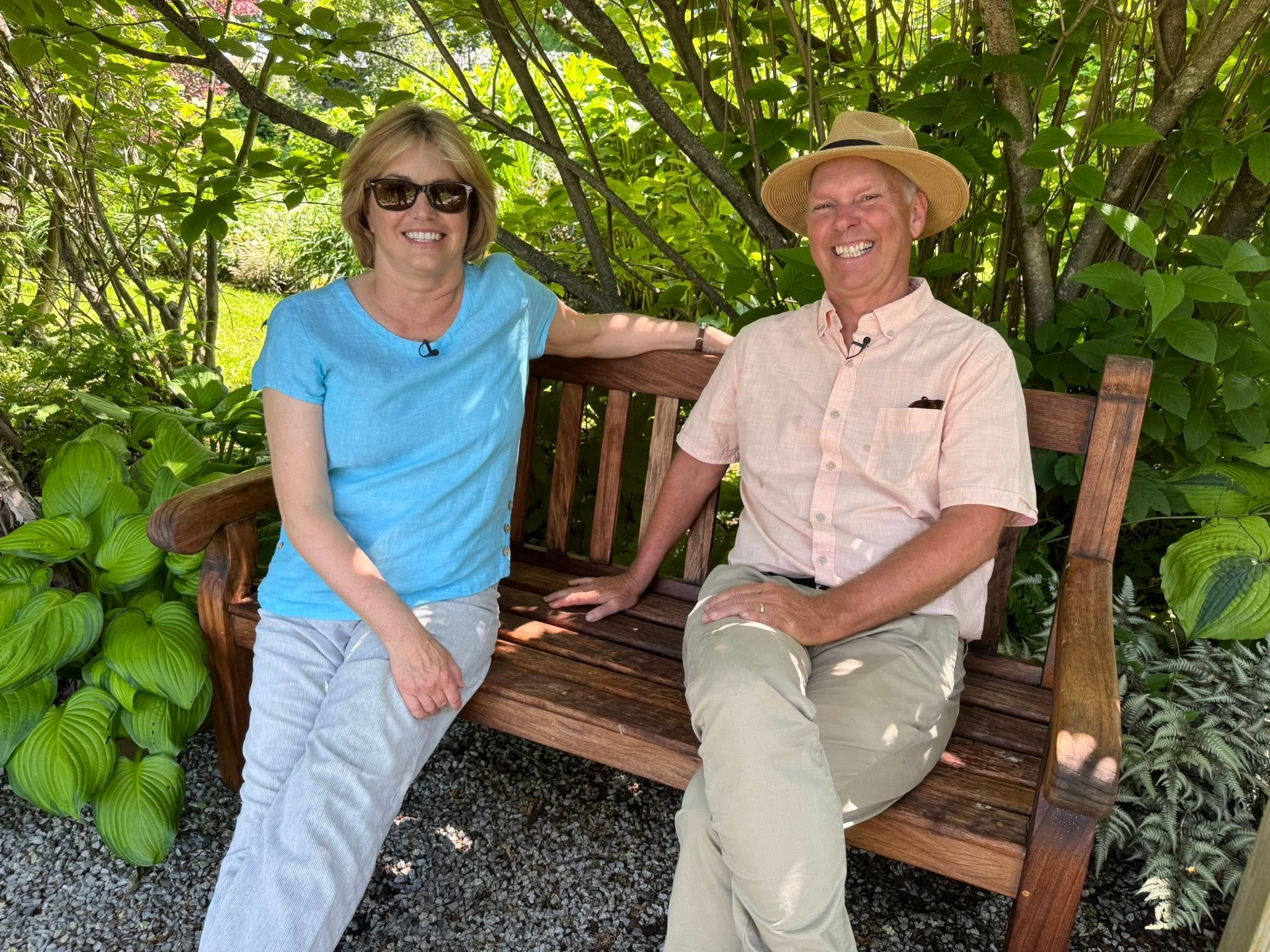
Where to Find Charlie: (podcasts, TV and in-person)
- In the Garden (WCAX-TV CBS) – This week: Potting Annual Flowers
- All Things Gardening on Vt Public Radio– This week: Jumping Worms, Non flowering Daffodils and more spring gardening problems
- WJOY In The Garden Podcast– This week: Hardening off seedlings for replanting, growing asparagus, spring weeding, groundcovers under trees, and nitrogen in compost.
- Where’s Charlie Speaking? 6/11/26: Gardening as we Age, Randolph Garden Club, VT
Gardens of England and Chelsea Flower Show Recap
One of the holy grails in the gardening world is attending the annual Chelsea Flower Show in London around the end of May. For 5 days, the show transforms a grassy park into a world famous venue for landscape designers to display their works. There were 30 large and small display gardens, amazing flower displays and exhibits under a large tent, vendors galore and a little controversy as well.
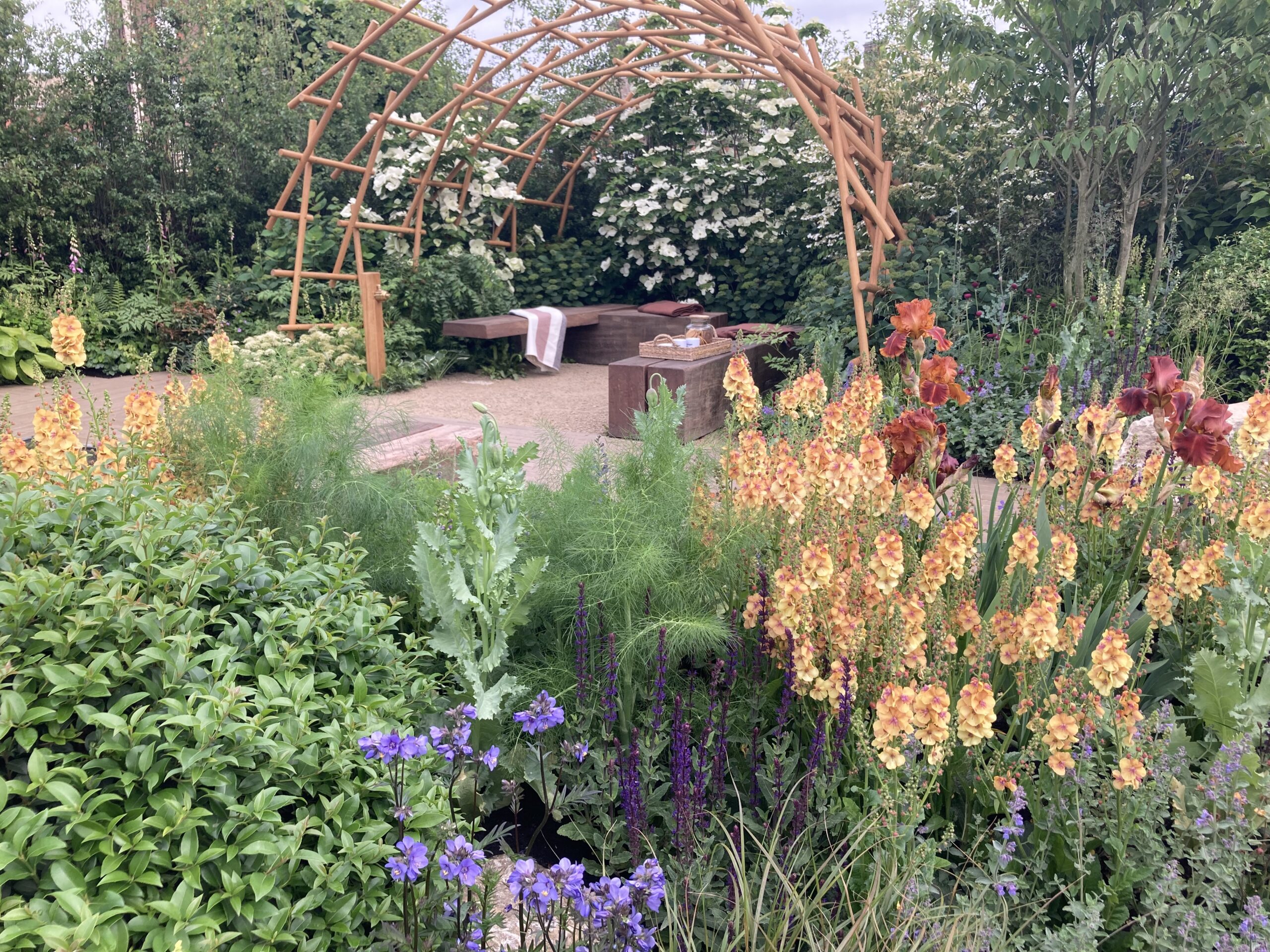
After our day at Chelsea, we headed to the equally famous Sissinghurst Castle and Gardens and Great Dixter Gardens. These gardens are stunning in different ways. Sissinghurst has beautifully crafted garden rooms made with old walls and evergreen hedges. Each is filled with different themed gardens such as roses, the white gardens and cottage gardens. Great Dixter is an old country estate that also has good bones, but they specialize in wild plantings with pops of color. They let Nature take the lead showing the gardeners where plants want to grow and editing as needed.
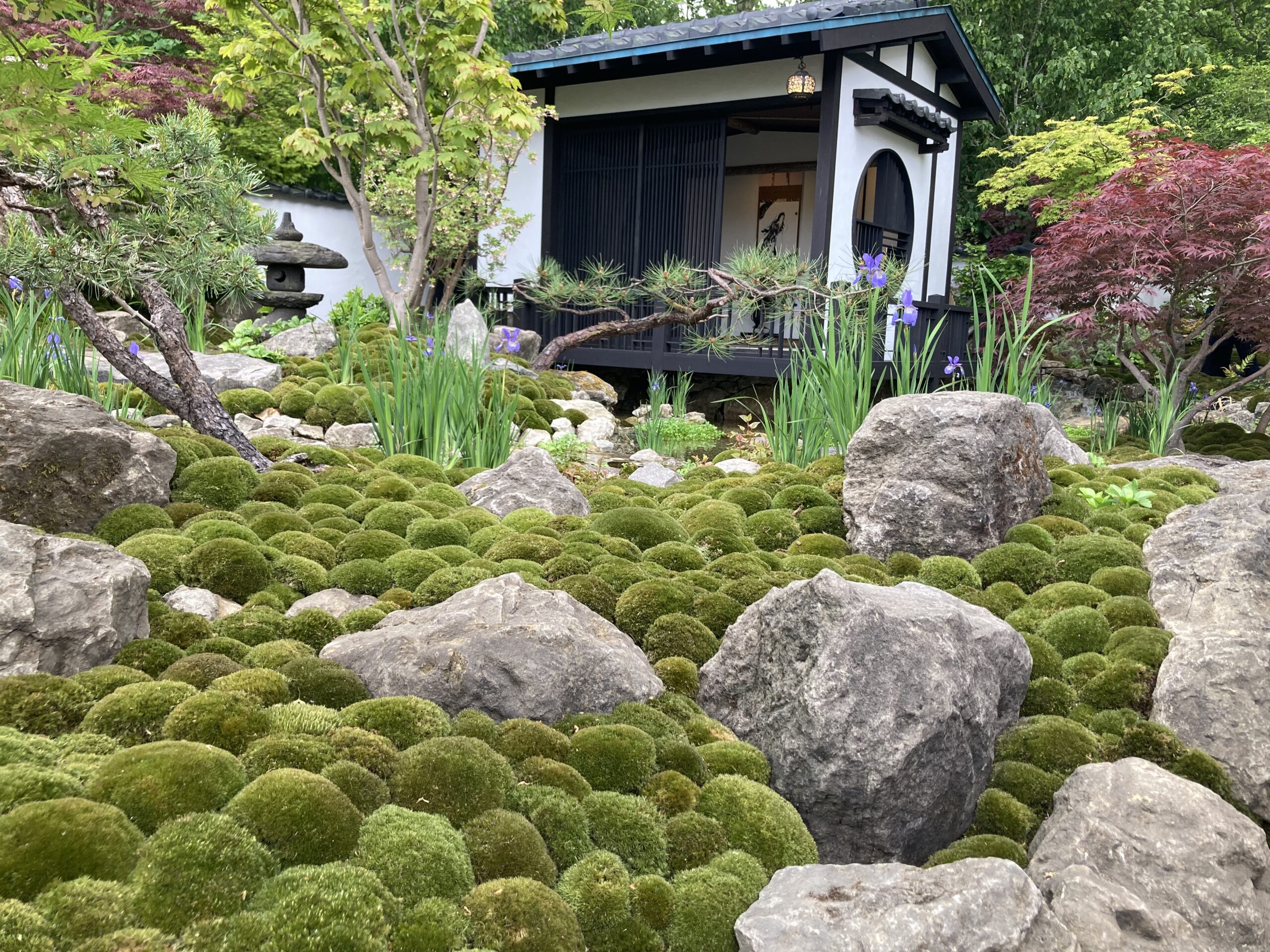
We also visited other private gardens, my favorite being Wiley at Wildside in Devon for their intuitive gardening practices taking gardening and design to a much deeper level. In Cornwall, we visited the Eden Project in Cornwall with its massive, geodesic, bio domes filled with tropical plants and waterfalls and Mediterranean plants. They recycle most of their water, have a deep geothermal well for heating and recycle and compost avidly. They also have many outdoors gardens and offer lots of education programs for adults and kids. The Lost Gardens of Heligan is a fascinating story about a 19th century, grand estate with extensive gardens that were abandoned for 70 years. They were rediscovered in the 1990s and the gardens are restored to their original grandeur,
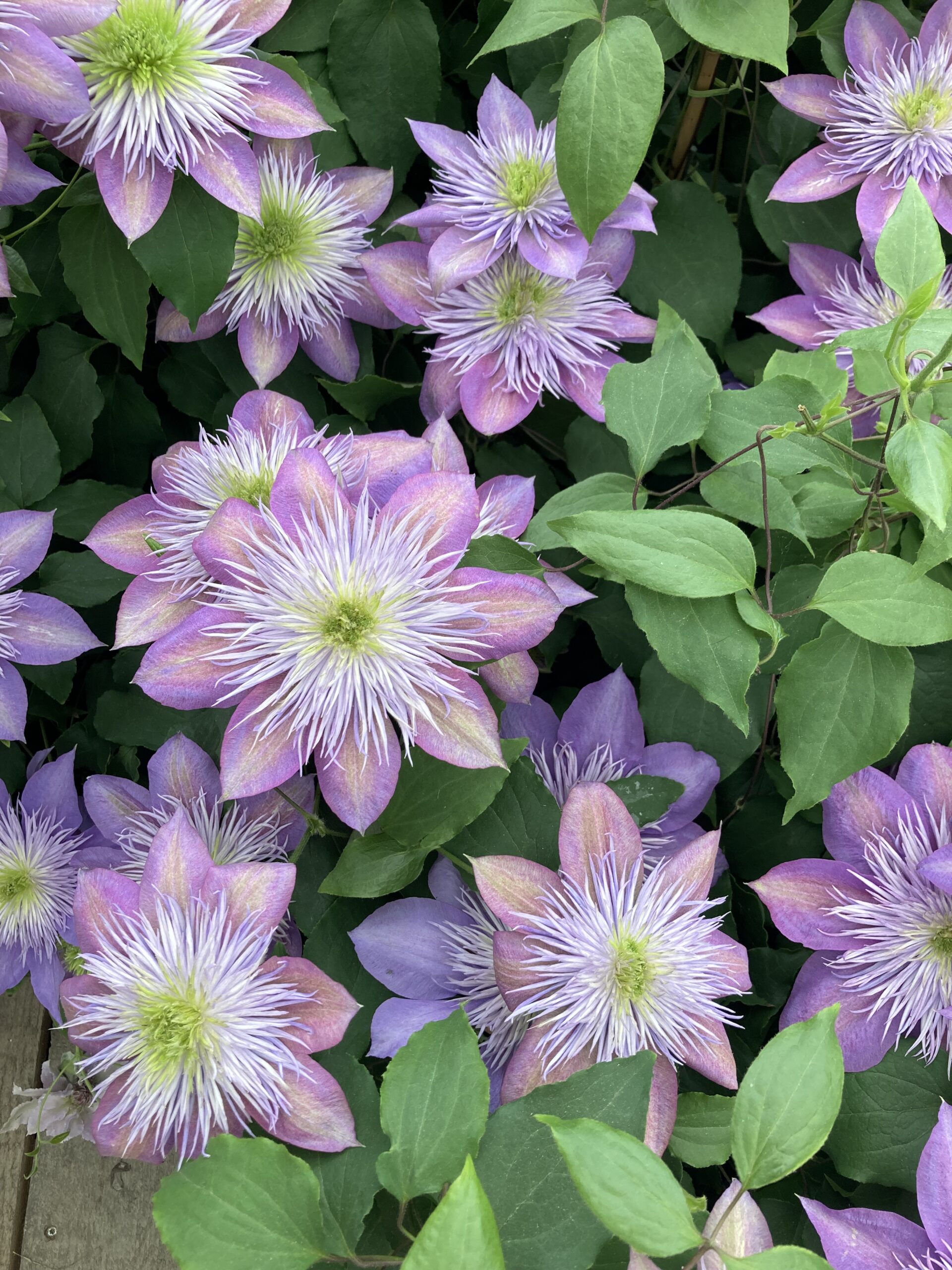
Check out my short videos, reels and photos of some of these gardens here. Thanks to Mary Clare Bissell for creating with the reels.
Learn More about these Garden Tours here
How to Grow: Bee Balm
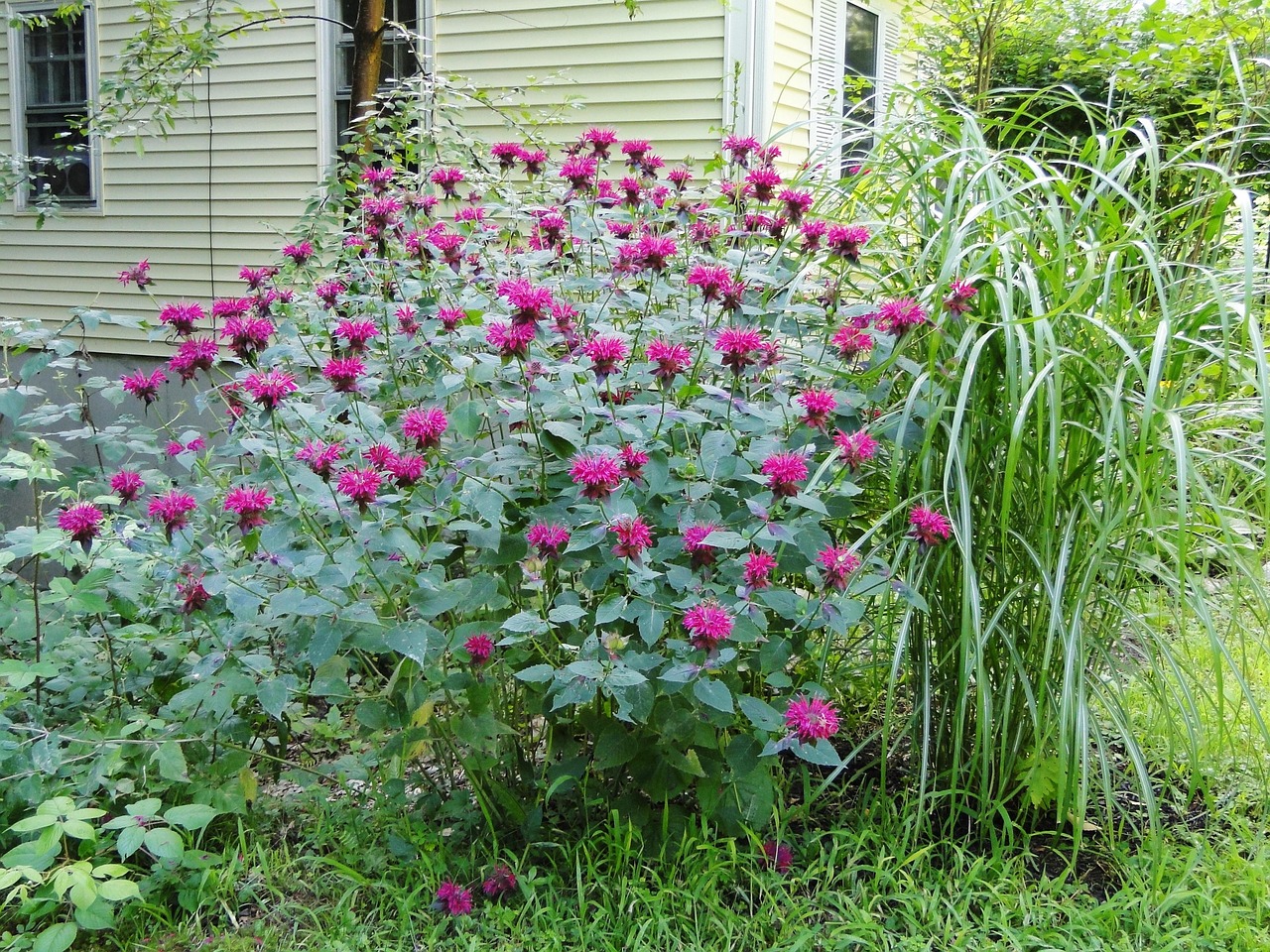
Monarda or bee balm is a reliable, hardy perennial that grows well under many conditions. It thrives in full sun on well-drained soil, but it also grows well in part shade. Monarda fistulosa or wild bergamot is the native species with lavender flowers. It’s a great pollinator and butterfly plant. There are also many other varieties that offer different colored flowered as well. ‘Jacob Cline’ is a crimson red selection that is powdery mildew resistant and deer leave it alone. ‘Bradbury’s’ bee balm features pale lavender colored blooms speckled with dark purple flakes. ‘Fireball’ with red flowers, only grows 1 foot tall, versus the 3+ feet tall regular bee balm grow. And ‘Spotted’ bee balm (Monarda punctatum) has unusual purple spotted, yellow flowers that form in whorls along the stem. It grows well in dry, sandy soils.
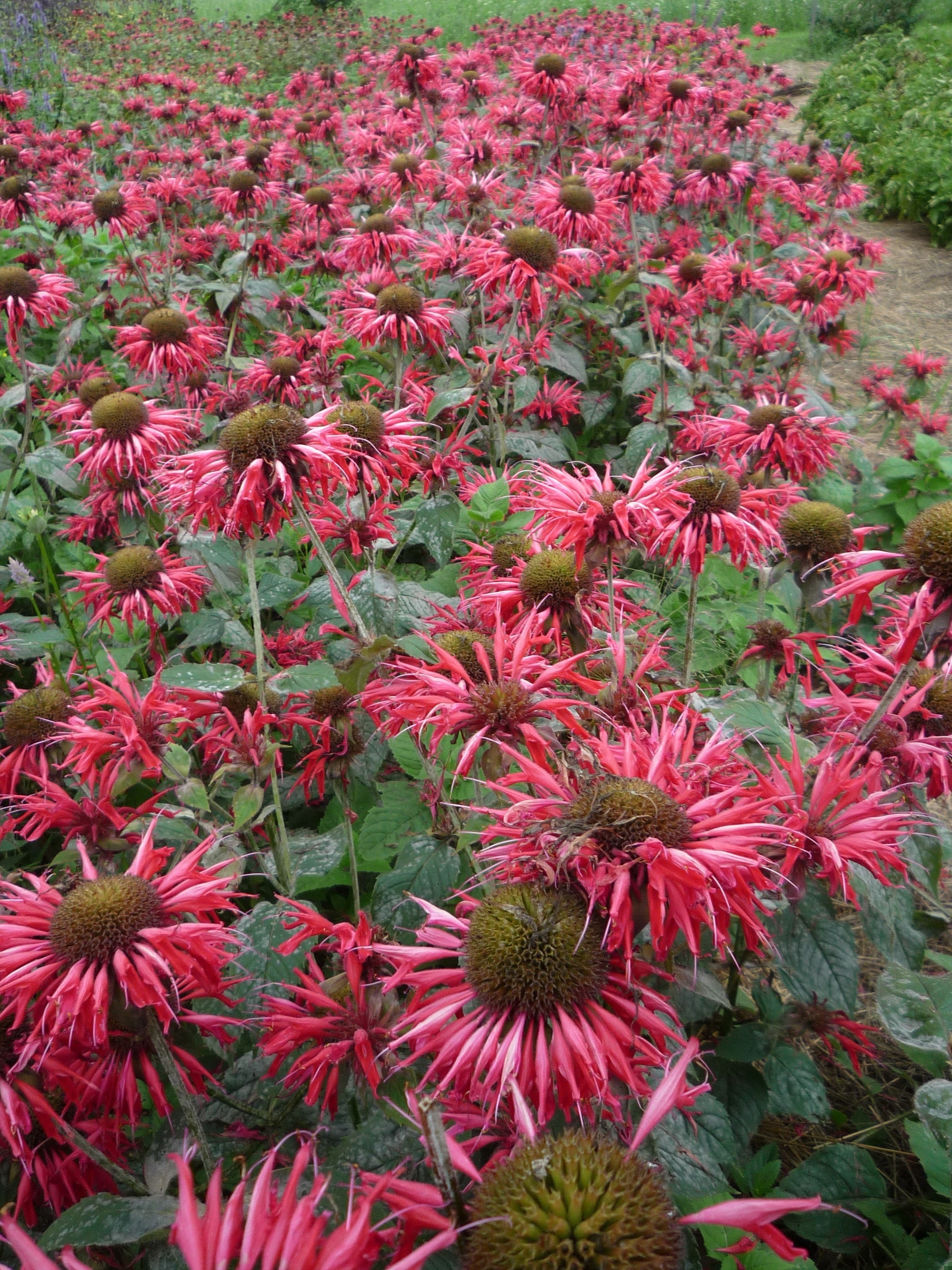
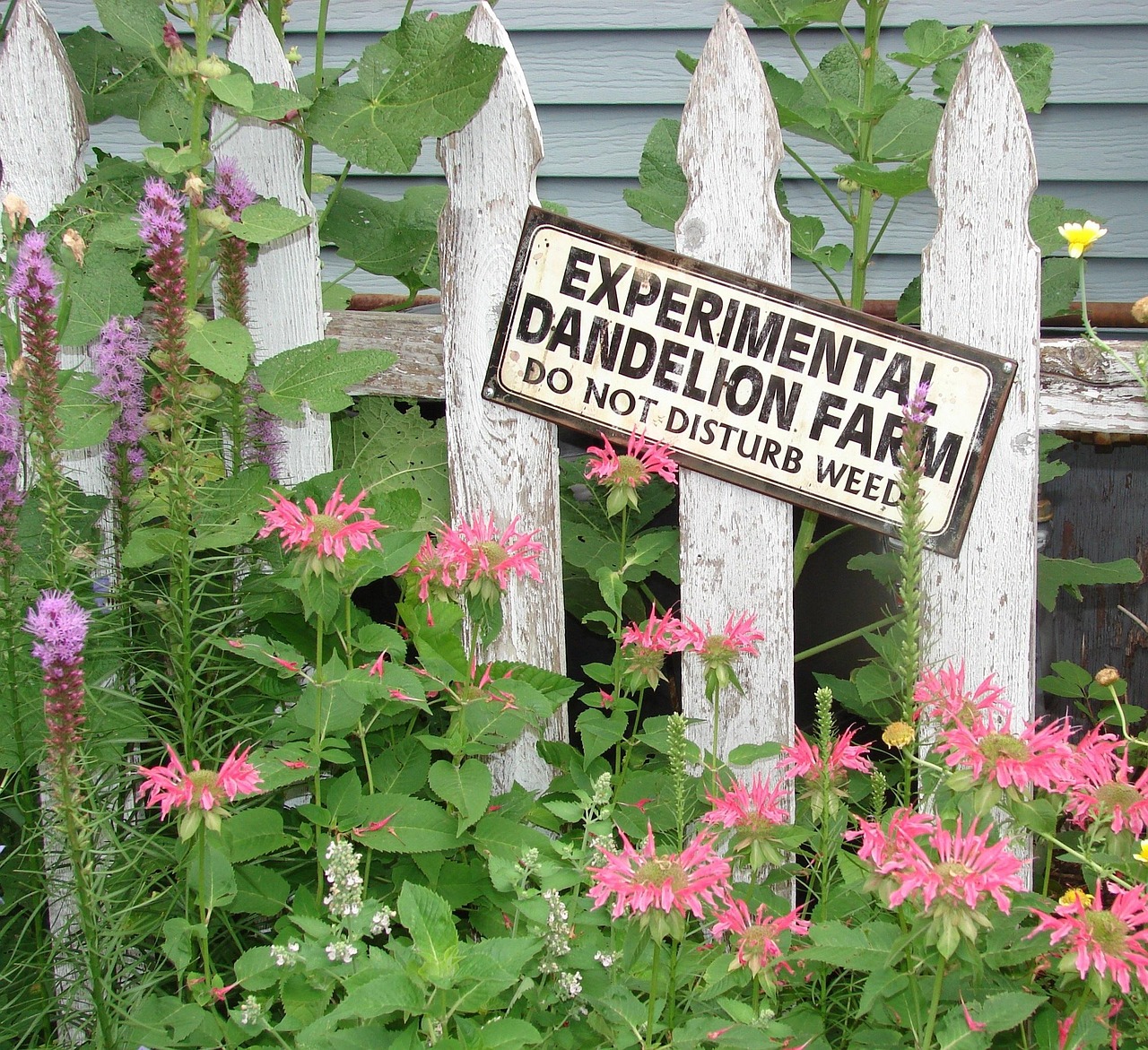
Most modern bee balm varieties have resistance to mildew and aren’t favorites of deer, rabbits and woodchucks. Bee balm will spread over time, so we have to dig out sections in spring to keep it from taking over. But if to have a bigger area where you want a perennial to spread, bee balm works well. To vary the flowering time and plant height do the “Chelsea Chop” in May before it flowers. This technique is named after the famous flower show in London that happens in May. By cutting off the top 1/3rd of the plant you’ll force it to branch out, get bushy and flower later. We sometimes chop some of our bee balm to extend the flowering season into summer. Bee balm is easily divided in spring to be moved to other locations.
Learn more about growing Bee Balm here

How to Grow: Strawberries
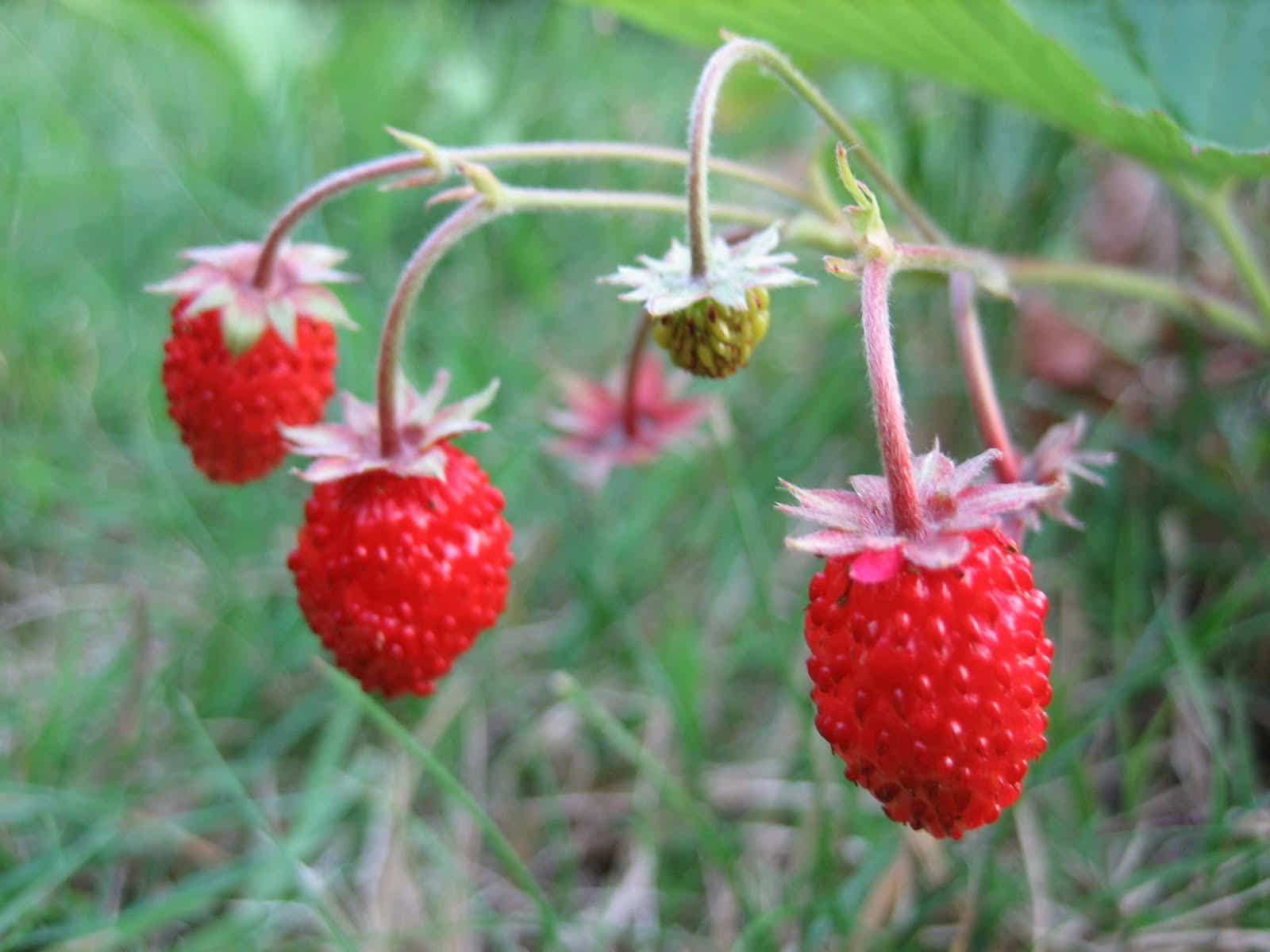
It’s almost strawberry season in our zone 5 garden. There’s nothing like the taste of fresh, vine ripened strawberries let alone how they taste in pies, cakes and on ice cream! Mostly we think of the June bearing varieties found in pick your own farms when we think of strawberries. But there are others that can be grown to extend the strawberry season and provide other uses in the garden.

Day neutral strawberries are an improvement over the old ever bearing varieties. Day neutral varieties such as ‘Evie 2’ and ‘Seascape’ don’t send out as many runners as June bearing varieties and continue producing strawberries regardless of the day length. Hence the name! They’re good for families that want a slow, steady supply of strawberries all summer. Since the plants don’t spread aggressively, you can plant day neutral varieties in a flower bed, container or companion planted with low growing vegetables. Sometimes they escape the notice of chipmunks, birds and mice if they’re growing in odd locations.
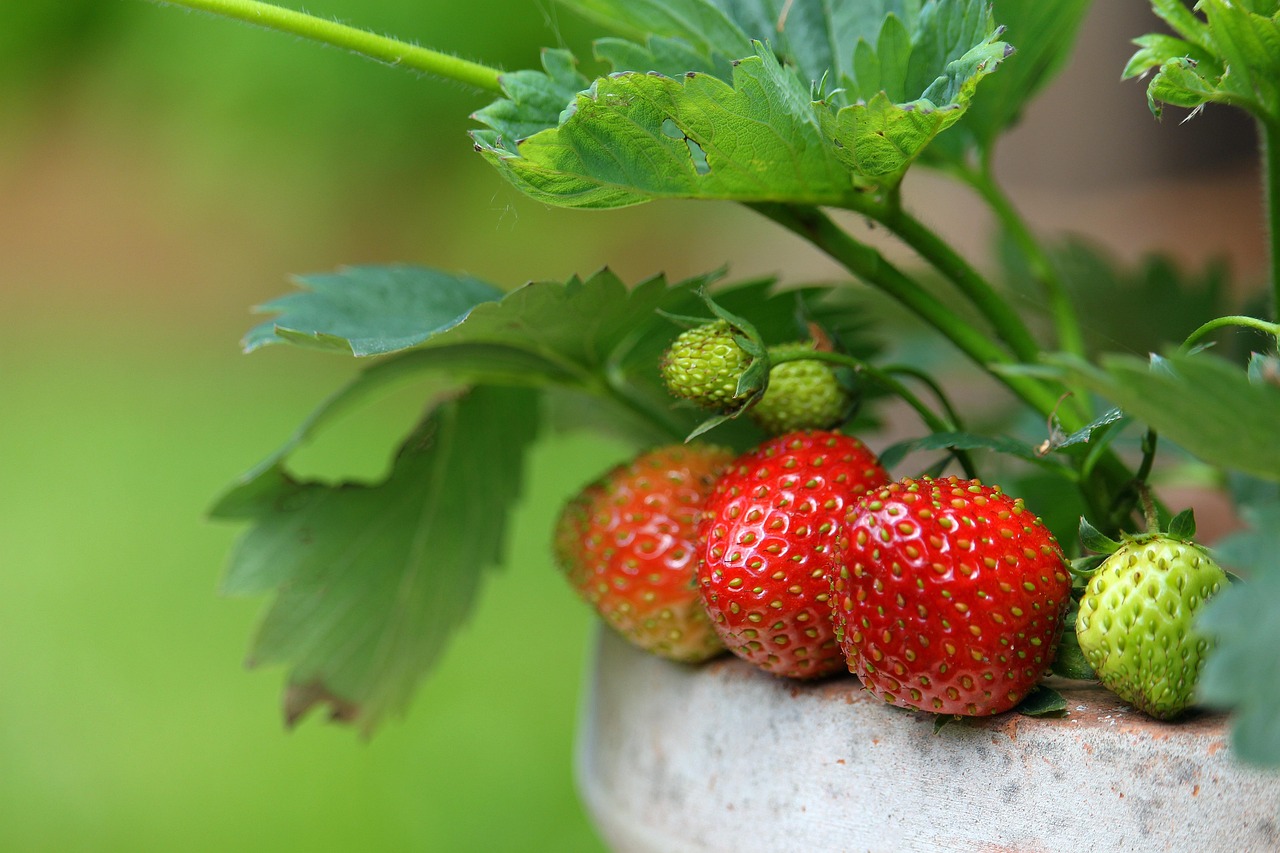
Alpine or wild strawberries are a fun alternative to the larger fruited strawberry varieties. These smaller plants generally stay in a clumping form, but will slowly spread over time. The leaves and fruits are smaller. The fruits can be red, white or yellow depending on the variety. Alpine strawberries produce all summer long and are good companions in a rock garden, or sunny border where they won’t be overrun by other perennials.
While the day neutral and alpine strawberries are fun to grow, we still use the June bearing varieties in other ways. When we renovate strawberry beds in late summer to reduce the size of the bed, we plant to removed plants as ground covers elsewhere in our landscape. We plant them under shrubs, small trees or even around big perennials such as peonies and daylilies. I’ve also seen strawberries planted as companions to asparagus. They both thrive growing together.
Learn more about Growing Strawberries here
In Our Garden: Ground Cherry
High Mowing Seeds
Some vegetable are just fun. Ground cherries are related to tomatoes (not cherries) and grow like a tomatillo. They both are low growing plants with fruits inside a papery husk. But the flavor of ground cherries is sweeter and tastier, especially to kids.
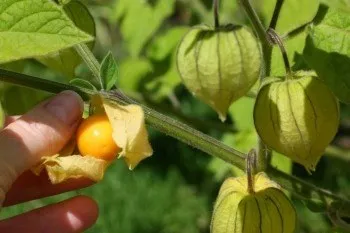
Grow ground cherries as you would tomatoes. Start seeds indoors 4- to 6-weeks before your last frost date. Transplant them into beds, containers or even window boxes once the soil has warmed. Don’t rush them outdoors. Plant in full sun on well-drained soil amended with compost. The plants will stay low growing and branch out. By midsummer you should see the green papery husks forming. Once they turn tan colored, harvest and open them up. The fruits inside should be golden. Immature fruits won’t have a sweet flavor.
Penn State University
Ground cherry plants produce fruits in abundance into fall. Many won’t make it into the kitchen and any left behind will drop seed that overwinters. You’ll have more ground cherry seedlings the next spring, so no need to start more seedlings indoors. Eat the ground cherries fresh or in pies, desserts and sauces. Mostly just have fun with your ground cherries. Your kids and grandkids will appreciate you for growing them.