Darling Daylilies, Asian Jumping Worms, Growing Cherries and My Podcast Interview
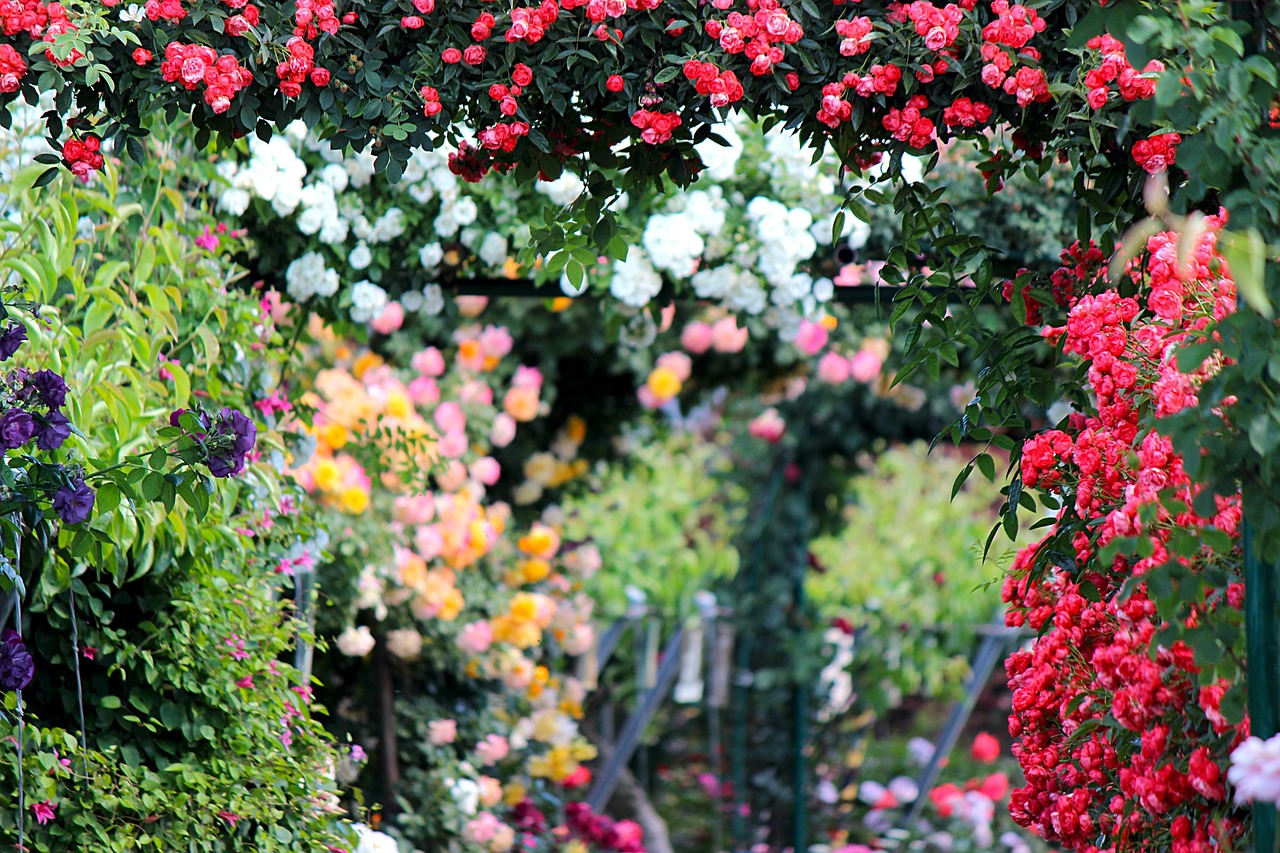
Ahhh, late June can be delightful. The flower gardens and roses in our zone 5 garden are looking great, vegetables are starting to pour in from the garden, we’re picking fruits regularly and this year we’ve gotten enough rain and sun to keep most plants happy. Is it the same where you live!
One flower that’s just starting to pop for us is the daylily (Hemerocallis). If you’ve been growing many of the older varieties of daylilies, it might be time to supplement your display with some new reblooming types. They are much better than the original rebloomers. Learn more here.
I know I’ve covered this topic before, but I still get lots of questions about the Asian jumping worm or snake worm. It’s in many gardens and I talk about ways to reduce its spread and keep your plants healthy in this newsletter.
While we haven’t had a big cherry crop this year, probably due to our winter, cherries are a great fruit to grow in the landscape. With newer bush varieties, you can fit them almost anywhere in your yard. Learn more about cherry growing here.
Finally, I was on Joe Lamp’l’s podcast recently talking about my book, The Continuous Vegetable Garden. For many years Joe has hosted Growing a Greener World on PBS-TV and he continues to inspire listeners and viewers with his podcasts, videos, classes and website. Check out my interview here.
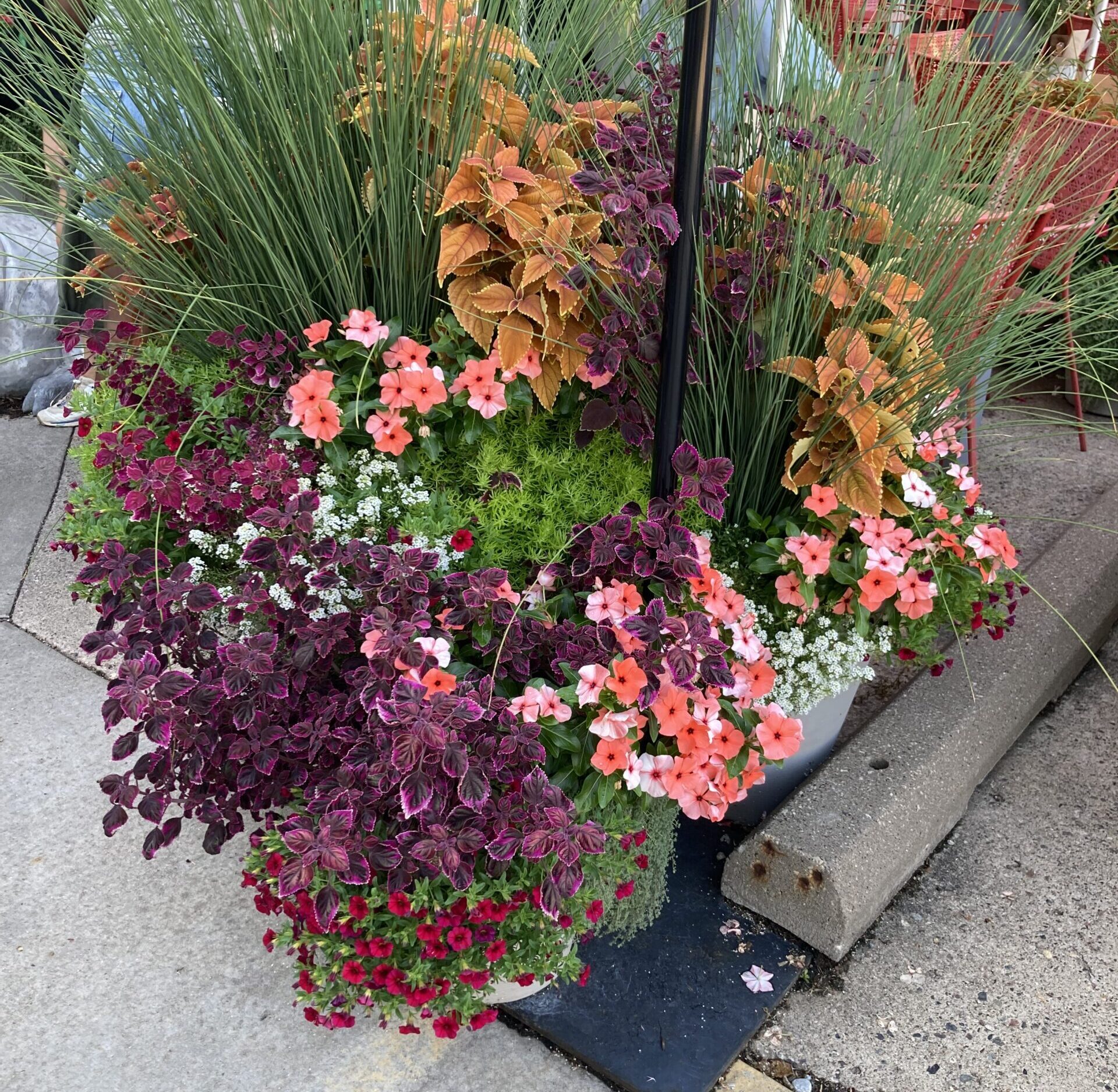
It’s not too late for a pot! Take a look at my monthly garden blog I write for Proven Winners called What’s Up North. This month I talk about Mixing and Matching Flowers in Containers in the Northeast. You don’t have to have a large yard to grow lots of flowers. Containers are a space saving solution that many gardeners overlook. In this blog I talk about different containers, flower combinations for sun and shade and mixing annuals with perennials in a pot. Check out my blog on Mixing and Matching Flowers in Containers in the Northeast, here.
Until next time I’ll be seeing you, in the garden.
Charlie

Where to Find Charlie: (podcasts, TV and in-person)
- In the Garden (WCAX-TV CBS) – This week: Trapping Pests
- All Things Gardening on Vt Public Radio– This week: Sweet Potatoes
- WJOY In The Garden Podcast– This week: How to create straw bale gardening, pinching back perennials, digging up and resetting tulip bulbs, and protecting tomatoes from blight.
- Where’s Charlie Speaking? 8/5/26: Continuous Vegetable Garden, Ct Plant Science Day, Hamden, CT
How to Grow: Daylilies
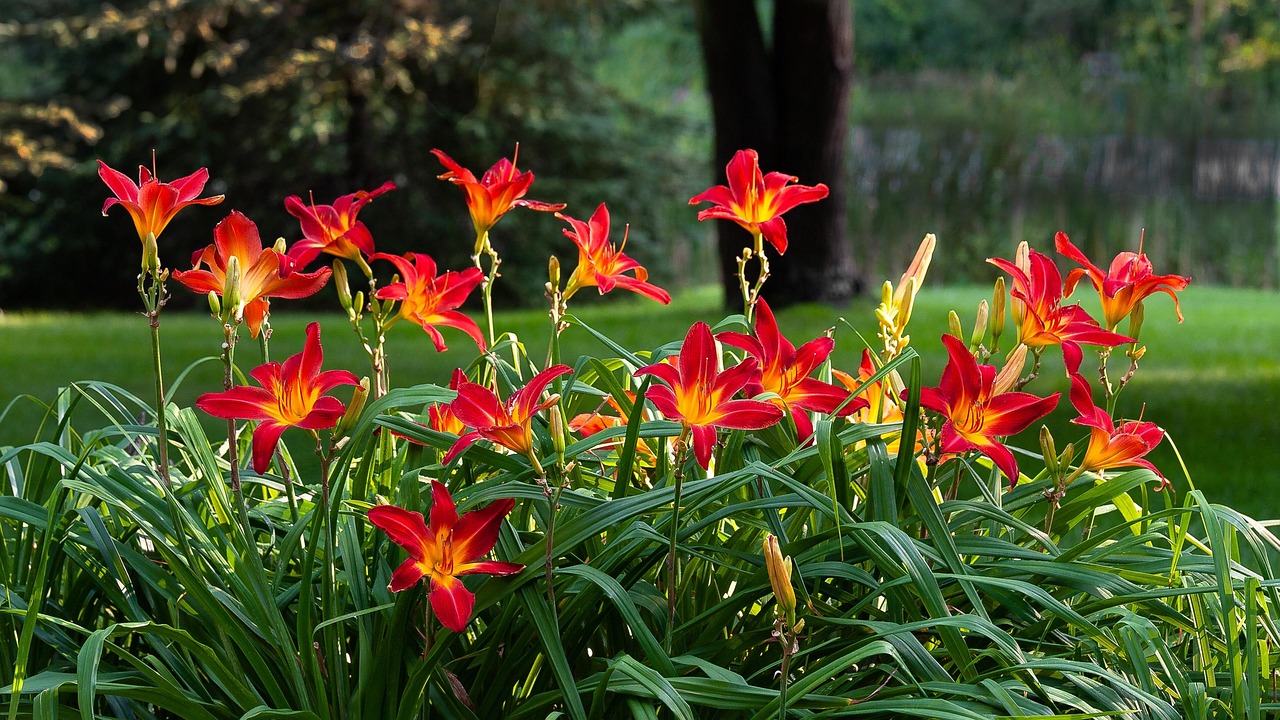
Daylilies are such a common sight in many yards, that gardeners often forget about them as good additions to the garden. Hemerocallis or daylilies send up flower stalks with multiple flowers per stalk. The flowers open in the morning, close in the evening and then die. Hence the name “day” lily. The foliage can be deciduous or evergreen, depending on the variety. There are many tried and true standard varieties such as ‘Frans Hals‘ and ‘Lemon’. But the real treat is the more modern varieties that are reblooming. Instead of just having daylilies blooming for a week or two in summer, you can have them blooming for months. These newer reblooming varieties are an improvement over the first rebloomers such as ‘Stella D’Oro’ (yellow) and ‘Joan Senior’ (white).
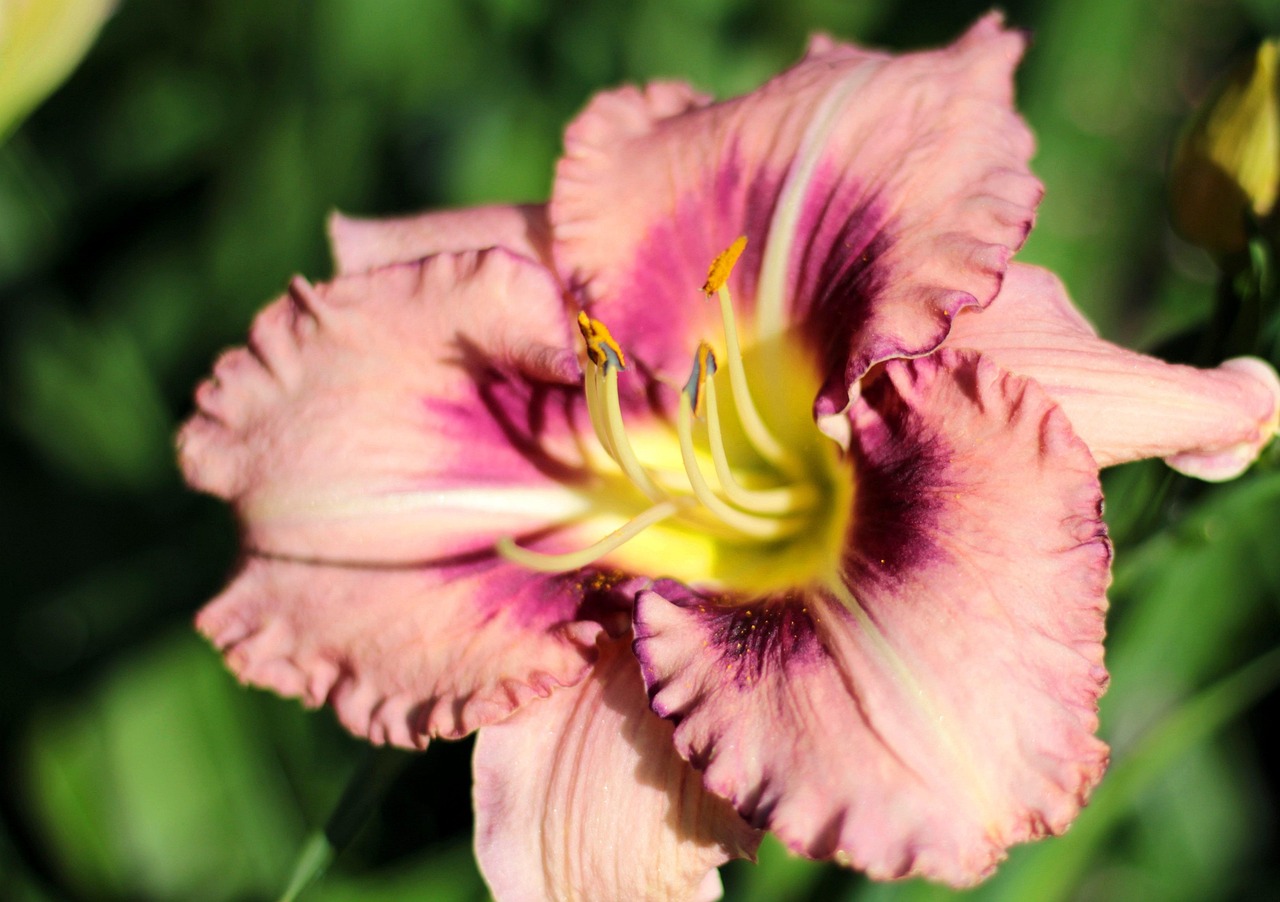
The newer varieties not only bloom longer, they have sturdier petals and stronger flower stalks. They also have more flowers per stalk than older varieties. For some good, newer rebloomers to try, look for ‘Stella Supreme’ with a citrus scent that only grows 1 foot tall and is drought tolerant. ‘Rosa Bellini’ features a rose-pink flower on 3 foot tall flower stalks. The flowers are 5 inches in diameter. ‘Prelude to Love’ has burgundy red, 4 inch diameter flowers that bloom in early summer and again in late summer. For a smaller daylily, try ‘Little Cadet’. This compact plant fits nicely in containers or small space gardens and has pale yellow petals with a red center. You can always just buy a collection of rebloomers to have a sample of 4 different varieties.
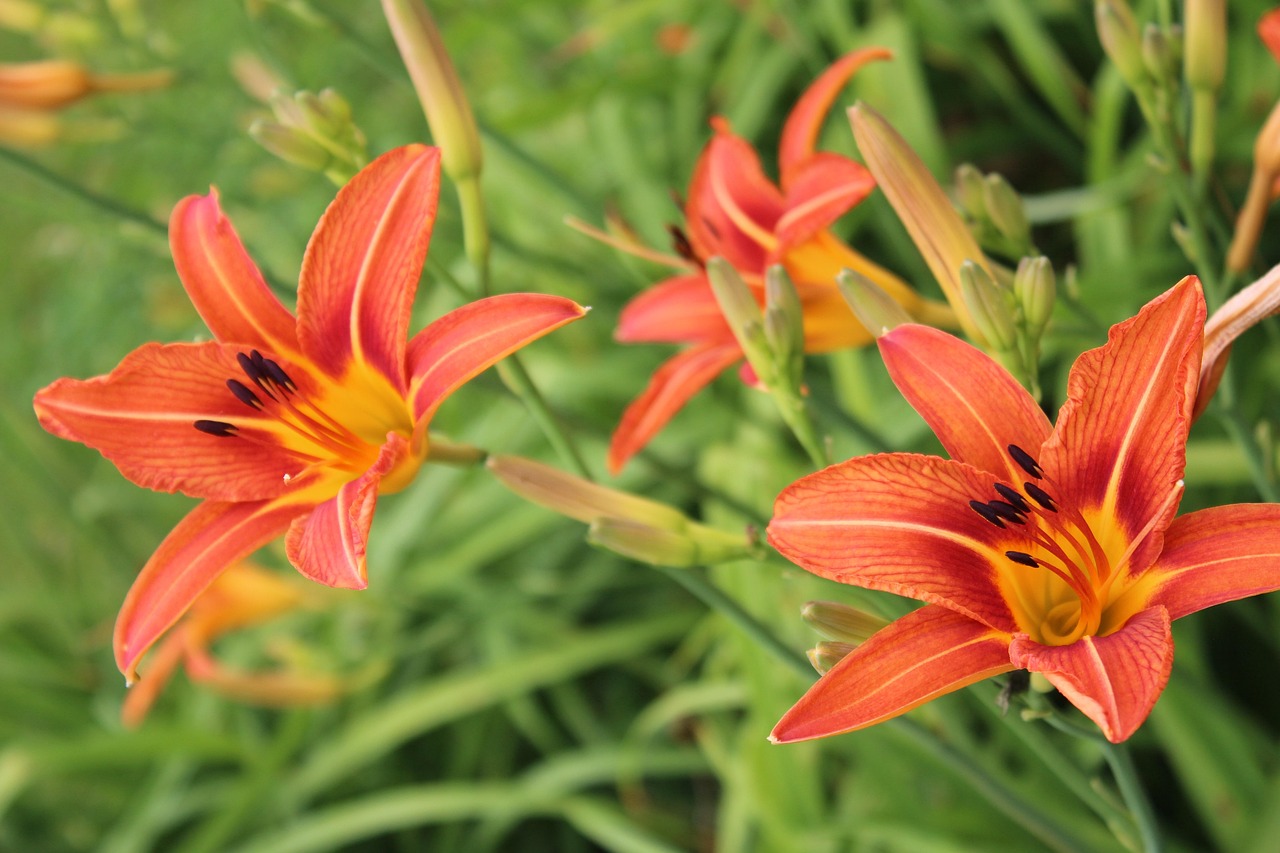
Daylilies bloom best in full sun, but some can take part shade and still flower. You just won’t get as extended a flower show. Daylilies grow best in loamy, well-drained soil so add compost if you have sandy soil and consider growing them in raised beds in clay soil. The clumps slowly expand over the years and can be divided in spring. Dayliles have few pests. Deer and rabbit don’t seem interested in them.
Daylilies are edible. I grow the common Orange Tawny daylily that you see on roadsides mostly for its flower buds and flowers which are delicious in salads and sauteed. You can even stuff the open flower like a zucchini flower. Even the tubers are edible and can be eaten like potatoes. Just make sure you’re eating the daylily (Hemerocallis) and not the true bulb lily (Lilium).
Learn More about Growing Daylilies here

Asian Jumping Worms
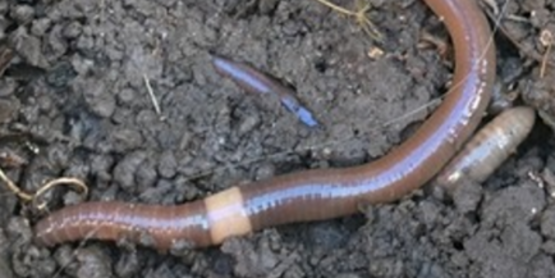
Photo: Cornell Cooperative Extension – Warren County
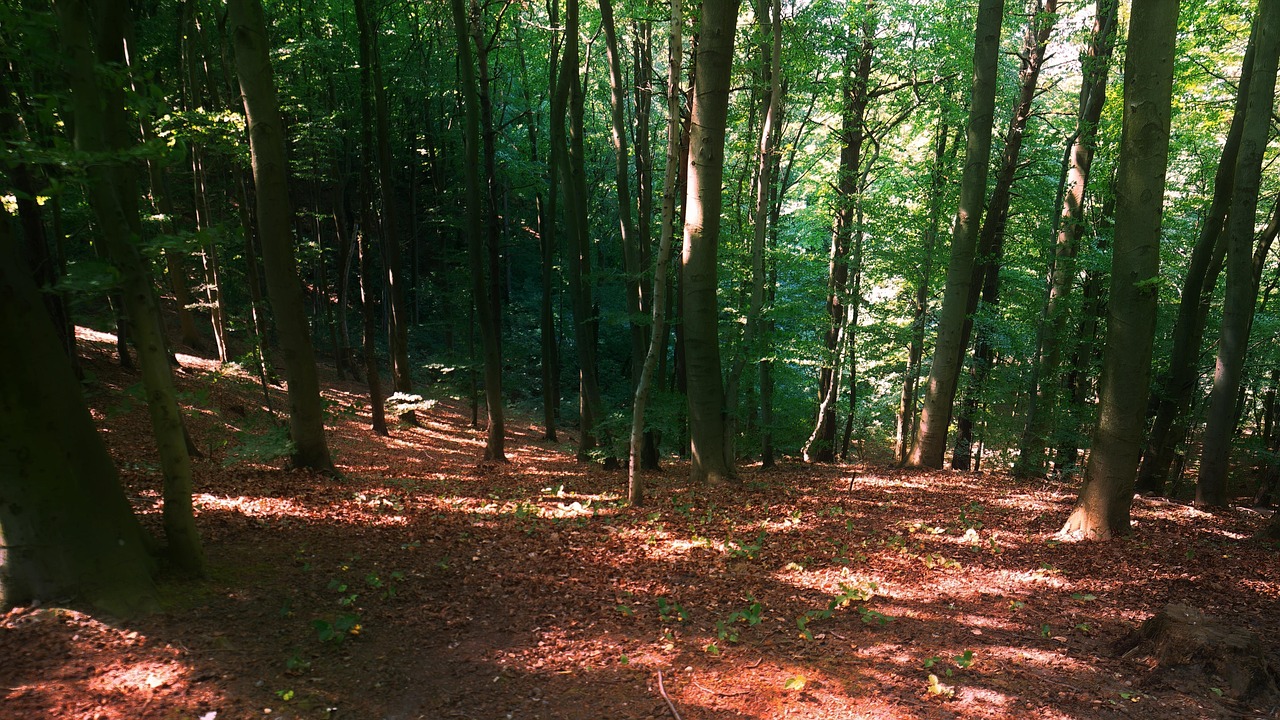
Just when you though earthworms are a safe bet in the garden, along comes the Asian Jumping Worm. All of our earthworms are exotic, mostly coming from Europe after the last Ice Age. Now there’s an Asian invasive worm that looks similar to our earthworms, but is a problem. The Asian jumping worm is mostly found in the East, Midwest and Northwest right now. It devours organic materials faster than regular earthworms and can strip the forest floor of healthy soil and organic matter making it hard for wildflowers and seeds of trees and other plants to thrive. They reproduce faster and eat more often effecting the healthy of your garden plants.
You can tell if you have Asian jumping worms or snake worms by taking a close look at them. They are 6 inches long and very wiggly when disturbed. The clitellum, or ring around the body, is flush with the body and whitish colored. It encircles the body where as the European worm’s ring is raised and doesn’t wrap around the body fully. To test if you have jumping worms in your garden, make a mixture of ground mustard seed (1/3rd cup) and water (1 gallon) and pour it onto your garden bed. The jumping worms will come to the surface where you can pick and kill them. Simply place them in a plastic bucket in the sun. They do jump so watch out!
Prevent jumping worms from entering your yard by removing the soil around all purchased and gifted plants. Pour the soil in a plastic bag and solarize it up to kill the adults and cocoons. It’s the cocoons that overwinter. When you bring in compost or mulch, spread it on a hard surface and cover it with clear plastic until the temperatures rises above 104F for three days. That kills the adults and cocoons.
Researchers are experimenting with biochar, beneficial nematodes and diatomaceous Earth to try to thwart this new invasive pest.
Learn more about Asian Jumping Worms here
How to Grow: Tart Cherries
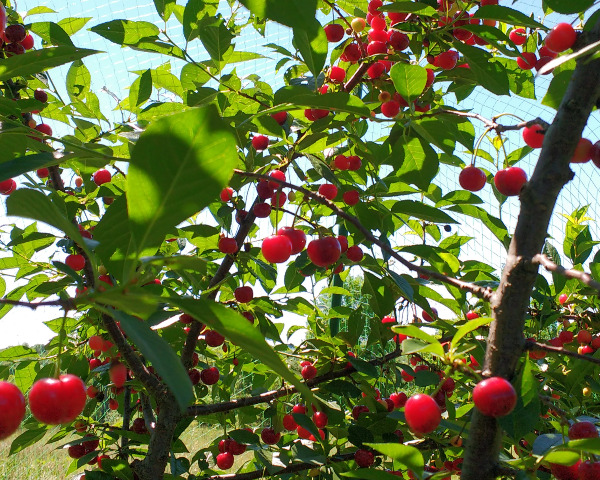
We grow a bounty of fruit. We’ve finished harvesting our honey berries and strawberries and almost are done with our cherries. We grow tart cherries partly because of our cold climate, but also because we like the flavor better especially for cooking. The beautiful part of growing cherries is you have a new ornamental tree in the yard with attractive, white flowers in spring. You also only need one variety if you choose wisely and there are now improved bush varieties that actually have a sweeter taste than the tart varieties. We grow ‘Dwarf Northstar’ cherry. Our tree is 13 years old, stands 10 feet tall and produces cherries every year. It doesn’t need another variety for cross pollination. ‘Bali’ and ‘Montmorency’ are two other hardy, good varieties. The biggest news is the ‘Romance’ series of tart cherries. These were developed in Saskatchewan crossing a European tart cherry with a Mongolian bush cherry. The result is a hardy, bush plant that has large, slightly sweet cherries. The Romance series varieties are 100% self fertile so you only need one of the 5- to 8- feet tall and wide bushes. Look for the Romance varieties such as ‘Juliet, Romeo, and ‘Carmen Jewel’.
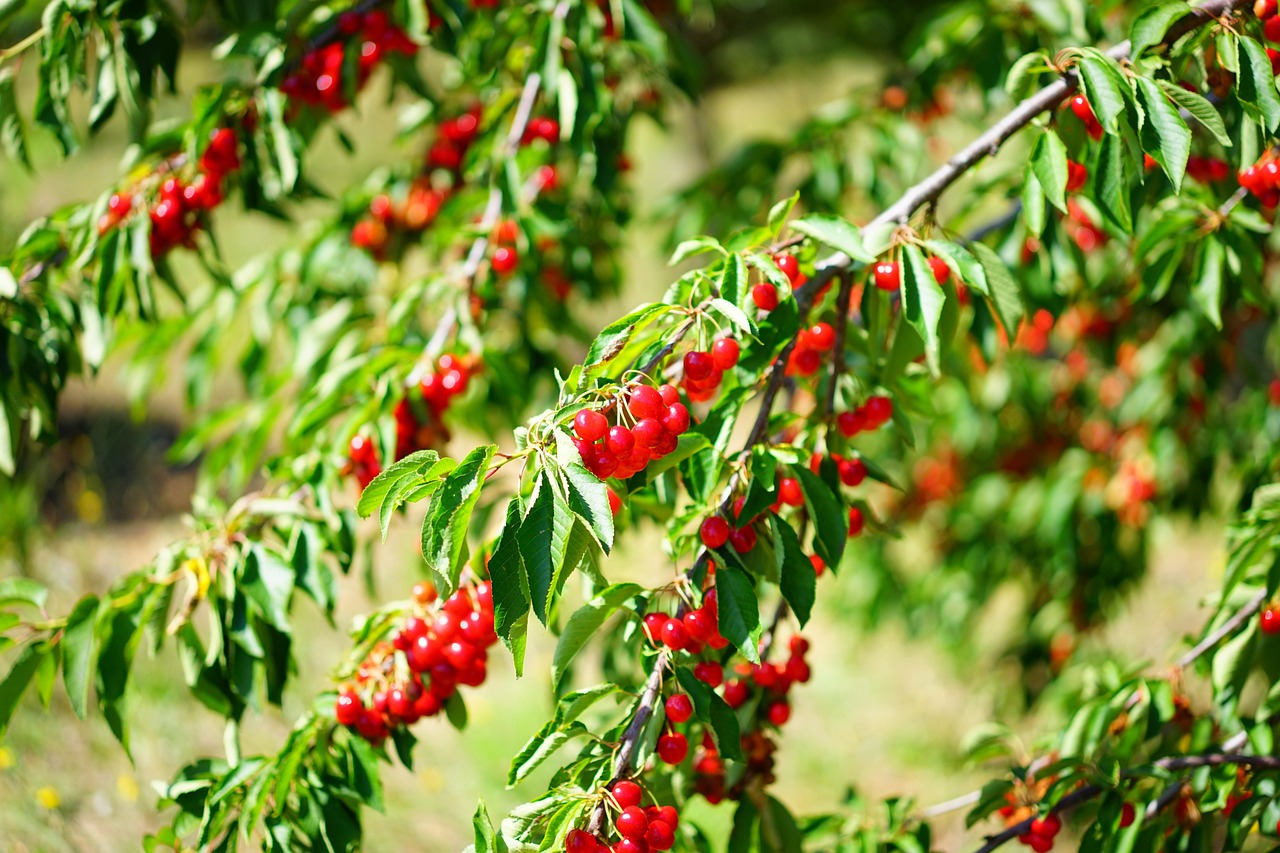
Plant your cherry trees or bushes in full sun for the best production on well-drained soil. I’ve learned the hard way that wet, clay soils is a death knell for stone fruits. Protect the trunks from hungry mice and voles in winter with tree wraps. We cage our trees in wire when they’re young to keep deer away as well. Add compost so the new branches grow at least 1 foot a year. In a few years you should be harvesting cherries. Birds are probably the biggest problem on cherries. Our cedar waxwings will clean us out if we don’t cover the trees with netting. We erect a cage around the tree that makes it easier to get inside and pick.
Learn more about Cherries here
In Our Garden: My Continuous Vegetable Garden Podcast Interview

Many of you know of my new book, The Continuous Vegetable Garden. It continues to sell well and it helps doing interviews on popular gardening podcasts. My latest interview was with Joe Lamp’l on his joegardener podcast. You may know Joe from his long running Growing A Greener World TV program on PBS and now streamed on YouTube. The interview is a podcast and video, so you can see us as well!
We do a deep dive into my book, talking about no dig gardening, perennial vegetables, self sowing vegetables, herbs and flowers, and growing fruits in a perpetual way. I also highlight the garden designs in the book that help you plan out your garden using succession planting, companion planting, and interplanting to have a continuous supply of fresh produce all season long without the usual boom and bust cycles.
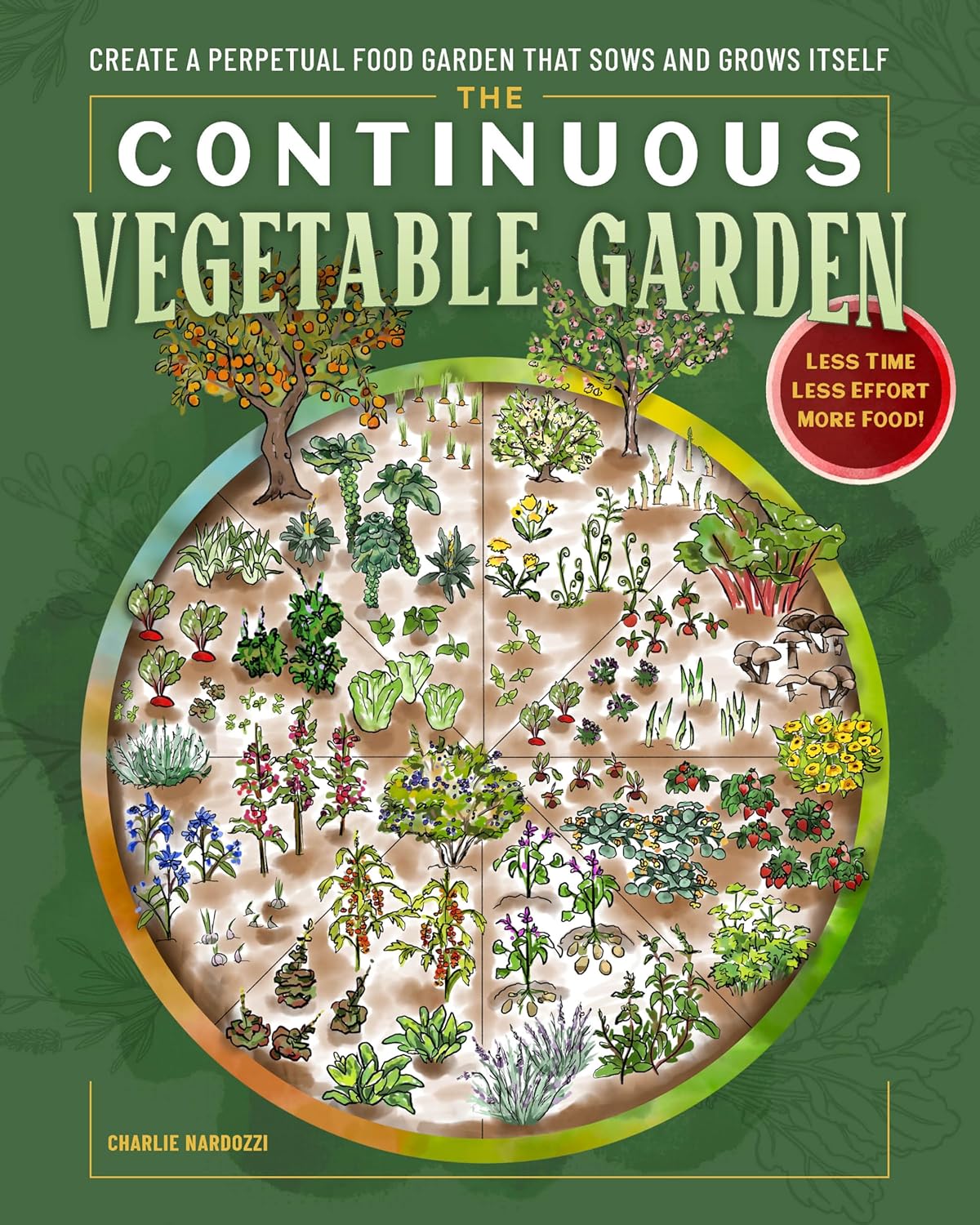
So, if you might be interested in the book, but aren’t sure, watch and give a listen to the whole 50 plus minute interview here.
If you just want a 4 minute taste of the topics we covered, watch the video linked to below.