Fall Brambles, Hosta Daze, Saving Herb Seeds and Japanese Knotweed
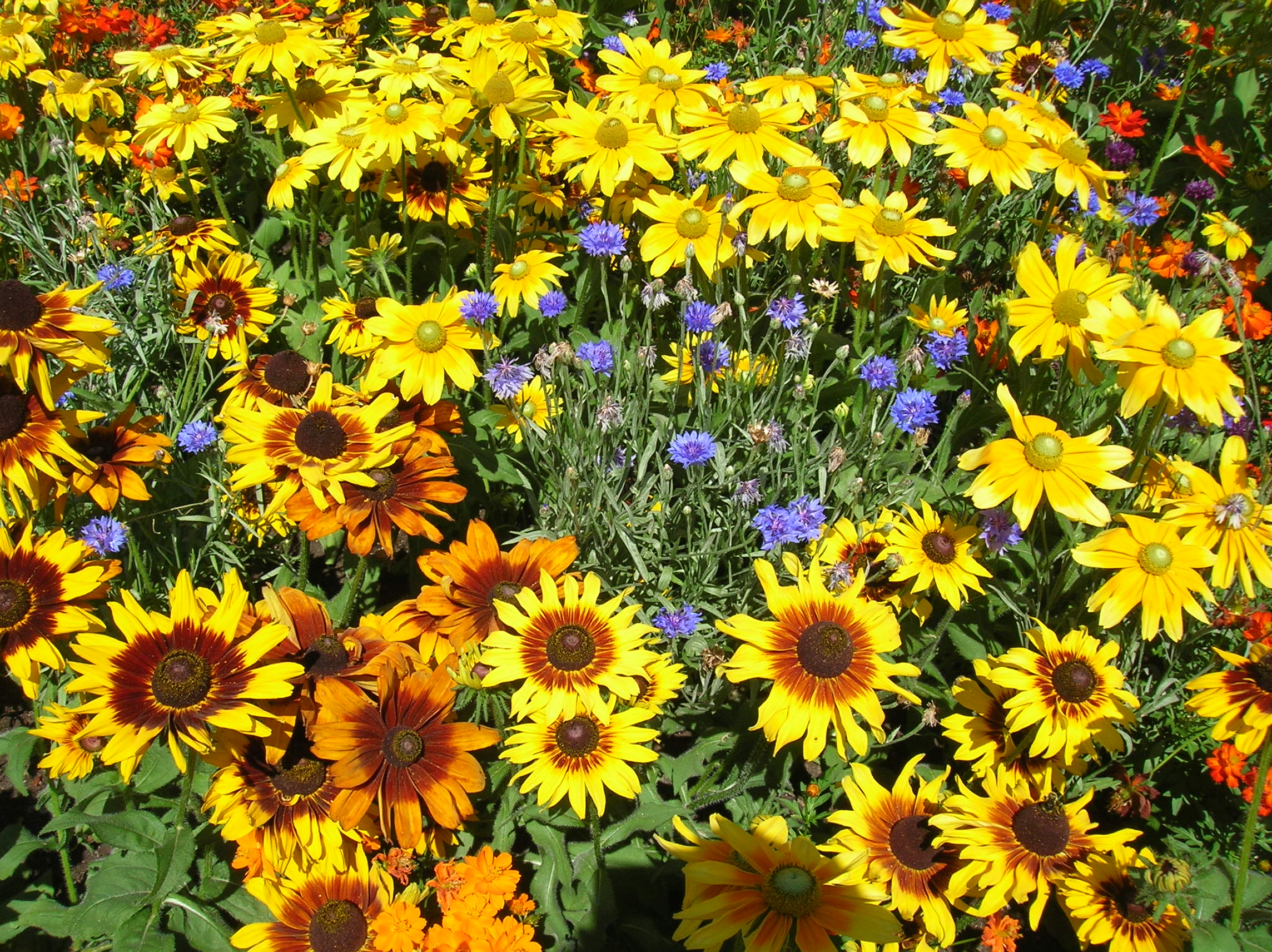
We just returned from a short camping trip and it’s amazing how things still changed dramatically in our garden even after being away for just a few days in late summer. Not only are the vegetables and fruits continuing to produce, but the annual and self sown flowers are really coming into their own.
Our brambles (blackberries and raspberries) were particularly exciting this year. It started with the black raspberries fruiting in July, then the blackberries in early August and now the fall raspberries. It’s quite a treat. I talk about the fall versions of brambles in this newsletter.
I, and many other gardeners, always overlook hosta when it comes to color in the shade garden. But, as many of the flowering shade plants fade, I appreciate the leaf and flower colors of our hosta more. Let’s chat about hostas in this newsletter.
Many plants are starting to go to seed. Herbs, in particular, are fun plants to save seeds from to use in cooking and/or to sow for new plants in spring. Learn more about saving herb seeds here.
As the garden problems theme continues in my newsletters this issue’s problem is Japanese knotweed. This tenacious weed is in its glory now dropping seed and spreading across wet areas, in particular. Learn more about controlling this invasive weed here.
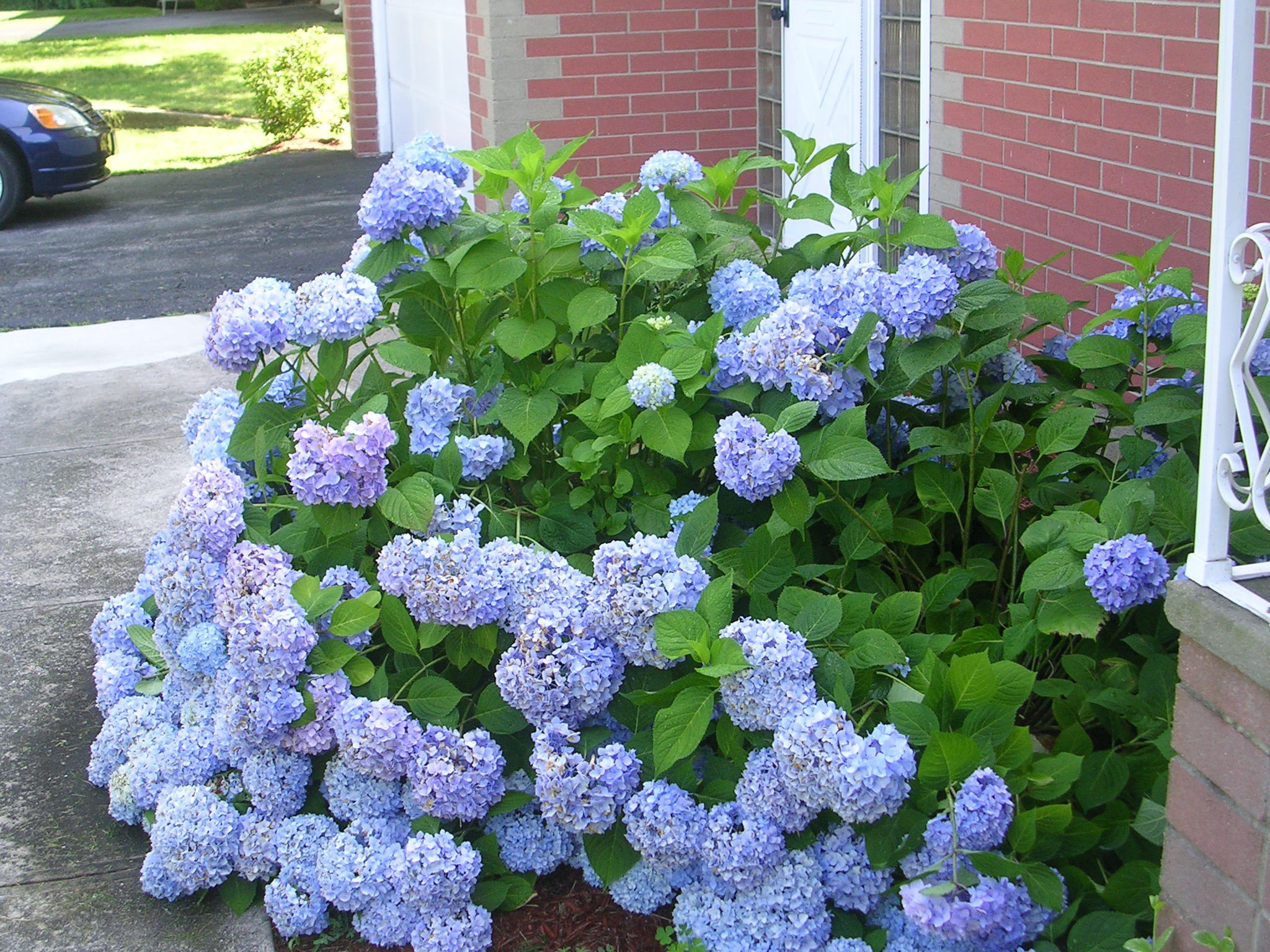
How are your Hydrangeas doing! Take a look at my monthly garden blog I write for Proven Winners called What’s Up North. This month I talk about Hydrangea Advise for the Northeast. Hydrangeas are favorite shrubs of many gardeners, but often questions such as where to plant, how to fertilize, how to prune and how to protect them, pop up. In this blog, I talk about growing hydrangeas in the Northeast with special emphasis on the many different types and varieties. Check out my blog on Hydrangea Advice for the Northeast, here.
Until next time I’ll be seeing you, in the garden.
Charlie

Where to Find Charlie: (podcasts, TV and in-person)
- In the Garden (WCAX-TV CBS) – This week: Growing Unusual Vegetables
- All Things Gardening on Vt Public Radio– This week: Late Season Garden Q/A on red lily leaf beetles. hydrangeas, voles and more
- WJOY In The Garden Podcast– This week: Caring for rhubarb and cucumbers, what to do with slugs on coleus, building a blueberry bed, what to do with tomatoes that aren’t ripening evenly, growing hardy hibiscus, and controlling wild parsnips. .
- Where’s Charlie Speaking? 9/9/26: Foodscaping, Wellesley Gardener’s Guild, Wellesley, MA
How to Grow: Fall Brambles
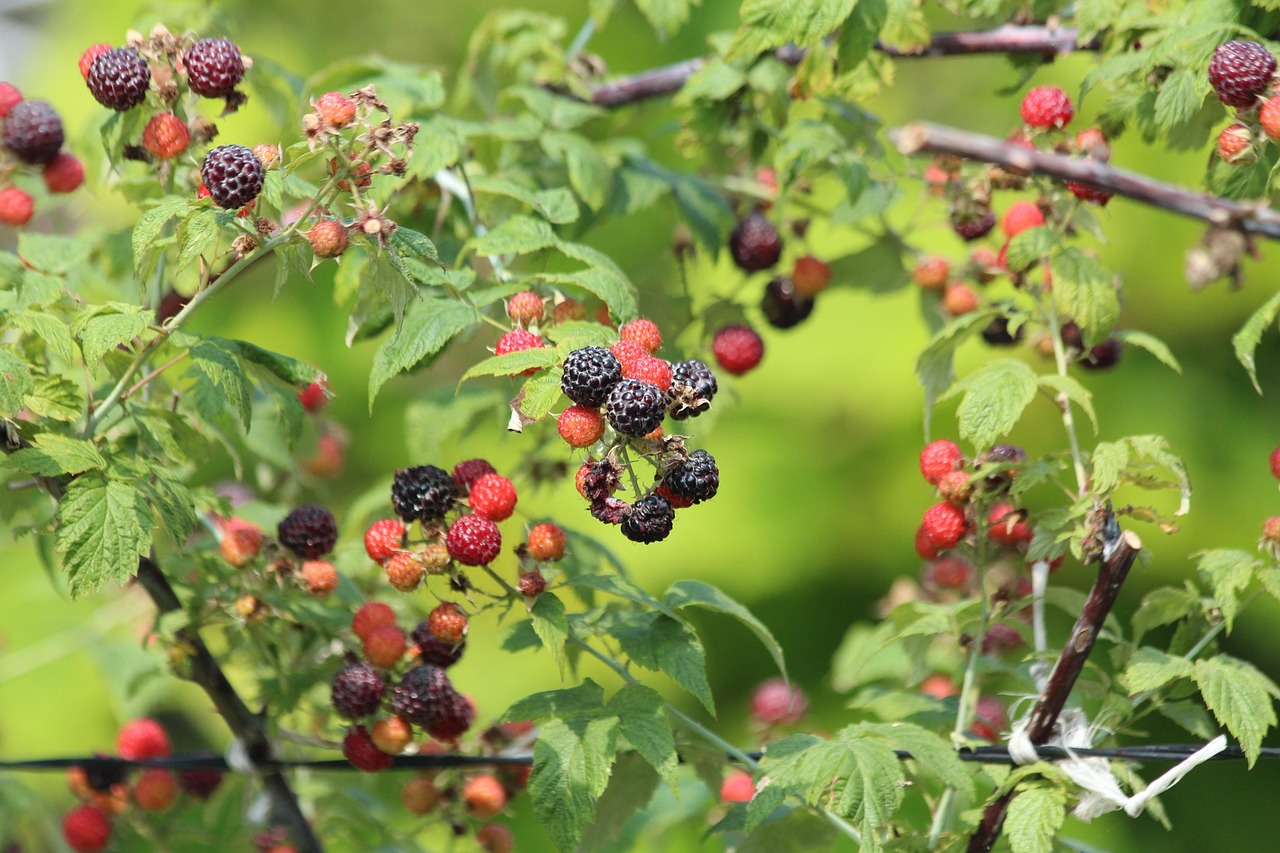
Brambles, such as raspberries and blackberries, have got to be the easiest berries to grow in a home garden. They produce berries soon after planting, sometimes within the first year. They are tough, can grow in part shade and can spread to fill in an area quickly. One of the treats in our garden isn’t the summer fruiting brambles, but the fall producers. These “everbearing” varieties of blackberries and raspberries produce fruit starting in late August and continuing through September in our climate. What I like about fall brambles is they’re producing berries when most of the other berry producers, such as strawberries and blueberries, are finished. And they are part of a continuous fruit patch where our brambles are fruiting from July through September.
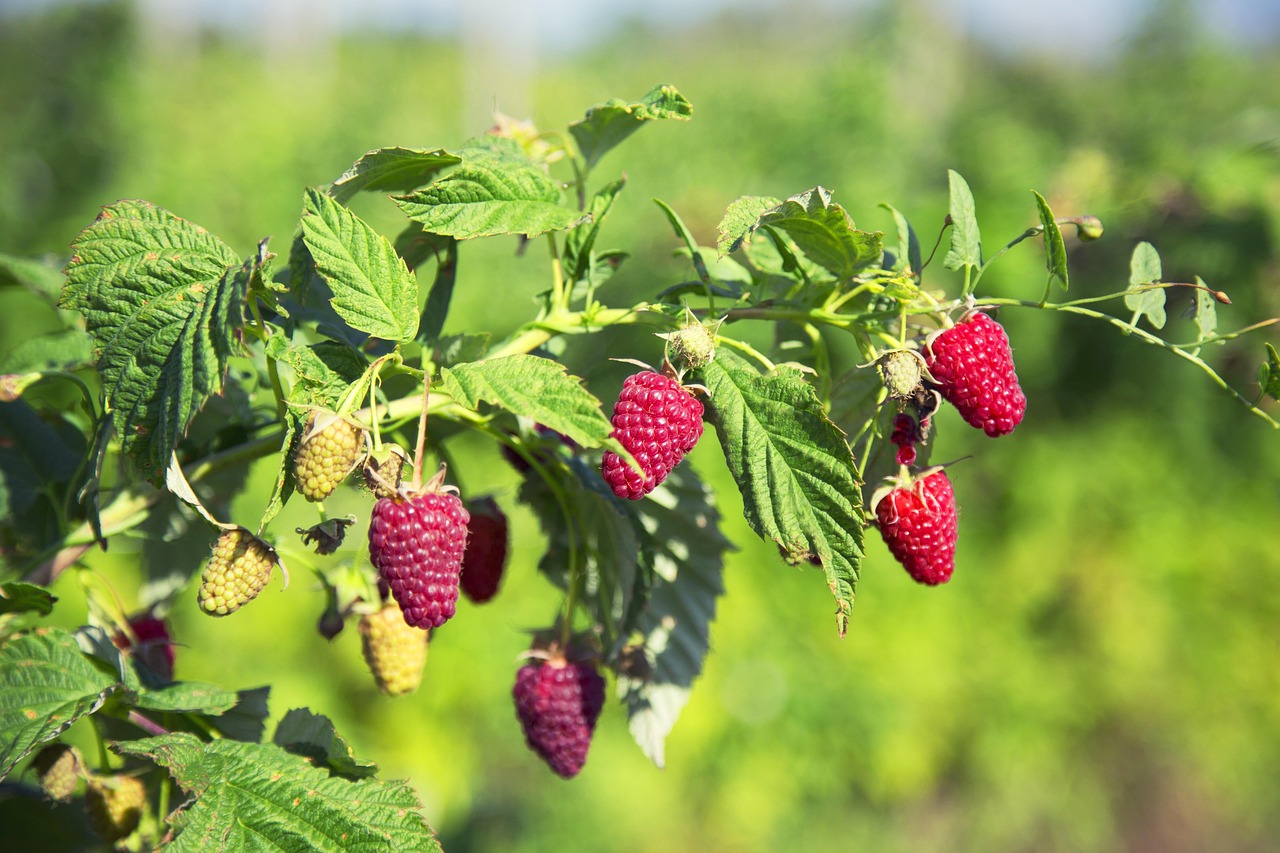
For fall bearing raspberries, there are red and yellow versions. They’re hardy to zone 4. We grow ‘Caroline’ and ‘Polana’, but I know of golden fruiting varieties, such as ‘Fall Gold’ and ‘Anne’, as well. These varieties are unique in that they produce their fruit on the old and new wood. That means you’ll get a summer and fall crop. We usually just opt for the fall crop since we have lots of other berries in summer. To do this, we mow down the entire row in late winter. This kills the summer bearing canes. The new canes emerge from the soil in spring, but won’t fruit until late summer. By removing all the canes at once in spring, it’s easier to weed, fertilize and mulch the bed in anticipation of a great fall crop.
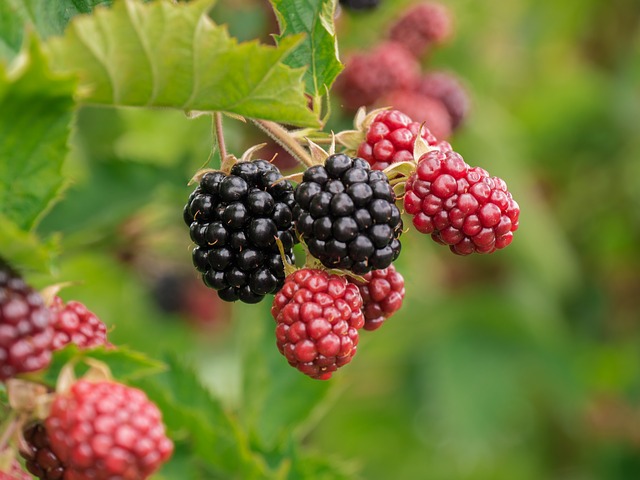
Blackberries are another bramble that has fall bearing varieties. Varieties, such as ‘Prime Ark Freedom’ and ‘Prime Ark Horizon’, produce fruits in June and again in September. And some varieties are thornless. They aren’t as winter hardy as summer bearing blackberry varieties and are best in USDA zones 6 and above. Some varieties can grow in zone 5, but may suffer winter damage. The plants are grown the same way as the everbearing raspberries. If you want two crops, prune to remove old fruiting canes in summer after the first harvest. If you want just a fall crop, mow them down in late winter.
Learn More about Fall Brambles here
How to Grow: Hosta
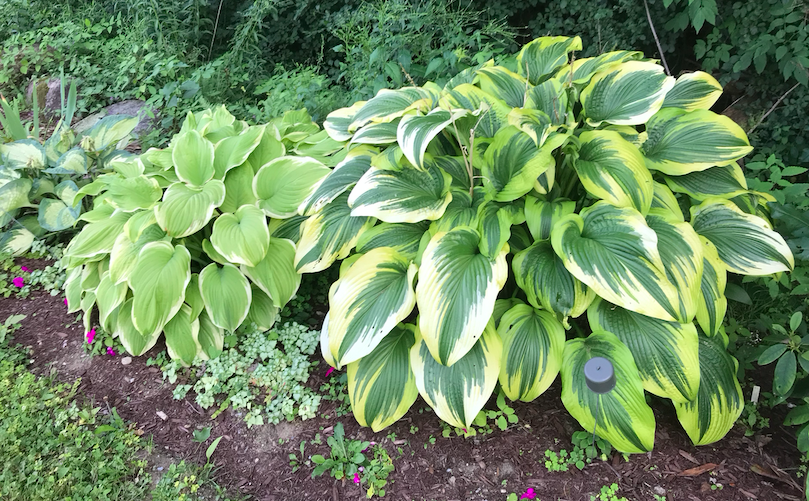
Hostas are one of those flowers we tend to take for granted. They grow strong, don’t require much care and fill in a shady or part shade area of your garden beautifully over time. So, maybe instead of poo-pooing hostas, we should embrace them. There are so many different varieties of hostas on the market. From tiny plants to monsters. Some hostas have solid blue, green or yellow leaves, while many others have a combination of colors. Even the flowers are attractive with some varieties having fragrant blooms.
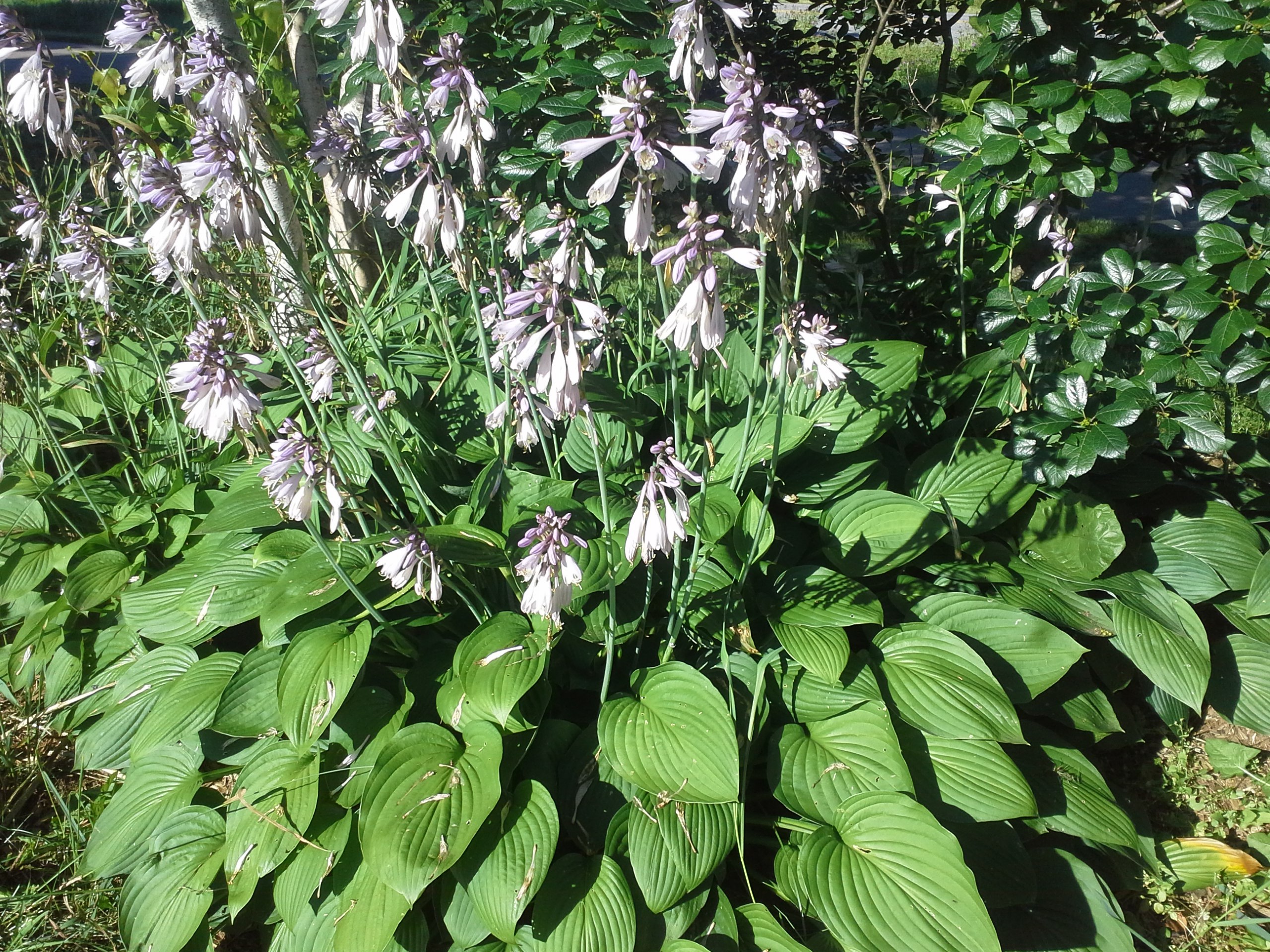
Some good hostas varieties to try if you’re just starting out include ‘Wide Brim’. This white and green leafed variety grows 20 inches tall and 36 inches wide and produces colorful, lavender flowers in summer. For a solid color look, try ‘Blue Angel. It grows 4 feet tall and wide with scores of lavender flowers in summer. The solid blue leaves are striking in a shade garden. ‘Fire and Ice’ is a unique smaller variety. It has almost solid cream colored leaves with some green edging. It only grows 1- to 2-feet tall. ‘Krossa Regal’ is another giant, growing 3- to 4-feet tall with pale purple flowers. The deeply veined blue green leaves adorn this slow growing plant.
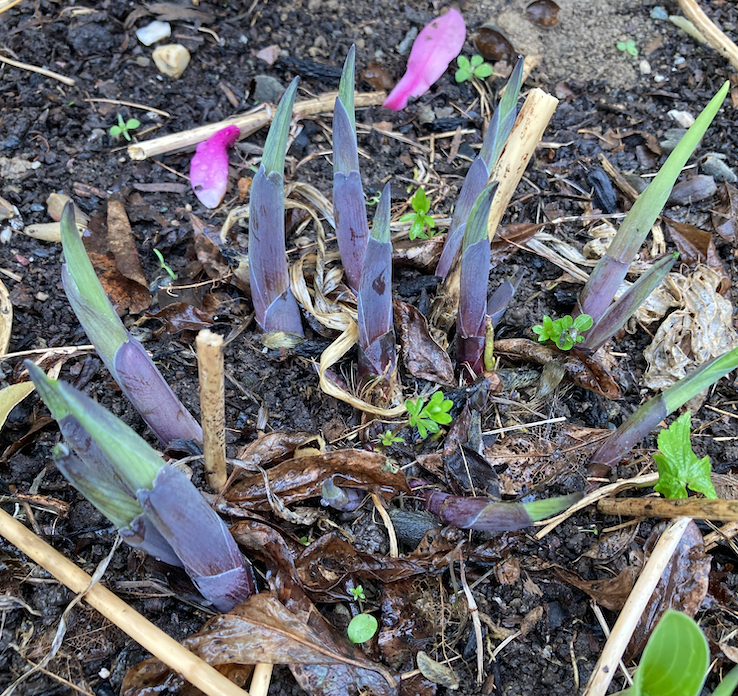
Hostas traditionally grows best in part shade, although ‘Sunhosta’ is a newer variety that tolerates full sun conditions. They love well-drained, organic soils amended with compost. They grow in clumps that expand with age. They’re easily divided in spring to move around the landscape. The flowers are good for cutting and pollinators love them. The common lavender colored flowers are less likely to be fragrant compared to the white flowers. The new shoots in spring are actually edible. In Japan they’re a delicacy. Harvest when the shoots are 2-to 4- inches tall and saute them like asparagus, tempura them or use them in soups.
Learn more about hosta growing here
Saving Herb Seed
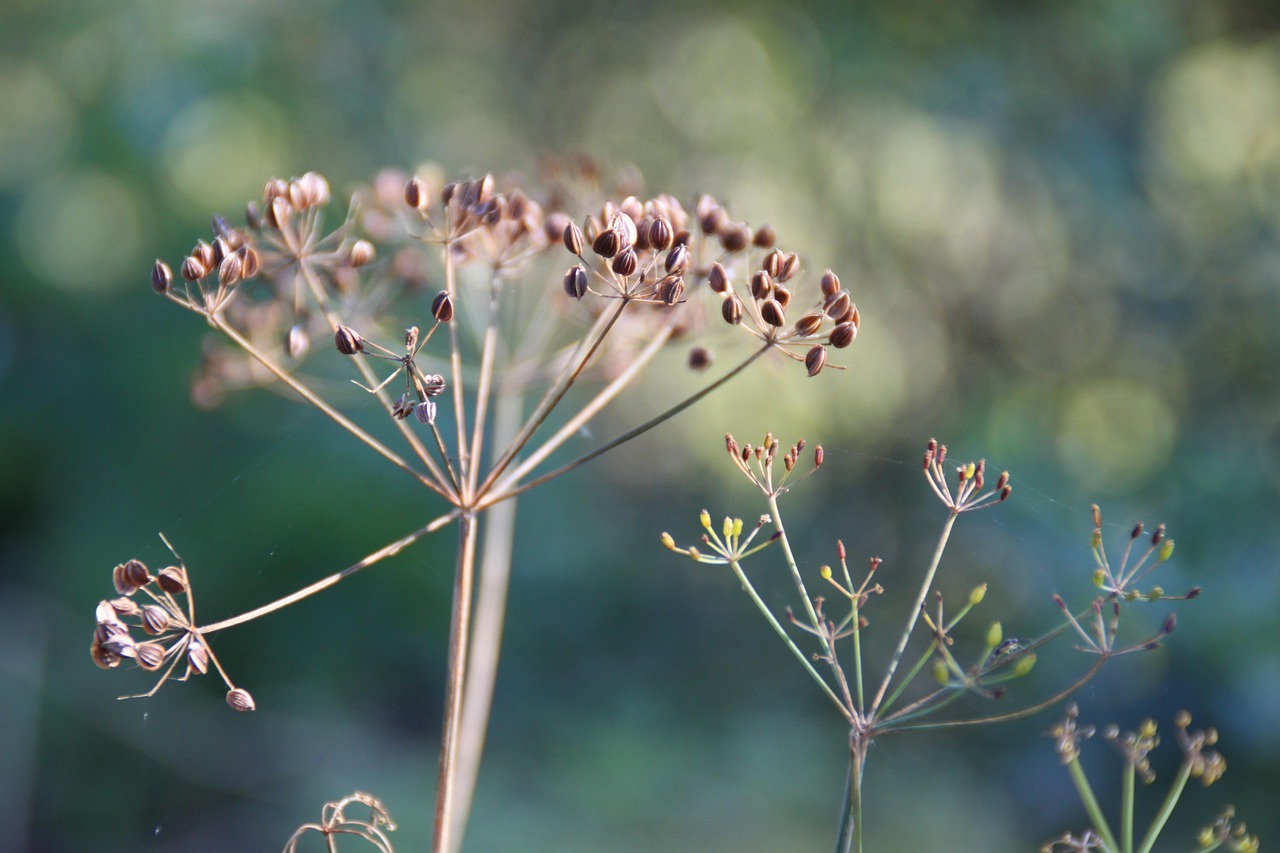
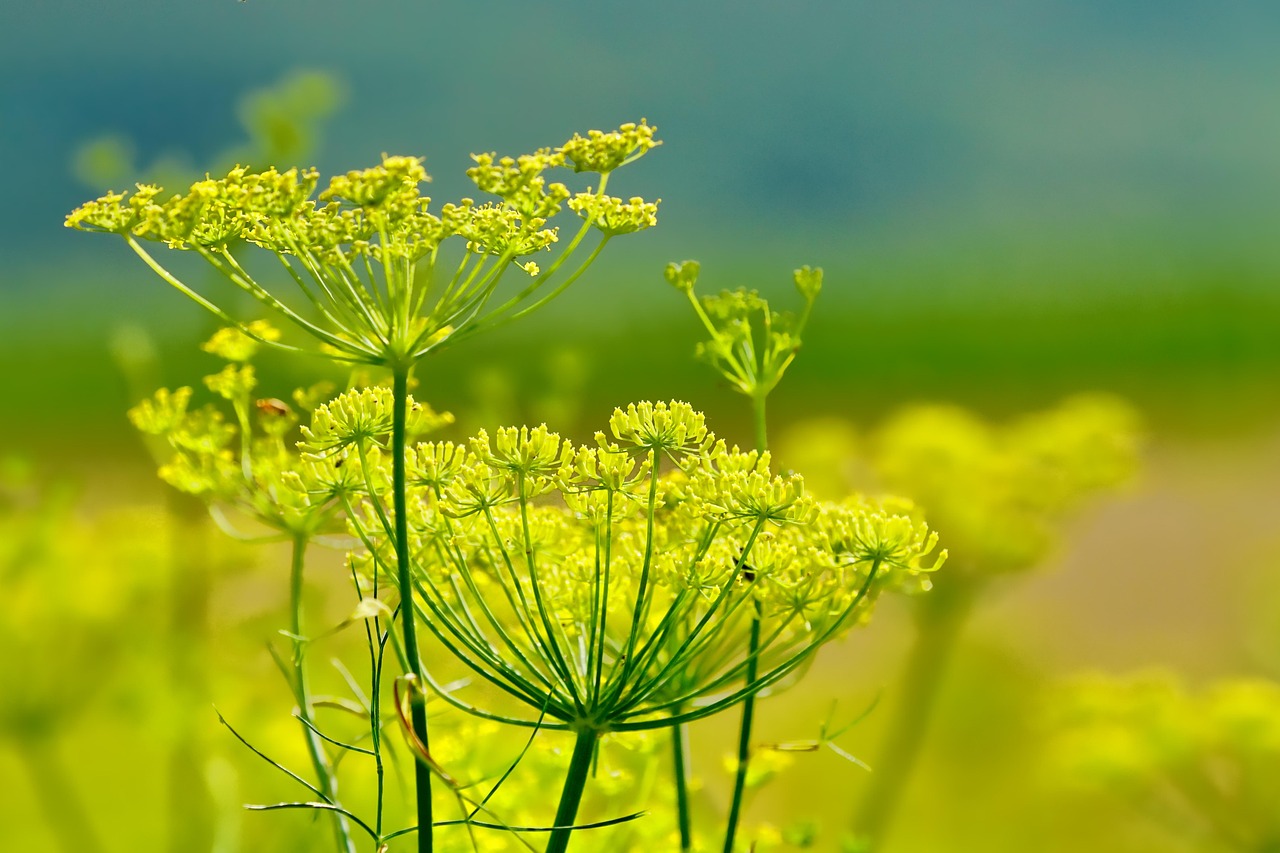
We grow a variety of herbs for culinary use and to attract beneficial insects to our garden. Many are perennial herbs such as oregano, thyme and lavender. Others are annuals such as basil, dill, fennel and cilantro. It’s these annual herbs that are fun to save the seeds from. They often come true to seed, meaning the seedlings are similar to their parents.
We also will use some of these seeds for cooking. Dill, cilantro (coriander) and fennel seeds are great in a variety of recipes. I actually eat small handfuls of raw fennel seeds when my stomach is upset. I swear is works wonders for me. Some of the seed can also be allowed to drop and self sow. We do that with dill, fennel and cilantro to get early crops of these herbs next year. Or you can save the seeds to start indoors and grow next spring. Here’s how.
Now is a good time to collect seeds before they fall. Select the healthiest looking herb plants with the biggest heads. Once the flowers have faded and the green seeds turn brown, shake the plant gently to see if the seeds will drop. If so, cover the seed head with a paper bag and cut the stalk below the bag. Bring the bag indoors, poke a few holes in it for ventilation and as they seeds dry and mature they will drop off the flower head. Shake the bag periodically to accelerate this process.
Once you have a bag of seeds, let them dry in a dark, airy, warm location out of direct sun for a week or so, then store them in glass jars at room temperature. They usually hold their flavor for months.
Learn more about Saving Herb Seed here
In Our Garden: Japanese Knotweed
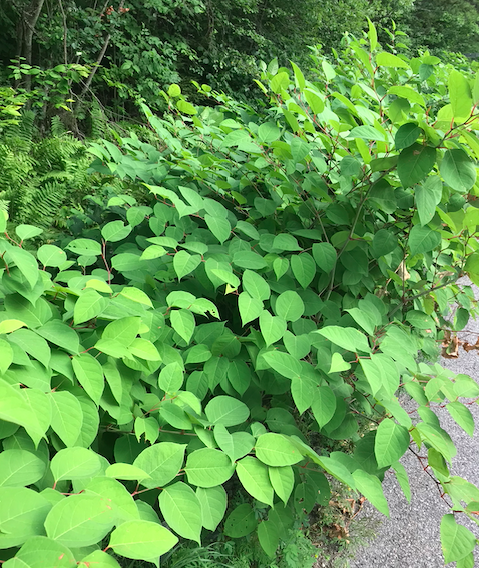
One of the top questions I get on my radio and TV shows is about hard to kill, invasive weeds. Japanese knotweed has got to be one of the top weeds people want to control. Japanese knotweed hails from Japan where natural predators and diseases keep it in check. It’s actually used as a wild edible in some regions. In North America, it was introduced in the 1800’s and has spread across the continent.
Japanese knotweed grows best in well-drained, moist soils such as a long streams, ponds and rivers. It often takes over flood plain areas because it easily spreads there after a flood. The plants can grow into a monster by late summer. Some patches can reach 15 feet tall. The large leaves cover the area choking out all other vegetation. The plants spreads by seeds, stem and root pieces. In fact, stems and pieces of roots are often dislodged during a flood and pushed downstream where they’re deposited in a new areas. The plants will regrow from even a small piece of stem or root, so it becomes very hard to control.
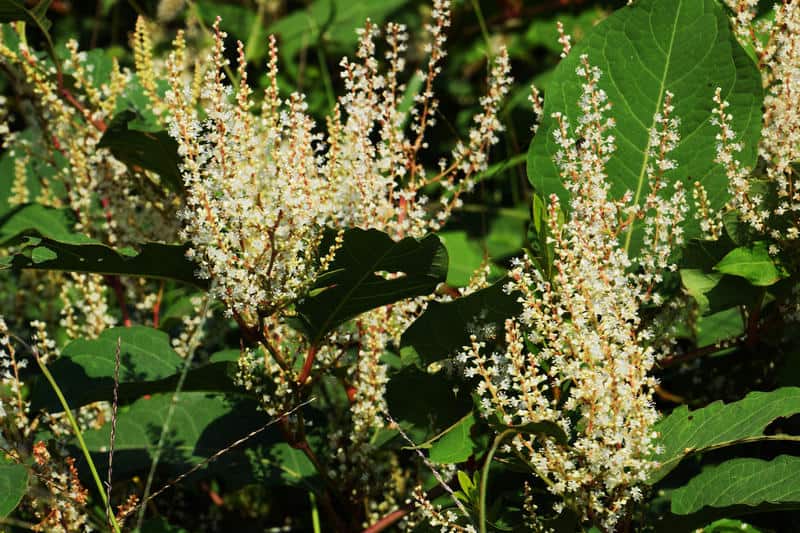
Controlling Japanese knotweed isn’t easy. You have to be diligent, patient and realistic. You aren’t going to control it in a few seasons. Research has shown that tarps laid over areas for 20 years to kill knotweed killed the tops, but once removed, roots still survived to regrow.
You’ll need to use a number of techniques to be successful. Mow or cut down the stand every 2 to 3 weeks, or whenever the plants are 6 inches tall, from May until October. Gather the cuttings and place them in black plastic garbage bags in the sun for weeks to kill them. Then, cover the stand with a heavy duty tarp used for erosion control. Both of these methods are designed to weaken the roots and may need to be used for a number of seasons. After it’s been weaken, try to dig out a small stand by hand. You can even try having goats eat the knotweed to the ground 2 to 3 times a year. After a few years the plants will be weakened and more easily removed.
You may even have to resort to herbicides, but you have to be careful using them near bodies of water. Systemic injectables are best since they are inserted into the plant, but they can still leach out into the soil.