Two Large Perennials, Snacking Peppers, Honeyberries, and Hydrangea Happiness Book

April is wrapping up and for some gardeners, it’s been a tough one. While our zone 5 Vermont garden stayed on the cool side most of the month, gardeners in Southern New England and the Mid-Atlantic states dealt with hot temperatures that pushed plants into flower early. Then, of course, there was a freeze and many flowers were lost. Gardening isn’t for the faint of heart. At least our tulips and daffodils withstood any cold weather we got.
In this newsletter I talk about two favorite, early flowering perennials that act like shrubs, but are herbaceous and die back to the ground each fall. Learn more about baptisia and amsonia here.
We love growing peppers and the last few years we’ve really gotten into what I call snacking peppers. These are peppers that are small, sweet and easy to munch on in salads or pan fried for added flavor. Learn more about snacking peppers, and maybe grow a few, in this newsletter
I’m always amazed at honey berries. I’ve literally done nothing to them for years and each spring they flower early for the pollinators and fruit even before strawberries. Learn more about growing honey berries in your yard here.
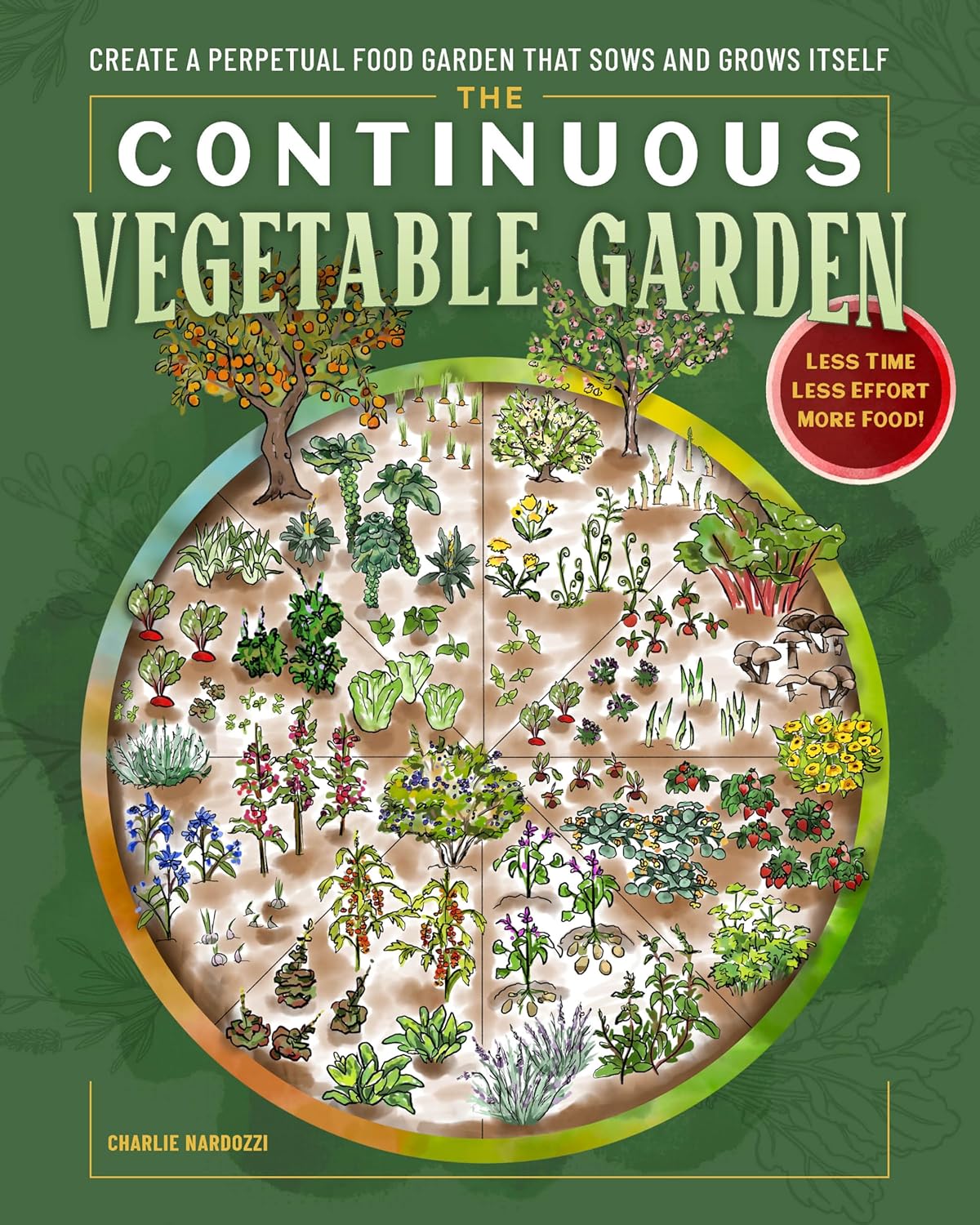
My Continuous Vegetable Garden Book continues to sell well. It’s the perfect book for this time of year as you’re planting your vegetable, herb and fruit gardens. To learn more about the book and concept, check out my interview on the DC Garden DC podcast in Washington DC with Kathy Jentz and check out my book here!
Cape Cod is famous for its beaches, ocean and sun. For gardeners it’s a haven for hydrangeas. Hydrangeas love the coastal environment and warm temperatures. A new book, Hydrangeas Happiness (Brandeis University Press, 2026) celebrates these amazing shrubs. Author, C.L. Fornari lives on Cape Cod and grows lots of hydrangeas. Find out more about C.L.’ s new book here.
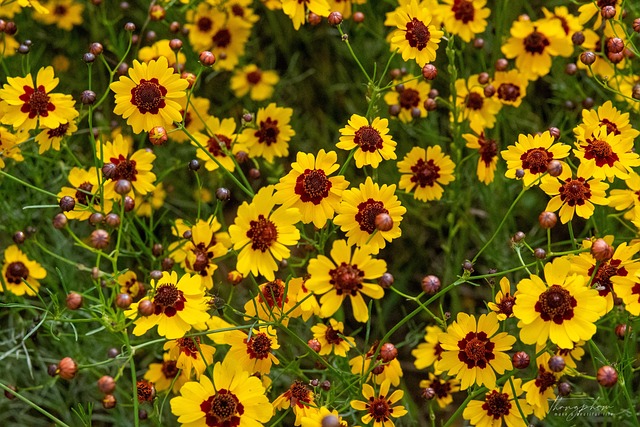
Do you want to help our pollinating insects? Take a look at my monthly garden blog I write for Proven Winners called What’s Up North. This month I talk about Pollinator Gardens. Many of us know the plight of pollinating insects and how critical they are to our life on this planet. In this blog I talk about ways to attract and keep pollinators in your yard, pollinator needs beyond food and the best plants to grow for pollinators. Check out my blog on Pollinators for the Northeast, here.
Until next time I’ll be seeing you, in the garden.
Charlie
Where to Find Charlie: (podcasts, TV and in-person)
- In the Garden (WCAX-TV CBS) – This week: Pruning Blueberries
- All Things Gardening on Vt Public Radio– This week: All About Basil
- WJOY In The Garden Podcast– This week: Overseeding lawns, planting peas and lettuce, creating successful railing planters, controlling crabgrass, and fertilizing geraniums.
- Where’s Charlie Speaking? 4/30/26: Ecological Gardening, Community National Bank, Newport, VT
How to Grow: Two Large Perennials
Proven Winners
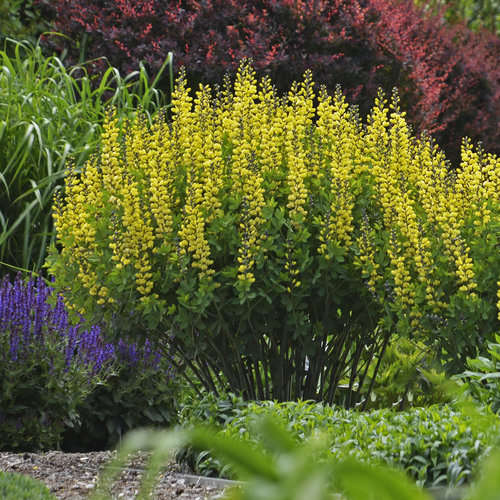
Gardeners sometimes want things both ways. They like small deciduous shrubs, but they don’t want them in winter when they look like a bunch of sticks. The solution is large, herbaceous perennials. There are two large perennials that I love and they bloom early in the season and die back to the ground in winter.
Baptisia is a native perennial that grows 3- to 4-feet tall each spring. This tall, stately plant has pea-like leaves (it is a legume) and produces spikes of pea-like flowers in colors from yellow to blue to burgundy. Baptisia is a tough plant with deep roots. Make sure you like where you plant it because it’s hard to move. It reliably comes back in our garden each spring and with newer varieties, the color range can be tremendous. The most common variety is the blue baptisia (Baptisia australis). But the newer Decadence series features plants with yellow, red, white, bicolor and burgundy colored flowers as well. They’re equally as hardy as the natives and pollinators love them. Baptsia grows well in full to part sun on well-drained soils. They’re particularly attractive to bumble bees who dive into the flowers in search of food. After flowering, the black seed pods are attractive and used to be used as a baby’s rattle because of the seeds inside. The only issue I’ve heard in growing baptisia are voles love the fleshy roots. A simple solution is to mix seashells or oyster shells in the planting hole to thwart these rodents.

Another equally beautiful, large perennial that dies back to the ground each fall is amsonia. This native perennial grows into a 3 foot tall and round plant. I love the varieties with the willow-like leaves. In spring, star-shaped blue flowers appear to cover the plant. It’s another pollinator favorite! After flowering the willow-like plant is the perfect backdrop “shrub” for other late flowering perennials in your garden. Come fall, the foliage turns a bright yellow giving this plant three seasons of interest. I particularly like the ‘Arkansas Bluestar’. It is a tough plant, hardy to zone 5, that grows best in full sun or part shade on well-drained soils. The pale blue flowers are particularly alluring. ‘Blue Ice’ is a dwarf version that only grows 12- to 18-inches tall, but still makes a statement in your garden. Amsonia is a carefree perennial that rabbits and deer avoid.
Learn More about Baptisia and Watch the Video here
Learn More about Amsonia and Watch the Video here

Snacking Peppers
We’ve been growing sweet and hot peppers for years. I particularly love the ‘Corno di Toro’ or Italian bull’s horn peppers because they mature to red faster than bell peppers in our climate. A mature red, yellow, orange or chocolate colored peppers is sweeter and more delicious than the green versions.
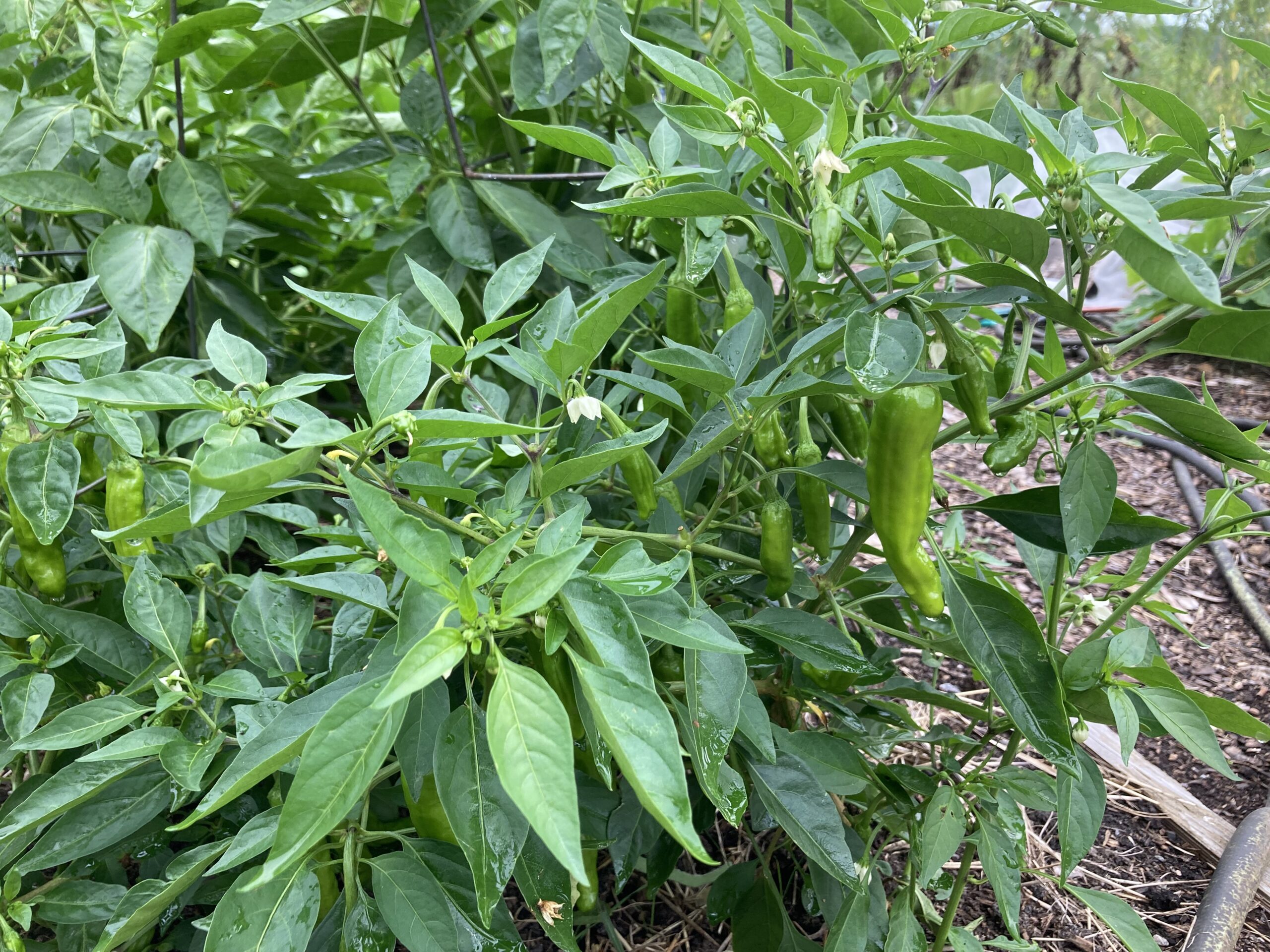
But lately I’ve been trying some of the smaller, sweet or slightly hot, peppers that are great for snacking. I call them snacking peppers because that’s how we eat them. Either I pick them to chop up in an impromptu salad or pan fry them for a delicious appetizer. There are two varieties of the pan frying peppers I love, ‘Shishito’ peppers are small plants that fit into a container, with an abundance of green, crinkly textured fruits. Unlike sweet peppers, you harvest the fruits when they’re still green and small. The simplest way to eat them is to pan fry them in a little olive oil. When slightly charred on all sides, sprinkle some salt on them and munch away. I can go through a dozen of these delightful little peppers in one sitting. Another small fruited pepper eaten the same way is the ‘Padron’ pepper. I first ate these in Barcelona, Spain, having lunch at an outdoor restaurant on Las Ramblas. We had plates of pan fried ‘Padron’ peppers with Sangria. What a meal! ‘Padron’ peppers can be slightly hot and you can never tell in advance which ones are like that. It makes eating them even more fun.
Johnny’s Selected Seeds
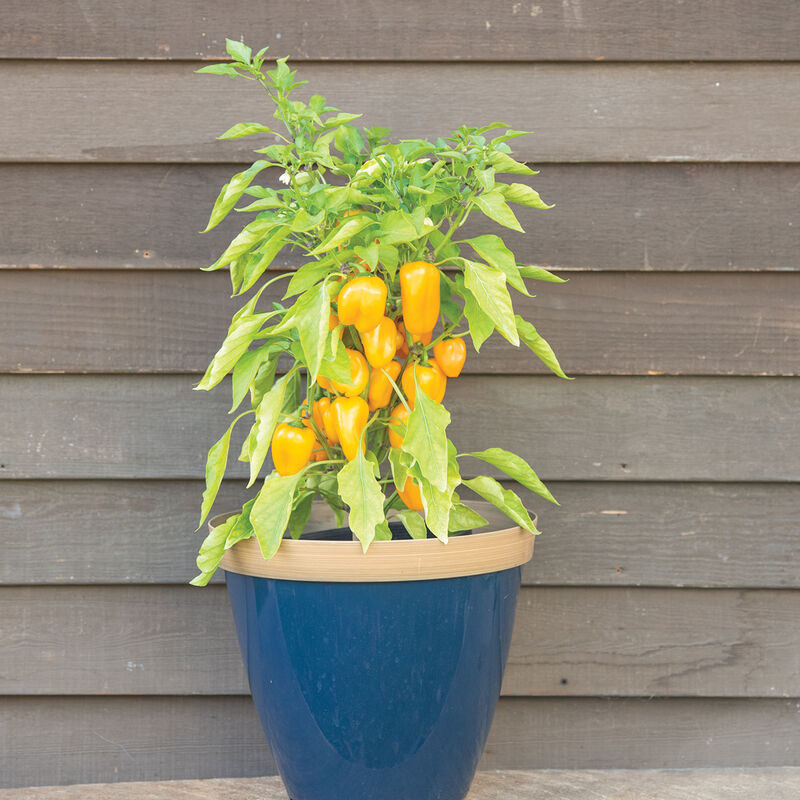
The other group of snacking peppers I love are the Lunchbox peppers. These sweet pepper plants produce quickly and consistently all summer yellow, orange or red colored fruits. They look like mini bell peppers, but mature fast. They are great chopped in salads or stir fries. Because the fruits are small and produce so abundantly, we can have a pepper party using them in a variety of recipes.
Of course, all peppers love full sun, well-drained, fertile soil and heat. Wait until the temperatures are consistently above 60F to set out your plants. Protect them from cutworms and harsh sun and keep them well watered.
Learn more about Pepper Care here
How to Grow: Honeyberries
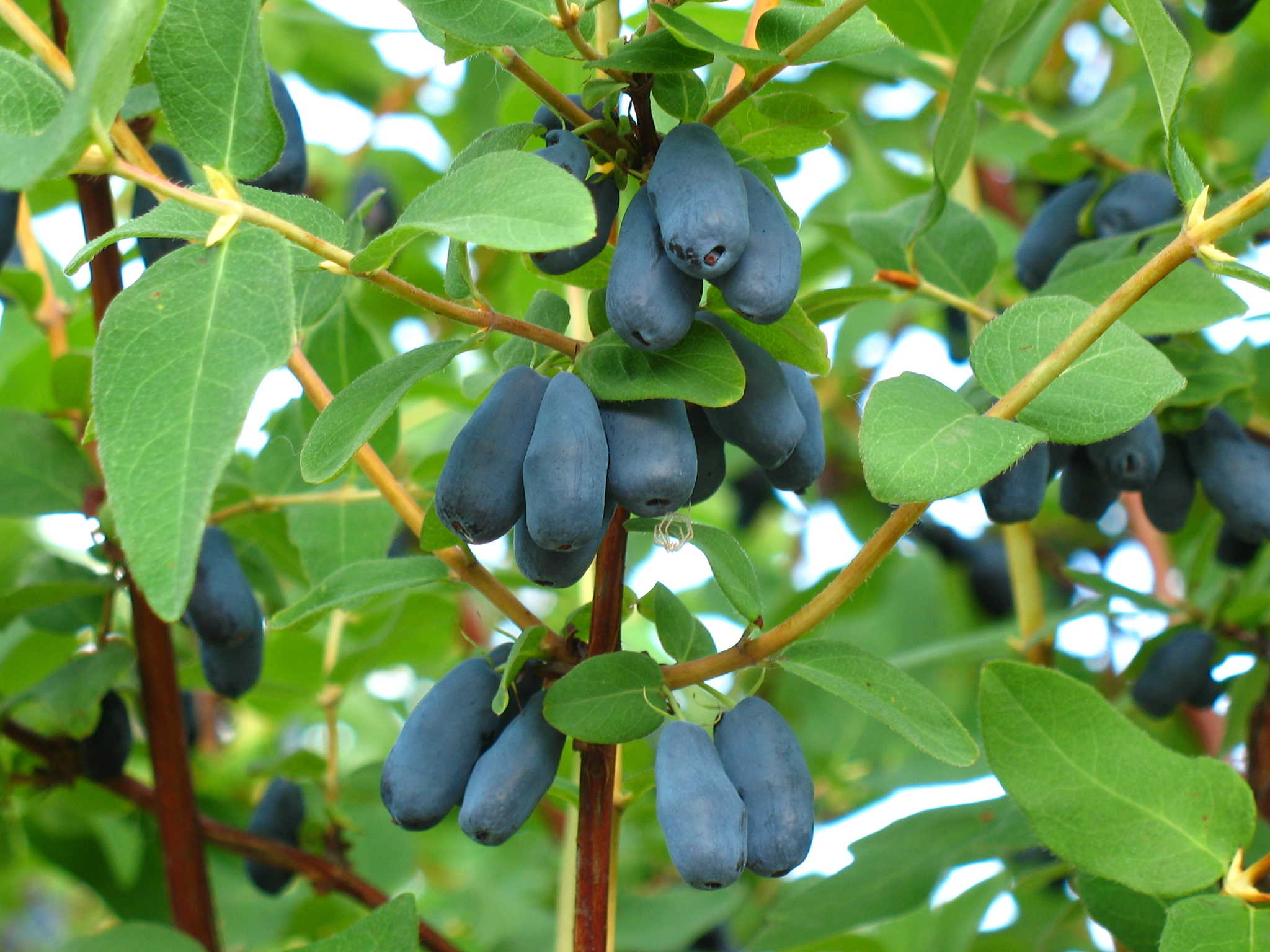
I recently was speaking at a garden conference in Fargo, North Dakota. It was my first time in North Dakota and I did a crash course in gardening in that extreme climate. While gardeners there have to deal with hardiness zone 3 and 4 temperatures, high winds and drying conditions, they manage to be a passionate bunch, trying lots of new plants. One that has been very popular in North Dakota is the honey berry or haskap (Lonicera caerulea). I know this shrub from our house, because we’ve been growing it for 10 years. Honeyberries are hardy, rough, beautiful little shrubs that consistently produce purple fruits two weeks before strawberries ripen. They’re the first fruit in our landscape and they’re flowering now in April. Some varieties were developed at the University of Saskatchewan so you know they’re tough. They originally came from Siberia.
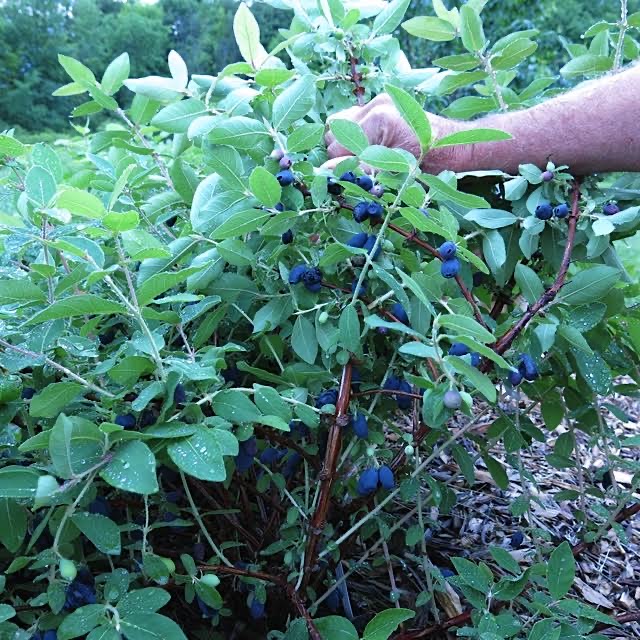
Honeyberries are in the honeysuckle family, but are not invasive. You need two different varieties to insure cross pollination of the flowers. We grow ‘Blue Velvet’ and ‘Blue Moon’ but there are many other varieties available. The borealis series is a particularly hardy group. Haskaps, as they also are called, grow into 3- to 5- foot tall and wide shrubs. Ours are rounded and look like shrubby spireas. They’re an attractive plant in the landscape. They grow best in full sun, but can take some shade. In spring, they produce an abundance of cylinder-shaped purple fruits. These small fruits have a wild grape/blueberry flavor and are a bit sour unless you let them ripen completely. It’s easy to know when they’re ripe as they fall off the bush. In fact, one way to harvest them is to place a sheet under the shrub and shake it.
Honeyberries need little care. I have literally done nothing to care for ours in 10 years and they still produce each year. I suppose compost, and some pruning would help, but I always forget and then still thrive. The only problem I see is the birds. They love this fruit and will clean you out quickly. We net our shrubs for a couple of good harvests, then let the birds have the rest. Everyone has to eat!
Learn more about Honeyberries here
In Our Garden: Hydrangea Happiness Book

Everybody loves hydrangeas, but many are perplexed by growing them. This is especially true of the”blue” hydrangeas or Hydrangea macrophylla. In C.L. Fornari’s new book, Hydrangea Happiness’ she takes you step by step through learning about the different types of hydrangeas, how to grow them successfully, how to get them to flower early, how to prune them and how to keep them looking good in fall. I particularly like that she talks about some unusual hydrangeas that gardeners may not know about such as the Mountain hydrangea and Oakleaf hydrangea.
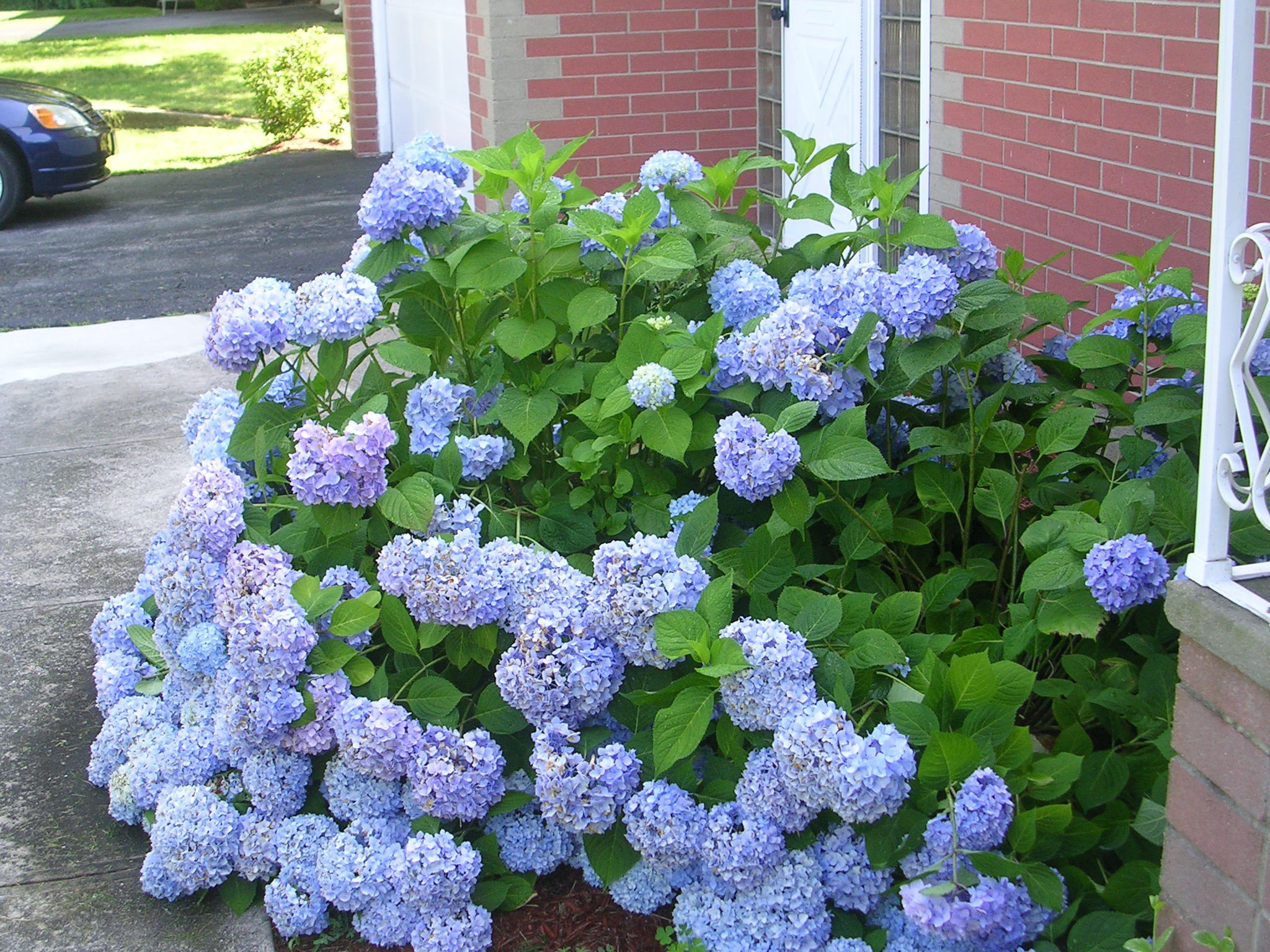
Along with giving you information on how to grow these shrubs, C.L. talk about ways to cut and use them in vases and she dispels some myths around hydrangeas. Did you know that not all hydrangeas need lots of water or that coffee grounds, banana water and Epsom salts don’t help hydrangeas grow or flower better?
C.L. is a radio show host, book author and popular speaker on a variety of gardening topics. She loves hydrangeas and you can feel her passion for this plant come out in her book. She lives and gardens on Cape Cod and grows lots of hydrangeas!