Gardening for the Birds, Late Blooming Lobelia, Fall Greens and Storing Winter Squash
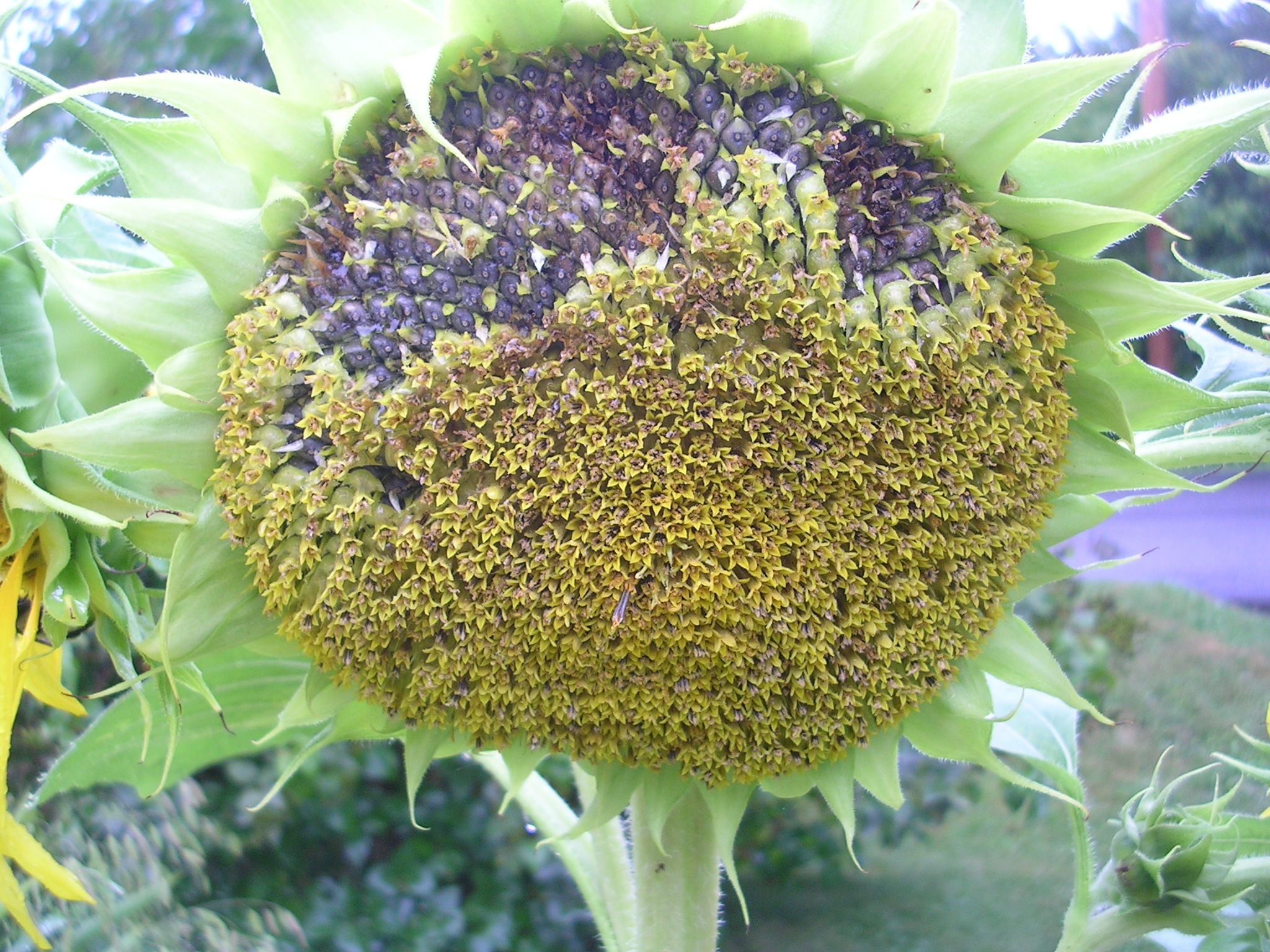
And just like that it’s September. In our zone 5 garden not only does the calendar change, but the evenings get a little cooler and the plants clearly start slowing down their growth. But that doesn’t mean it’s the beginning of the end in the garden. Birds are busy feasting on our native shrub’s berries in anticipation of heading South or overwintering here, Fall blooming perennials are showing off their colors. It’s still time to plant fall greens and time to start harvesting our winter squash. No, the days may be shortening and temperatures cooling a bit, but the work continues in the garden.
We grow lots of berry bushes. Some for us and some for the birds. Certainly our blueberries, currants, gooseberries and elderberries are favorites of ours. But when we’ve had enough, we open up the nets and let the birds clean out the rest. We also have native viburnum and dogwood shrubs that are growing in our hedgerows and those berries are favorites of the birds. Learn more about gardening for the birds in this newsletter.

Fall blooming perennials are in their glory and we have a few unusual ones. Lobelia flowers are mostly known as bedding plant annuals for our garden, but their are perennial selections that bloom now in red, white or blue colors. How patriotic. Learn more about these unusual, perennial lobelias here.
We continue to harvest many warm season veggies, but I always remember to plant for the fall as well. Now is a good time to sow seeds or transplants of fall greens such as lettuce, kale, Swiss chard and spinach. Learn how in this newsletter.
I mentioned harvesting above. One vegetable that I’ve learned to harvest as soon as it’s ripe is winter squash. Once the skin color changes and hardens, pick, cure and store them so no other creatures make their own Thanksgiving feast out of them. I talk about storing winter squash here.
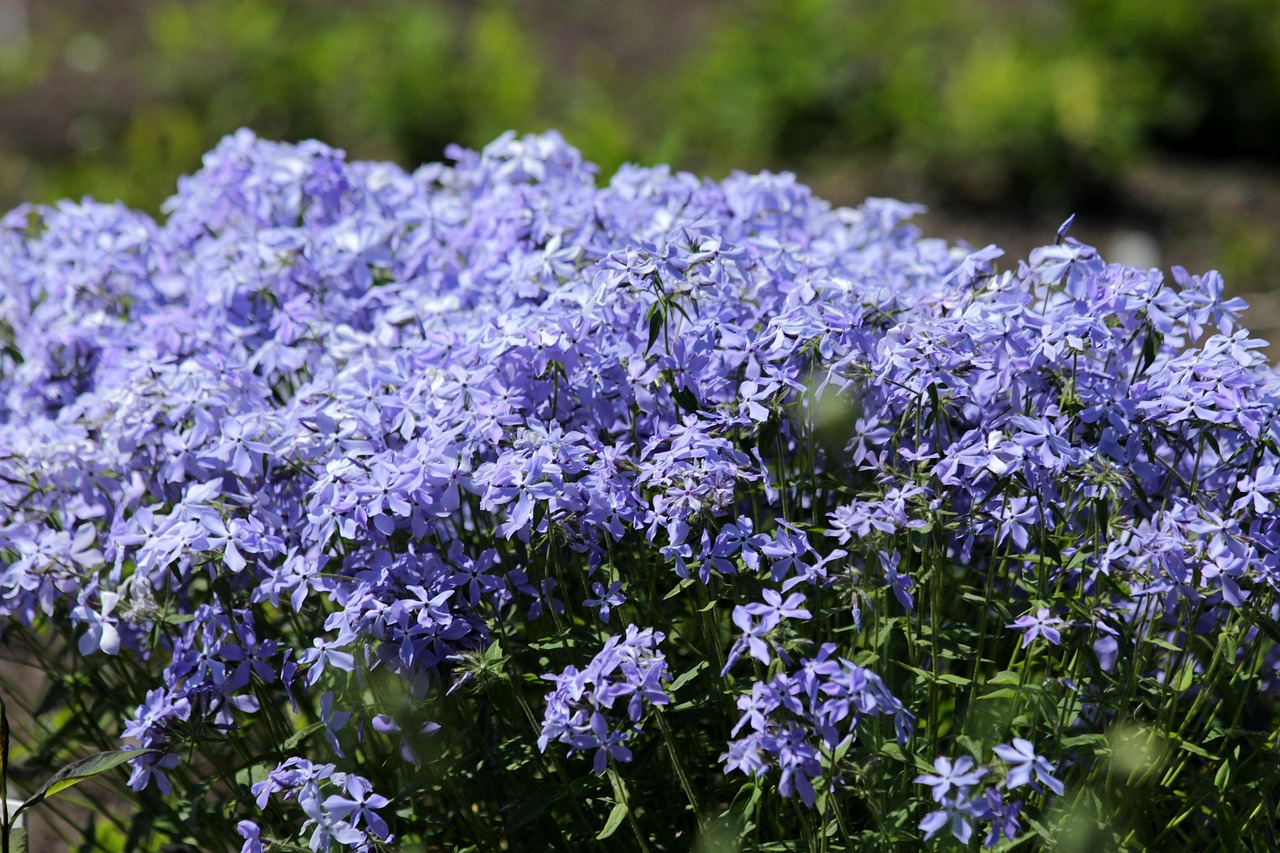
Plant diseases got you down? Take a look at my monthly garden blog I write for Proven Winners called What’s Up North. This month I talk about 3 Disease Free Perennials. As fall approaches, many flower gardeners are shaking their heads at some disease ridden perennials in their garden. But there’s hope! I talk about three disease free perennial flowers that add color into late summer and stay looking good in the Northeast. I highlight disease free varieties of tall garden phlox, bee balm and Veronica. Check out my blog on 3 Disease Free Perennials for the Northeast, here.
Until next time I’ll be seeing you, in the garden.
Charlie

Where to Find Charlie: (podcasts, TV and in-person)
- In the Garden (WCAX-TV CBS) – This week: Growing Your Own Grapes
- All Things Gardening on Vt Public Radio– This week: September Garden Q/A on cherry leaf disease, deer deterrents. red lily leaf beetles and more
- WJOY In The Garden Podcast– This week: Planting trees and shrubs, bringing your Hibiscus indoors, saving Basil seeds, covering your crops, dealing with Aphids in your hanging baskets, and what to do when finding Swede Midge on your cabbages
- Where’s Charlie Speaking? 9/9/26: Foodscaping, Wellesley Gardener’s Guild, Wellesley, MA
Gardening for the Birds
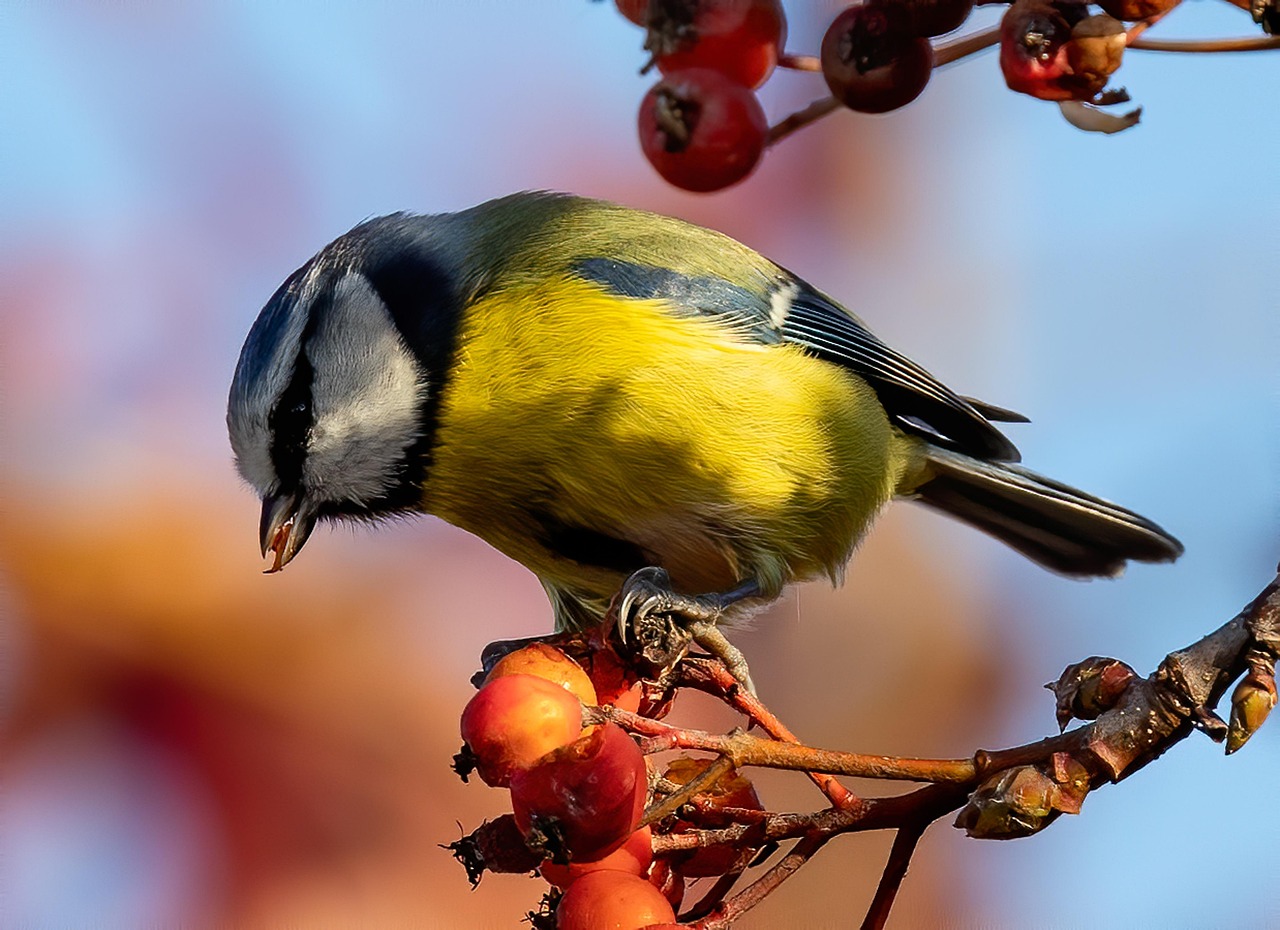
We all know the plight of birds. Populations of many birds, including our favorite song birds, are declining across the globe. Everything that we can do to help them is important. Birds are not only beautiful to see around in our yards, they are important for a healthy ecosystem. Certainly you can plant trees, such as oaks and willows, that attract caterpillars that are good bird food for bird babies. But in fall, it’s also important to have food sources available for overwintering and migrating birds. One of the best sources of food for birds are berries.

However, not all berries are created equal when it comes to birds. Berries from native shrubs are better than berries from exotic, invasive shrubs. In our neck of the woods natives, such as shrub dogwoods, native viburnums, elderberries and blueberries, pack a bigger nutritional punch compared to berries from exotic invasives, such as Japanese honeysuckle, buck thorn and Japanese barberry. Although these exotic berries are plentiful, they’re not the best for our birds. While the caloric content between native and exotic berries is about the same, the fat content varies wildly. Native berries have up to 48% fat versus exotic berries having less than 10% fat. If you’re a little bird trying to migrate or overwinter in the North, the more fat, the better.

So, it’s important to have these native bushes in our landscape. Many gardeners are keen to remove invasive shrubs, but it’s just as important to replace them with native shrubs. Some of our favorite natives include Elderberry (Sambucus canadensis), Red twig dogwood (Cornus sericea), American holly (Ilex opaca), American cranberry bush (Viburnum trilobum), and Virginia creeper (Parthenocissus quinquefolia). Even poison ivy is a good native to have around for its berries, as long as the vine isn’t in a place where you’ll be actively gardening.
I have a whole webinar devoted to Gardening for the Birds where I talk not just about the best shrubs, vines and trees to grow, but other bird needs including nesting, shelter, water and hiding spots. By even growing a few more of these native shrubs, you’ll be contributing to a healthier bird population.
Learn More about Gardening for the Birds here
Check out my Webinar on Gardening for the Birds Here
How to Grow: Late Blooming Lobelia

University of Wisconsin
When I say lobelia, most gardeners think of the small, cascading annual plant that we often grow in containers on our deck or patio. Those plants are certainly beautiful and useful, but there’s more to the lobelia genus than bedding plants. The Cardinal Flower and Great Blue lobelia are two, native selections of lobelia that grow 2- to 3-feet tall and have stunning, bright colors opening this time of year. Not only are they beautiful in the landscape, these lobelias attract hummingbirds, bees and butterflies to your yard.

The Cardinal flower (Lobelia cardinalis) features a 3- foot tall, clumping plant with striking, bright red flowers in late summer and fall. If that’s not enough to lure you into growing one, try the ‘Queen Victoria’ selection with velvety red flowers and burgundy colored leaves. ‘Starship™ Deep Rose’ lobelia (Lobelia speciosa) is a selection that has rose-pink flowers.
For another color choice, try the hardier (zone 4) Great Blue lobelia (Lobelia siphilitica). Like the cardinal flower, it grows 3- feet tall in a clump shape, has tube-shaped flowers hummingbirds, bees and butterflies love and flowers in late summer, often surprising the gardener with its colorful blooms. Deer and rabbits leave these lobelias alone as well. A more vibrant flower color selection is ‘Starship™ blue’ lobelia (Lobelia x speciosa) with indigo blue flowers.

American Meadows
It should be noted these are short lived perennials, but they can last for years in your landscape if they are grown in the right conditions and allowed to self sow. They thrive on part sun (in the South) part to full sun (in the North) on wet ground. The soil must never dry out. They can’t stand drought. But the soil also should be well-drained and ideally loamy. That’s why I often see them growing on small stream banks and in wetland areas. While the mature plant may not last for years, it self-sows readily you. I often see it popping up in new places in the same area each fall. You can also plant them in the garden mixed with other early fall beauties such as small ornamental grasses, sedum and asters.
Learn more about lobelia growing here
Growing Fall Greens
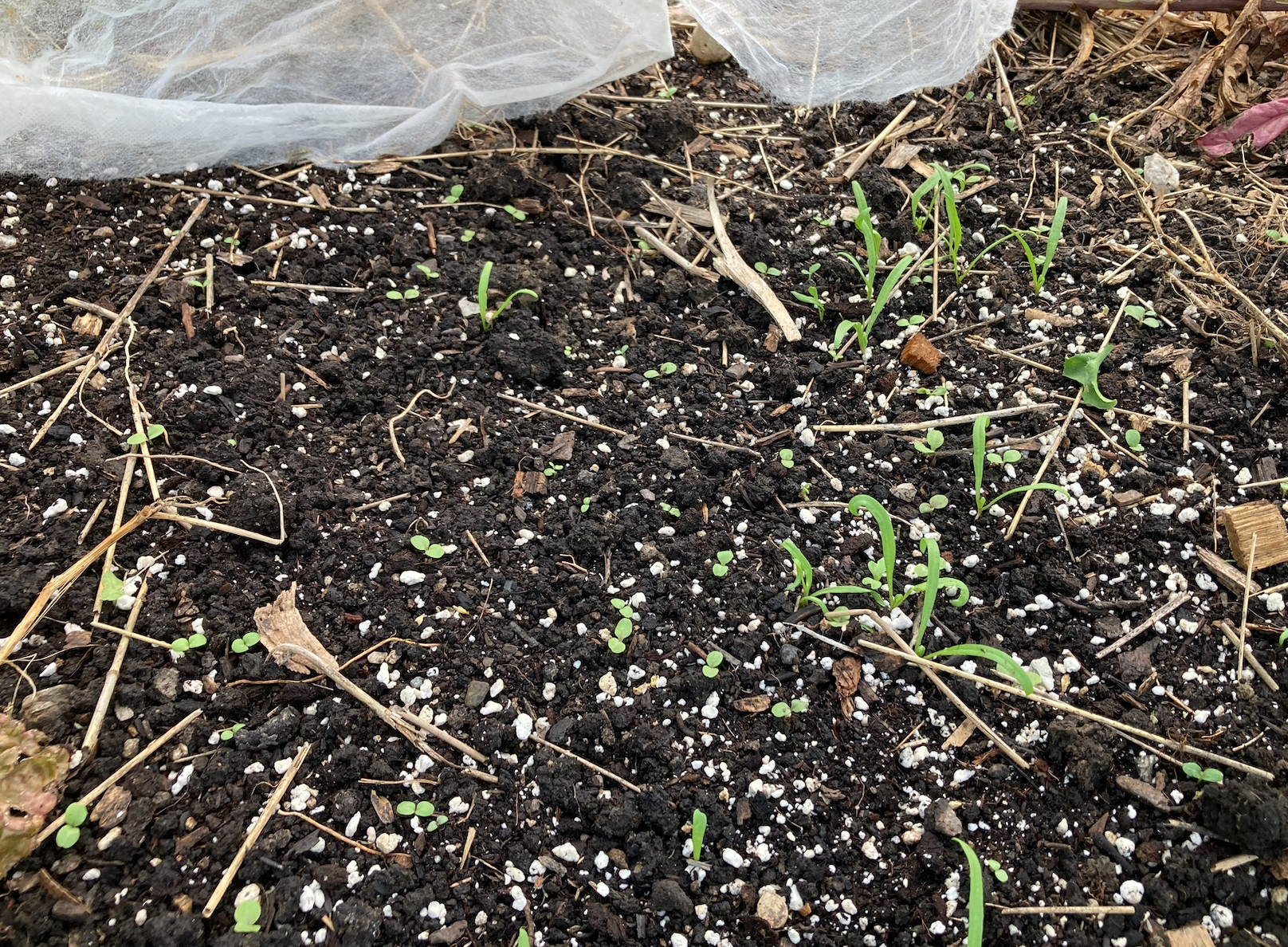
Come September, the temptation is to focus just on harvesting and forget about planting. But, even in colder areas, there’s still time to plant veggies for a fall harvest. Probably the easiest and most reliable are fall greens. Leafy greens are easy because you don’t have to wait for them to mature to enjoy a harvest. You can pick them at the baby greens stage and as small greens to harvest. Plus, some are frost tolerant and easy to cover when the weather turns cold.
Kale, Swiss chard, lettuce, spinach and arugula are some of the fastest growing greens. But also don’t forget wild greens such as dandelions and lamb’s quarters. You can use a greens mix, or grow them individually. Ideally you would have started the seeds indoors 3- to 4-weeks before setting them out, but even seeding now is okay. The keys to fall planting are prepare the soil well removing old plants, add compost and keep the soil moist. Also, realize that although the air temperatures are still warm in many areas, the limiting factor in plant growth in fall is day length. Shorter days means slower growth.
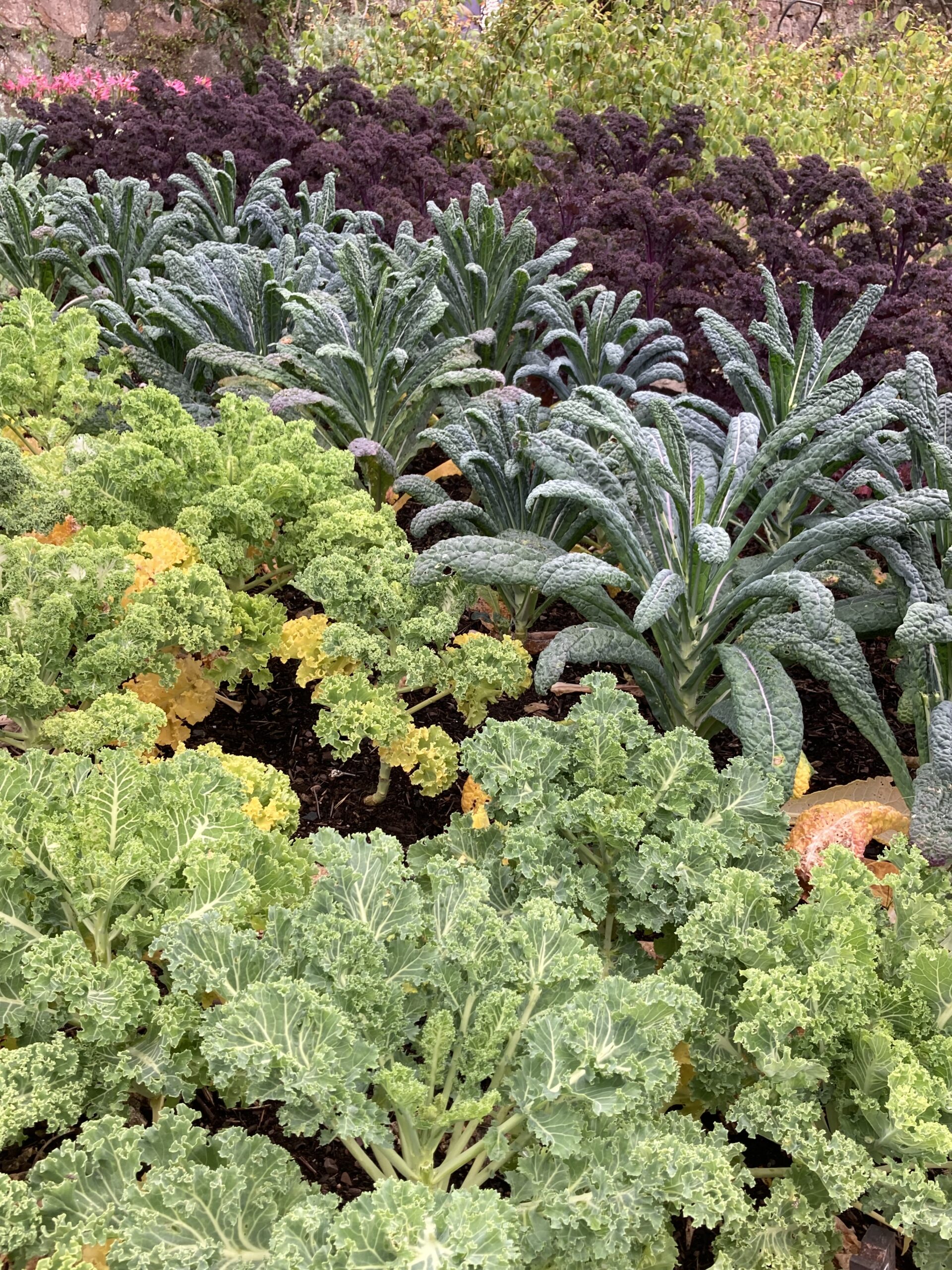
I like to prep part of a bed that I just cleaned from another crop. Sprinkle a seed mix of kale, Swiss chard, lettuce and arugula in the bed, Keep it well watered and covered with a light weight row cover to protect against insects and animals. Start harvesting as soon as the true leaves form and continue until the growth slows to a halt. If you cover the bed with heavy duty row covers then, it might survive the winter and start growing again in early spring.
Learn more about Wild Greens here
Learn More About Growing Kale Here
Learn more about Growing Swiss Chard Here
Learn more about Growing Arugula Here
In Our Garden: Storing Winter Squash

We’ve got a nice crop of butternut and delicata winter squash in the garden and I’m already starting to harvest. Although you can leave them into fall, I’ve learned, from experience, to harvest them when they are mature to avoid problems with animals and insects. Timing is important.
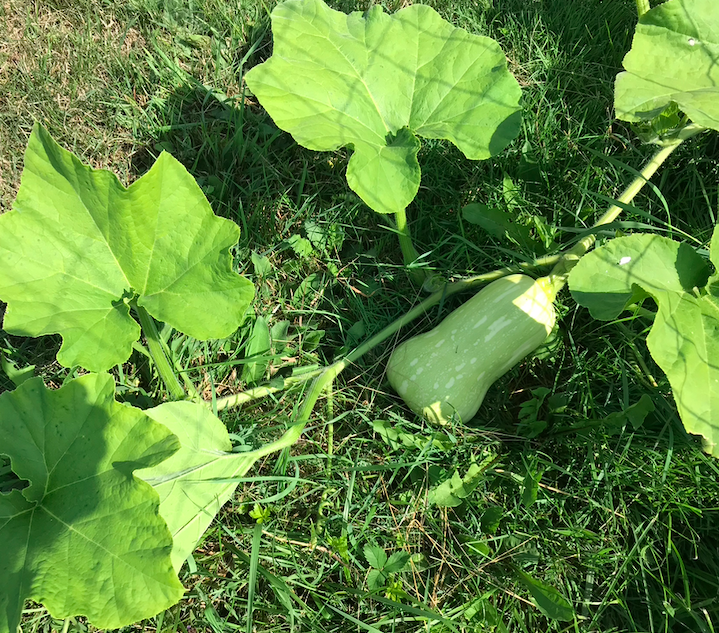
Let winter squash mature in the garden until they develop the mature skin color for that variety. The skin should be so thick that it feels hard when you press your thumbnail into it. Cut fruits so a 2-inch long stem remains. Harvest before a killing frost to protect the fruits from rotting in storage. The cold will weaken the skin. Wipe the skins clean with a 10% bleach solution to kill disease spores, cure in a warm, 70F to 80F room for 2 weeks, and then store for up 3 to 4 months in a 50F dark, airy location. Butternut and hubbard squashes seem to store the longest, while we try to eat up our delicatas by the holidays.