Fall Lawn Care, Figs in Pots, Jack O Planterns and Pumpkin Seeds
Frost hasn’t come yet to our zone 5 garden, but I know gardeners in mountainous areas already have dealt with the end of summer. It’s always a bittersweet time of year. We’ll miss the gardens, flowers and veggies, but welcome a little break in the activity.
But that doesn’t mean it’s time to hang up the rake just yet. There are many chores to be done in October and beyond. One concerns lawn care. Although caring for our lawn is not a high priority in our yard I know many other gardeners pride themselves in having a full, lush lawn. Fall is a great time in much of the country to care for your lawn. Aerating, fertilizing, topdressing compost and over seeding are some of the fall chores that will make your lawn grow better. I’ll talk about those activities and ways to make you lawn more ecologically friendly in this newsletter.
We’ve been enjoying our figs as they ripen this fall. Many gardeners are lucky they can grow figs outdoors, without protection year round (zone 7 and warmer people that’s you!). But in our zone 5 garden we have figs in an unheated greenhouse that need protection each winter and figs in pots. Ill talk about how to protect these babies so you can have fresh figs every year.
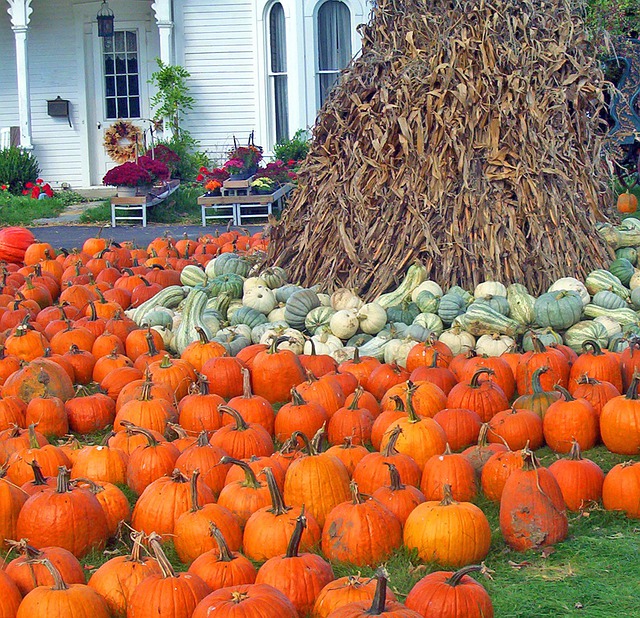
October is Halloween month. It’s become quite a big decorating event. Gardeners can join the fun by making planters out of their favorite pumpkins and winter squashes. I talk about making Jack O Planterns in this newsletter. Speaking of pumpkins, one of the fun activities is carving pumpkins. But don’t forget the pumpkin seeds. These tasty, nutritious seeds can be roasted for a fun snacks. I talk about ways to make roasted pumpkin seeds here.
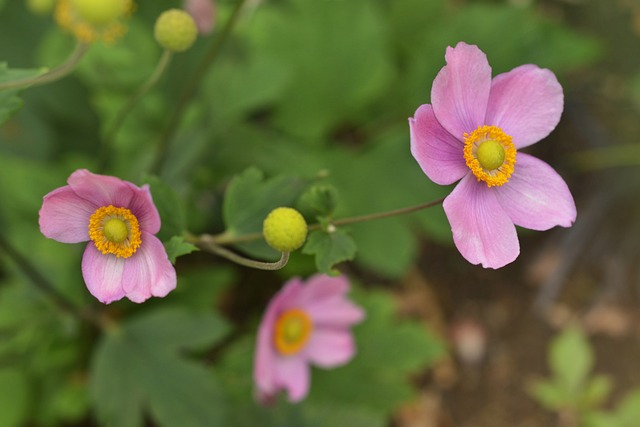
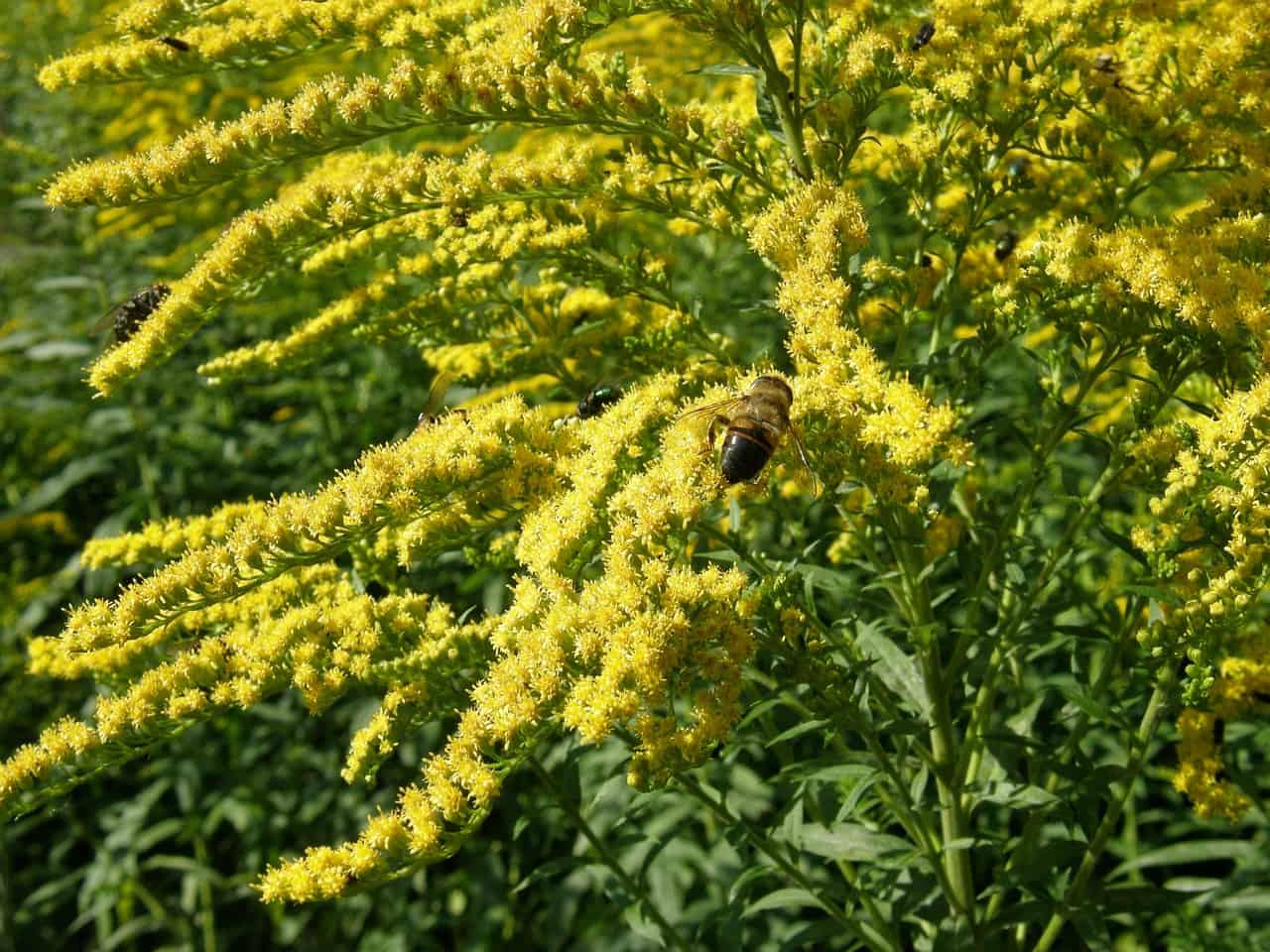
Do you want to accent Nature’s fall garden with more color? Try some of these unusual perennials. Take a look at my monthly garden blog I write for Proven Winners called What’s Up North. This month I talk about Unusual Perennials for Fall. As Mother Nature is starting to put on a color show with her foliage, we can help by planting perennials that also bloom this time of year. Instead of the standard sedum and aster, try some less common fall perennials such as false sunflower, Japanese anemone and kniphofia. Check out my blog on Unusual Perennials for Fall here.
Until next time I’ll be seeing you, in the garden.
Charlie

Where to Find Charlie: (podcasts, TV and in-person)
- In the Garden (WCAX-TV CBS) – This week: Using Pumpkins as Planters
- All Things Gardening on Vt Public Radio– This week: Fall Planting Trees and Shrubs
- WJOY In The Garden Podcast– This week: Overwintering lilac seedlings, harvesting sweet potatoes, when to plant blueberries, treating for Black Knot on plums, cutting lavender for the table and more!
- Where’s Charlie Speaking? AARP-VT, 10/6/26. Zoom Talk: Continuous Vegetable Gardening
How to Grow: Fall Lawn
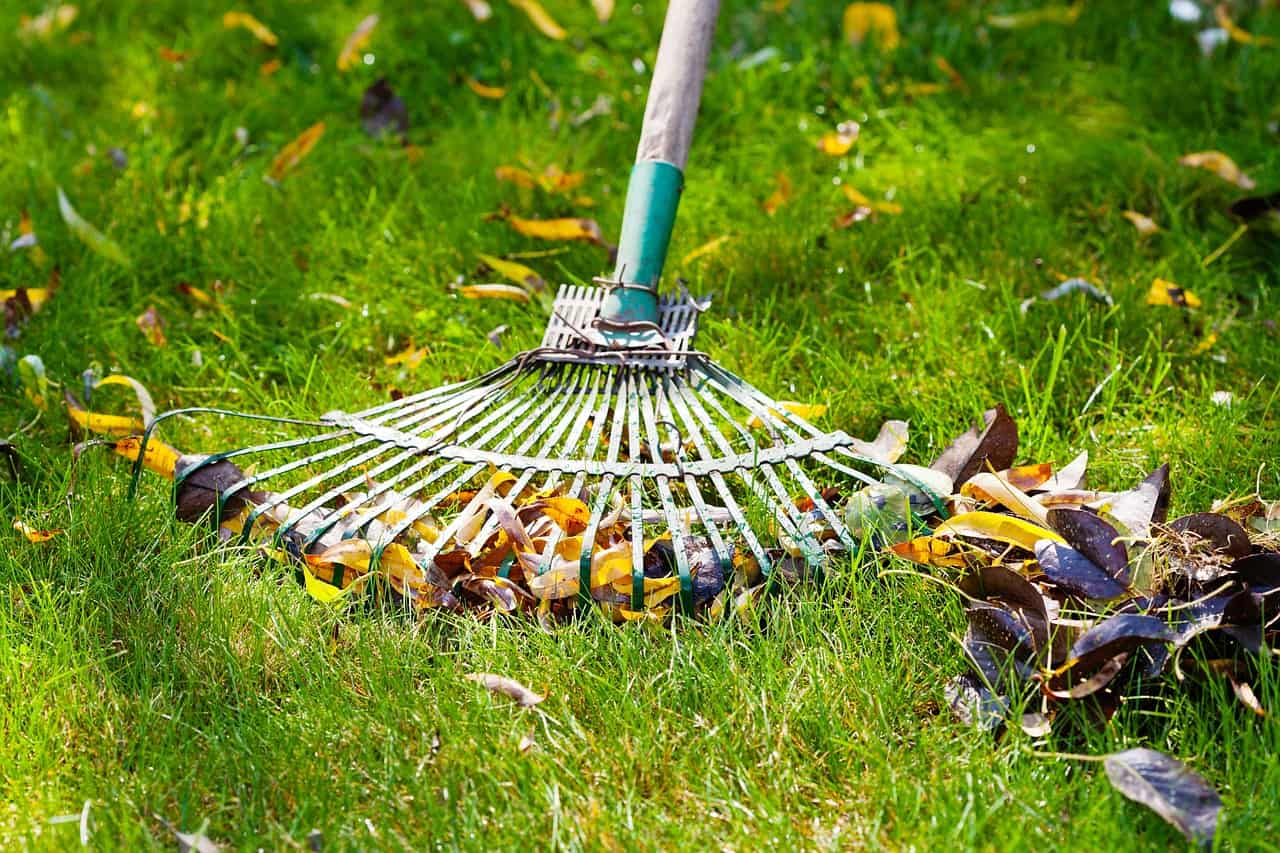
In the North, fall is the perfect time to take care of your lawn. The days are cooler, usually there’s more moisture in the soil and we all have a little more time than in the busy spring. Let’s walk through some of the lawn care activities you should do now for a greener, lusher lawn.
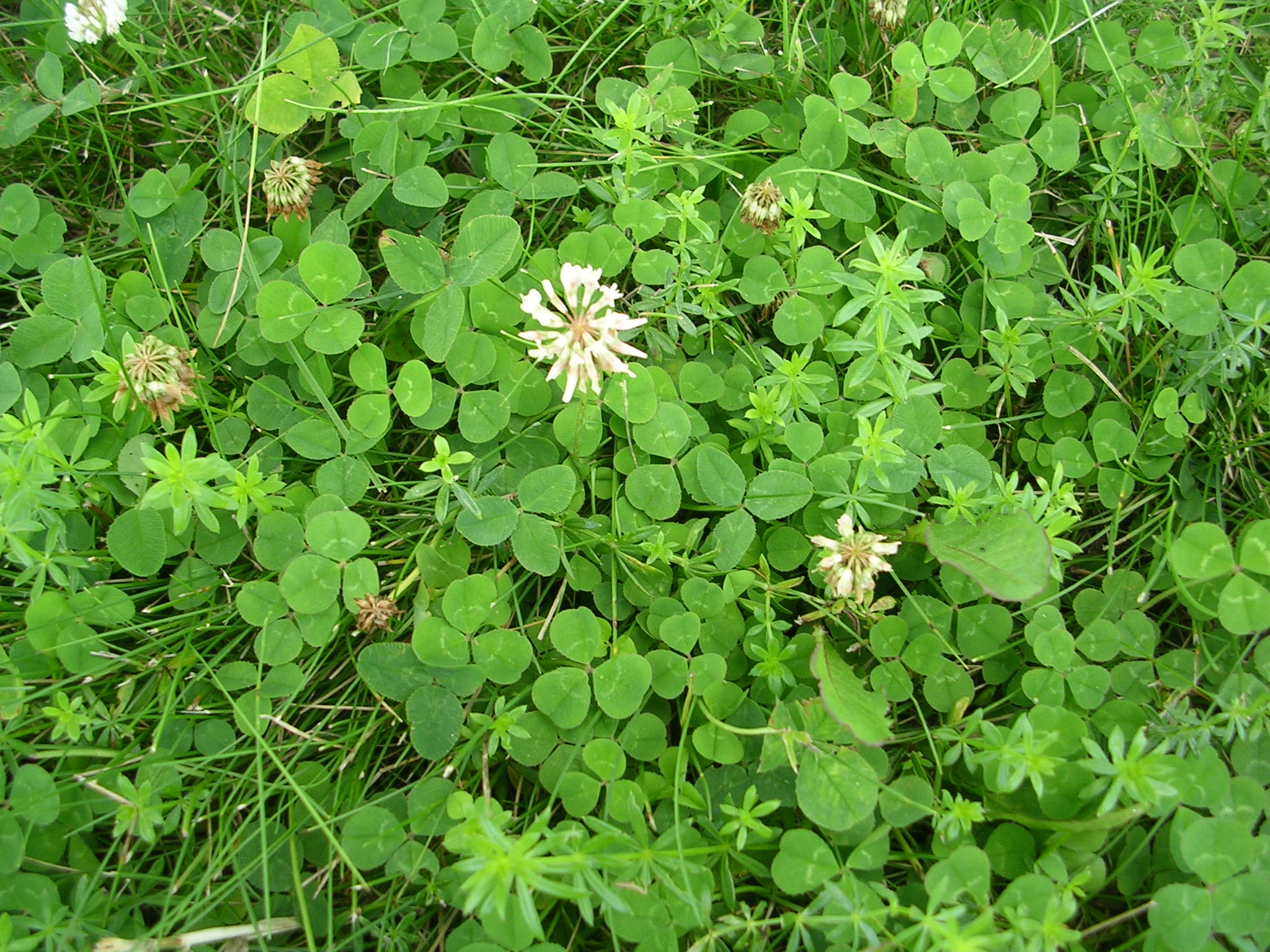
Now is a good time to sow the seeds for a new lawn, or renovate an old, struggling lawn. The first step is to till under and rake clean the old grass in the area. Then, especially with a struggling lawn, bring in some fresh topsoil. For a new lawn, you’ll need a good 4 inch thick layer. For an existing lawn, a few inches may be enough, as long as the native soil still looks good. Rake it smooth and, for a new lawn, roll the soil to preventing settling. Then select your grass seed. For full sun lawns, choose one that is mostly Kentucky bluegrass and tall fescue. For a part shade area, select a fescue grass mix, such as the creeping and fine fescue, with some tall fescue and perennial ryergass. In either case, add in some Dutch white clover, if it’s not already in your mix. Clover fixes atmospheric nitrogen, so feeds your grass and has deeper roots so tends to stay green during drought. Plus the bees love the flowers, too. There are even low mow grass mixes that don’t require as much maintenance. If you’re wanting to have a lawn that’s better for the bees, follow the guidelines to create a bee friendly lawn. You can even leave some areas to grow into low growing flowers with a pollinator friendly grass seed mix.
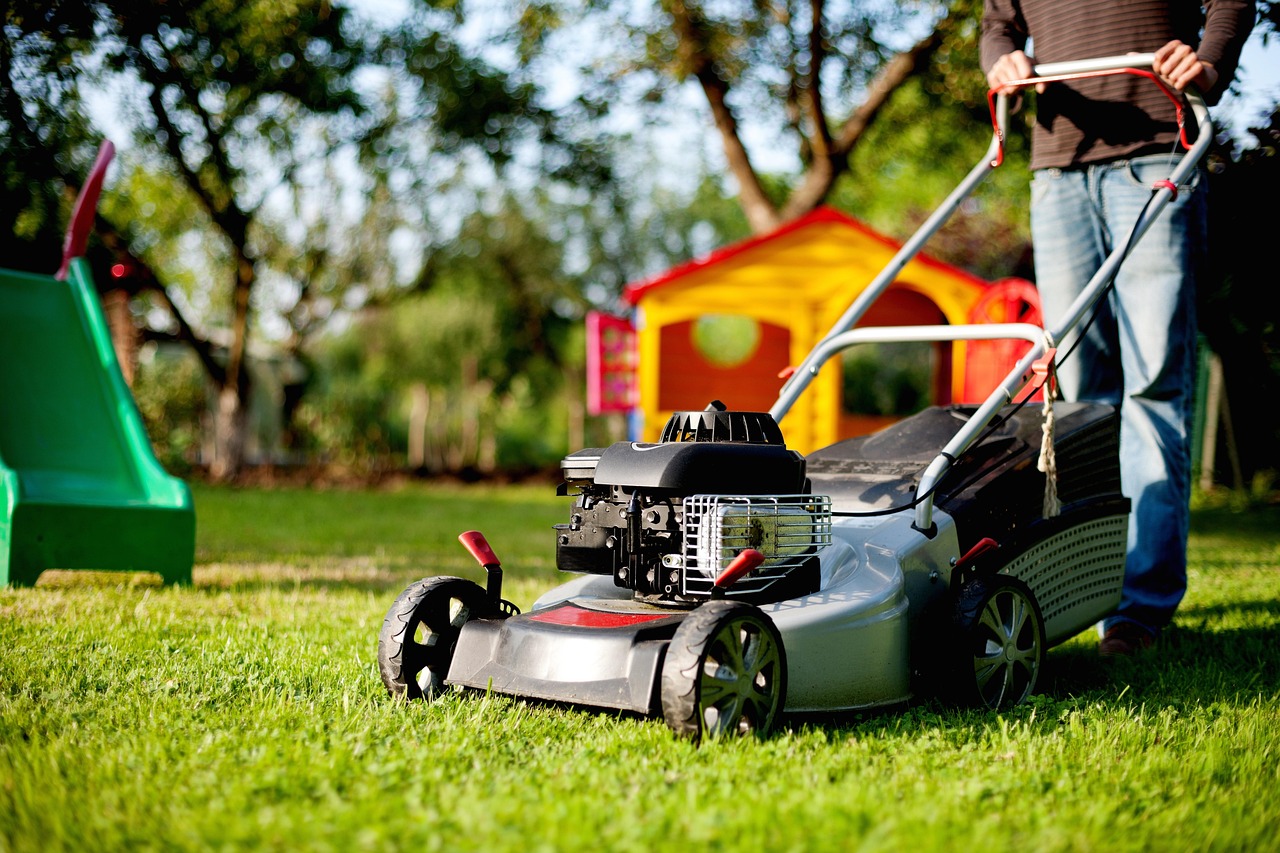
Keep the newly seeded lawn well watered and even lightly mulched with chopped up grass or straw. Don’t mow the area until spring. Other tasks to do this time of year are aerating your lawn with an aeration machine or an iron fork for smaller lawns, fertilizing with a slow release lawn product, topdressing the lawn with a 1/4 inch thick layer of compost and over seeding thin lawns with mow grass seed. Mow the lawn, and fallen leaves, leaving them on the grass. They will feed the lawn. If you have too many leaves, rake off some and use them as mulch in the garden. All of these activities will create a thicker, lusher lawn that’s less likely to brown in a drought and become full of weeds.
Learn More about Fall Lawn Care here
Watch My Webinar on Lawn Care and Growing A Bee Friendly Lawn here

How to Grow: Figs
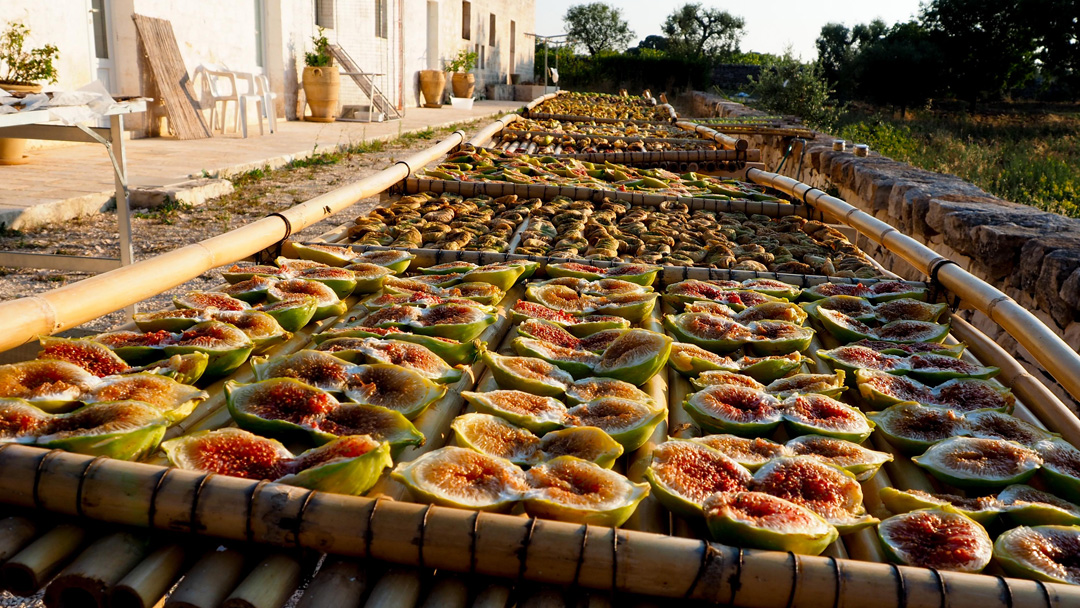
For gardeners in zones 7 and warmer, figs can be more of a nuisance tree than a special landscape plant. The fig trees are hardy in these zones and grow large, producing more fresh figs than you can eat. But for gardeners in colder areas, growing fresh figs are a treat. We live in zone 5 and we grow figs in an unheated greenhouse and in pots. Both methods work. Let me explain them to you.

We have an unheated greenhouse where we grow a ‘Hardy Chicago’ fig tree. Each year I cut back the tree to 1- to 2-feet off the ground and wrap it with a heavy weight, floating row cover. It’s been able to withstand -20F temperatures this way. In spring I prune off the small branches and let the larger ones form fruit. By August the tree has reached the ceiling and is fruiting until late October.
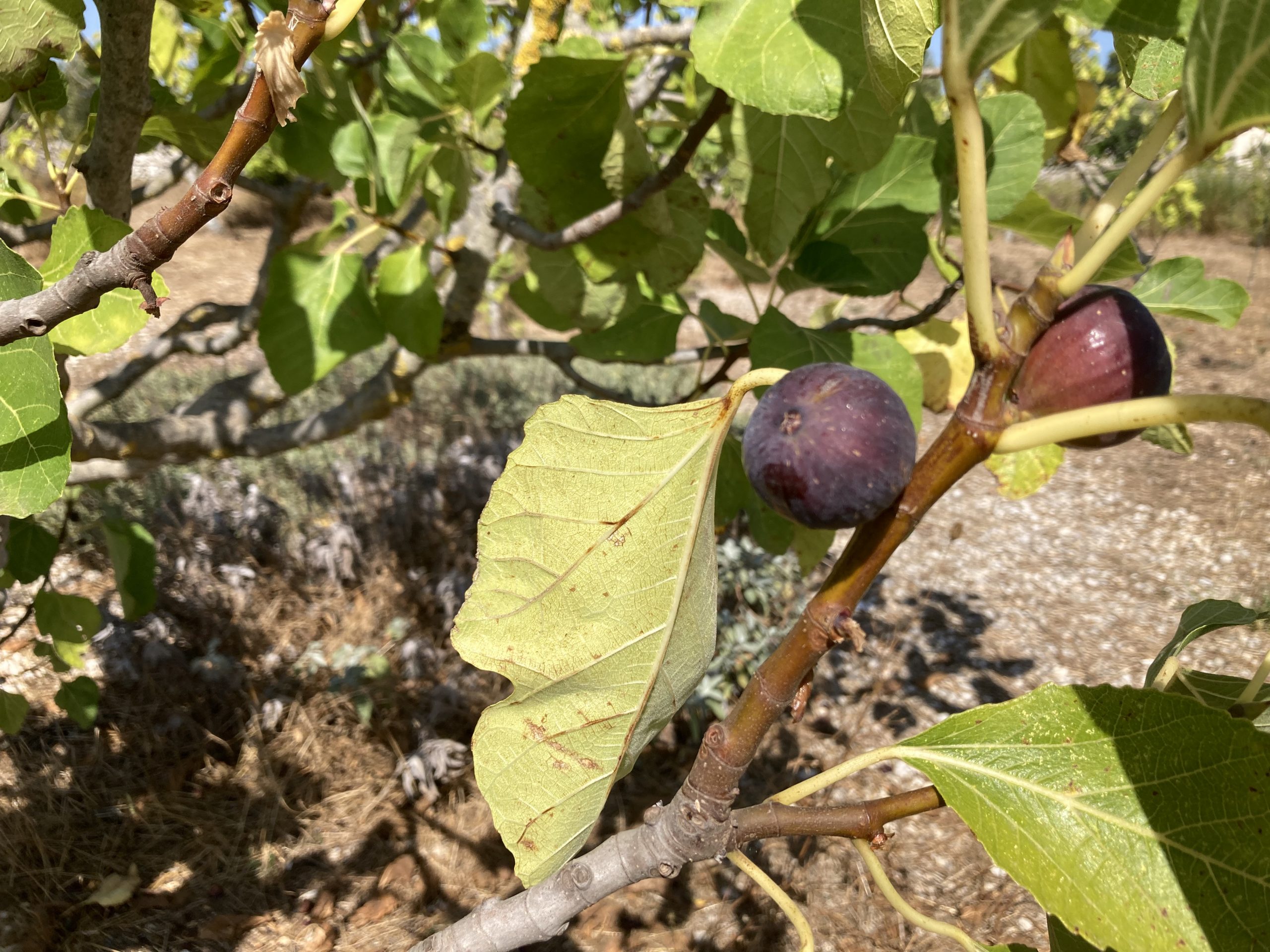
For containers, we have ‘Brown Turkey’ and ‘Celeste’ varieties in pots. They are 10+ years old and only 6 feet tall. The container keeps them dwarf. They are in 22-inch diameter pots filled with a mix of potting soil, compost, organic fertilizer and lime. Every few years I pull the trees out of the pots in early spring and root prune them to keep them small and to refresh the soil mix. I place the trees on the South side of a garage in the warmest spot in our yard and keep them well watered. By August, they are producing figs. In fall, I let the leaves yellow and drop and before temperatures dip into the mid 20Fs, we move the figs into the basement to stay dormant overwinter. Once in a while I may add some water to the pot, but mostly they will stay there until March. Once they wake up, we move them into the garage where it’s protected from frost and then outdoors once it’s warm.
Learn more about Growing Figs in a Pot here
Jack O Planterns

Halloween is right around the corner and many families are buying or growing pumpkins for carving. That’s always a fun activity with kids and grandkids. This year instead of just painting or carving the pumpkins with scary faces, why not be more creative and make planters out of them?
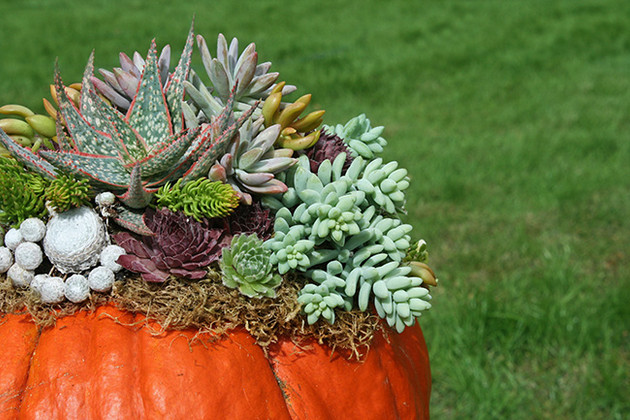
Jack O Plantern is a term I first heard in Canada. It’s a hollowed out pumpkin filled with potting soil and plants. It makes for a decorative look on your porch and some of the plants can be replanted into your landscape. First, select a large pumpkin of any color. Cut out the top and hollow out the pulp and seeds. You can even cut out eyes and a mouth to decorate, too. Apply petroleum jelly to all the cut surfaces to slow the dehydration process down. Fill the pumpkin with potting soil.
Then get creative. You can choose perennial plants from local garden centers or your own yard to decorate the pot. You can choose houseplants that can be moved indoors after the big day. Just protect those from a hard frost. You can even plant edibles and annuals, again from a garden center or your own garden. Consider some tall showy grasses or cabbages popping out of the head as hair and some quirky succulents for funky eyes and mouth. Have fun with the planter and after it starts to collapse, move the plants into your garden, house or the compost pile!
Learn more about Jack O Planterns here
In Our Garden: Pumpkins Seeds
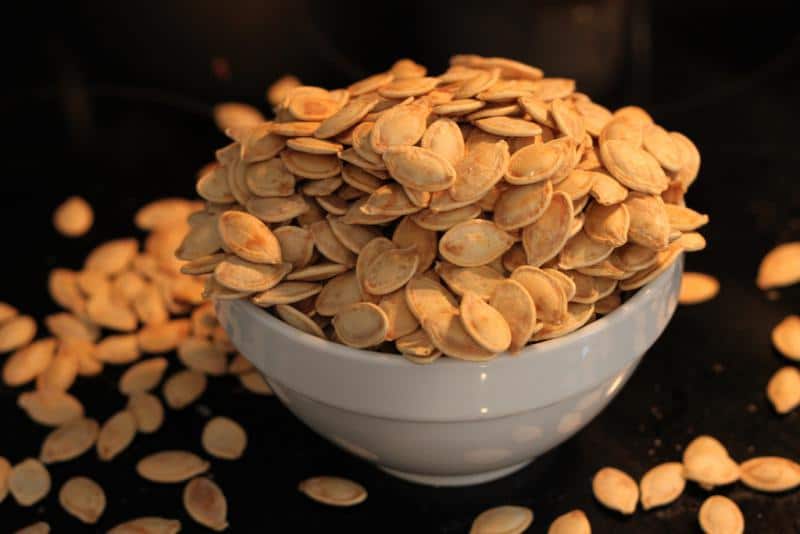
If you made a Jack O Plantern, or any Jack O Lantern this October, remember to save the nutritious pumpkin seeds. I think the best seeds are from the field pumpkins. They are large, crunchy and easy to clean. But any pumpkin or winter squash seeds will work.
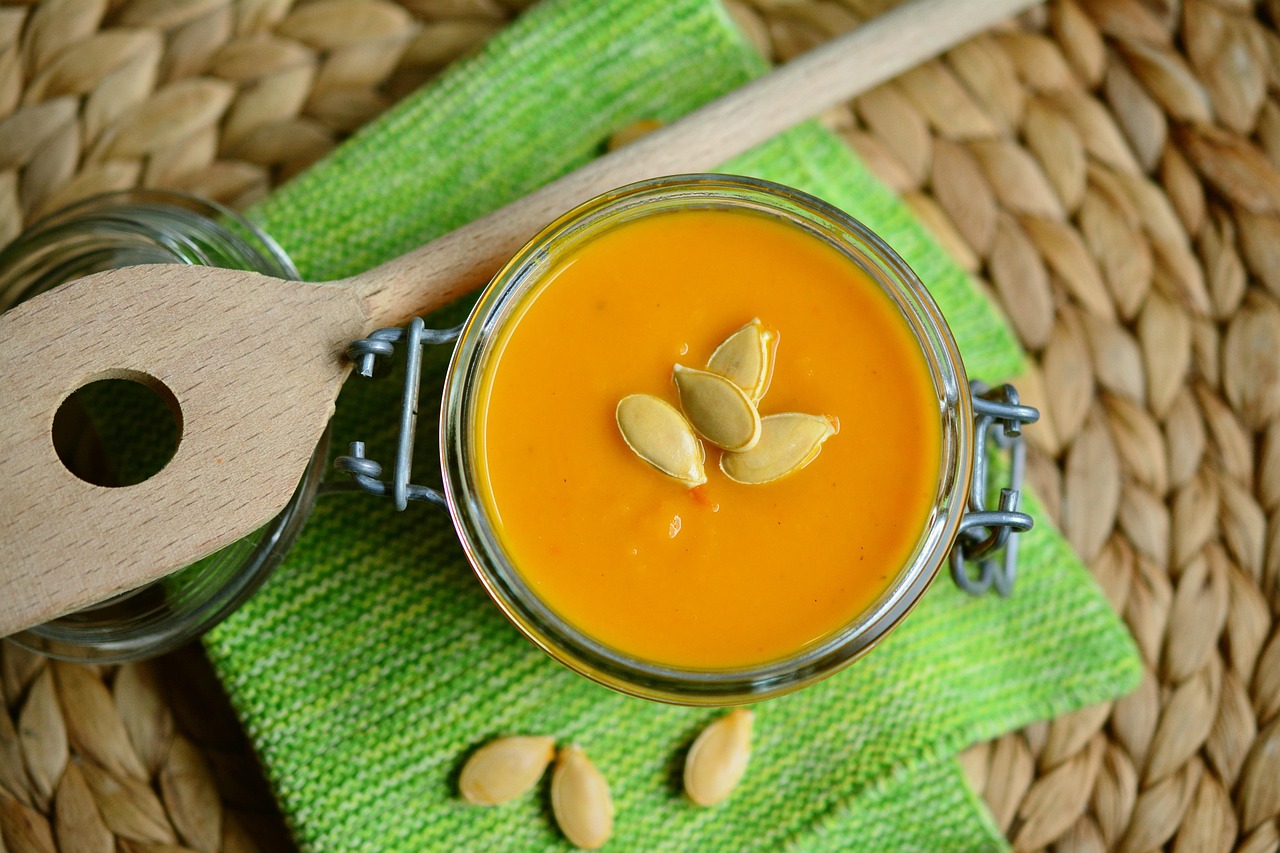
Remove the seeds from the pulp and wash them in a bowl of water. Once clean, then you can cook them. The easiest method is to roast them. For the crispiest seeds, boil seeds for 10 minutes in salted water before roasting at 350 degrees F (325F for sweet seasonings). Toss the seeds lightly in some oil before roasting. While most people add salt and oil to roast seeds, there are creative recipes, too.
You can get creative with your pumpkin seed spices. The nutty flavor pairs well with butter, salt, and many spices. You can add sugar and sweet seasonings to make the snacks more appealing. Go Mexican using different types of chili powders, lime, garlic, and salt to make a spicy pumpkin seed. Go Asian by spicing pepitas with garam masala, chilis, and turmeric. Some people even use them in pestos, soups and cookies. Experiment with small batches to find the mix that you like best.