Trees with Interesting Bark, Lasagna Gardening, Overwintering Figs, and New Book Signing Event

The calendar has turned to November. It’s officially “stick season” in Vermont. I like this time of year for the quiet in the forest, ease of hiking and lack of crowds. In the garden, it’s also a time to appreciate your trees. There are many that feature interesting bark colors and textures. I talk about trees with interesting bark in this newsletter.
While we are slowly (due to a warm fall) wrapping up the vegetable and annual gardens, one task that is perfect for this time of year is building a lasagna garden bed. Many of you know I’m a no dig practitioner. Lasagna gardening is just another name for no dig. I walk you through building a bed now so you’ll be ready to plant it in the spring.
We’ve moved our container figs into the basement for winter in our zone 5 climate. I talk about growing container fruit in this newsletter and feature a new book all about fig growing in the North. Read more here.
Finally, I’m doing a talk/book signing on November 14th in Montpelier, Vermont. If you live in the area, stop by. It will be different for me because I’m doing the talk with another book author, Robin Crofut Brittingham featuring her new book, The Illuminated Book of Blooms. I’ll be featuring my Continuous Vegetable Gardening book for sale and signing. Check out about this free event below.
Until next time I’ll be seeing you, in the garden.
Charlie
Where to Find Charlie: (podcasts, TV and in-person)
- In the Garden (WCAX-TV CBS) – This week: Apple Taco Recipe
- All Things Gardening on Vt Public Radio– This week: Fall Gardening Chores Part 1
- WJOY In The Garden Podcast– This week: Over-seeding your lawn, watering houseplants, cleaning up garden beds for the winter, saving potting soil and more!
- Where’s Charlie Speaking? North Branch Nature Center, Montpelier VT 11/14/26. Continuous Vegetable Gardening Book Signing
Trees with Interesting Bark
In the North, it’s easy to be disappointed after a few hard freezes has brought an end to the gardening and the leaf peeping season. The landscape turns brown, skies turn grey and it’s time to catch up on those Netflix shows and books you’ve been missing all summer. But fall and early winter, before the snow flies, doesn’t have to be uninteresting. There are many trees that have interesting colored and textured bark that adds beauty to the fall and winter landscape. Here are some of my favorites.
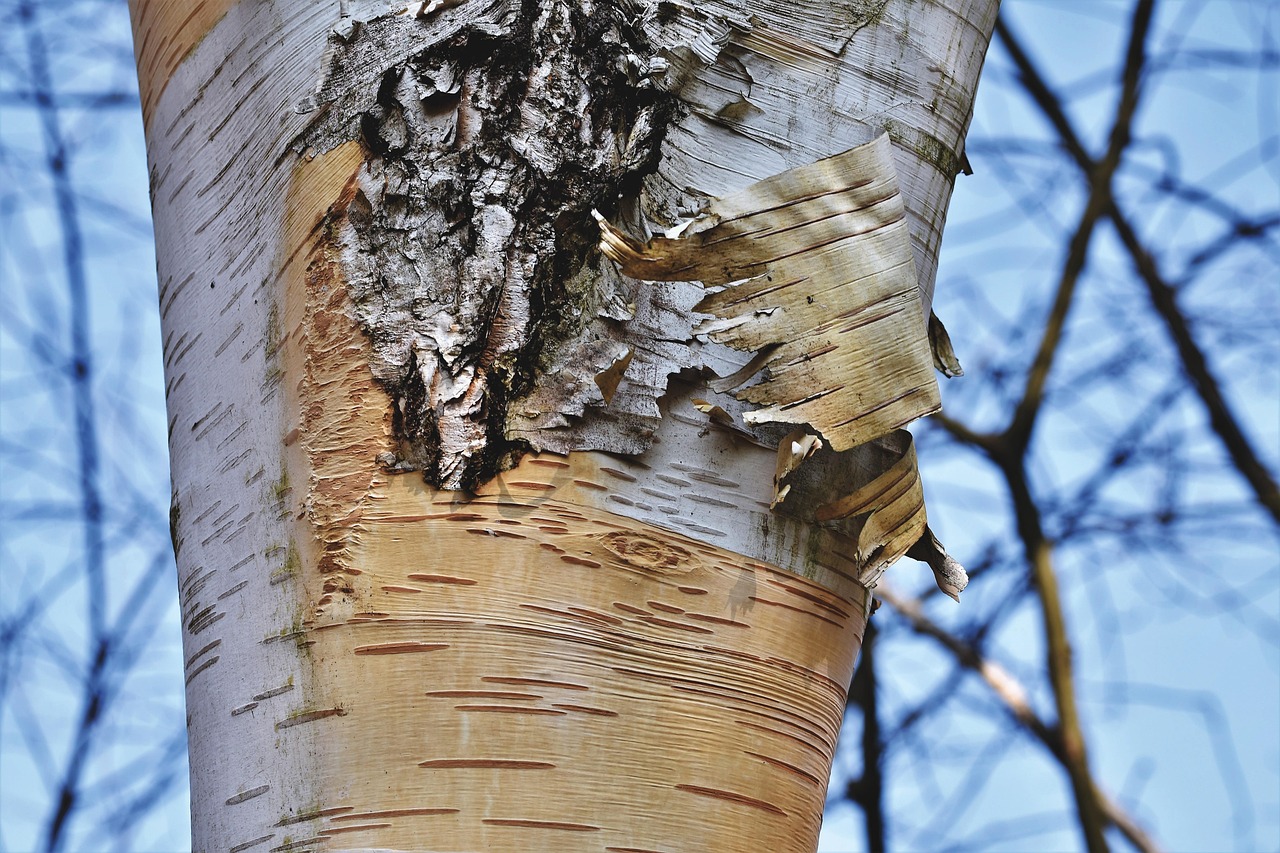
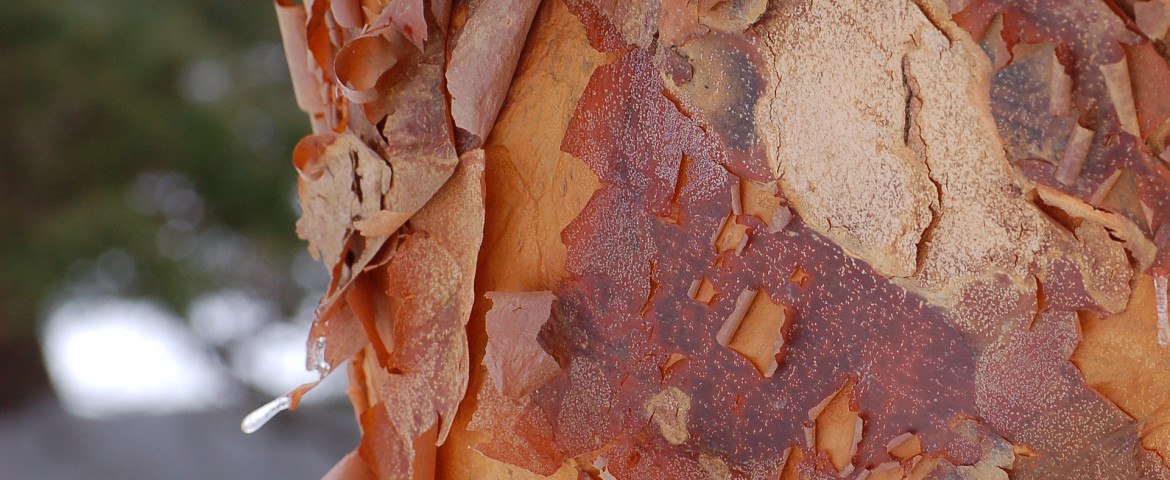
Of course, birches are high on my list. My neighbor has a beautiful grove of river birches that have tan and pink colored peeling bark. There are paper birch and white birch trees that offer color and texture, too. Another peeling bark tree that adds beauty to the landscape is the paperbark maple (Acer griseum). It features copper colored, peeling bark that contrasts nicely with the winter snows.
For big trees, you can’t beat the American sycamore (Platanus occidentalis). This native tree grows large and quickly. It has exfoliating bark that’s a mix of white, green and grey layers. Just make sure you give it lots of room to grow. One of my favorite trees is the dawn redwood (Metasequoia glyptostroboides). It’s a fast growing needled tree that’s deciduous. It looks like a coastal redwood, but drops its needles in fall. That’s okay because it reveals the brown colored and textured redwood bark that is beautiful. Another native tree that’s growing in our backyard is the shagbark hickory (Carya ovata). It’s a slow growing tree with large pieces of exfoliating bark. The bark actually provides a home for bats. It’s a beauty in our landscape.
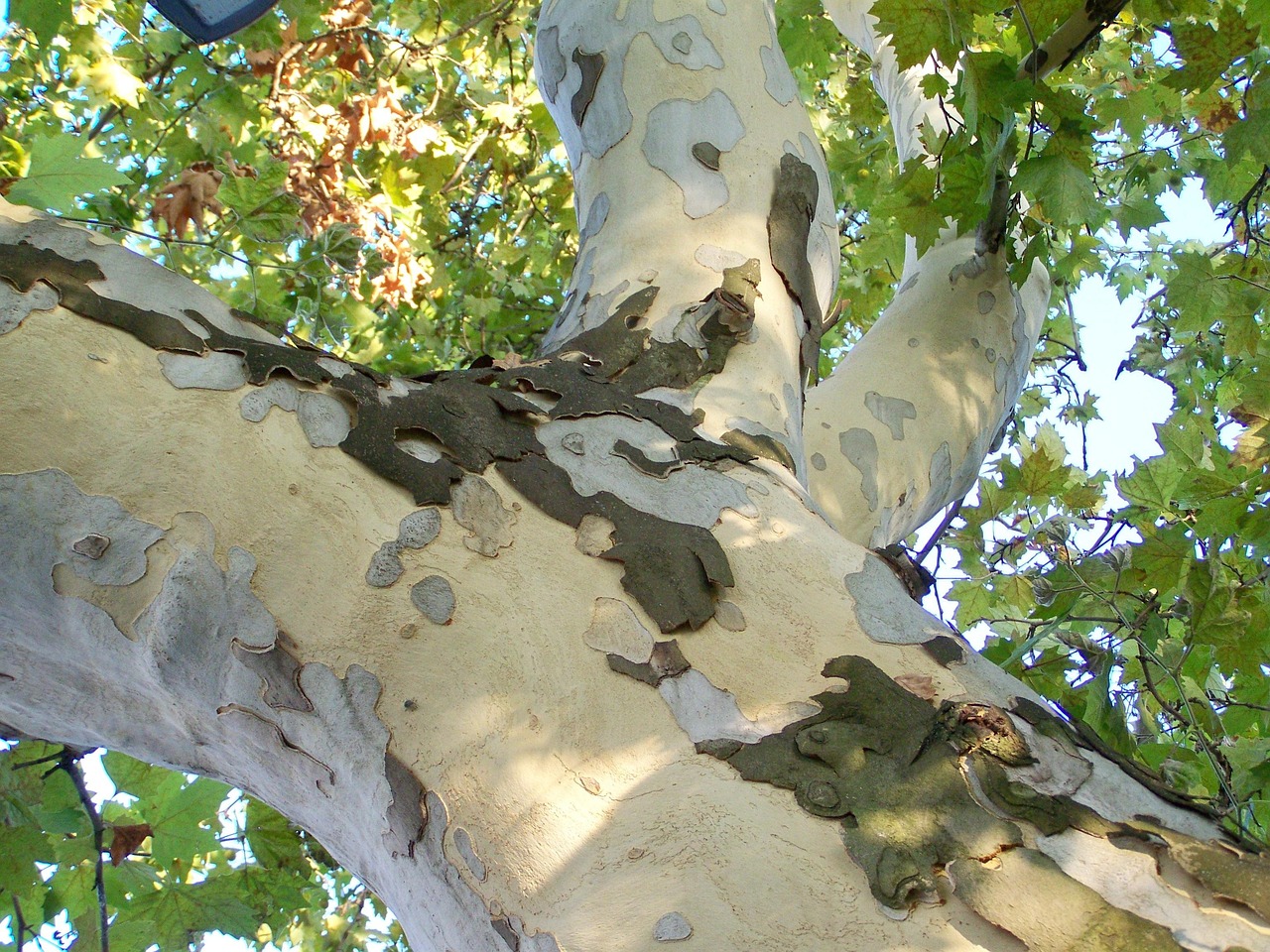
You don’t often think of lilacs as having interesting bark, but the Japanese tree lilac (Syringa reticulata), is a small tree version that has bronze colored, peeling bark. A small, attractive tree our neighbor has is the Seven Sons tree (Heptacodium miconioides). It features clusters of fragrant white flowers in late summer and exfoliating brown bark with some green colored inner bark in winter.
Learn More about Trees with Interesting Bark here
How to Grow: Lasagna Gardening

If you’ve been reading my newsletters and have heard me speak in webinars or in person, you know I’m a big no dig gardening practitioner. No dig gardening or lasagna gardening is a way to reduce the work load in your garden, create healthy beds with less weeds and not harm the precious microbial life in our soils. No matter what type of native soil you have, you can always build a no dig or lasagna bed on top of it. There’s no turning, tilling or digging involved. Here’s the steps to building a no dig bed. Do it now and it will be ready for planting in spring.

Mow the area for the new bed close to the ground with your lawn or brush mower. Then add layers like a lasagna. Add 4 layers of a moistened black and white newspaper over the area. Don’t try to spread it on a windy day or you’ll be chasing the newspapers all over the yard. (If it’s a heavily weedy area, use corrugated cardboard with all the tape, staples and materials removed. Add some drops of vegetable oil on the cardboard. If it soaks in, go ahead and use it. If not, don’t use it). On top of the newspaper, lay layers of straw, hay, grass clipping from untreated lawns and chopped leaves. On top of the last layer, add a 2- to 3-inch thick layer of compost. Through the fall and winter the layers will kill the grass leaving the nutrient rich, decomposed sod in place. Earthworms and other soil microbes will feed on the newspaper and organic matter turning it into humus. By spring your bed is ready to plant. Pop seeds or transplants into the compost layer and water. It’s that simple.
Learn more about Lasagna Gardening here
Learn about my No Dig Gardening Webinar here
Overwintering Fig Trees
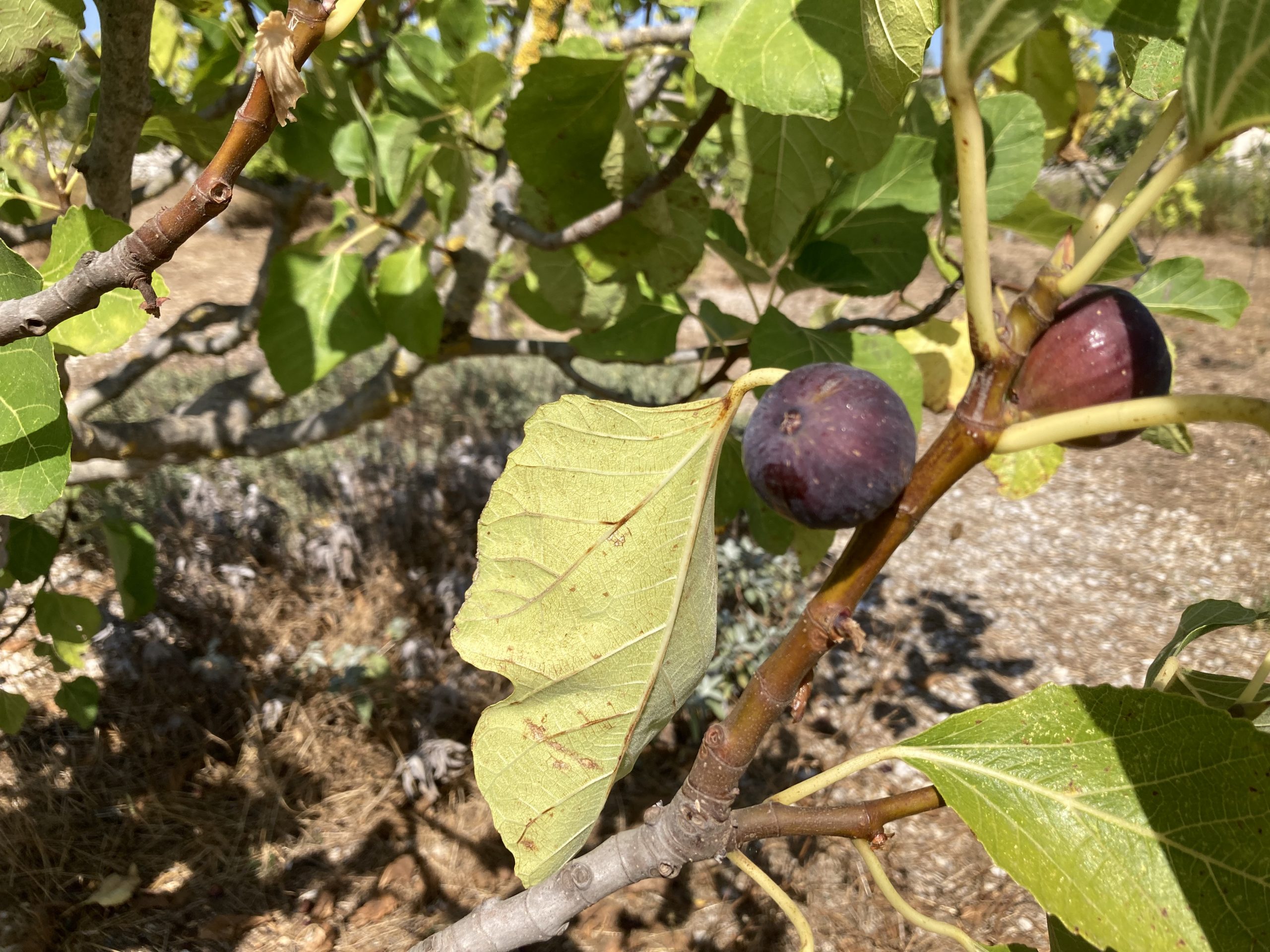
I love growing fresh figs, even in our zone 5 climate. We grow them in our unheated greenhouse in the ground and in containers outdoors. For the greenhouse fig, we grow ‘Hardy Chicago’ and cut it back to 1- to 2-feet from the ground in late fall and wrap it with a heavy weight floating row cover. It has survived -20F in our greenhouse this way. For our container figs, there’s a little more work involved. Here’s what we do.
In early November after the leaves drop, we move the containers to a cool, dark location to overwinter. We move ours into our basement, but an unheated garage or shed would be okay. As long as the temperatures don’t dip into the low 20Fs in winter, they should be okay. If they do, consider wrapping them with some blankets or insulation. I periodically check them in winter. Usually they just stay dormant until March, but because our basement is warmer than they like (50F), they may start leafing our earlier. Don’t worry, they will be fine.

Come April we move them into our garage once the coldest part of winter has passed. They stay there until May when I take them out of their pots, root prune them and remove some of the old potting soil. I add a mix of new potting soil, compost, organic fertilizer and lime and water well. They I place them in a hottest spot in our yard to grow and fruit come September.
To really learn how to grow figs in the North, check our my friend’s new book, “Grow Figs Where You Thinks You Can’t”. Steve Biggs lives in Toronto and has been growing figs successfully there for years. He also has a podcast and on line courses you can take about growing figs, citrus, olives and more! His books make great holiday gifts.
Learn more about Overwintering Figs here
In Our Garden: New Book Signing Event
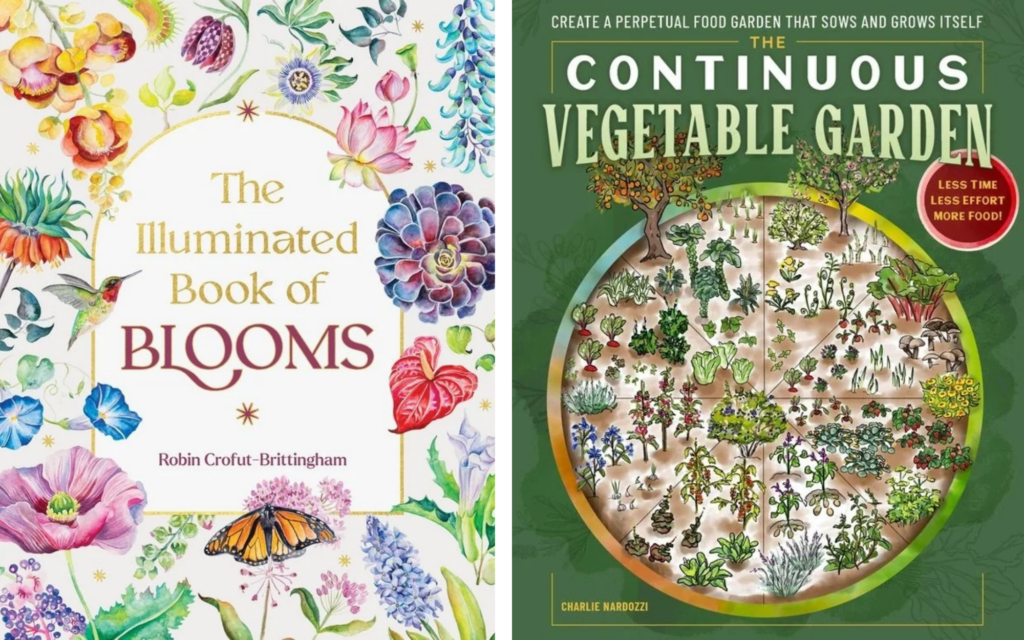
Fall is a great time to catch up on some reading for gardeners who are so used to being outdoors. Many of you know about my latest book, The Continuous Vegetable Garden. It’s a popular book showing ways to garden more in tune with Nature, while growing a garden that sows and grows itself! Well, I have a new event that not only features me talking about Continuous Vegetable Gardening and signing and selling my book, but doing it with my friend, Robin Crofut Brittingham. She also has a new book out called The Illuminated Book of Blooms. So, we’ll be speaking and selling books together on Saturday, November 14th, 2026 from 2pm to 3:30pm at the North Branch Nature Center in Montpelier, Vermont.
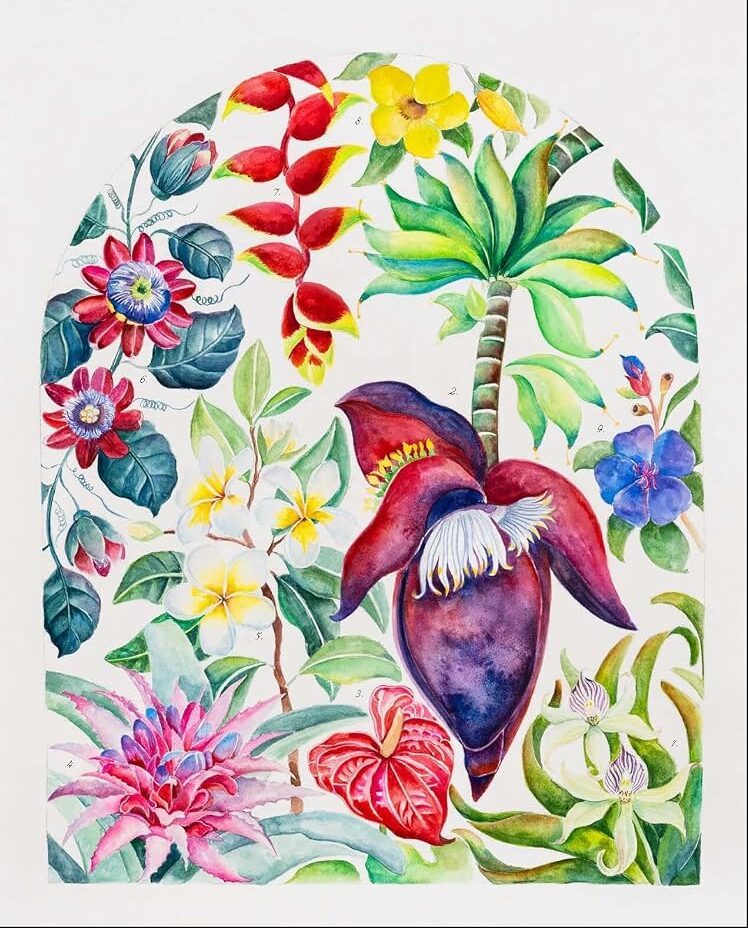
While my book is all about the practical techniques to grow vegetables, herbs and fruits in a small yard using perennial and self sowing vegetables, companion planting, interplanting and succession planting, Robin’s book is a treasure. Robin is a visual artist. In her book she has created stunning, one-of-a-kind, lush, large-scale paintings of iconic blooms from across the globe. The book presents flowers together — grouping them by geography and family, and in special categories like medicinal, poisonous, and nocturnal — and delights in exploring their cultural and mythological significance. Each plant also receives an individual spotlight, with curious facts that will surprise new and seasoned flower lovers alike in a unique botanical adventure. Her book is beautiful and educational.
We’ll each give a brief talk about our books, answer questions about the books and gardening, and then sign and sell the books afterward. It’s a great opportunity to learn a little about gardening, be inspired and purchase a few holiday gifts for the season. Come join us. The event is free, but please RSVP here.
Learn More about my Talk, the Event and Book Signing here