Exciting Echinacea, Loving Cilantro?, Summer Blooming Clethra and Controlling Cabbageworms
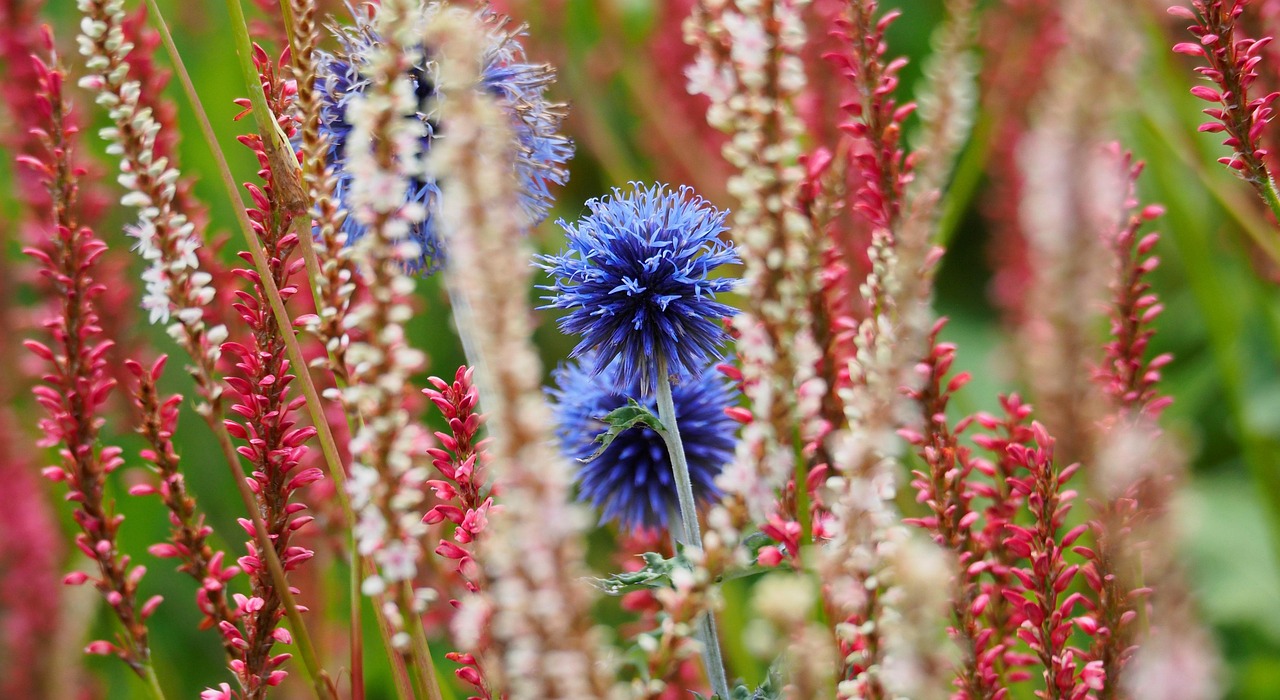
Happy 4th of July weekend. I hope you find some time to celebrate our anniversary as a nation. One of the joys of living in America is the diversity of plant life and gardening climates. Wherever you live I hope the gardening season is going well.
The latest hot spell has pushed many perennial flowers to bloom early in our garden. The one we’re noticing now is echinacea or purple coneflower. This native plant has gone through a breeding revolution with lots of new, colorful varieties. I talk about some of the best new ones and how to grow them here.
Cilantro is one of those herbs you either love or hate. My wife is one of the 21% of Americas who say cilantro reminds them of eating soap. But I love it. It’s too hot for cilantro right now, but there are ways to grow it to have a constant supply from the garden. Learn more here.

Most shrubs in our zone 5 garden have finished flowering for the season. Some, such as hydrangeas, will continue until frost. But there’s one other that’s a favorite that’s just starting to flower soon. Clethra or pepperbush, is a part shade loving, large shrub that blooms in mid summer. Bees and butterflies love it and it has a fragrant bloom. Learn more in this newsletter.
Lastly, I’m starting with this newsletter to cover common pests in the garden this summer. In this issue I talk about cabbageworms. These small, green caterpillars love any plant in the broccoli family. Learn how to control them here.
It’s not too late for a pot! Take a look at my monthly garden blog I write for Proven Winners called What’s Up North. This month I talk about Mixing and Matching Flowers in Containers in the Northeast. You don’t have to have a large yard to grow lots of flowers. Containers are a space saving solution that many gardeners overlook. In this blog I talk about different containers, flower combinations for sun and shade and mixing annuals with perennials in a pot. Check out my blog on Mixing and Matching Flowers in Containers in the Northeast, here.
Until next time I’ll be seeing you, in the garden.
Charlie

Where to Find Charlie: (podcasts, TV and in-person)
- In the Garden (WCAX-TV CBS) – This week: Mosquitoes
- All Things Gardening on Vt Public Radio– This week: Perennial Geraniums
- WJOY In The Garden Podcast– This week: Basil, sowing carrots, pruning Spirea, where to place those Japanese Beetle traps, treating tomatoes for blossom end rot.
- Where’s Charlie Speaking? 8/5/26: Continuous Vegetable Garden, Ct Plant Science Day, Hamden, CT
How to Grow: Echinacea
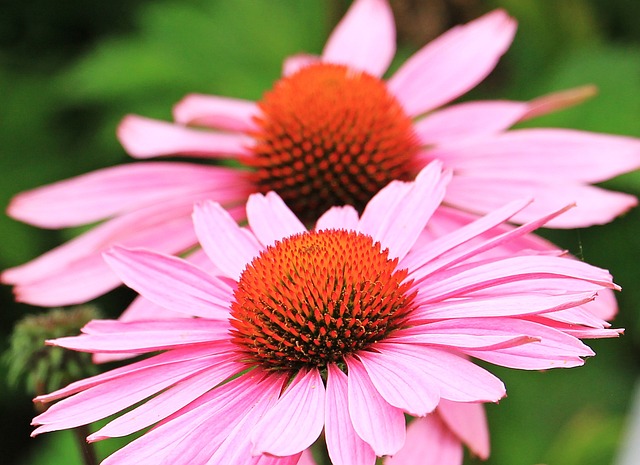
This native perennial has gone through many changes since being discovered as a popular, and important, garden plant. It’s native to the Midwestern prairies, is hardy, tough, and a favorite of pollinators and butterflies. With more recent breeding the color range as expanded. Echinacea purpurea or purple coneflower is the most popular, but there are other species of echinacea including E. pallida and E. paradoxa. Echinacea pallida has pale pink petals, while Echinacea paradoxa has yellow flowers.
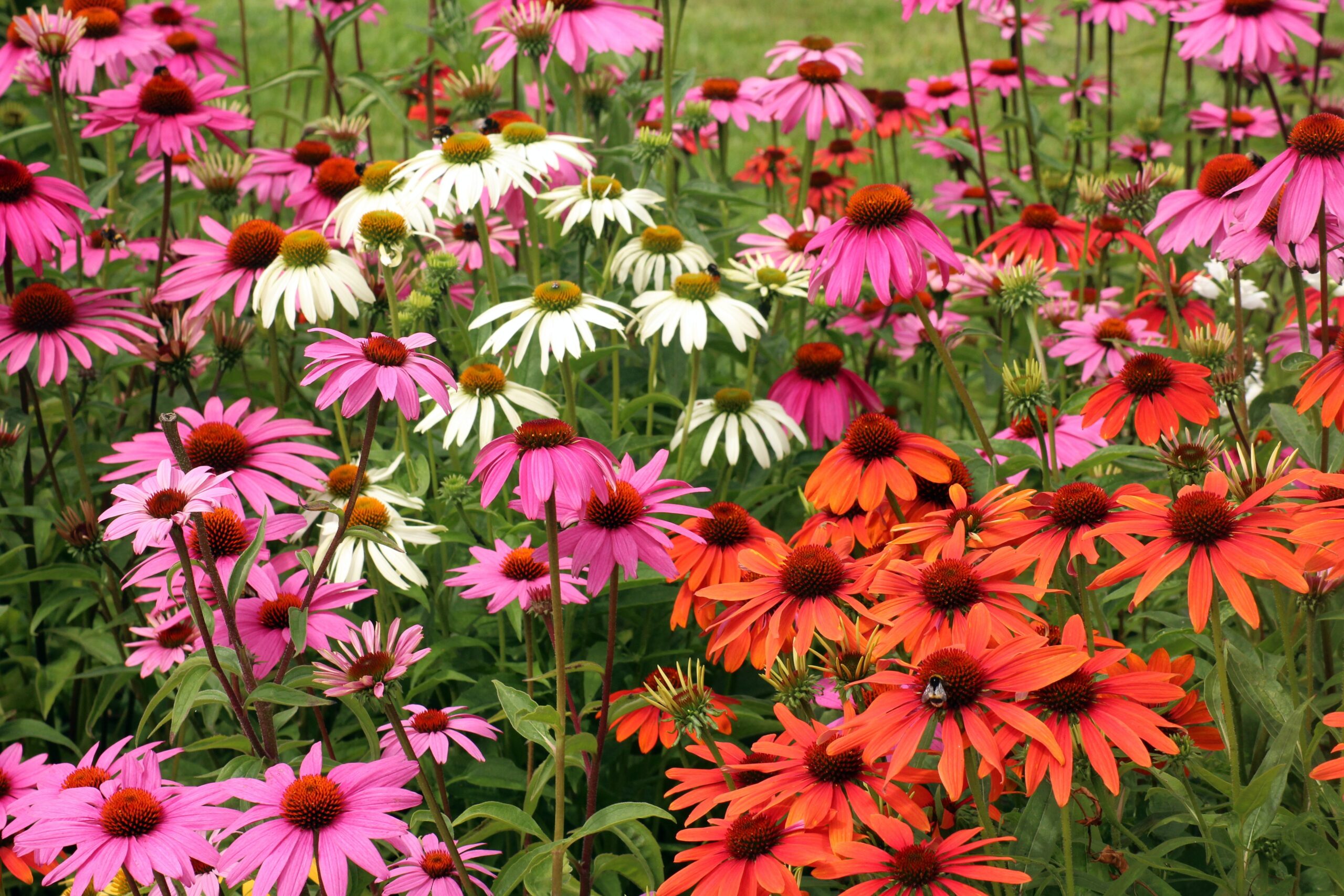
‘Magnus’ is a purple coneflower with a boost. It has pink petals that point straight out giving it a large appearance. This award winning echinacea is more compact as well, fitting into small spaces easily. ‘White’ Swan’ is a white version. There are some great, hybrid echinacea, too. ‘Artisan Soft Orange™’ feature orange colored petals on a 16-inch tall plant that’s perfect for a container. ‘Sobrero Poco Hot Coral™’ is a similar, coral colored version. FRESCO® Apricot’ freshens up your garden color pallet with peach and pink tones. However, I would avoid some of the hybrids that feature double flowers such as ‘Milk Shake’ and ‘Hot Papaya’. They are attractive plants, but they aren’t useful for pollinators.
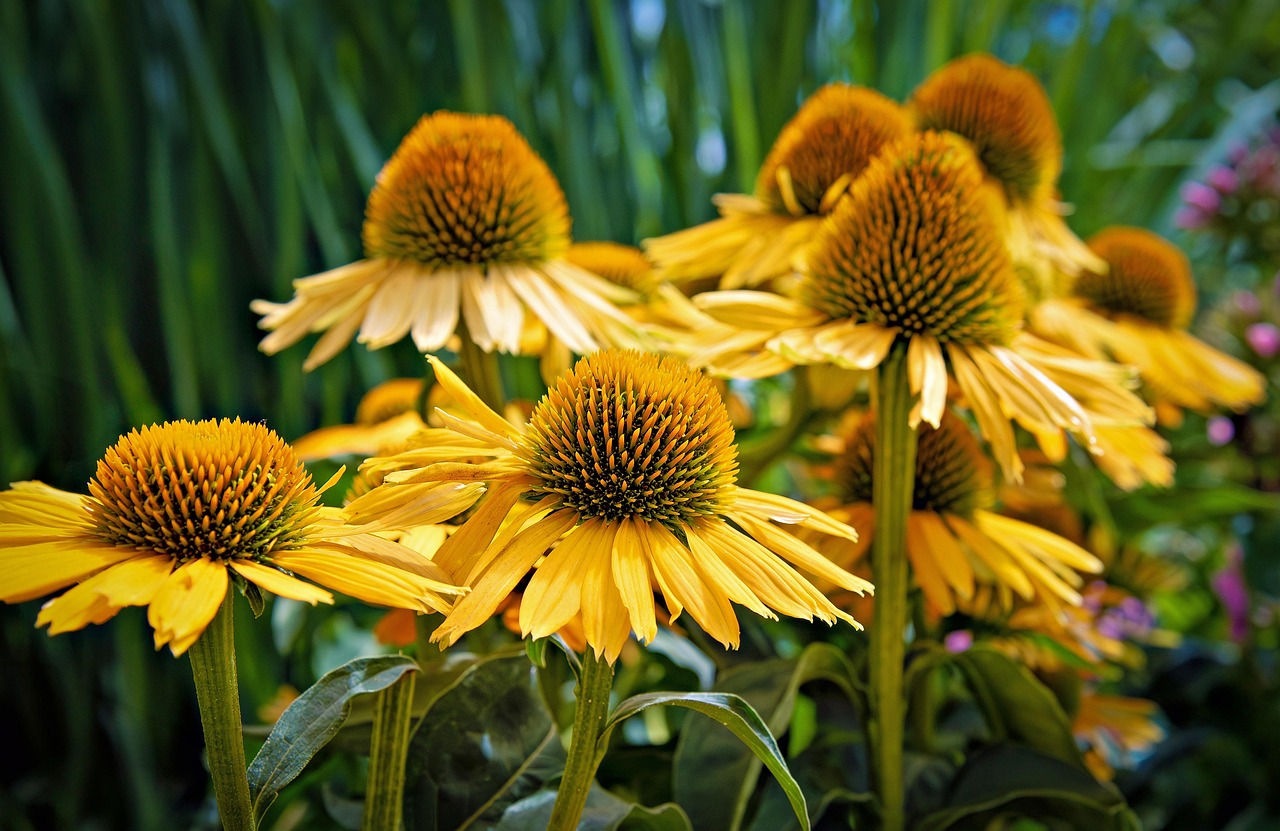
Echinacea are tough plants. That bloom best in full sun, but can take part shade. They grow well in sandy to clay soils and once established are heat and drought tolerant. They do like well drained soil. The flowers are favorites of bees, pollinators, and butterflies and deer avoid them. In fall, the seed heads are favored by birds, such as goldfinches, for their seeds. The species versions of echinacea do self seed and pop up randomly in your garden. I’ve noticed that the purple coneflowers (E. purpurea) will out compete other echinacea colors, if you don’t watch out. The slightly fragrant blooms make great cut flowers as well.
Learn More about Growing Echinacea here

Cilantro
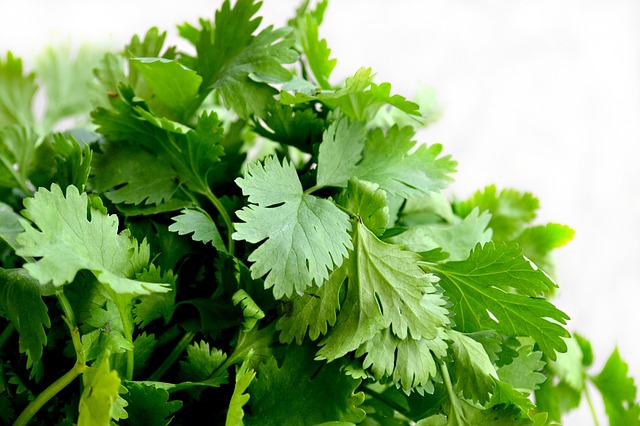
Cilantro is one of those herbs that gardeners either love or hate. It’s a key ingredient in salsa and many other recipes, but over 20% of people think it tastes like soap. My wife is one of them. This genetic tendency ruins cilantro for those folks, but the rest of us can still enjoy it.
The key with cilantro is to start sowing seeds early in the season and continue sowing throughout the summer. Cilantro grows best in cool weather. Cilantro leaves are what we all love, so slowing down the bolting, or going to flower, is important. Sowing new batches every few weeks should keep you in cilantro through the pepper and tomato season. Some newer varieties, such as ‘Slow Bolt’ and ‘Santo’ are less likely to bolt as fast. Bolting occurs in response to hot weather, drought or damage. The plants flower and set seeds, which are the herb coriander. The white flowers are favorites of beneficial insects.
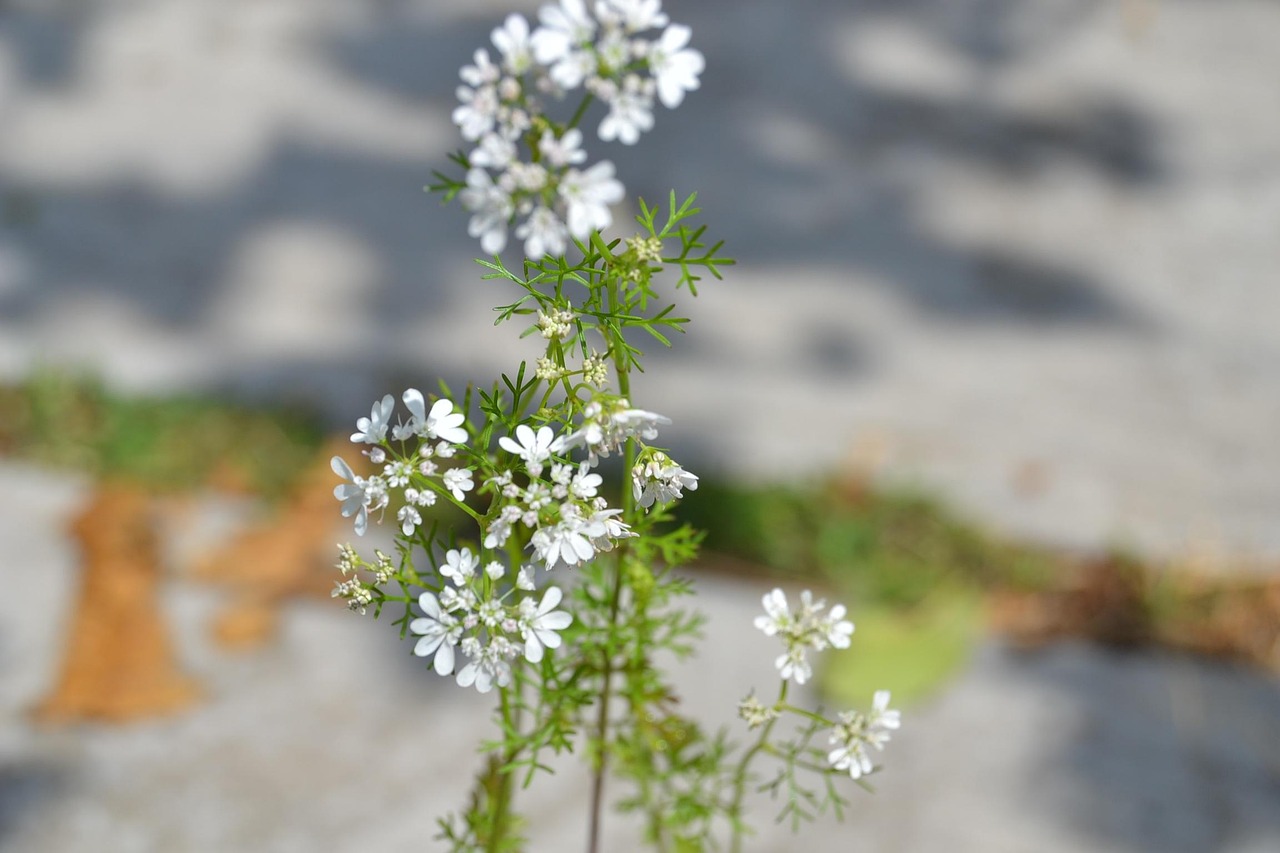
Plant cilantro in raised beds or containers on well drained soil. In summer, containers are a good option since you can move them into a part shady area and keep the soil better watered. Thin seedlings, once they emerge, to 4 inches apart. Mulch with grass clippings to keep the soil cool and moist. Warm, dry soils can cause early bolting. Keep well watered. Shade plants during the hottest part of the day with shade cloth in summer. Come late summer, you won’t need the shade cloth.
Harvest leaves as needed for salsa making, soups, and salads.
Learn more about cilantro here
How to Grow: Clethra
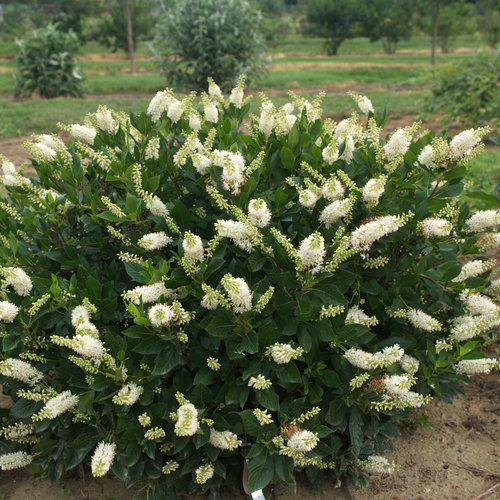
Other than hydrangeas, there aren’t many summer flowering shrubs in temperate climate gardens. One that gets overlooked often is clethra or pepperbush. This shrub can grow 6 feet tall and wide, but there are shorter varieties as well. It blooms in July with white or pink colored blossoms. ‘Hummingbird’ and ‘Sixteen Candles’ are more compact growing selections reaching only 3 feet tall and wide. The flowers have a sweet, clove-like scent. ‘Pink Spire’ and ‘Ruby Spire’ have pink flowers that also have a strong fragrance.
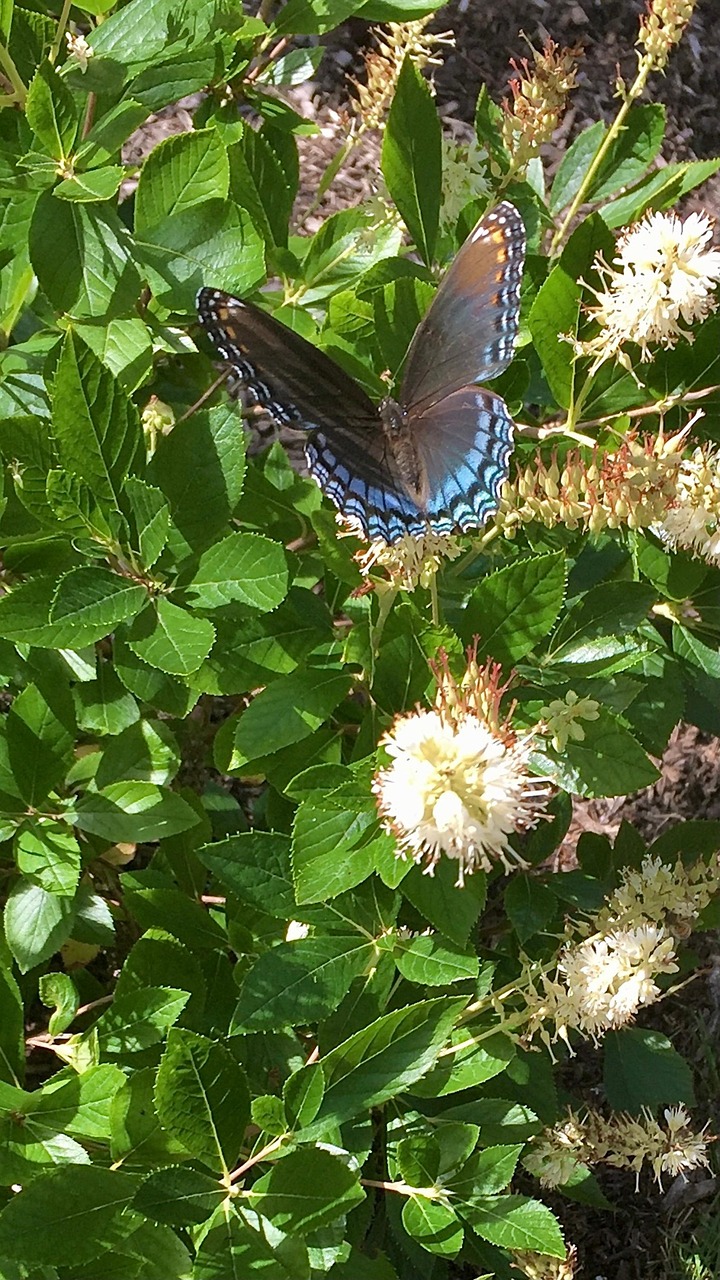
Clethra grows and flowers best in part shade. Morning sun and afternoon part shade is best. It likes well-drained, moist soil. Grow it near a screened porch to enjoy the fragrant flowers in summer while eating outdoors. Butterflies and bees love this shrub, so it’s a good one for pollinator gardens.
Clethra also looks great in a mixed shrub border with earlier blooming potentilla and dwarf spirea or in a hedgerow where it will sucker freely and fill in the space. It is salt spray tolerant, so good for ocean side plantings. Prune in early spring to reduce the height, remove older branches and stimulate new growth from which new flowers will form. Protect plants from deer and rabbit browsing by erecting a barrier of burlap, wire or wood in late fall while the shrub is small.
Learn more about Clethra here
In Our Garden: Controlling Cabbageworms
University of Wisconsin
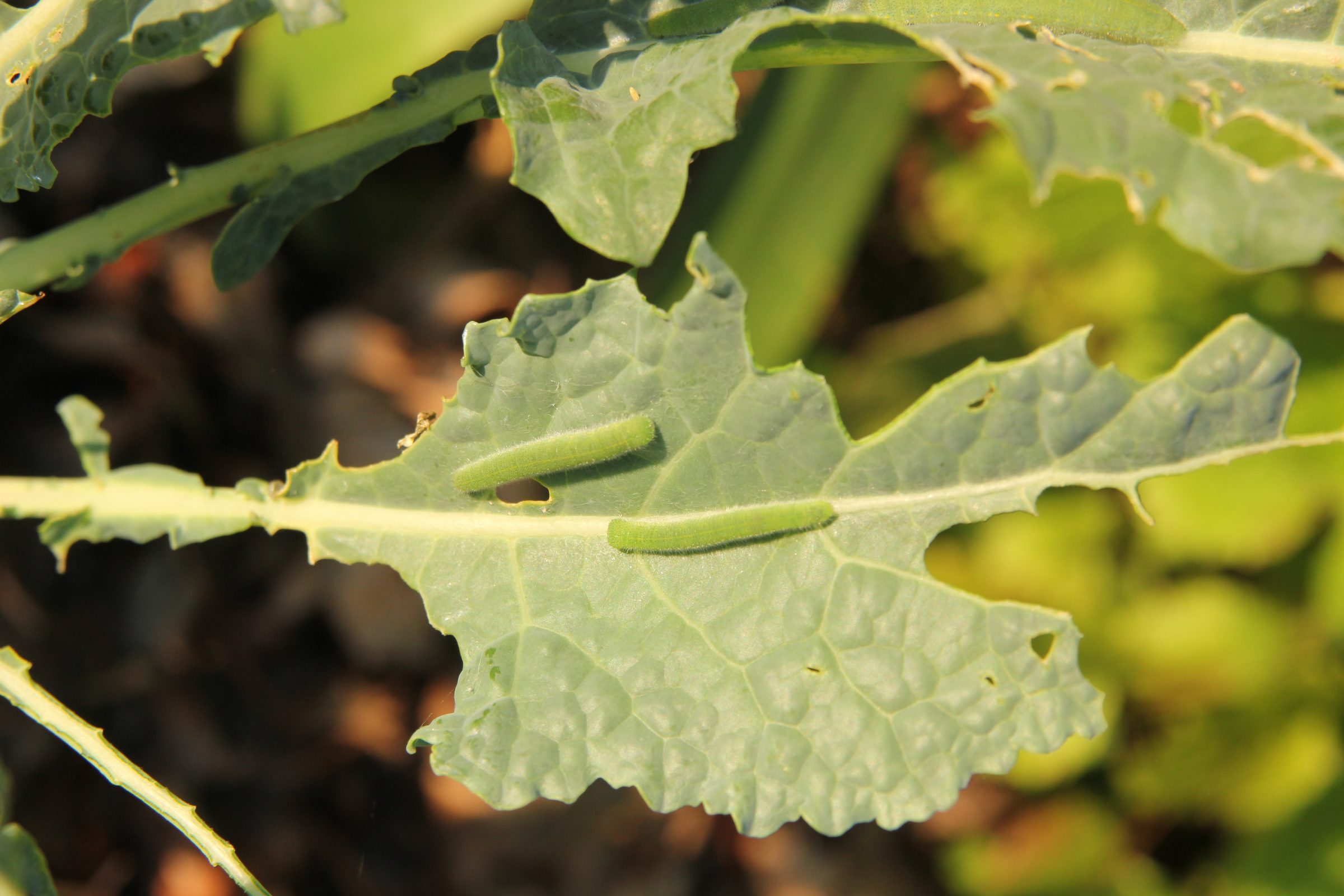
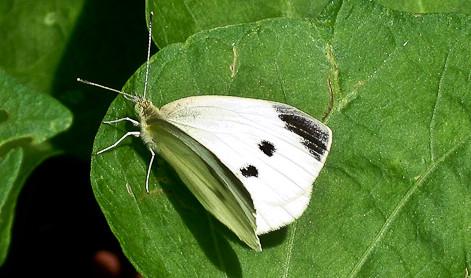
Summer means insects and pests are in the garden and its a good time to be watching out for them. if you’re growing any vegetable in the cabbage and broccoli family, including kale, Brussels sprouts and kohlrabi, one of the biggest insect pests is the cabbageworm. Cabbageworm and cabbage looper start as innocuous white butterflies with a black spot on their wings. These adults lay small, translucent eggs on the bottom side of the cabbage family plants. The eggs hatch into small green caterpillars and they feed on the leaves growing larger each day. Eventually they forma pupae and drop to the ground, creating the next generation.
University of Maryland
The damage can be severe, especially on young plans. Luckily, there are some good controls. The easiest is to cover your Brassica plantings with a lightweight, micro mesh row cover. This window screen-like material blocks the adult butterfly from landing and laying eggs on the leaves. It’s simple and easy to reuse. You can see and water right through the material.
Another option is to encourage parasitic insects into your garden by planting more flowers. A parasitized cabbageworm caterpillar will have white netting on it and the caterpillar will turn a brown color. You can also check for eggs and crush them. Finally, Bacillus Thuringiensis or Bt is an organic spray that kills caterpillars. Spray in the evening so the bacteria survives and to allow it to be eaten by the caterpillars to kill them. Just watch where you spray. Bt will kill all caterpillars including swallowtail butterfly larvae.