Hardy Hibiscus, Kooky Squash, Stunning Astilbe and Tomato Hornworm
Sharon Meyer
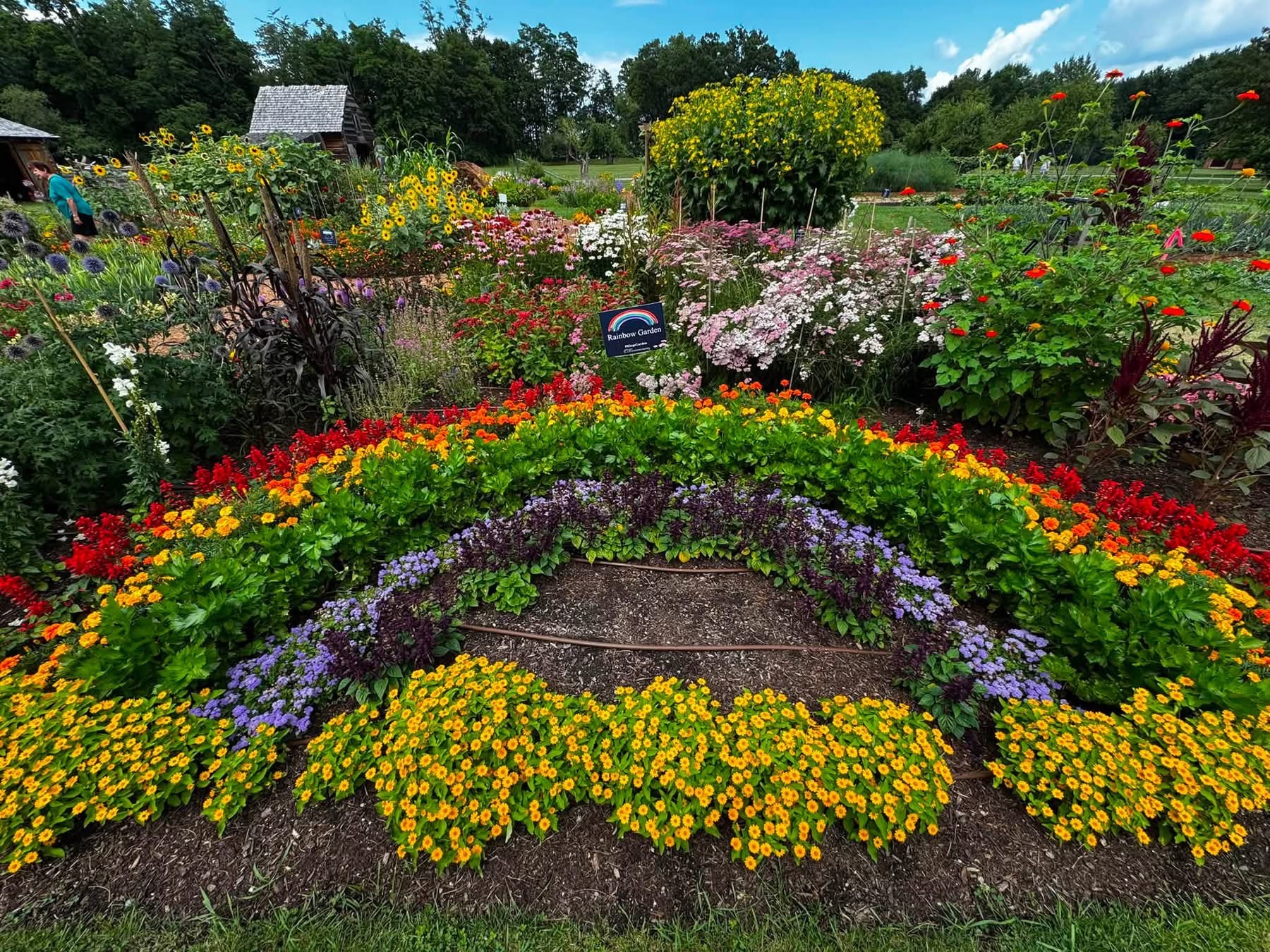
It’s August. In our zone 5 garden it feels like we’ve had lots of summer already and we still have August and September to go! That’s okay because those two months are famous for lots of vegetables and fruits maturing and elegant flowers blooming.
One herbaceous perennial flower that stands out this month is the hardy hibiscus. Unlike it’s subtropical cousin, hardy hibiscus will survive zone 5 weather. These large, “shrub-like” plant produces gigantic round flowers in bright colors that shine in the late summer garden. Learn more about growing hardy hibiscus in this newsletter.
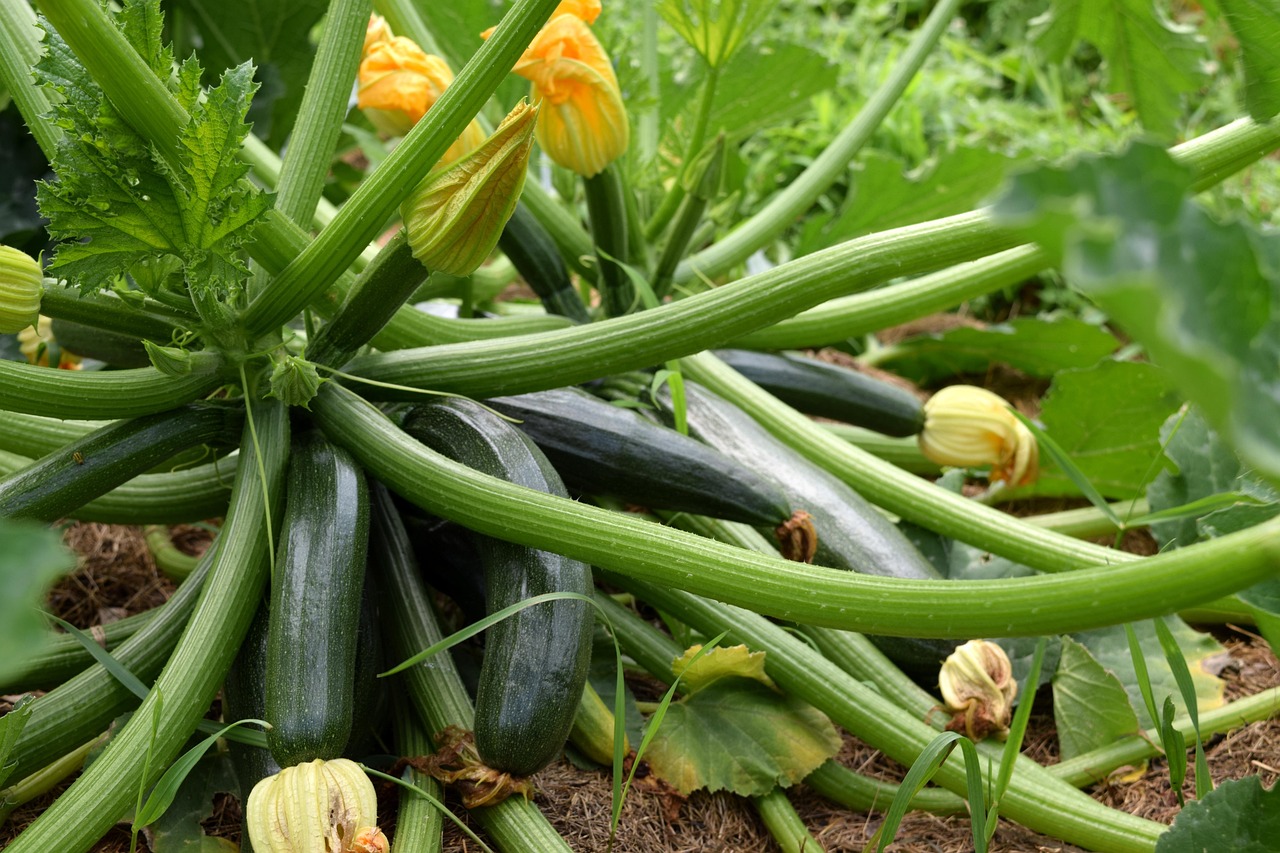
We always grow zucchini and summer squash in our garden. That are very satisfying for the number of fruits they produce. August is when they shine, especially if you planted a second crop in June! We’re growing some unusually shaped summer squash that are fun to look at and delicious to eat. Learn more about Patty Pan and Trombocino squash here.
Having a shade loving perennial that is long flowering, depending on the variety, is a good one for this time of year. We recently went to a public garden where astilbe was shining. it’s tough, grows short or tall depending on the selection and has whimsical, flowers. Learn more about astilbe in this newsletter.
To keep on track with garden problems in my newsletters, how about those tomato hornworms? They’re here and munching away on tomato leaves and fruits. Learn about tomato hornworms and how to control them here.
Let’s talk Hydrangeas! Take a look at my monthly garden blog I write for Proven Winners called What’s Up North. This month I talk about Hydrangea Advise for the Northeast. Hydrangeas are favorite shrubs of many gardeners, but often questions such as where to plant, how to fertilize, how to prune and how to protect them, pop up. In this blog, I talk about growing hydrangeas in the Northeast with special emphasis on the many different types and varieties. Check out my blog on Hydrangea Advice for the Northeast, here.
Until next time I’ll be seeing you, in the garden.
Charlie

Where to Find Charlie: (podcasts, TV and in-person)
- In the Garden (WCAX-TV CBS) – This week: Self Sowing Fennel
- All Things Gardening on Vt Public Radio– This week: Container Tomatoes
- WJOY In The Garden Podcast– This week: Harvesting cut flowers, fertilizing annuals, protecting newly planted cucumbers, warding off caterpillars from your Swiss Chard, harvesting fruit.
- Where’s Charlie Speaking? 8/5/26: Continuous Vegetable Garden, Ct Plant Science Day, Hamden, CT
How to Grow: Hardy Hibiscus
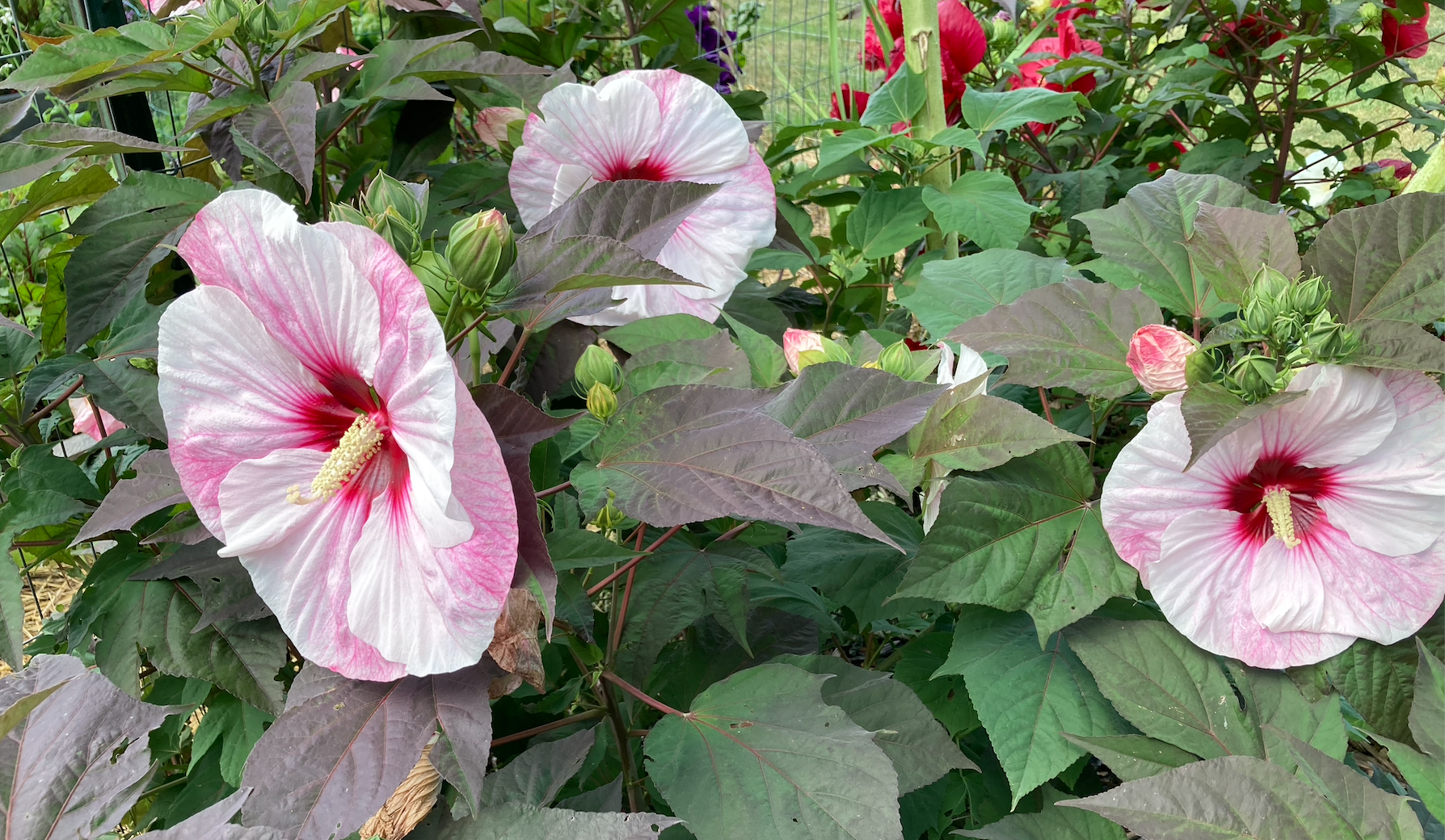
For those that read my newsletter regularly you know I like herbaceous flowers that grow large. These are plants that die back to the ground each winter, then grow into 3- to 4- foot tall and wide monsters come late summer. One of the stars of this big plant show is hardy hibiscus. Unlike the sub tropical hibiscus that only grows in warm climates, hardy hibiscus grows in zone 5 gardens and treats the garden owners to dinner plate sized blossoms that last for weeks in late summer. While most of the flowers are a single colors such as white, pink and red, there are some with bi colors blooms. For some late summer splash in your garden try these beauties. The ‘Luna™’ Series is a great one for hardy, floriferous plants in your garden. It comes in ‘Red’ and ‘Rose’ versions. They stay “compact” at 3 feet tall and wide. A nice bi color version is ‘Halberdleaf’. It has white flowers with a deep red throat.
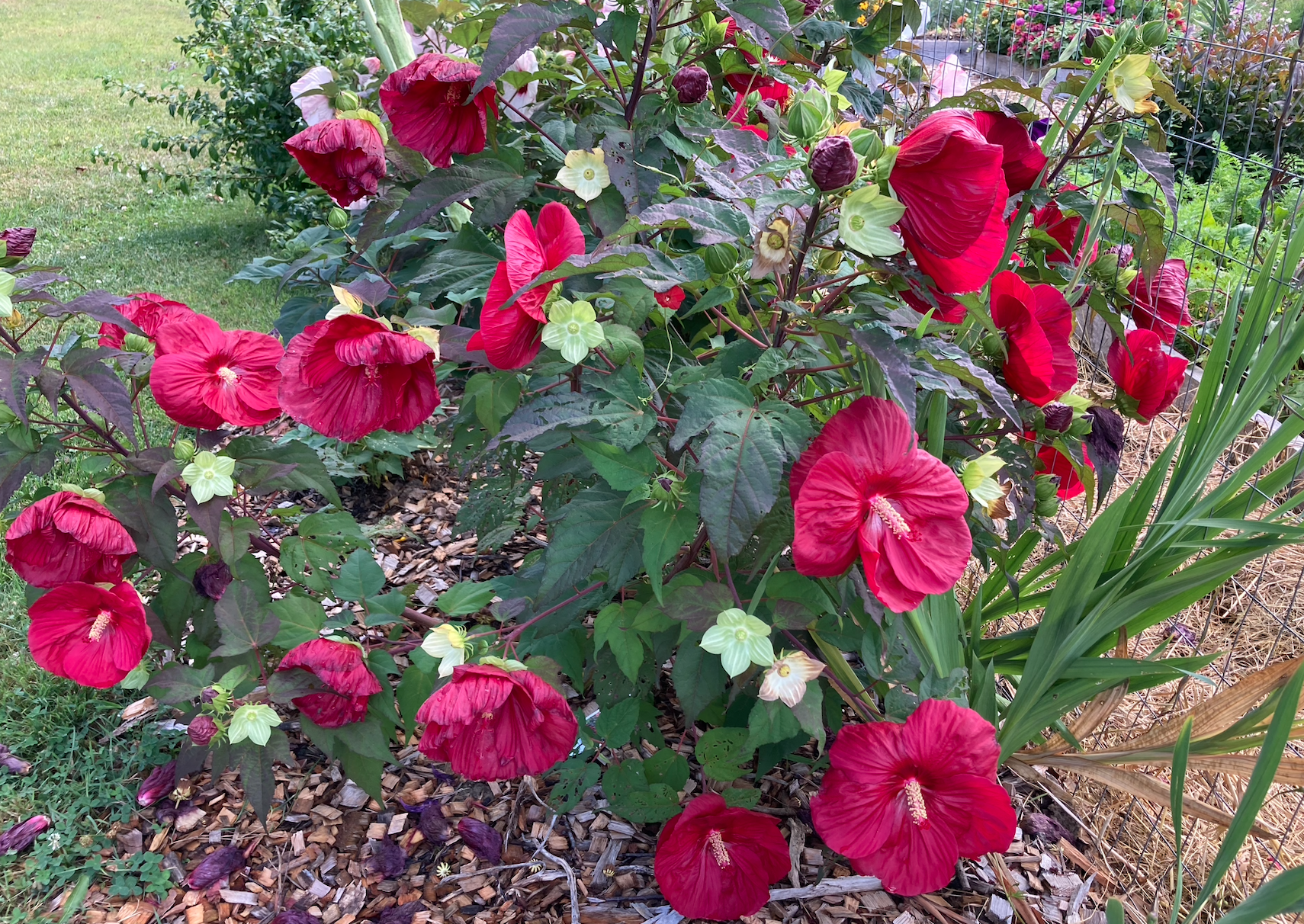
Hardy hibiscus grow best in full sun on well-drained sol. They are slow to emerge in spring, so don’t think they died. I once waited until June to see our hibiscus start growing. But once they start, nothing stops them. They grow quickly into large plants. Some varieties even have red tinged leaves to make the plant more exciting to look at. Hardy hibiscus loves the heat and humidity of summer and thrives with adequate moisture. They can also take a drought. We mulch ours with wood chips and rarely have to water it.
The flowers last only a day or so, but they come in abundance. Bees and butterflies love them as well and deer and rabbits don’t seem too interested. You may get the hibiscus sawfly caterpillars chewing on the leaves. It’s mostly a cosmetic problem, but evening sprays (to not harm the bees) of spinosad will control them.
Learn More about Growing Hardy Hibiscus here

Kooky Squash
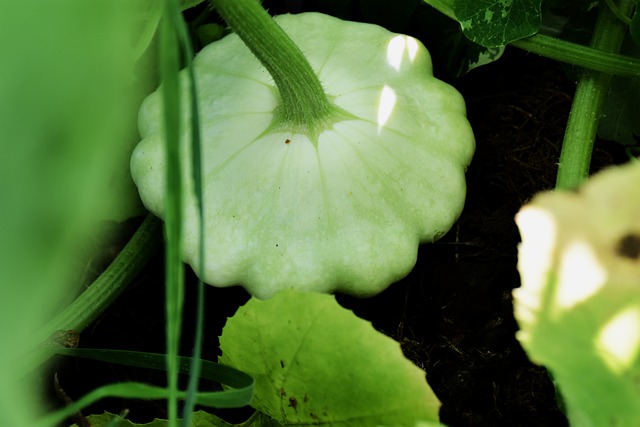
Summer squash and zucchini are popular summer garden vegetables because they grow so well and produce so abundantly. We certainly grow both, but also like to play around with some unusual varieties.
Patty pan squash looks nothing like your traditional summer squash. The round, scallop shaped fruits look like a satellite. Some varieties are green or yellow with green skin coloring towards the middle making them attractive as well. It’s an ancient vegetable dating back thousands of years. The native Americans in the Eastern United States grew them. The French thought they looked like scalloped cake molds and the English thought they looked like tin pie molds called “patty pans” and hence the common name. Whatever the name, these solid squash are fun because of the shape. I like to slice them some the slice is circular, grill the squash and eat them like a hamburger. Just add lots of cheese because they don’t have a strong flavor.
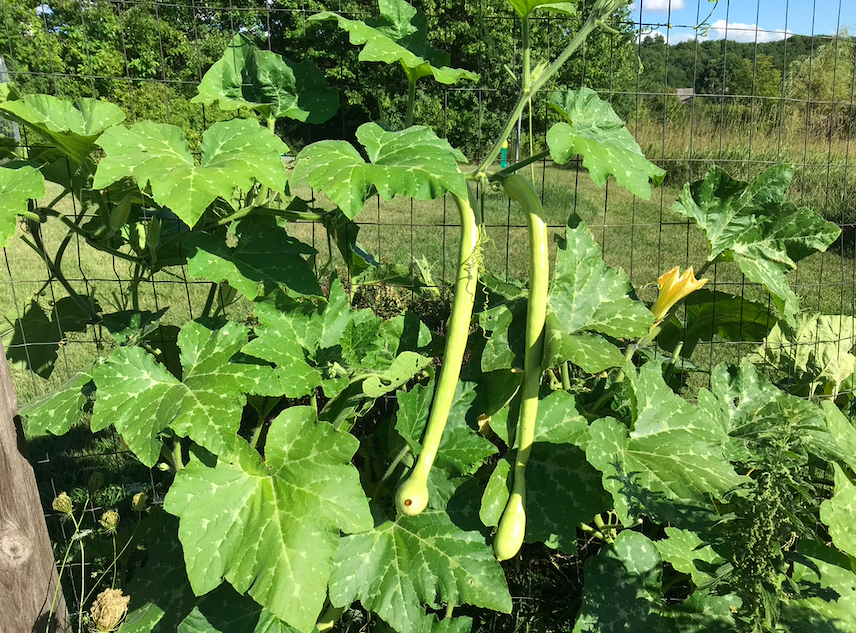
From the old world comes another unusual squash. Trombocino is a vining summer squash that produces long, thin necked fruits with a bulb on the bottom. This is an aggressive growing squash so grow it up a fence, pergola or trellis. We pick them when they are about 1 foot long. If left in the garden they can grow into 5 foot long monsters! What I like about trombocino is the squash neck has no seeds. It’s great for making squash parmesian or baking them because the flesh doesn’t fall apart.
Plant summer squash in full sun in a raised bed and mulch well. We even grow these in straw bales to avoid insect problems. You can eat the flowers as well as the squash, but only select the male flowers (no little squash behind it) or you’ll not get any fruit. Once they start setting fruits, check them daily, especially in warm weather. The squash are best picked small and can grow quickly into large beasts. There are two main pests of squash; squash vine borers and squash bugs. Read more on how to control them below.
Learn more about summer squash and squash vine borers here
Learn more about squash bugs here
How to Grow: Astilbe
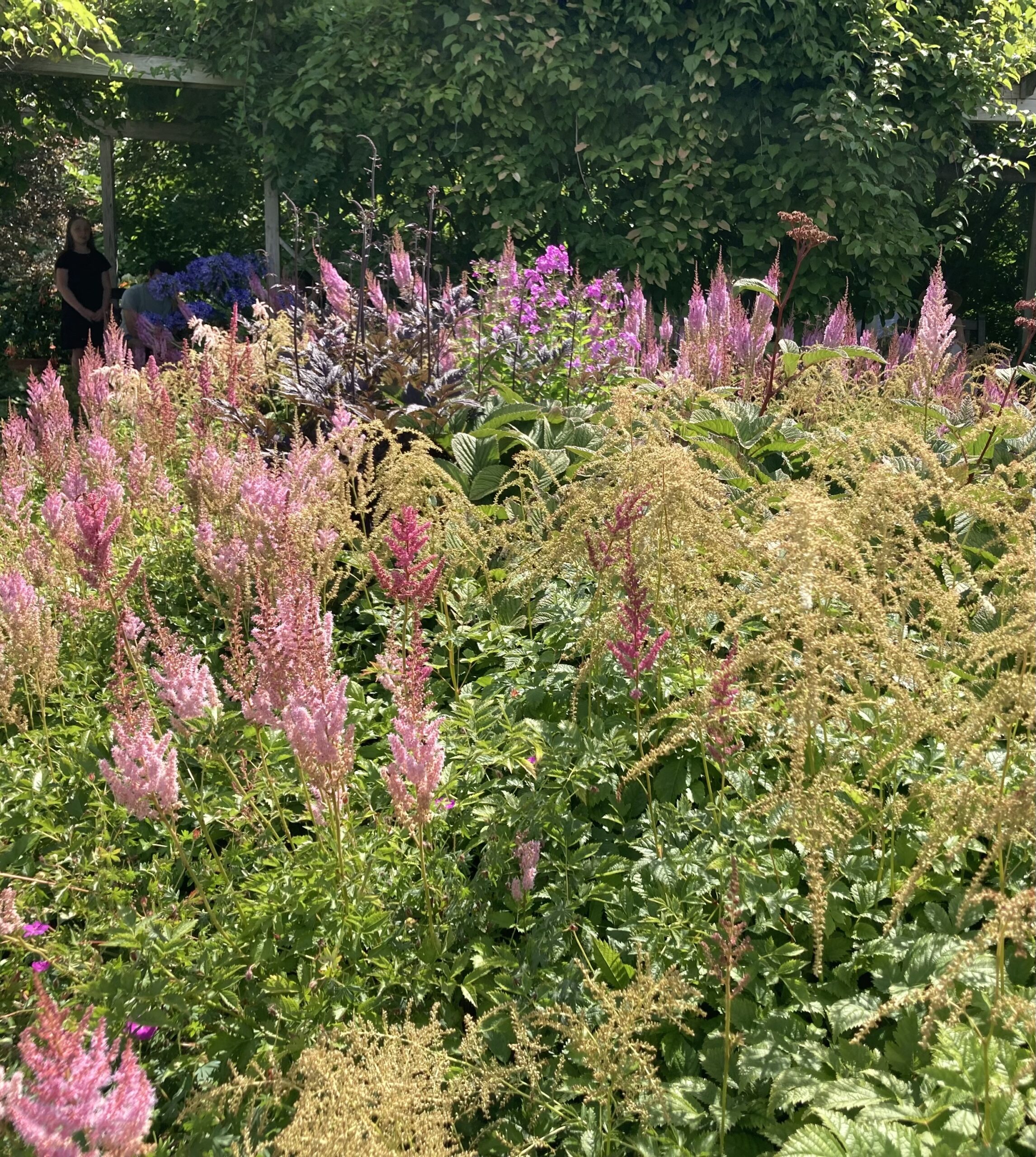
When gardeners think of shade plants, hostas are one of the first plants that come to mind. But, there are many other shade lovers that can add color and texture to a shady garden. Astilbe is one of the best. I like astilbe as much for the flowers and dark green leaves as the diversity of varieties. Astilbe varieties can range in height from less than 1 foot tall to over 4 feet tall. The plume-like flowers come in colors such as white, pink, red, peach, lavender and purple. There certainly are astilbe mixes to purchase or you can buy individual varieties. ‘Deutschland’ features white plumes, ‘Montgomery’ has feathery, magenta-crimson blooms and ‘Rheinland’ has pink plumes. Some, such as ‘Color Flash’, have copper colored leaves. “Purple Candles” has deep purple blooms on 3- to 4-foot tall plants.
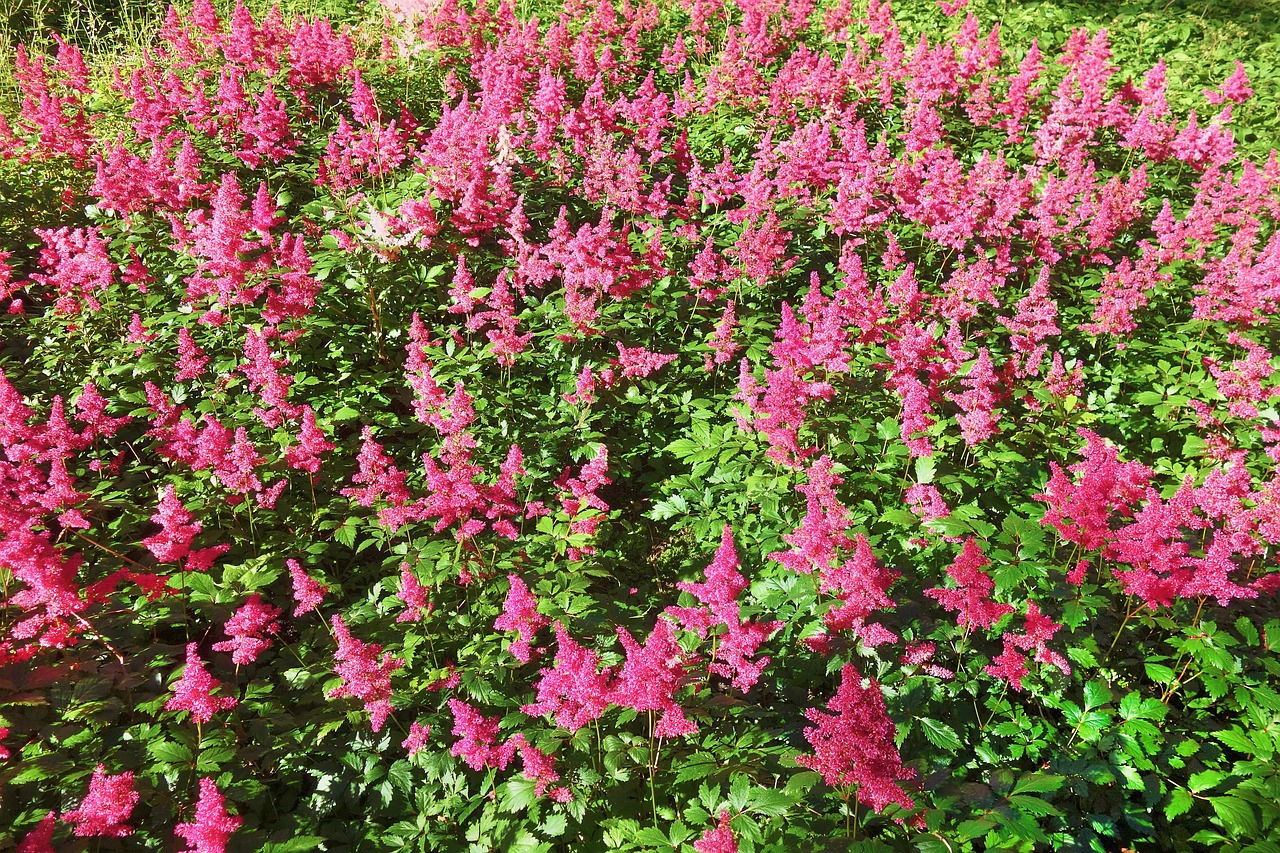
Astilbe, or false spirea, are tough plants. They flower in early summer. After blooming some gardeners like to leave the dried flowers and seed heads for the birds and ornamental qualities. Otherwise, deadheading cleans up the plants and features the dark green leaves. Astilbe thrives in part shade and on well-drained, moist soil. During a drought the plants can shrivel up, so mulch and keep the soil evenly moist. However, astilbe won’t die easily. Even if they brown up in summer, next year they will be back.
Plant astilbe with other shade, and moist soil lovers such as hosta, heuchera and yellow rocket. Deer tend to leave astilbe alone and the plant has few disease problems. The flowers are great in the garden or cut for indoor arrangements. Divide the plants in spring every 3- to 4-years to spread them around and help keep the plants well spaced.
Learn more about Astilbe here
In Our Garden: Tomato Hornworm
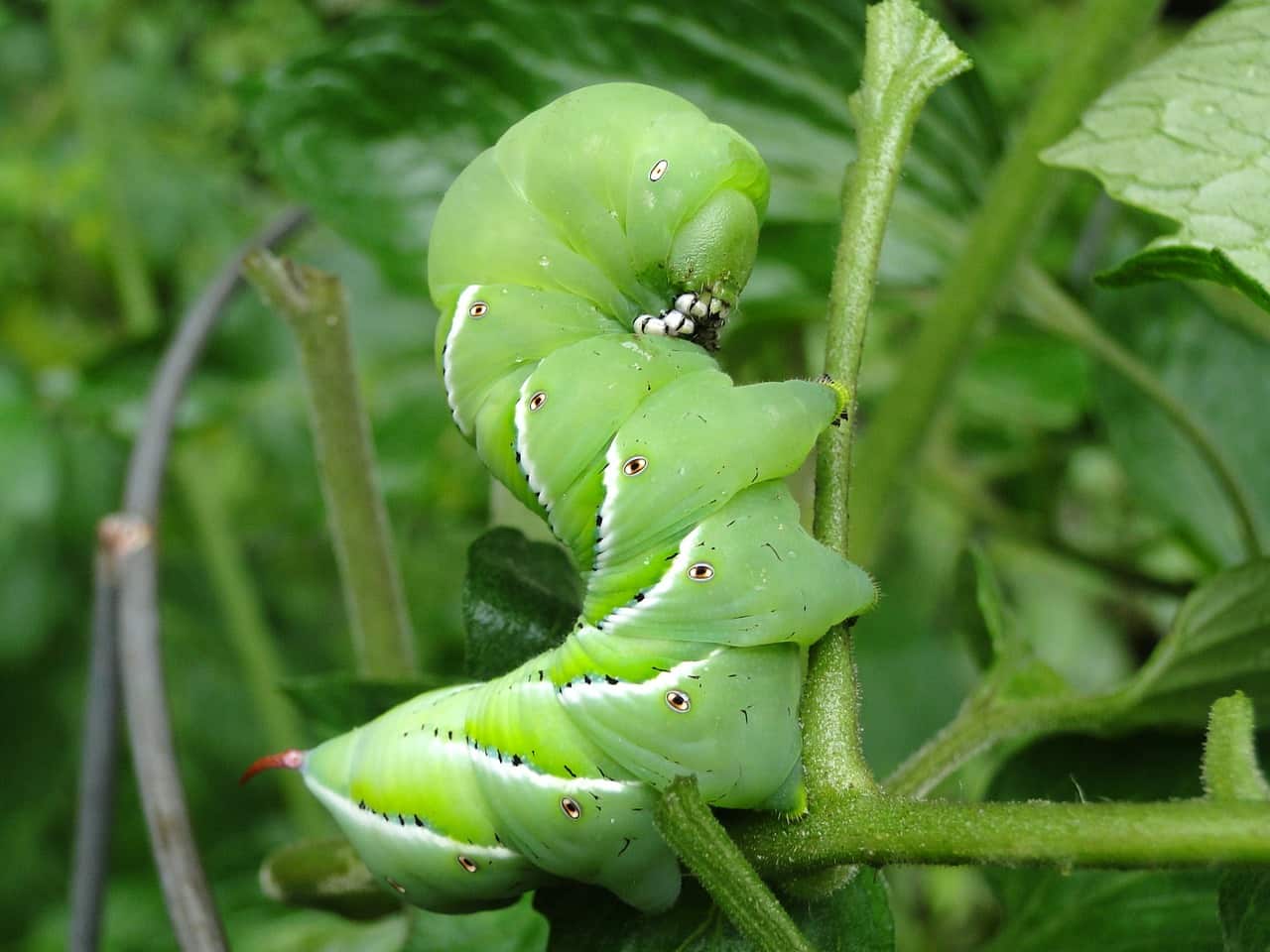
This insect pest comes as a surprise to many new gardeners. Many gardeners grow tomatoes. By midsummer, your tomato plants are probably loaded with fruit and tall. Then overnight, it seems like something is eating the leaves and fruits on the top of the plant. Even after close inspection, you still can’t seem to find the culprit. Then one day you see some dark green droppings on the leaves and you look up into the plant and there it is. The tomato hornworm. This 6 inch long, fat caterpillar loves tomato and tobacco plants. There is one or two generations a year, depending on where you live. The caterpillar is voracious and will strip leaves bare and take chunks out of green fruits.
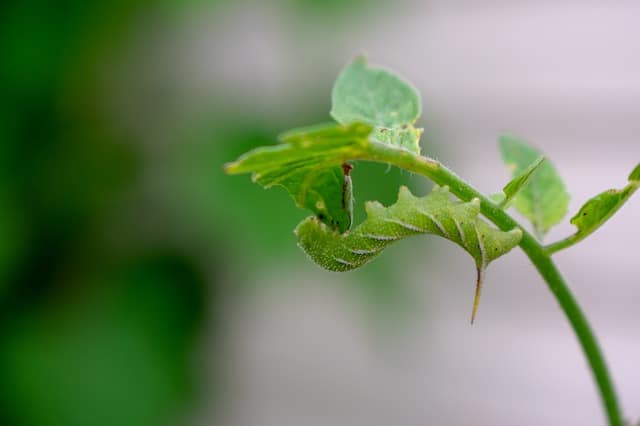
The simplest solution is to hand pick and destroy them by dropping them into pail filled with soapy water. But if you are a bit squeamish or have lots of tomatoes and hornworms, you can also spray Bacillus thuringiensis (Bt) on the plant and it will kill this larvae. Next year, mark your calendar for when the hornworms will show up. Go out at night with a black light to find them. They will glow in the dark. Another solution is to plant ‘Genovese’ basil plants around your tomatoes. The scent of the basil masks the scent of the tomato so the adult moth can’t find the tomato plants to lay eggs.